
UK and Australia Brace for Severe Weather as Storms and Cold Snaps Loom
In This Article
HIGHLIGHTS
- The UK is bracing for a cold snap following Storm Claudia's heavy rains, with flood warnings in place across England and Wales.
- Australia faces severe storms over the weekend, particularly in Queensland and New South Wales, with risks of flash flooding and damaging winds.
- The UK Health Security Agency has issued a cold weather alert from Monday, while emergency services in Monmouth are responding to flooding.
- In Australia, over 11,000 homes experienced blackouts due to storms, marking the fifth consecutive weekend of severe weather in Queensland.
- Both the UK and Australia are dealing with significant weather disruptions, impacting travel and local events.
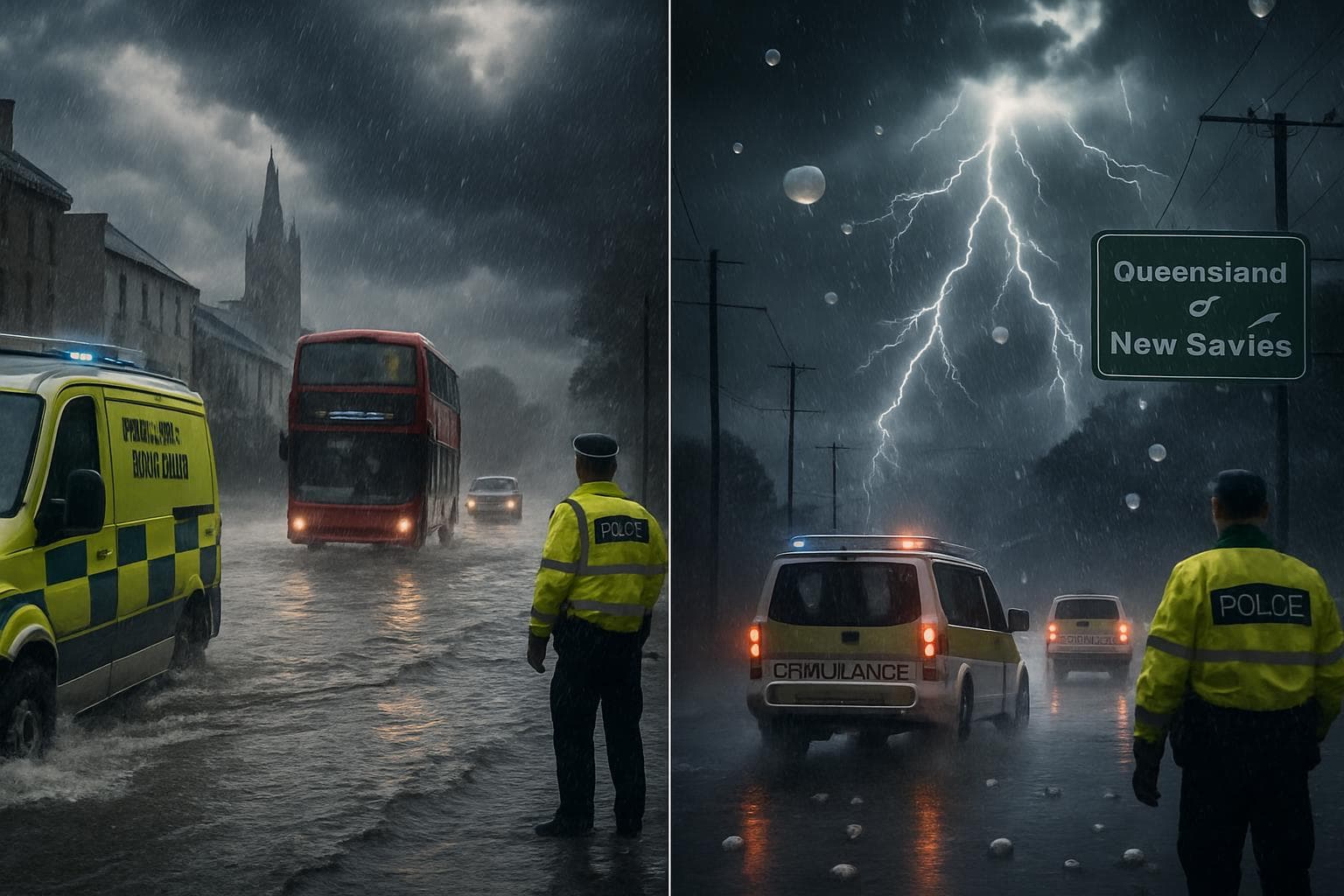
As the UK and Australia prepare for challenging weather conditions, authorities in both nations have issued warnings and alerts to mitigate potential impacts. In the UK, Storm Claudia has brought torrential rain, leading to widespread flood warnings across England and Wales. The Met Office has maintained a yellow rain warning, with some areas expected to receive up to a month's worth of rain between Friday and Saturday. The UK Health Security Agency has also issued a cold weather alert from Monday, anticipating sub-zero temperatures and possible snow in the north of England and the Midlands.
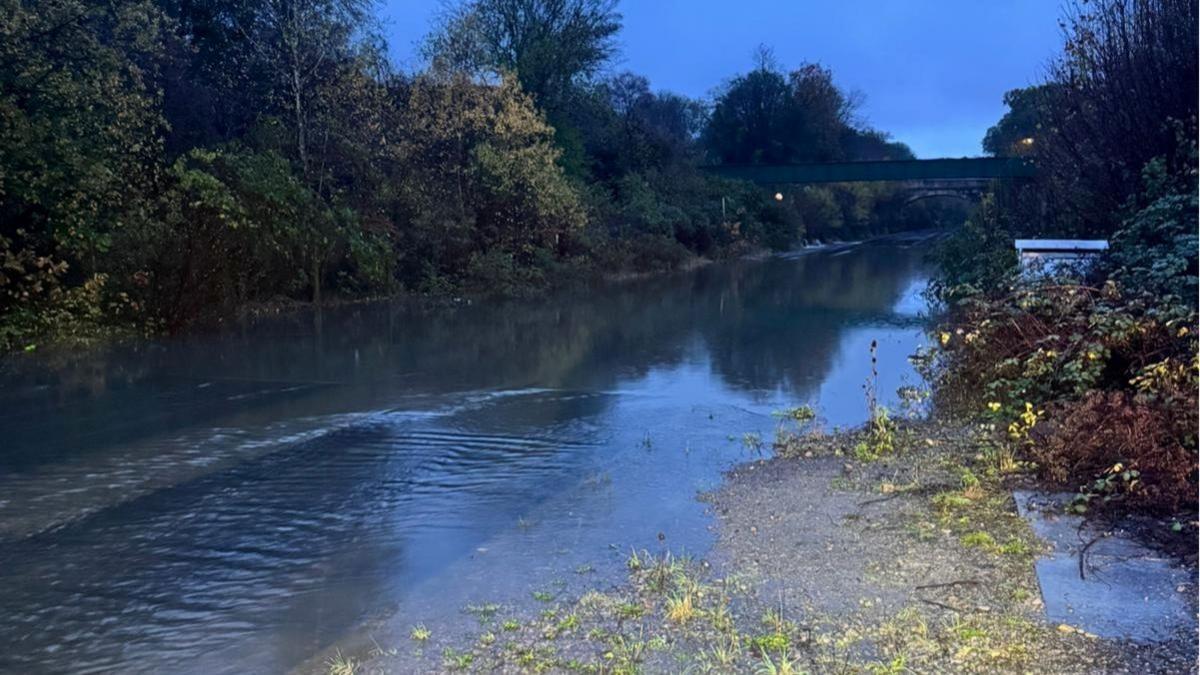
In response to the severe weather, flood defenses have been activated in Bewdley, West Midlands, and emergency services in Shrewsbury are on high alert. The British Red Cross has placed emergency response teams on standby, while South Wales Fire and Rescue Service declared a major incident in Monmouth due to severe flooding. Local authorities have urged residents to avoid travel, with significant disruptions expected on rail services over the weekend.
Meanwhile, Australia is facing its own weather challenges, with the Bureau of Meteorology forecasting severe storms across eastern regions, particularly in Queensland and New South Wales. Brisbane is expected to receive up to 80mm of rain, with damaging winds and large hailstones posing risks of flash flooding. Over 11,000 homes have already experienced blackouts across affected areas, marking the fifth consecutive weekend of severe storms in south-east Queensland.
The Bureau of Meteorology's senior meteorologist, Sarah Scully, highlighted the potential for severe weather, noting that the region is well into its severe weather season. In Sydney, residents can expect a wet Saturday, with showers and possible storms, while Melbourne will experience cooler temperatures over the weekend.
Both the UK and Australia are grappling with significant weather disruptions, affecting travel and local events. In the UK, the Environment Agency has warned of potential drought conditions next year without a wet winter, despite recent rainfall.
WHAT THIS MIGHT MEAN
As the UK and Australia navigate these severe weather conditions, the immediate focus will be on ensuring public safety and minimizing disruptions. In the UK, the cold snap following Storm Claudia could exacerbate existing flood risks, prompting further emergency measures. The potential for snow and freezing temperatures may also impact transportation and infrastructure.
In Australia, the ongoing severe weather season raises concerns about the cumulative impact on communities and infrastructure, particularly in Queensland. Continued storms could lead to further blackouts and damage, necessitating ongoing emergency responses.
Looking ahead, both nations may need to reassess their preparedness for extreme weather events, considering the increasing frequency and intensity of such occurrences. This could involve enhancing infrastructure resilience and improving early warning systems to better protect communities.
Images from the Web
Related Articles

Saharan Dust to Illuminate UK Skies with Vivid Sunrises and Sunsets

Canada and Australia Forge Strategic Partnership Amid Global Uncertainty

Police Federation Chief Arrested Amid Fraud Investigation

Canada Calls for De-escalation Amid US-Israel Strikes on Iran

UK Government to Reform Asylum Seeker Support and Employment Policies

Sisters Tragically Drown at Eryri National Park's Watkin Path
UK and Australia Brace for Severe Weather as Storms and Cold Snaps Loom
In This Article
 Leila Hassan| Published
 HIGHLIGHTS
- The UK is bracing for a cold snap following Storm Claudia's heavy rains, with flood warnings in place across England and Wales.
- Australia faces severe storms over the weekend, particularly in Queensland and New South Wales, with risks of flash flooding and damaging winds.
- The UK Health Security Agency has issued a cold weather alert from Monday, while emergency services in Monmouth are responding to flooding.
- In Australia, over 11,000 homes experienced blackouts due to storms, marking the fifth consecutive weekend of severe weather in Queensland.
- Both the UK and Australia are dealing with significant weather disruptions, impacting travel and local events.
As the UK and Australia prepare for challenging weather conditions, authorities in both nations have issued warnings and alerts to mitigate potential impacts. In the UK, Storm Claudia has brought torrential rain, leading to widespread flood warnings across England and Wales. The Met Office has maintained a yellow rain warning, with some areas expected to receive up to a month's worth of rain between Friday and Saturday. The UK Health Security Agency has also issued a cold weather alert from Monday, anticipating sub-zero temperatures and possible snow in the north of England and the Midlands.
In response to the severe weather, flood defenses have been activated in Bewdley, West Midlands, and emergency services in Shrewsbury are on high alert. The British Red Cross has placed emergency response teams on standby, while South Wales Fire and Rescue Service declared a major incident in Monmouth due to severe flooding. Local authorities have urged residents to avoid travel, with significant disruptions expected on rail services over the weekend.
Meanwhile, Australia is facing its own weather challenges, with the Bureau of Meteorology forecasting severe storms across eastern regions, particularly in Queensland and New South Wales. Brisbane is expected to receive up to 80mm of rain, with damaging winds and large hailstones posing risks of flash flooding. Over 11,000 homes have already experienced blackouts across affected areas, marking the fifth consecutive weekend of severe storms in south-east Queensland.
The Bureau of Meteorology's senior meteorologist, Sarah Scully, highlighted the potential for severe weather, noting that the region is well into its severe weather season. In Sydney, residents can expect a wet Saturday, with showers and possible storms, while Melbourne will experience cooler temperatures over the weekend.
Both the UK and Australia are grappling with significant weather disruptions, affecting travel and local events. In the UK, the Environment Agency has warned of potential drought conditions next year without a wet winter, despite recent rainfall.
WHAT THIS MIGHT MEAN
As the UK and Australia navigate these severe weather conditions, the immediate focus will be on ensuring public safety and minimizing disruptions. In the UK, the cold snap following Storm Claudia could exacerbate existing flood risks, prompting further emergency measures. The potential for snow and freezing temperatures may also impact transportation and infrastructure.
In Australia, the ongoing severe weather season raises concerns about the cumulative impact on communities and infrastructure, particularly in Queensland. Continued storms could lead to further blackouts and damage, necessitating ongoing emergency responses.
Looking ahead, both nations may need to reassess their preparedness for extreme weather events, considering the increasing frequency and intensity of such occurrences. This could involve enhancing infrastructure resilience and improving early warning systems to better protect communities.
Images from the Web
Related Articles
Saharan Dust to Illuminate UK Skies with Vivid Sunrises and Sunsets
Canada and Australia Forge Strategic Partnership Amid Global Uncertainty
Police Federation Chief Arrested Amid Fraud Investigation
Canada Calls for De-escalation Amid US-Israel Strikes on Iran
UK Government to Reform Asylum Seeker Support and Employment Policies
Sisters Tragically Drown at Eryri National Park's Watkin Path