
Growing Political Pressure for Palestinian State Recognition Amid Gaza Crisis
In This Article
HIGHLIGHTS
- Over 220 UK MPs, including Julia Buckley, have called for the UK to recognize Palestine as a state amid the ongoing Gaza crisis.
- The UK government, led by Sir Keir Starmer, emphasizes a two-state solution as part of a broader peace plan.
- Victorian Labor members in Australia are pushing for immediate federal recognition of Palestine and sanctions against Israel.
- The Labor Friends of Palestine group will present urgency resolutions at the Victorian state conference to influence party policy.
- Both UK and Australian political movements highlight growing international scrutiny and demand for humanitarian aid to Gaza.
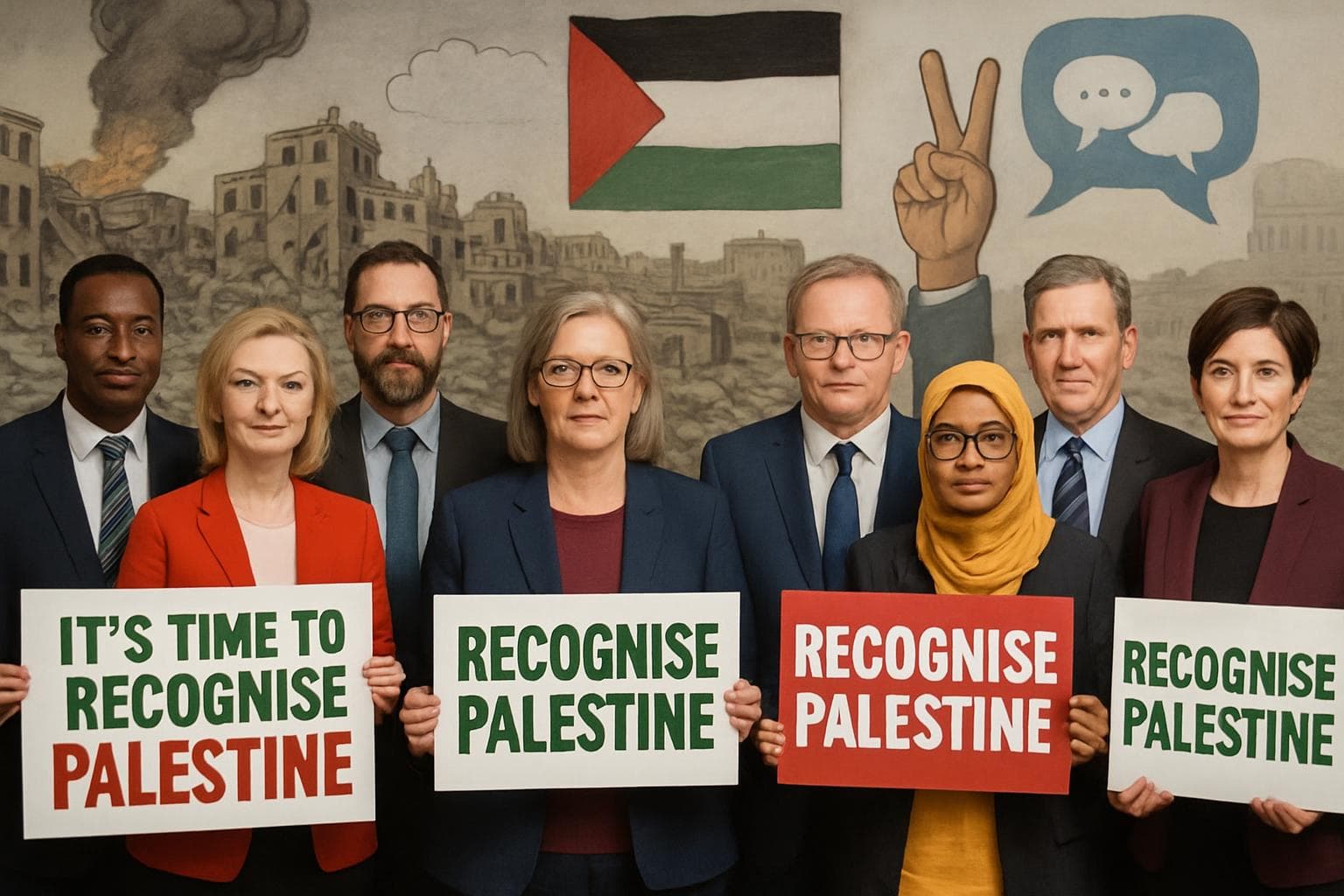
Political movements in both the UK and Australia are intensifying calls for the recognition of Palestine as a state, amidst the escalating humanitarian crisis in Gaza. In the UK, a cross-party group of over 220 MPs, including Labour's Julia Buckley, has urged the government to acknowledge Palestinian statehood. Buckley, representing Shrewsbury, described the situation in Gaza as an "atrocity" and emphasized the need for urgent accountability. This appeal comes as the UK and 27 other nations condemn the restricted aid and civilian casualties in Gaza.
UK's Stance on Palestinian Recognition
Labour leader Sir Keir Starmer has reiterated that recognizing Palestine should be part of a comprehensive plan aimed at achieving a two-state solution. He stated, "Alongside our closest allies, I am working on a pathway to peace in the region." The MPs' letter highlights that British recognition of Palestine would carry significant weight due to the UK's historical involvement in the region. Buckley, who became Shrewsbury's first female MP in 2024, has been vocal about her stance, engaging directly with constituents and emphasizing the importance of transparency on such critical issues.
Australian Labor's Push for Immediate Action
Meanwhile, in Australia, Victorian Labor members are set to demand immediate federal recognition of Palestine at their state conference. The Labor Friends of Palestine group plans to introduce urgency resolutions calling for expanded sanctions on Israeli officials and a review of Australia's military and economic ties with Israel. Oliver van Ingen, the group's convenor, described these motions as the "strongest Palestine resolutions ever brought to Victorian Labor." The resolutions, though non-binding, reflect a significant grassroots effort to influence party policy and respond to what van Ingen termed as "completely indefensible" actions by Israel.
International Calls for Humanitarian Aid
Both UK and Australian political actions underscore a growing international demand for humanitarian aid to Gaza. The Victorian resolutions also advocate for increased funding to the United Nations Relief and Works Agency for Palestine Refugees and the establishment of a permanent humanitarian visa program. These developments highlight the global community's heightened scrutiny of the Israeli-Palestinian conflict and the urgent need for a sustainable resolution.
WHAT THIS MIGHT MEAN
The push for Palestinian state recognition in both the UK and Australia could lead to increased diplomatic pressure on Israel and potentially influence broader international policy. If the UK were to recognize Palestine, it might encourage other nations to follow suit, potentially reshaping the geopolitical landscape of the Middle East. In Australia, the Victorian Labor Party's resolutions, if adopted, could signal a shift in national policy, especially if they gain traction within the federal government. However, these political movements face significant challenges, including balancing international relations and addressing domestic political dynamics. As the situation in Gaza remains dire, the international community's response will be crucial in shaping the future of the Israeli-Palestinian conflict.
Related Articles

UK Faces Dilemmas Amid Iran Conflict and China Spying Allegations
UK Government to Reform Asylum Seeker Support and Employment Policies
UK Reinforces Military Presence in Cyprus Amid Middle East Tensions

UK-Iran Tensions: Starmer Defends Cautious Approach Amid Trump Criticism
Persistent Safety Concerns in Nottingham Maternity Services Amidst Calls for Systemic Reform
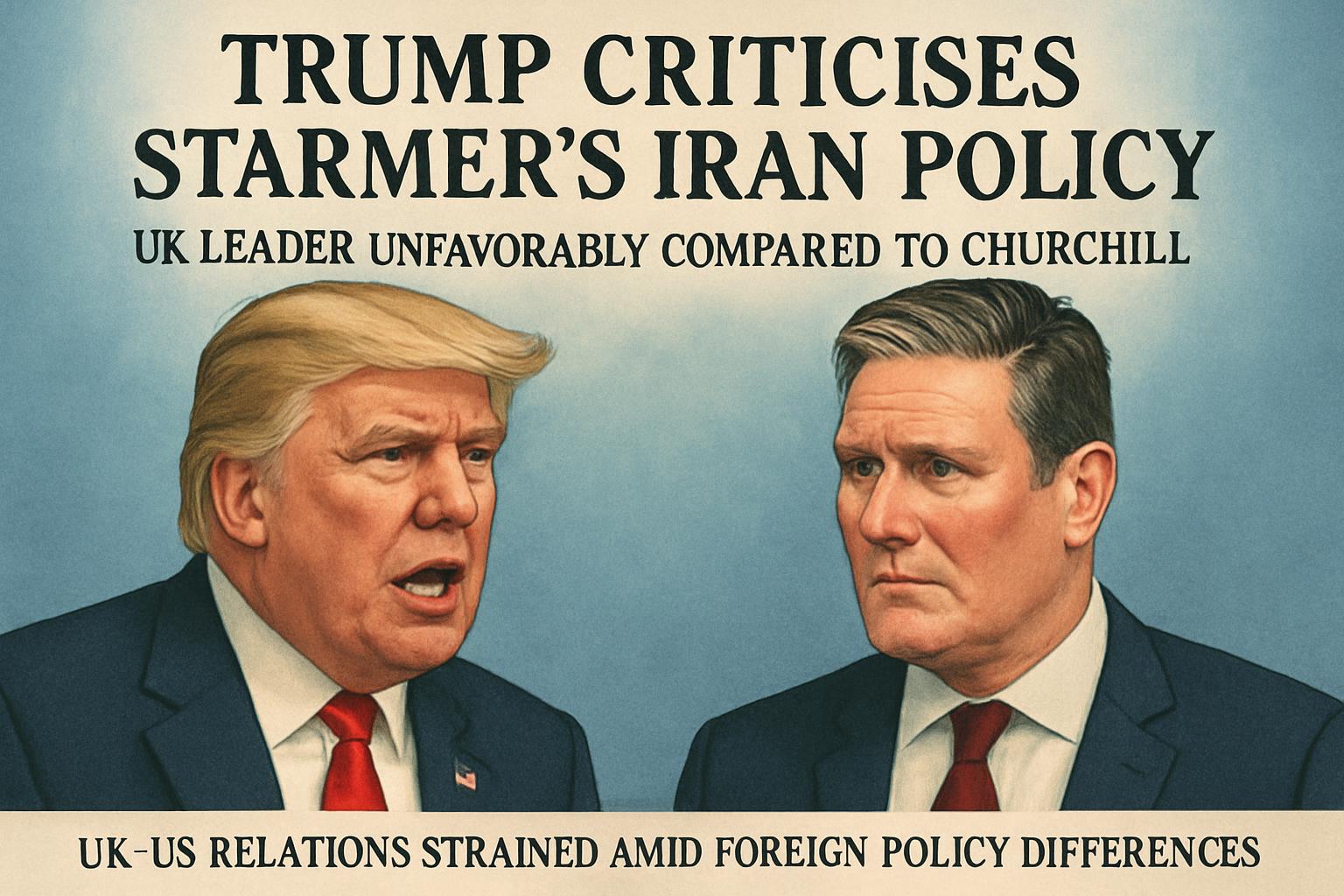
Diplomatic Tensions Rise as Trump Criticizes Starmer's Iran Policy
Growing Political Pressure for Palestinian State Recognition Amid Gaza Crisis
In This Article
 Ethan Brooks| Published
 HIGHLIGHTS
- Over 220 UK MPs, including Julia Buckley, have called for the UK to recognize Palestine as a state amid the ongoing Gaza crisis.
- The UK government, led by Sir Keir Starmer, emphasizes a two-state solution as part of a broader peace plan.
- Victorian Labor members in Australia are pushing for immediate federal recognition of Palestine and sanctions against Israel.
- The Labor Friends of Palestine group will present urgency resolutions at the Victorian state conference to influence party policy.
- Both UK and Australian political movements highlight growing international scrutiny and demand for humanitarian aid to Gaza.
Political movements in both the UK and Australia are intensifying calls for the recognition of Palestine as a state, amidst the escalating humanitarian crisis in Gaza. In the UK, a cross-party group of over 220 MPs, including Labour's Julia Buckley, has urged the government to acknowledge Palestinian statehood. Buckley, representing Shrewsbury, described the situation in Gaza as an "atrocity" and emphasized the need for urgent accountability. This appeal comes as the UK and 27 other nations condemn the restricted aid and civilian casualties in Gaza.
UK's Stance on Palestinian Recognition
Labour leader Sir Keir Starmer has reiterated that recognizing Palestine should be part of a comprehensive plan aimed at achieving a two-state solution. He stated, "Alongside our closest allies, I am working on a pathway to peace in the region." The MPs' letter highlights that British recognition of Palestine would carry significant weight due to the UK's historical involvement in the region. Buckley, who became Shrewsbury's first female MP in 2024, has been vocal about her stance, engaging directly with constituents and emphasizing the importance of transparency on such critical issues.
Australian Labor's Push for Immediate Action
Meanwhile, in Australia, Victorian Labor members are set to demand immediate federal recognition of Palestine at their state conference. The Labor Friends of Palestine group plans to introduce urgency resolutions calling for expanded sanctions on Israeli officials and a review of Australia's military and economic ties with Israel. Oliver van Ingen, the group's convenor, described these motions as the "strongest Palestine resolutions ever brought to Victorian Labor." The resolutions, though non-binding, reflect a significant grassroots effort to influence party policy and respond to what van Ingen termed as "completely indefensible" actions by Israel.
International Calls for Humanitarian Aid
Both UK and Australian political actions underscore a growing international demand for humanitarian aid to Gaza. The Victorian resolutions also advocate for increased funding to the United Nations Relief and Works Agency for Palestine Refugees and the establishment of a permanent humanitarian visa program. These developments highlight the global community's heightened scrutiny of the Israeli-Palestinian conflict and the urgent need for a sustainable resolution.
WHAT THIS MIGHT MEAN
The push for Palestinian state recognition in both the UK and Australia could lead to increased diplomatic pressure on Israel and potentially influence broader international policy. If the UK were to recognize Palestine, it might encourage other nations to follow suit, potentially reshaping the geopolitical landscape of the Middle East. In Australia, the Victorian Labor Party's resolutions, if adopted, could signal a shift in national policy, especially if they gain traction within the federal government. However, these political movements face significant challenges, including balancing international relations and addressing domestic political dynamics. As the situation in Gaza remains dire, the international community's response will be crucial in shaping the future of the Israeli-Palestinian conflict.
Related Articles
UK Faces Dilemmas Amid Iran Conflict and China Spying Allegations
UK Government to Reform Asylum Seeker Support and Employment Policies
UK Reinforces Military Presence in Cyprus Amid Middle East Tensions
UK-Iran Tensions: Starmer Defends Cautious Approach Amid Trump Criticism
Persistent Safety Concerns in Nottingham Maternity Services Amidst Calls for Systemic Reform
Diplomatic Tensions Rise as Trump Criticizes Starmer's Iran Policy