
UK Bioethanol Industry Faces Major Setback as Vivergo Fuels Shuts Down

In This Article
HIGHLIGHTS
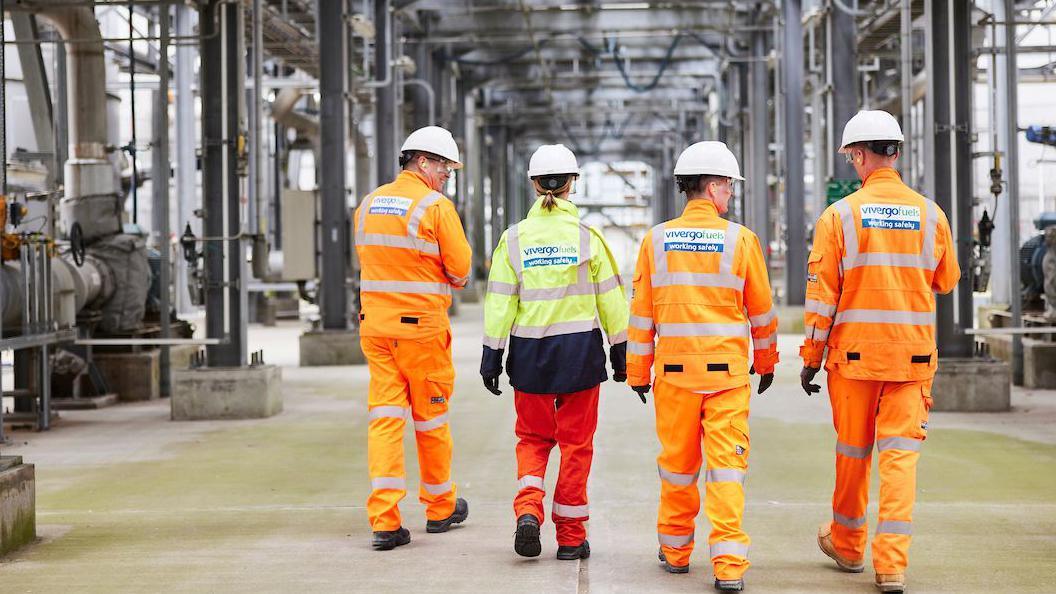
- The UK's largest bioethanol plant, Vivergo Fuels, will begin closing operations next week, affecting 160 jobs directly and thousands more in the supply chain.
- The closure follows the UK government's decision not to provide a rescue package after a US-UK trade deal removed tariffs on American ethanol imports.
- The trade agreement, seen as beneficial to the automotive industry, has been criticized for undermining the UK bioethanol sector's viability.
- The government cited long-standing financial challenges in the bioethanol industry as a reason for not offering taxpayer-funded support.
- Industry representatives and unions have expressed concerns over the impact on clean energy jobs and the broader economic implications.
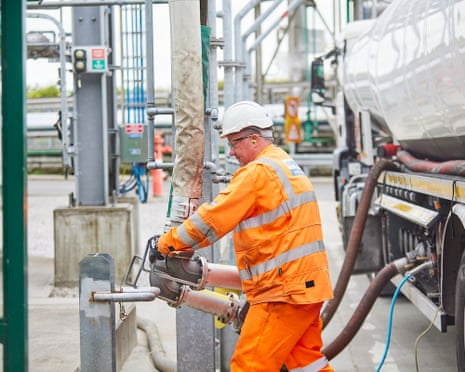
The UK's bioethanol industry is facing a significant blow as Vivergo Fuels, the nation's largest bioethanol plant, prepares to shut down operations next week. The decision comes in the wake of the UK government's refusal to provide a financial rescue package, a move that has sparked widespread concern over the future of clean energy jobs in the region.
Impact of US-UK Trade Deal
The closure of the Hull-based Vivergo Fuels, owned by Associated British Foods (ABF), is set to result in the loss of 160 jobs directly, with potential repercussions for an additional 4,000 positions within the supply chain. The shutdown follows a controversial US-UK trade agreement, which removed a 19% tariff on US ethanol imports, effectively allowing American producers to compete directly with UK firms. This agreement, hailed as a triumph for the automotive sector, has been criticized by industry leaders as an "existential threat" to the UK bioethanol market.
Government's Stance and Industry Reaction
Despite months of negotiations and a proposed plan from ABF to restore profitability, the UK government determined that providing financial support was not in the national interest. A government spokesperson cited the longstanding financial difficulties faced by the bioethanol industry as a key factor in their decision. "It would not provide value for the taxpayer or solve the long-term problems the industry faces," the spokesperson stated.
ABF expressed deep regret over the government's decision, emphasizing the potential loss of a "key national asset" and the impact on clean energy jobs. Charlotte Brumpton-Childs, a national officer for the GMB union, criticized the trade deal for costing livelihoods and called for a more robust green energy strategy.
Broader Economic Implications
The trade agreement, which also reduced tariffs on cars and steel, was seen as a strategic move to protect 320,000 jobs in the automotive, steel, and aerospace sectors. However, the National Farmers' Union has raised concerns about the deal's impact on UK agriculture, particularly wheat farmers who supply bioethanol plants.
WHAT THIS MIGHT MEAN
The closure of Vivergo Fuels highlights the delicate balance between international trade agreements and domestic industry sustainability. As the UK government prioritizes broader economic interests, the bioethanol sector's future remains uncertain. Experts suggest that without strategic support and investment, the UK risks losing its competitive edge in clean energy. The situation underscores the need for a comprehensive green industrial strategy that aligns with both environmental goals and economic realities.
Images from the Web
Related Articles
China Sets Lowest GDP Growth Target in Decades Amid Economic Challenges

Breakthrough Drug Offers Hope for Children with Severe Epilepsy
Cuba Faces Widespread Blackout Amid Deepening Fuel Crisis
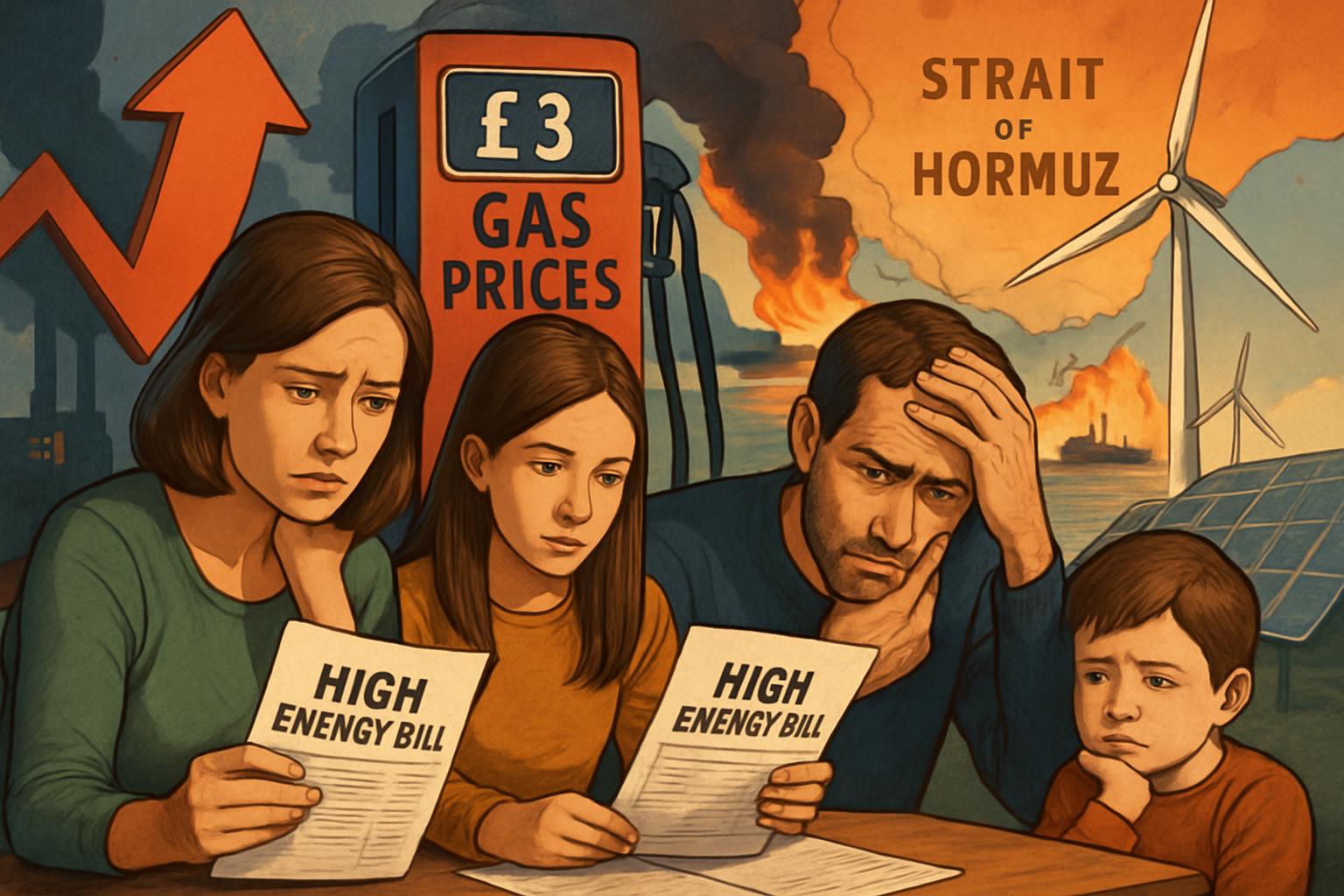
Middle East Conflict Drives UK Energy Prices to New Highs

UK Faces Dilemmas Amid Iran Conflict and China Spying Allegations

Google Faces Legal Battle Over AI Chatbot's Alleged Role in Tragic Death
UK Bioethanol Industry Faces Major Setback as Vivergo Fuels Shuts Down
In This Article
 Daniel Rivera| Published
 HIGHLIGHTS
- The UK's largest bioethanol plant, Vivergo Fuels, will begin closing operations next week, affecting 160 jobs directly and thousands more in the supply chain.
- The closure follows the UK government's decision not to provide a rescue package after a US-UK trade deal removed tariffs on American ethanol imports.
- The trade agreement, seen as beneficial to the automotive industry, has been criticized for undermining the UK bioethanol sector's viability.
- The government cited long-standing financial challenges in the bioethanol industry as a reason for not offering taxpayer-funded support.
- Industry representatives and unions have expressed concerns over the impact on clean energy jobs and the broader economic implications.
The UK's bioethanol industry is facing a significant blow as Vivergo Fuels, the nation's largest bioethanol plant, prepares to shut down operations next week. The decision comes in the wake of the UK government's refusal to provide a financial rescue package, a move that has sparked widespread concern over the future of clean energy jobs in the region.
Impact of US-UK Trade Deal
The closure of the Hull-based Vivergo Fuels, owned by Associated British Foods (ABF), is set to result in the loss of 160 jobs directly, with potential repercussions for an additional 4,000 positions within the supply chain. The shutdown follows a controversial US-UK trade agreement, which removed a 19% tariff on US ethanol imports, effectively allowing American producers to compete directly with UK firms. This agreement, hailed as a triumph for the automotive sector, has been criticized by industry leaders as an "existential threat" to the UK bioethanol market.
Government's Stance and Industry Reaction
Despite months of negotiations and a proposed plan from ABF to restore profitability, the UK government determined that providing financial support was not in the national interest. A government spokesperson cited the longstanding financial difficulties faced by the bioethanol industry as a key factor in their decision. "It would not provide value for the taxpayer or solve the long-term problems the industry faces," the spokesperson stated.
ABF expressed deep regret over the government's decision, emphasizing the potential loss of a "key national asset" and the impact on clean energy jobs. Charlotte Brumpton-Childs, a national officer for the GMB union, criticized the trade deal for costing livelihoods and called for a more robust green energy strategy.
Broader Economic Implications
The trade agreement, which also reduced tariffs on cars and steel, was seen as a strategic move to protect 320,000 jobs in the automotive, steel, and aerospace sectors. However, the National Farmers' Union has raised concerns about the deal's impact on UK agriculture, particularly wheat farmers who supply bioethanol plants.
WHAT THIS MIGHT MEAN
The closure of Vivergo Fuels highlights the delicate balance between international trade agreements and domestic industry sustainability. As the UK government prioritizes broader economic interests, the bioethanol sector's future remains uncertain. Experts suggest that without strategic support and investment, the UK risks losing its competitive edge in clean energy. The situation underscores the need for a comprehensive green industrial strategy that aligns with both environmental goals and economic realities.
Images from the Web
Related Articles
China Sets Lowest GDP Growth Target in Decades Amid Economic Challenges
Breakthrough Drug Offers Hope for Children with Severe Epilepsy
Cuba Faces Widespread Blackout Amid Deepening Fuel Crisis
Middle East Conflict Drives UK Energy Prices to New Highs
UK Faces Dilemmas Amid Iran Conflict and China Spying Allegations
Google Faces Legal Battle Over AI Chatbot's Alleged Role in Tragic Death