
UK Government Borrowing Surpasses Expectations Ahead of Crucial Budget
In This Article
HIGHLIGHTS
- UK government borrowing in October was £17.4bn, exceeding expectations by over £2bn, according to the Office for National Statistics.
- This borrowing figure, though lower than last year, is the third-highest October deficit on record, highlighting ongoing fiscal challenges.
- In the financial year to October, borrowing reached £116.8bn, marking an 8.4% increase from the same period in 2024.
- Chancellor Rachel Reeves is set to deliver her budget amid pressures to control the national debt interest, which consumes £1 of every £10 in taxpayer money.
- Economic forecasts suggest potential tax increases and spending cuts as the government aims to adhere to fiscal rules.
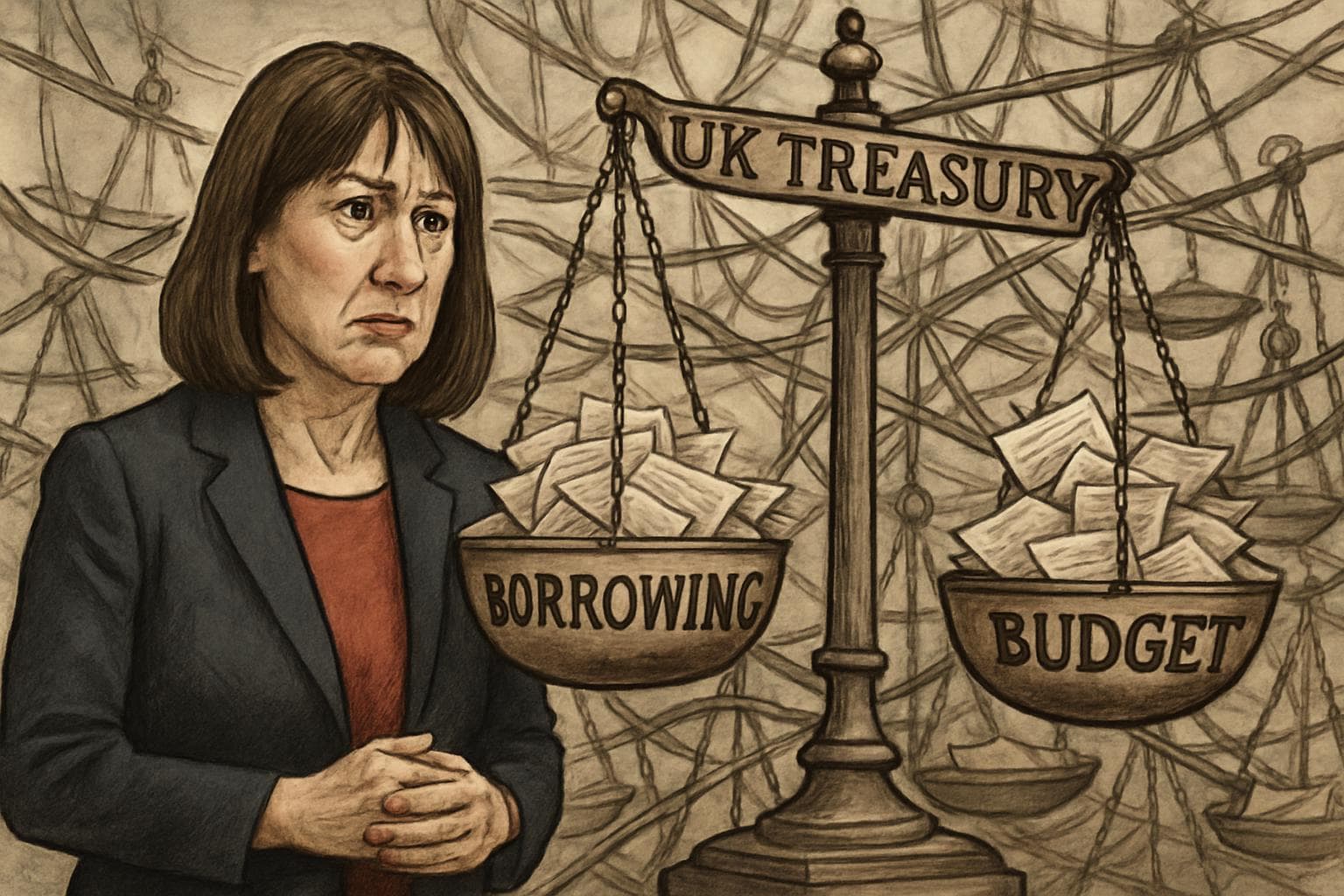
The UK government borrowed £17.4 billion in October, exceeding forecasts by more than £2 billion, according to the latest figures from the Office for National Statistics (ONS). This borrowing level, while lower than the same month last year, represents the third-highest October deficit on record, underscoring the fiscal challenges facing Chancellor Rachel Reeves as she prepares to unveil her budget.
Rising Borrowing and Economic Pressures
The ONS reported that borrowing for the financial year to October has reached £116.8 billion, an 8.4% increase compared to the same period in 2024. Analysts had anticipated a borrowing figure of £15 billion for October, slightly above the Office for Budget Responsibility's (OBR) March forecast of £14.4 billion. The unexpected rise in borrowing is attributed to increased public service spending and benefits, which were only partially offset by higher tax and National Insurance receipts.
Fiscal Policy and Budgetary Challenges
As Chancellor Reeves prepares to deliver her second budget, she faces mounting pressure to address the national debt interest, which currently consumes £1 of every £10 in taxpayer money. Chief Secretary to the Treasury James Murray emphasized the need for fiscal discipline, stating, "That money should be going to our schools, hospitals, police, and armed forces." The government aims to achieve the largest primary deficit reduction among the G7 and G20 nations over the next five years.
Economic Outlook and Potential Policy Changes
The ONS also highlighted a £3.7 billion increase in central government spending in October compared to the previous year, driven by inflation-induced benefit payments and public sector pay rises. With the OBR set to release new economic forecasts alongside the budget, expectations are high for significant tax increases and spending cuts to maintain fiscal stability.
Martin Beck, chief economist at WPI Strategy, warned that total borrowing in 2025-26 could exceed the OBR's full-year forecast by around £10 billion, potentially pushing the deficit close to 5% of GDP. "The chancellor's headroom against her fiscal rules has almost certainly vanished," he noted.
WHAT THIS MIGHT MEAN
As Chancellor Rachel Reeves prepares to present her budget, the government faces a delicate balancing act between fiscal responsibility and economic growth. The higher-than-expected borrowing figures could necessitate more aggressive tax hikes and spending cuts to adhere to fiscal rules. However, such measures may face political resistance and could impact public services.
The upcoming budget will be closely watched for its implications on the UK's economic trajectory, particularly in light of the OBR's revised forecasts. Should the government fail to address the rising national debt interest effectively, it could face increased scrutiny from both domestic and international observers.
Ultimately, the government's ability to navigate these fiscal challenges will be crucial in maintaining economic stability and public confidence in the months ahead.
Related Articles
UK Achieves Record Budget Surplus Amid Calls for Fiscal Policy Reform

Middle East Conflict Drives UK Energy Prices to New Highs

Government Announces £4 Billion Overhaul of SEND Support in England

UK Government Announces Major Overhaul of SEND System with £3.4 Billion Investment

Prince Andrew's Ties to Epstein Under Scrutiny Amid Calls for Inquiry

Government Criticized for Mishandling Maccabi Tel Aviv Fan Ban
UK Government Borrowing Surpasses Expectations Ahead of Crucial Budget
In This Article
 Daniel Rivera| Published
 HIGHLIGHTS
- UK government borrowing in October was £17.4bn, exceeding expectations by over £2bn, according to the Office for National Statistics.
- This borrowing figure, though lower than last year, is the third-highest October deficit on record, highlighting ongoing fiscal challenges.
- In the financial year to October, borrowing reached £116.8bn, marking an 8.4% increase from the same period in 2024.
- Chancellor Rachel Reeves is set to deliver her budget amid pressures to control the national debt interest, which consumes £1 of every £10 in taxpayer money.
- Economic forecasts suggest potential tax increases and spending cuts as the government aims to adhere to fiscal rules.
The UK government borrowed £17.4 billion in October, exceeding forecasts by more than £2 billion, according to the latest figures from the Office for National Statistics (ONS). This borrowing level, while lower than the same month last year, represents the third-highest October deficit on record, underscoring the fiscal challenges facing Chancellor Rachel Reeves as she prepares to unveil her budget.
Rising Borrowing and Economic Pressures
The ONS reported that borrowing for the financial year to October has reached £116.8 billion, an 8.4% increase compared to the same period in 2024. Analysts had anticipated a borrowing figure of £15 billion for October, slightly above the Office for Budget Responsibility's (OBR) March forecast of £14.4 billion. The unexpected rise in borrowing is attributed to increased public service spending and benefits, which were only partially offset by higher tax and National Insurance receipts.
Fiscal Policy and Budgetary Challenges
As Chancellor Reeves prepares to deliver her second budget, she faces mounting pressure to address the national debt interest, which currently consumes £1 of every £10 in taxpayer money. Chief Secretary to the Treasury James Murray emphasized the need for fiscal discipline, stating, "That money should be going to our schools, hospitals, police, and armed forces." The government aims to achieve the largest primary deficit reduction among the G7 and G20 nations over the next five years.
Economic Outlook and Potential Policy Changes
The ONS also highlighted a £3.7 billion increase in central government spending in October compared to the previous year, driven by inflation-induced benefit payments and public sector pay rises. With the OBR set to release new economic forecasts alongside the budget, expectations are high for significant tax increases and spending cuts to maintain fiscal stability.
Martin Beck, chief economist at WPI Strategy, warned that total borrowing in 2025-26 could exceed the OBR's full-year forecast by around £10 billion, potentially pushing the deficit close to 5% of GDP. "The chancellor's headroom against her fiscal rules has almost certainly vanished," he noted.
WHAT THIS MIGHT MEAN
As Chancellor Rachel Reeves prepares to present her budget, the government faces a delicate balancing act between fiscal responsibility and economic growth. The higher-than-expected borrowing figures could necessitate more aggressive tax hikes and spending cuts to adhere to fiscal rules. However, such measures may face political resistance and could impact public services.
The upcoming budget will be closely watched for its implications on the UK's economic trajectory, particularly in light of the OBR's revised forecasts. Should the government fail to address the rising national debt interest effectively, it could face increased scrutiny from both domestic and international observers.
Ultimately, the government's ability to navigate these fiscal challenges will be crucial in maintaining economic stability and public confidence in the months ahead.
Related Articles
UK Achieves Record Budget Surplus Amid Calls for Fiscal Policy Reform
Middle East Conflict Drives UK Energy Prices to New Highs
Government Announces £4 Billion Overhaul of SEND Support in England
UK Government Announces Major Overhaul of SEND System with £3.4 Billion Investment
Prince Andrew's Ties to Epstein Under Scrutiny Amid Calls for Inquiry
Government Criticized for Mishandling Maccabi Tel Aviv Fan Ban