
UK Boxing Day Sales See Decline as Shoppers Opt for Online and Retail Parks
In This Article
HIGHLIGHTS
- Boxing Day footfall in UK high streets and shopping centres declined, with a 1.5% drop compared to 2024.
- Retail parks saw a 6.9% increase in visitors, indicating a shift in consumer preferences towards convenience.
- Barclays forecasts a decrease in Boxing Day spending to £3.6 billion, down from £4.6 billion in 2024.
- Major retailers like Marks & Spencer and Next remained closed on Boxing Day, reflecting changing retail strategies.
- Rising living costs and the convenience of online shopping are reshaping traditional shopping habits.
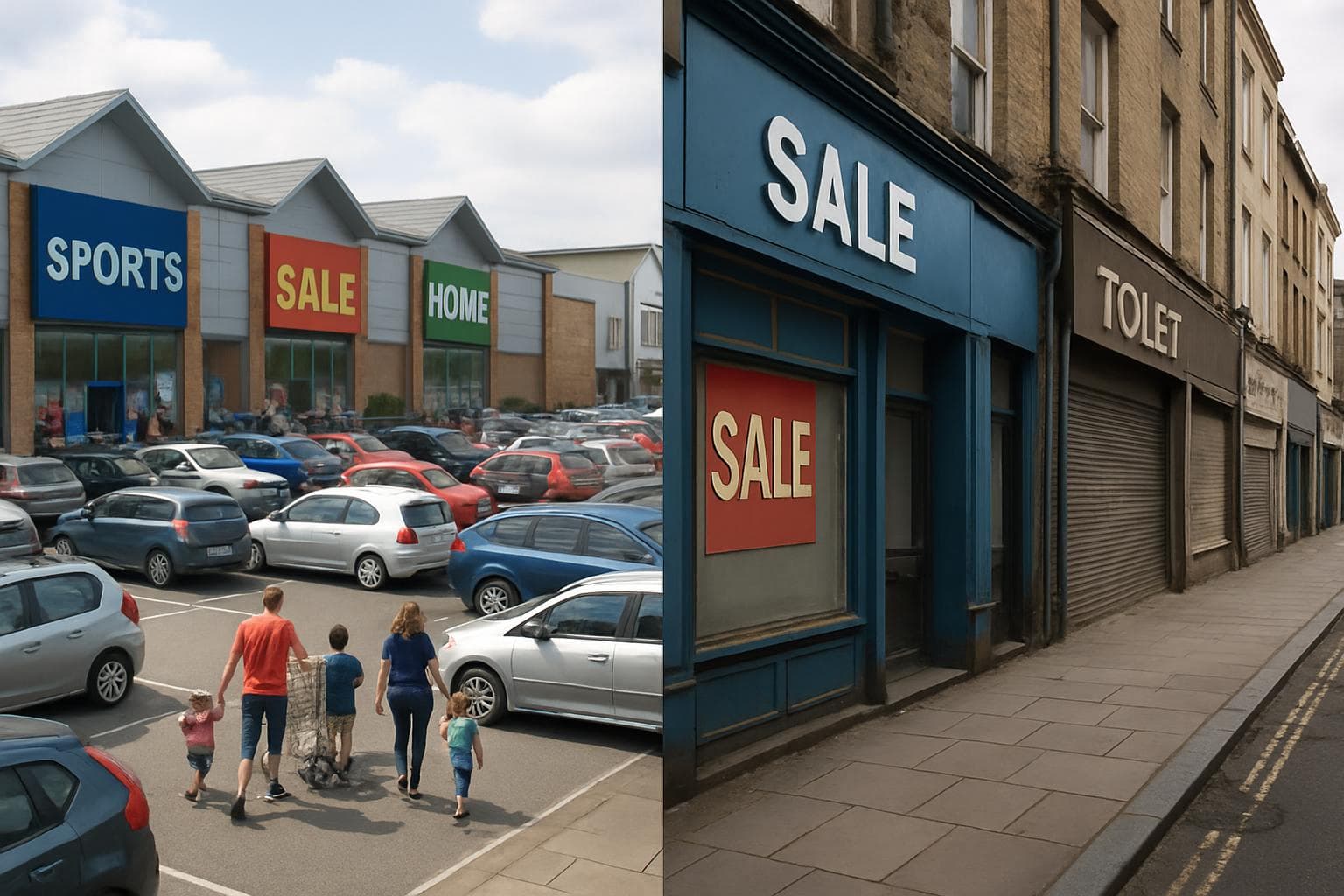
The traditional Boxing Day sales in the UK have experienced a notable decline in footfall, with fewer shoppers visiting high streets and shopping centres. According to MRI Software, footfall on UK high streets fell by 1.5% compared to the previous year, while shopping centres saw a 0.6% decrease. In contrast, retail parks reported a 6.9% increase in visitors, highlighting a shift towards more convenient shopping options.
Barclays predicts that consumer spending during this year's Boxing Day sales will reach £3.6 billion, a significant drop from the £4.6 billion forecasted in 2024. This decline is attributed to the ongoing cost of living crisis and the growing preference for online shopping. Karen Johnson, head of retail at Barclays, noted that consumers have been cost-conscious throughout the year, a trend that is likely to continue into the festive season.
The changing retail landscape is further evidenced by the decision of major retailers such as Marks & Spencer, Next, and John Lewis to keep their doors closed on Boxing Day. This move reflects a broader strategy to adapt to evolving consumer behaviors and the increasing popularity of online sales.
Despite the overall decline, retail parks have emerged as a bright spot, with their accessibility and free parking attracting more visitors. Jenni Matthews, marketing and insights director at MRI, described the increase in retail park footfall as an "encouraging start to Boxing Day," suggesting that shoppers are seeking convenience and early bargains.
The shift in consumer habits is also influenced by rising living costs and stagnant wages. Shoppers like Sharon Chambers and Emmanuele Narciso expressed concerns about financial constraints, with Narciso noting the difficulty of coping with price increases. Retailers are now focusing on creating unique shopping experiences to draw consumers away from the comfort of online shopping.
WHAT THIS MIGHT MEAN
The decline in Boxing Day footfall and spending could have lasting implications for the retail sector. As consumers continue to grapple with the cost of living crisis, retailers may need to further adapt their strategies to meet changing demands. This could involve enhancing online platforms, offering more personalized shopping experiences, or expanding the appeal of retail parks.
The closure of major stores on Boxing Day might signal a shift towards more flexible retail operations, potentially leading to a reevaluation of traditional sales events. Retailers may increasingly focus on digital sales channels, leveraging data analytics to better understand consumer preferences and optimize inventory.
Experts suggest that the retail industry must innovate to remain competitive, particularly as economic pressures persist. By embracing technology and prioritizing customer experience, retailers can navigate the challenges posed by evolving shopping habits and economic uncertainties.
Related Articles
Trump's New Tariff Strategy Sparks Global Trade Uncertainty
US Supreme Court Ruling on Tariffs Sparks Uncertainty for UK and Global Trade

Canada and Australia Forge Strategic Partnership Amid Global Uncertainty

UK Government to Reform Asylum Seeker Support and Employment Policies

Middle East Conflict Drives UK Energy Prices to New Highs

UK Faces Dilemmas Amid Iran Conflict and China Spying Allegations
UK Boxing Day Sales See Decline as Shoppers Opt for Online and Retail Parks
In This Article
 Daniel Rivera| Published
 HIGHLIGHTS
- Boxing Day footfall in UK high streets and shopping centres declined, with a 1.5% drop compared to 2024.
- Retail parks saw a 6.9% increase in visitors, indicating a shift in consumer preferences towards convenience.
- Barclays forecasts a decrease in Boxing Day spending to £3.6 billion, down from £4.6 billion in 2024.
- Major retailers like Marks & Spencer and Next remained closed on Boxing Day, reflecting changing retail strategies.
- Rising living costs and the convenience of online shopping are reshaping traditional shopping habits.
The traditional Boxing Day sales in the UK have experienced a notable decline in footfall, with fewer shoppers visiting high streets and shopping centres. According to MRI Software, footfall on UK high streets fell by 1.5% compared to the previous year, while shopping centres saw a 0.6% decrease. In contrast, retail parks reported a 6.9% increase in visitors, highlighting a shift towards more convenient shopping options.
Barclays predicts that consumer spending during this year's Boxing Day sales will reach £3.6 billion, a significant drop from the £4.6 billion forecasted in 2024. This decline is attributed to the ongoing cost of living crisis and the growing preference for online shopping. Karen Johnson, head of retail at Barclays, noted that consumers have been cost-conscious throughout the year, a trend that is likely to continue into the festive season.
The changing retail landscape is further evidenced by the decision of major retailers such as Marks & Spencer, Next, and John Lewis to keep their doors closed on Boxing Day. This move reflects a broader strategy to adapt to evolving consumer behaviors and the increasing popularity of online sales.
Despite the overall decline, retail parks have emerged as a bright spot, with their accessibility and free parking attracting more visitors. Jenni Matthews, marketing and insights director at MRI, described the increase in retail park footfall as an "encouraging start to Boxing Day," suggesting that shoppers are seeking convenience and early bargains.
The shift in consumer habits is also influenced by rising living costs and stagnant wages. Shoppers like Sharon Chambers and Emmanuele Narciso expressed concerns about financial constraints, with Narciso noting the difficulty of coping with price increases. Retailers are now focusing on creating unique shopping experiences to draw consumers away from the comfort of online shopping.
WHAT THIS MIGHT MEAN
The decline in Boxing Day footfall and spending could have lasting implications for the retail sector. As consumers continue to grapple with the cost of living crisis, retailers may need to further adapt their strategies to meet changing demands. This could involve enhancing online platforms, offering more personalized shopping experiences, or expanding the appeal of retail parks.
The closure of major stores on Boxing Day might signal a shift towards more flexible retail operations, potentially leading to a reevaluation of traditional sales events. Retailers may increasingly focus on digital sales channels, leveraging data analytics to better understand consumer preferences and optimize inventory.
Experts suggest that the retail industry must innovate to remain competitive, particularly as economic pressures persist. By embracing technology and prioritizing customer experience, retailers can navigate the challenges posed by evolving shopping habits and economic uncertainties.
Related Articles
Trump's New Tariff Strategy Sparks Global Trade Uncertainty
US Supreme Court Ruling on Tariffs Sparks Uncertainty for UK and Global Trade
Canada and Australia Forge Strategic Partnership Amid Global Uncertainty
UK Government to Reform Asylum Seeker Support and Employment Policies
Middle East Conflict Drives UK Energy Prices to New Highs
UK Faces Dilemmas Amid Iran Conflict and China Spying Allegations