
UK Budget 2025: Balancing Act Between Relief and New Tax Burdens
In This Article
HIGHLIGHTS
- Chancellor Rachel Reeves announced the UK budget, featuring a minimum wage increase and the lifting of the two-child benefit cap.
- New taxes include a pay-per-mile charge on electric vehicles and higher taxes on homes valued over £2 million.
- Changes to voluntary national insurance contributions will affect UK state pension entitlements for those living abroad.
- The state pension will rise by 4.8% in April, aligning with average wage increases.
- Public reactions are mixed, with some praising the measures for aiding low-income families, while others criticize the increased tax burdens.
The UK government's latest budget, unveiled by Chancellor Rachel Reeves, has sparked a mix of praise and criticism as it outlines significant changes to taxation and spending. Key measures include a rise in the minimum wage, the removal of the two-child benefit cap, and new taxes on high-value properties and electric vehicles.
Minimum Wage and Benefit Cap Adjustments
Effective from April, the minimum wage for those over 21 will increase by 4.1%, rising from £12.21 to £12.71 per hour. This move aims to alleviate the cost of living pressures, though some, like apprentice Fred Dolman, express skepticism about its sufficiency. "It will help me a bit but it's not going to make me rich," Dolman remarked.
The budget also lifts the two-child benefit cap, a policy that has been linked to increased poverty rates among larger families since its inception in 2017. Kate Townsend-Blazier, a family services manager, welcomed this change, noting it would provide "a little bit more stability and improve their outcomes."
New Tax Measures and Pension Changes
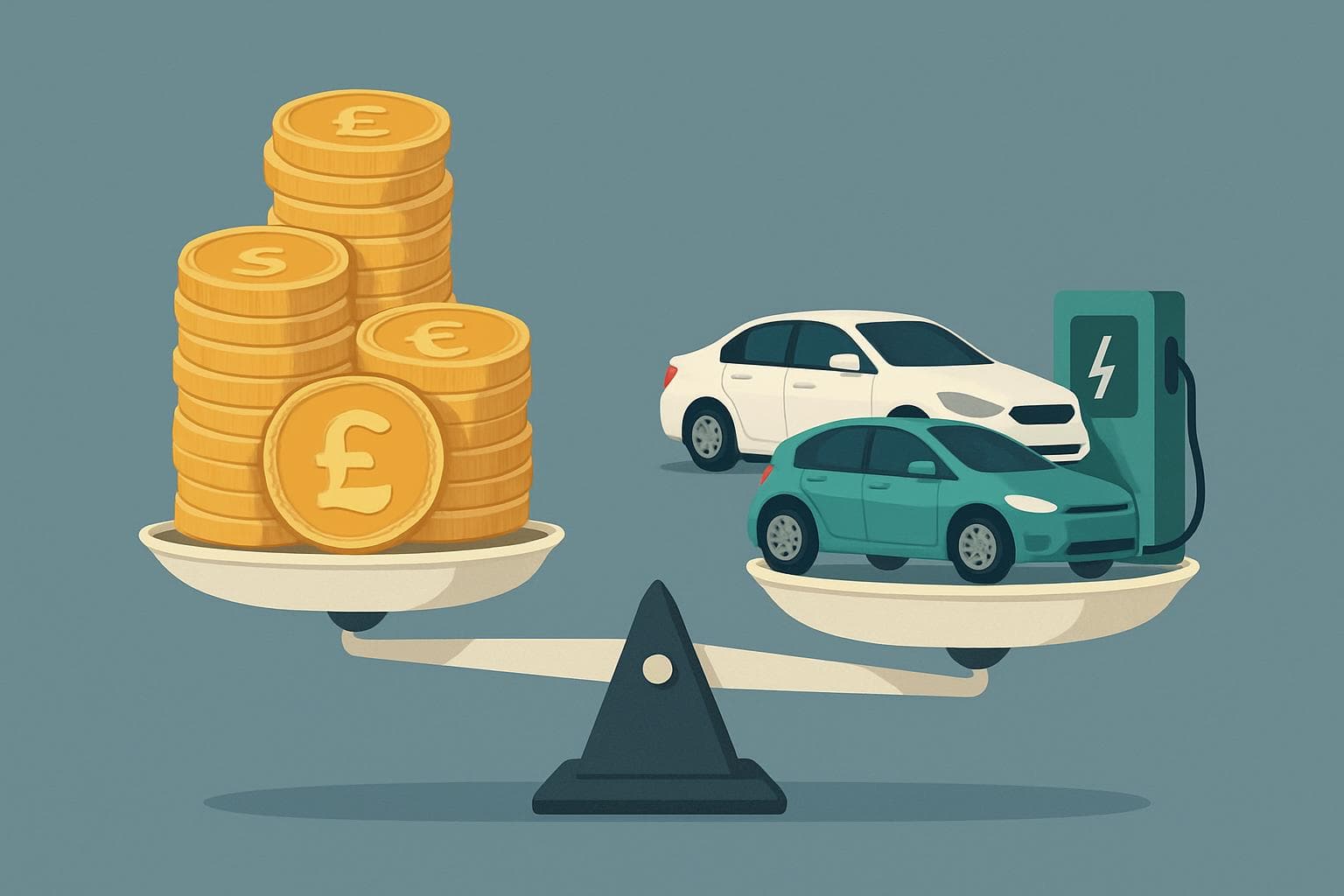
Among the new tax measures is a pay-per-mile charge on electric vehicles, set to begin in April 2028. This tax will be calculated based on annual mileage, with drivers required to estimate and pay upfront, adjusting payments based on actual mileage at year-end.
The budget also introduces changes to voluntary national insurance contributions, impacting those building UK state pension entitlements while living abroad. From April 2026, cheaper class 2 contributions will be replaced by more expensive class 3 contributions, costing £17.75 per week. Despite the increase, former pensions minister Steve Webb described class 3 as "exceptional value for money."
Public Reactions and Economic Implications
Public response to the budget is divided. Sarah Smith from Sheerness expressed frustration, feeling the budget gives with one hand and takes with the other. Meanwhile, business owners like Ismail Agirbas, who runs The Beano Cafe, voiced concerns about the lack of support for local businesses, emphasizing the need for more services to attract customers to high streets.
WHAT THIS MIGHT MEAN
The budget's mixed reception highlights the challenges the government faces in balancing fiscal responsibility with public welfare. The increase in minimum wage and removal of the two-child benefit cap could provide much-needed relief to low-income families, potentially reducing poverty rates. However, the introduction of new taxes, particularly on electric vehicles, may face resistance, especially as the UK pushes towards greener transportation solutions.
Looking ahead, the government's ability to implement these changes effectively will be crucial. The consultation process for the electric vehicle tax may lead to adjustments, reflecting public and industry feedback. Additionally, the impact of pension contribution changes on expatriates could prompt further discussions on international pension rights and entitlements. As these measures unfold, their success will largely depend on the government's responsiveness to public and economic feedback.
Related Articles
Middle East Conflict Drives UK Energy Prices to New Highs

Trump's New Tariff Strategy Sparks Global Trade Uncertainty

Canada and Australia Forge Strategic Partnership Amid Global Uncertainty

UK Government to Reform Asylum Seeker Support and Employment Policies

UK Faces Dilemmas Amid Iran Conflict and China Spying Allegations

UK Reinforces Military Presence in Cyprus Amid Middle East Tensions
UK Budget 2025: Balancing Act Between Relief and New Tax Burdens
In This Article
 Daniel Rivera| Published
 HIGHLIGHTS
- Chancellor Rachel Reeves announced the UK budget, featuring a minimum wage increase and the lifting of the two-child benefit cap.
- New taxes include a pay-per-mile charge on electric vehicles and higher taxes on homes valued over £2 million.
- Changes to voluntary national insurance contributions will affect UK state pension entitlements for those living abroad.
- The state pension will rise by 4.8% in April, aligning with average wage increases.
- Public reactions are mixed, with some praising the measures for aiding low-income families, while others criticize the increased tax burdens.
The UK government's latest budget, unveiled by Chancellor Rachel Reeves, has sparked a mix of praise and criticism as it outlines significant changes to taxation and spending. Key measures include a rise in the minimum wage, the removal of the two-child benefit cap, and new taxes on high-value properties and electric vehicles.
Minimum Wage and Benefit Cap Adjustments
Effective from April, the minimum wage for those over 21 will increase by 4.1%, rising from £12.21 to £12.71 per hour. This move aims to alleviate the cost of living pressures, though some, like apprentice Fred Dolman, express skepticism about its sufficiency. "It will help me a bit but it's not going to make me rich," Dolman remarked.
The budget also lifts the two-child benefit cap, a policy that has been linked to increased poverty rates among larger families since its inception in 2017. Kate Townsend-Blazier, a family services manager, welcomed this change, noting it would provide "a little bit more stability and improve their outcomes."
New Tax Measures and Pension Changes
Among the new tax measures is a pay-per-mile charge on electric vehicles, set to begin in April 2028. This tax will be calculated based on annual mileage, with drivers required to estimate and pay upfront, adjusting payments based on actual mileage at year-end.
The budget also introduces changes to voluntary national insurance contributions, impacting those building UK state pension entitlements while living abroad. From April 2026, cheaper class 2 contributions will be replaced by more expensive class 3 contributions, costing £17.75 per week. Despite the increase, former pensions minister Steve Webb described class 3 as "exceptional value for money."
Public Reactions and Economic Implications
Public response to the budget is divided. Sarah Smith from Sheerness expressed frustration, feeling the budget gives with one hand and takes with the other. Meanwhile, business owners like Ismail Agirbas, who runs The Beano Cafe, voiced concerns about the lack of support for local businesses, emphasizing the need for more services to attract customers to high streets.
WHAT THIS MIGHT MEAN
The budget's mixed reception highlights the challenges the government faces in balancing fiscal responsibility with public welfare. The increase in minimum wage and removal of the two-child benefit cap could provide much-needed relief to low-income families, potentially reducing poverty rates. However, the introduction of new taxes, particularly on electric vehicles, may face resistance, especially as the UK pushes towards greener transportation solutions.
Looking ahead, the government's ability to implement these changes effectively will be crucial. The consultation process for the electric vehicle tax may lead to adjustments, reflecting public and industry feedback. Additionally, the impact of pension contribution changes on expatriates could prompt further discussions on international pension rights and entitlements. As these measures unfold, their success will largely depend on the government's responsiveness to public and economic feedback.
Related Articles
Middle East Conflict Drives UK Energy Prices to New Highs
Trump's New Tariff Strategy Sparks Global Trade Uncertainty
Canada and Australia Forge Strategic Partnership Amid Global Uncertainty
UK Government to Reform Asylum Seeker Support and Employment Policies
UK Faces Dilemmas Amid Iran Conflict and China Spying Allegations
UK Reinforces Military Presence in Cyprus Amid Middle East Tensions