
UK Budget 2025: Anticipated Tax Increases and Economic Implications
In This Article
HIGHLIGHTS
- UK Chancellor Rachel Reeves signals potential tax increases in the upcoming 26 November budget to address economic challenges.
- Northern Ireland's finance minister emphasizes the need for any tax hikes to be "fair and progressive," benefiting public services.
- The pound has weakened, and UK government bonds have strengthened in anticipation of fiscal tightening measures.
- Health unions in Northern Ireland are considering strike action if additional funding for health workers is not secured.
- Economists suggest that tax hikes could lead to lower interest rates, creating a "virtuous feedback loop" for the UK economy.
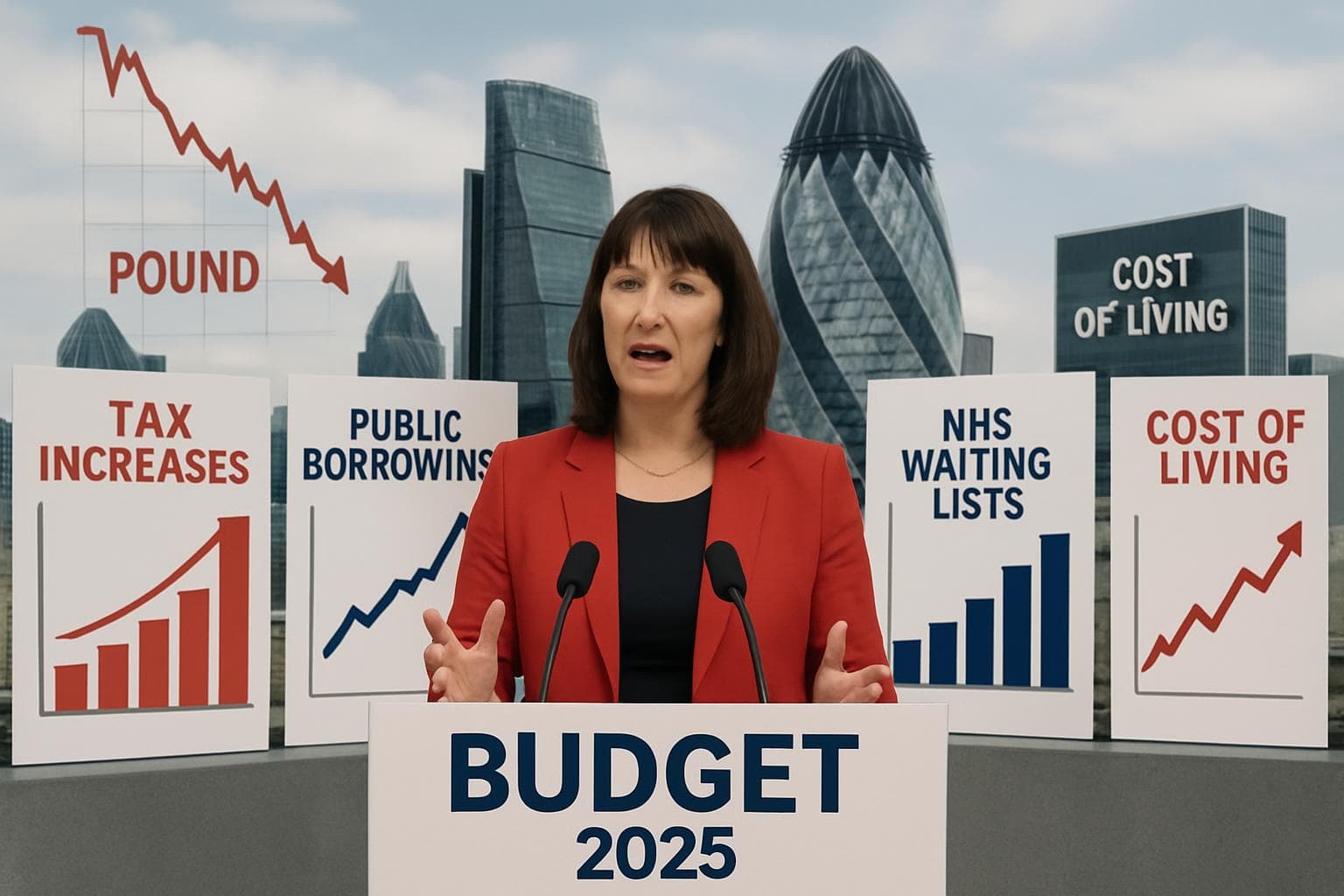
As the UK prepares for its upcoming budget announcement on 26 November, Chancellor Rachel Reeves has hinted at potential tax increases to address the country's economic challenges. In a recent speech, Reeves highlighted the need to tackle public borrowing, NHS waiting lists, and the cost of living, while acknowledging the fiscal constraints imposed by years of economic mismanagement.
Reeves' remarks have sparked significant market reactions, with the pound dropping to its lowest level since April and UK government bonds strengthening. The Chancellor's commitment to reducing inflation and public debt, even at the expense of Labour's previous manifesto commitments, signals a shift towards fiscal tightening. Economists, such as Andrew Wishart from Berenberg Bank, suggest that these measures could create a "virtuous feedback loop," potentially leading to lower interest rates.
Northern Ireland's Concerns
In Northern Ireland, Finance Minister John O'Dowd has called for any tax increases to be "fair and progressive," ensuring that the burden falls on those with "the broadest shoulders." O'Dowd emphasized the importance of investing in public services, particularly in light of ongoing discussions about funding for health workers. The Northern Ireland executive has already committed £100 million towards this year's pay deal, but an additional £100 million is still required. Health unions have warned of potential strike action if a resolution is not reached soon.
Economic and Political Implications
The anticipated budget changes have broader implications for the UK economy. Reeves' focus on cutting the national debt and maintaining government investment plans suggests a strategic approach to fiscal policy. While welfare reform and public sector productivity were mentioned, the prioritization of health and defense spending indicates that spending cuts may play a limited role in the upcoming budget.
WHAT THIS MIGHT MEAN
As the budget announcement approaches, the UK government faces critical decisions that could shape the country's economic landscape. If Reeves proceeds with tax increases, the impact on public services and the broader economy will be closely scrutinized. The potential for lower interest rates could provide some relief, but the balance between fiscal tightening and economic growth remains delicate.
In Northern Ireland, the outcome of funding negotiations for health workers will be pivotal. A failure to secure the necessary funds could lead to industrial action, further complicating the region's financial situation. As the UK navigates these challenges, the government's ability to implement effective fiscal policies will be crucial in maintaining economic stability and public confidence.
Related Articles
Middle East Conflict Drives UK Energy Prices to New Highs

UK Government to Reform Asylum Seeker Support and Employment Policies

Saharan Dust to Illuminate UK Skies with Vivid Sunrises and Sunsets
Persistent Safety Concerns in Nottingham Maternity Services Amidst Calls for Systemic Reform

Canada and Australia Forge Strategic Partnership Amid Global Uncertainty

UK Faces Dilemmas Amid Iran Conflict and China Spying Allegations
UK Budget 2025: Anticipated Tax Increases and Economic Implications
In This Article
 Daniel Rivera| Published
 HIGHLIGHTS
- UK Chancellor Rachel Reeves signals potential tax increases in the upcoming 26 November budget to address economic challenges.
- Northern Ireland's finance minister emphasizes the need for any tax hikes to be "fair and progressive," benefiting public services.
- The pound has weakened, and UK government bonds have strengthened in anticipation of fiscal tightening measures.
- Health unions in Northern Ireland are considering strike action if additional funding for health workers is not secured.
- Economists suggest that tax hikes could lead to lower interest rates, creating a "virtuous feedback loop" for the UK economy.
As the UK prepares for its upcoming budget announcement on 26 November, Chancellor Rachel Reeves has hinted at potential tax increases to address the country's economic challenges. In a recent speech, Reeves highlighted the need to tackle public borrowing, NHS waiting lists, and the cost of living, while acknowledging the fiscal constraints imposed by years of economic mismanagement.
Reeves' remarks have sparked significant market reactions, with the pound dropping to its lowest level since April and UK government bonds strengthening. The Chancellor's commitment to reducing inflation and public debt, even at the expense of Labour's previous manifesto commitments, signals a shift towards fiscal tightening. Economists, such as Andrew Wishart from Berenberg Bank, suggest that these measures could create a "virtuous feedback loop," potentially leading to lower interest rates.
Northern Ireland's Concerns
In Northern Ireland, Finance Minister John O'Dowd has called for any tax increases to be "fair and progressive," ensuring that the burden falls on those with "the broadest shoulders." O'Dowd emphasized the importance of investing in public services, particularly in light of ongoing discussions about funding for health workers. The Northern Ireland executive has already committed £100 million towards this year's pay deal, but an additional £100 million is still required. Health unions have warned of potential strike action if a resolution is not reached soon.
Economic and Political Implications
The anticipated budget changes have broader implications for the UK economy. Reeves' focus on cutting the national debt and maintaining government investment plans suggests a strategic approach to fiscal policy. While welfare reform and public sector productivity were mentioned, the prioritization of health and defense spending indicates that spending cuts may play a limited role in the upcoming budget.
WHAT THIS MIGHT MEAN
As the budget announcement approaches, the UK government faces critical decisions that could shape the country's economic landscape. If Reeves proceeds with tax increases, the impact on public services and the broader economy will be closely scrutinized. The potential for lower interest rates could provide some relief, but the balance between fiscal tightening and economic growth remains delicate.
In Northern Ireland, the outcome of funding negotiations for health workers will be pivotal. A failure to secure the necessary funds could lead to industrial action, further complicating the region's financial situation. As the UK navigates these challenges, the government's ability to implement effective fiscal policies will be crucial in maintaining economic stability and public confidence.
Related Articles
Middle East Conflict Drives UK Energy Prices to New Highs
UK Government to Reform Asylum Seeker Support and Employment Policies
Saharan Dust to Illuminate UK Skies with Vivid Sunrises and Sunsets
Persistent Safety Concerns in Nottingham Maternity Services Amidst Calls for Systemic Reform
Canada and Australia Forge Strategic Partnership Amid Global Uncertainty
UK Faces Dilemmas Amid Iran Conflict and China Spying Allegations