
UK Budget Leaks Spark Controversy Amid Labour's Strategic Challenges

In This Article
HIGHLIGHTS
- Speaker Sir Lindsay Hoyle criticized the UK government for Budget leaks, calling them a breach of the ministerial code.
- Chancellor Rachel Reeves faced internal Labour Party tensions over her Budget, which aimed to balance fiscal rules without austerity.
- The Office for Budget Responsibility accidentally leaked Budget details before Reeves' announcement, adding to the chaos.
- Labour MPs expressed concerns about the Budget's impact on party stability and market reactions.
- Reeves' Budget sought to address NHS waiting lists, national debt, and cost of living without increasing borrowing.
The recent UK Budget has become a focal point of controversy, with Speaker of the House of Commons Sir Lindsay Hoyle expressing deep disappointment over leaks that preceded the official announcement. Hoyle criticized the leaks as a breach of the ministerial code, suggesting that such actions would have previously led to resignations. "The Budget should be sacrosanct," Hoyle stated, emphasizing the importance of presenting it first to Members of Parliament rather than the media.
The leaks have not only raised questions about governmental protocol but have also impacted market stability, a concern echoed by Hoyle. In response, a spokesperson for HM Treasury maintained that the Office for Budget Responsibility (OBR) had adhered to established processes, despite the OBR's accidental early release of key Budget details.
Chancellor Rachel Reeves, who delivered the Budget, faced significant internal pressure within the Labour Party. Addressing Labour MPs, Reeves acknowledged that while not all measures might be popular, the Budget was designed to reflect Labour's core values. Her strategy focused on reducing NHS waiting lists, managing national debt, and alleviating the cost of living, all without resorting to austerity or increased borrowing.
However, the lead-up to the Budget was marred by speculation and leaks, creating a chaotic atmosphere. Labour MPs expressed anxiety over the potential for the Budget to destabilize the party, drawing parallels to past political missteps. The intertwining fates of Reeves and Labour leader Keir Starmer added to the high stakes, as both sought to reassure the public and financial markets of their economic competence.
WHAT THIS MIGHT MEAN
Looking ahead, the UK government faces the challenge of restoring trust in its Budget processes and addressing the fallout from the leaks. The Labour Party must navigate internal divisions and public perception to maintain stability and credibility. As the Budget's measures are implemented, their impact on the economy and public services will be closely scrutinized. Experts suggest that the government's ability to manage these dynamics will be crucial in shaping the political landscape and influencing future electoral outcomes.
Related Articles

Middle East Conflict Drives UK Energy Prices to New Highs
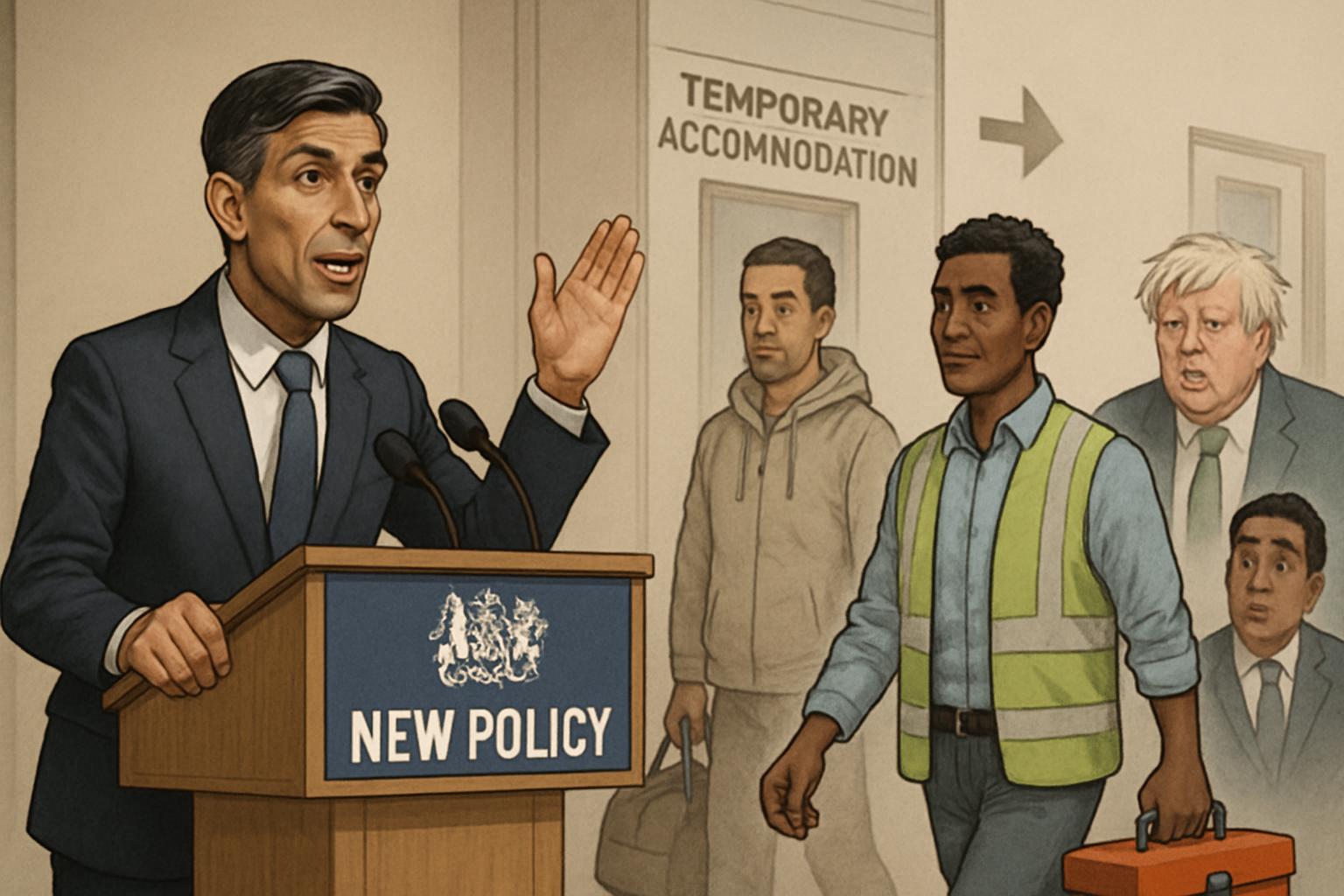
UK Government to Reform Asylum Seeker Support and Employment Policies

UK Faces Dilemmas Amid Iran Conflict and China Spying Allegations
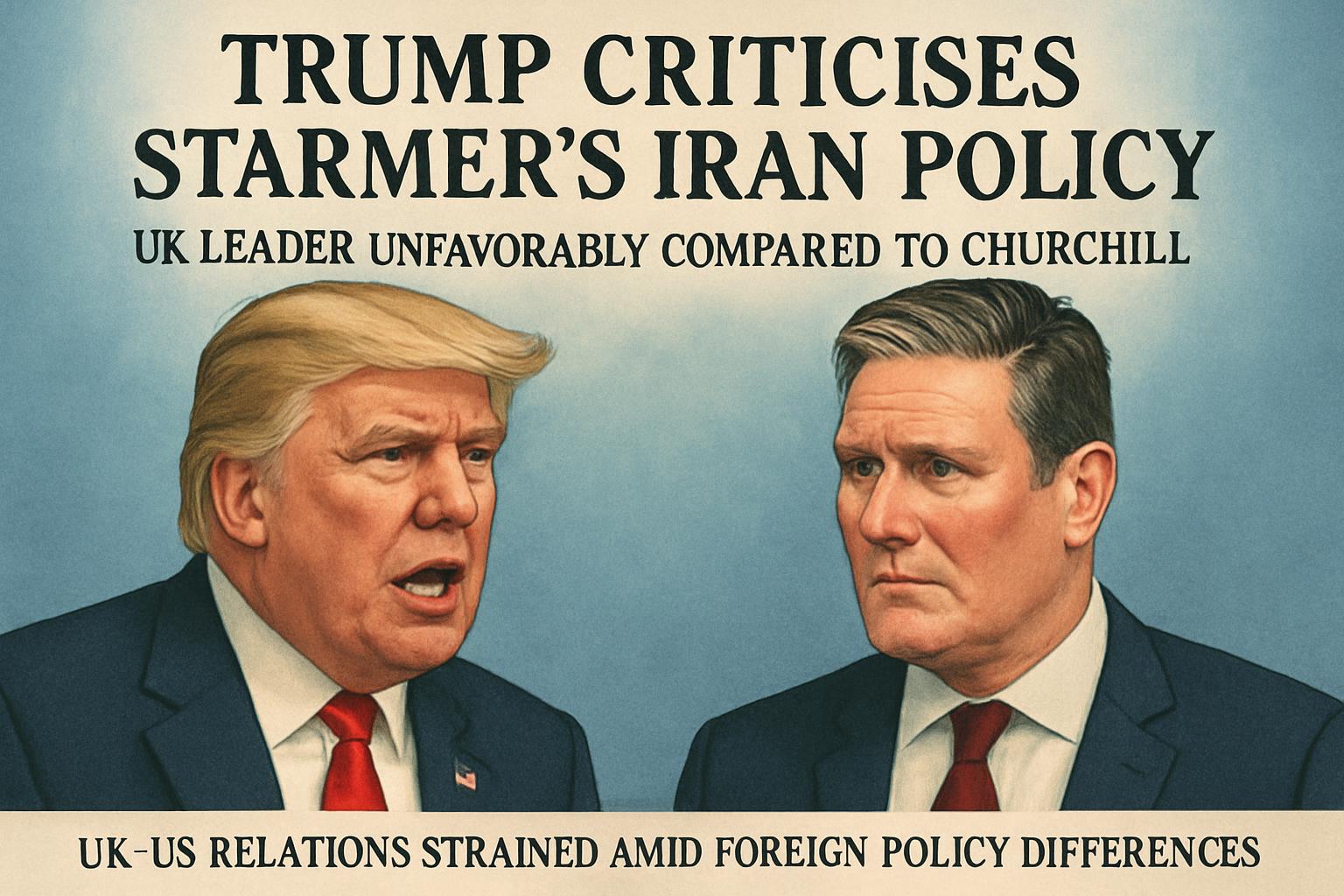
Diplomatic Tensions Rise as Trump Criticizes Starmer's Iran Policy

Labour MP's Husband Arrested in UK-China Espionage Probe

UK-Iran Tensions: Starmer Defends Cautious Approach Amid Trump Criticism
UK Budget Leaks Spark Controversy Amid Labour's Strategic Challenges
In This Article
 Daniel Rivera| Published
 HIGHLIGHTS
- Speaker Sir Lindsay Hoyle criticized the UK government for Budget leaks, calling them a breach of the ministerial code.
- Chancellor Rachel Reeves faced internal Labour Party tensions over her Budget, which aimed to balance fiscal rules without austerity.
- The Office for Budget Responsibility accidentally leaked Budget details before Reeves' announcement, adding to the chaos.
- Labour MPs expressed concerns about the Budget's impact on party stability and market reactions.
- Reeves' Budget sought to address NHS waiting lists, national debt, and cost of living without increasing borrowing.
The recent UK Budget has become a focal point of controversy, with Speaker of the House of Commons Sir Lindsay Hoyle expressing deep disappointment over leaks that preceded the official announcement. Hoyle criticized the leaks as a breach of the ministerial code, suggesting that such actions would have previously led to resignations. "The Budget should be sacrosanct," Hoyle stated, emphasizing the importance of presenting it first to Members of Parliament rather than the media.
The leaks have not only raised questions about governmental protocol but have also impacted market stability, a concern echoed by Hoyle. In response, a spokesperson for HM Treasury maintained that the Office for Budget Responsibility (OBR) had adhered to established processes, despite the OBR's accidental early release of key Budget details.
Chancellor Rachel Reeves, who delivered the Budget, faced significant internal pressure within the Labour Party. Addressing Labour MPs, Reeves acknowledged that while not all measures might be popular, the Budget was designed to reflect Labour's core values. Her strategy focused on reducing NHS waiting lists, managing national debt, and alleviating the cost of living, all without resorting to austerity or increased borrowing.
However, the lead-up to the Budget was marred by speculation and leaks, creating a chaotic atmosphere. Labour MPs expressed anxiety over the potential for the Budget to destabilize the party, drawing parallels to past political missteps. The intertwining fates of Reeves and Labour leader Keir Starmer added to the high stakes, as both sought to reassure the public and financial markets of their economic competence.
WHAT THIS MIGHT MEAN
Looking ahead, the UK government faces the challenge of restoring trust in its Budget processes and addressing the fallout from the leaks. The Labour Party must navigate internal divisions and public perception to maintain stability and credibility. As the Budget's measures are implemented, their impact on the economy and public services will be closely scrutinized. Experts suggest that the government's ability to manage these dynamics will be crucial in shaping the political landscape and influencing future electoral outcomes.
Related Articles
Middle East Conflict Drives UK Energy Prices to New Highs
UK Government to Reform Asylum Seeker Support and Employment Policies
UK Faces Dilemmas Amid Iran Conflict and China Spying Allegations
Diplomatic Tensions Rise as Trump Criticizes Starmer's Iran Policy
Labour MP's Husband Arrested in UK-China Espionage Probe
UK-Iran Tensions: Starmer Defends Cautious Approach Amid Trump Criticism