
UK and China Seek Diplomatic Thaw with Trade and Sanctions Breakthroughs
In This Article
HIGHLIGHTS
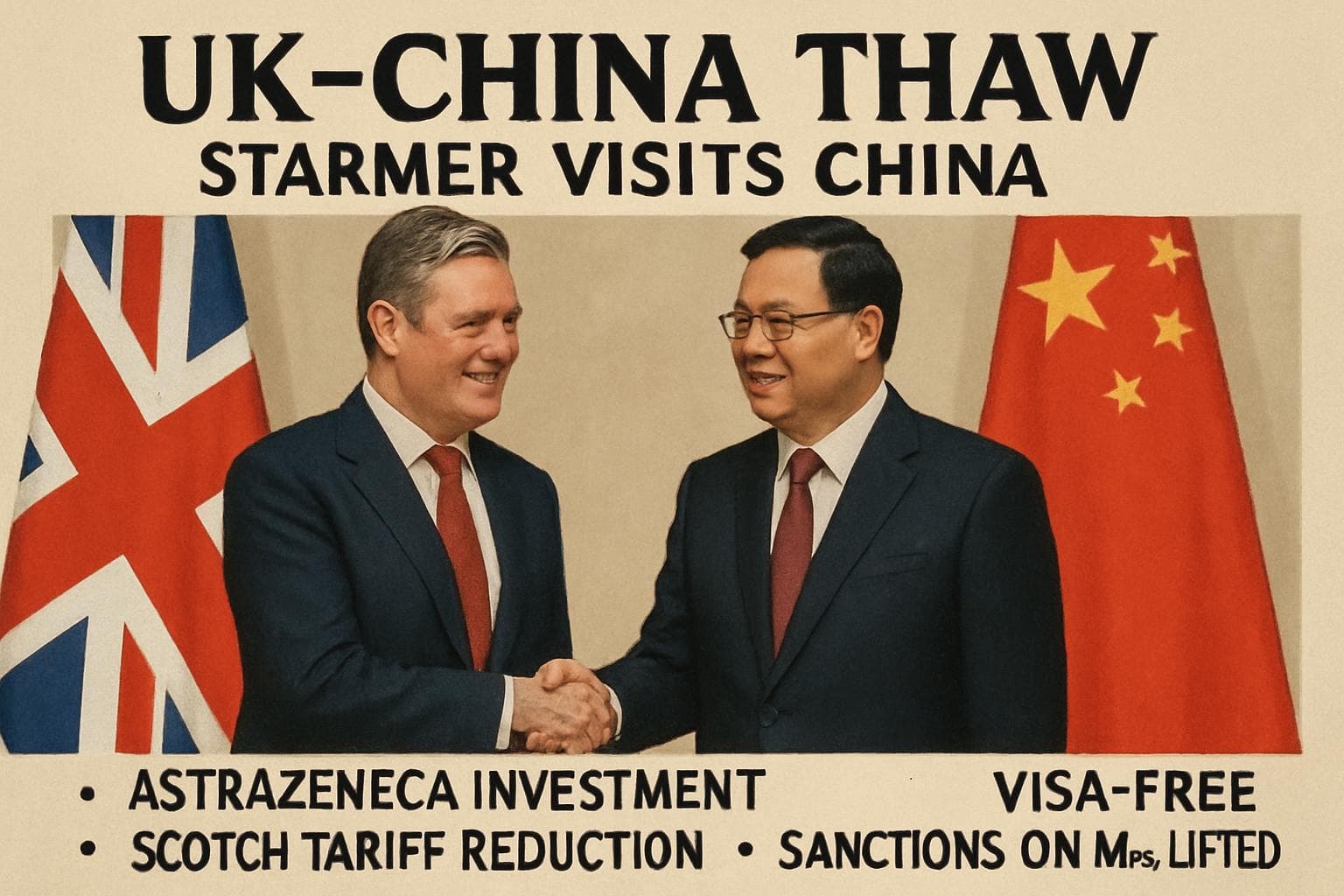
- UK Prime Minister Keir Starmer's visit to China signals a thaw in diplomatic relations, focusing on trade and investment opportunities.
- China lifted sanctions on six British MPs and peers, a move seen as a diplomatic win for Starmer, though some MPs remain critical.
- AstraZeneca announced a $15 billion investment in China, marking its largest commitment to the country to date.
- A new agreement will halve tariffs on Scotch whisky, potentially boosting the UK economy by £250 million over five years.
- Visa-free travel for British citizens to China was agreed upon, though the start date remains undecided.
In a significant diplomatic development, UK Prime Minister Keir Starmer's visit to China has marked a potential end to the frosty relations between the two nations. The visit, the first by a UK prime minister since Theresa May in 2018, focused on enhancing trade and investment ties amid domestic economic pressures faced by both countries.
Economic Engagement and Trade Deals
During the visit, several key agreements were reached, including a substantial $15 billion investment by AstraZeneca in China over the next four years. This investment aims to expand research and manufacturing capabilities, underscoring the pharmaceutical giant's commitment to the Chinese market. Additionally, British firm Octopus Energy announced its entry into China through a partnership with PCG Power to develop a digital platform for electricity trading, aligning with China's renewable energy goals.
One of the most notable trade agreements was the halving of tariffs on Scotch whisky, a move expected to generate £250 million for the UK economy over five years. "Our whisky distilleries are the jewel in Scotland's crown," Starmer remarked, emphasizing the benefits of pragmatic international engagement.
Sanctions Lifted on British MPs
In a move signaling improved diplomatic relations, China lifted sanctions on six British MPs and peers. These sanctions, imposed in 2021, targeted individuals critical of China's human rights record, particularly concerning the Uyghur community. While Starmer hailed the lifting of sanctions as a diplomatic success, the affected parliamentarians expressed dissatisfaction, noting that other individuals remain under sanction.
Visa-Free Travel and Future Prospects
The visit also resulted in an agreement for visa-free travel for British citizens to China, aligning the UK with other major countries like France and Germany. However, the implementation date for this agreement is yet to be finalized.
Despite criticism from figures like US President Donald Trump, who labeled closer UK-China relations as "very dangerous," Starmer defended the engagement strategy. He argued that dialogue and cooperation are essential for addressing sensitive issues and capitalizing on economic opportunities.
WHAT THIS MIGHT MEAN
The recent developments between the UK and China could pave the way for a more collaborative future, with potential increases in trade and investment. However, the lifting of sanctions on select MPs may not fully resolve tensions, particularly concerning human rights issues. As the UK prepares to host the G20 summit in 2027, further diplomatic engagements could be on the horizon, potentially including a visit from President Xi Jinping. The evolving relationship will likely continue to be scrutinized by both domestic and international observers, especially in light of ongoing global geopolitical shifts.
Related Articles

UK Faces Dilemmas Amid Iran Conflict and China Spying Allegations
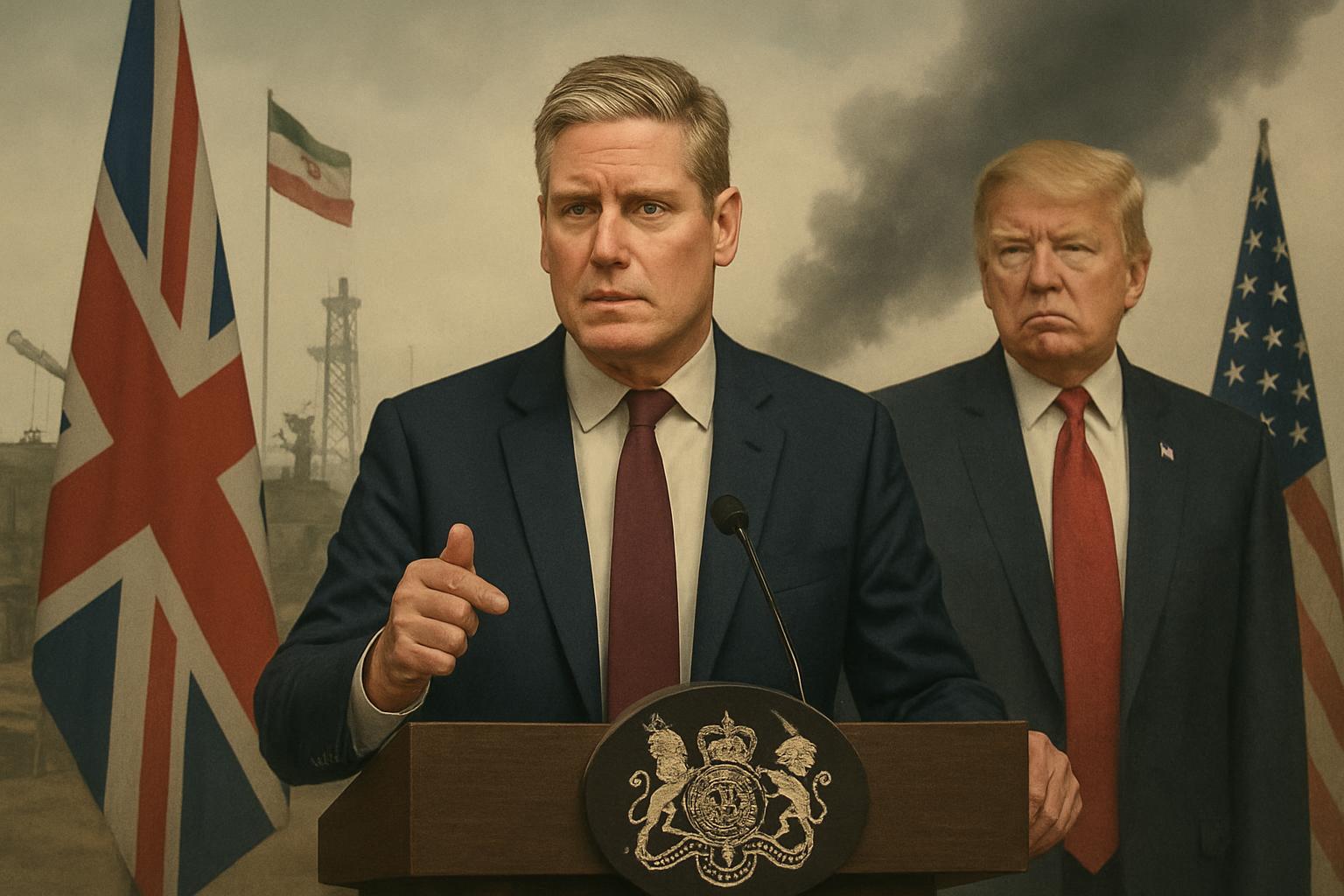
UK-Iran Tensions: Starmer Defends Cautious Approach Amid Trump Criticism

Labour MP's Husband Arrested in UK-China Espionage Probe

UK Government to Reform Asylum Seeker Support and Employment Policies
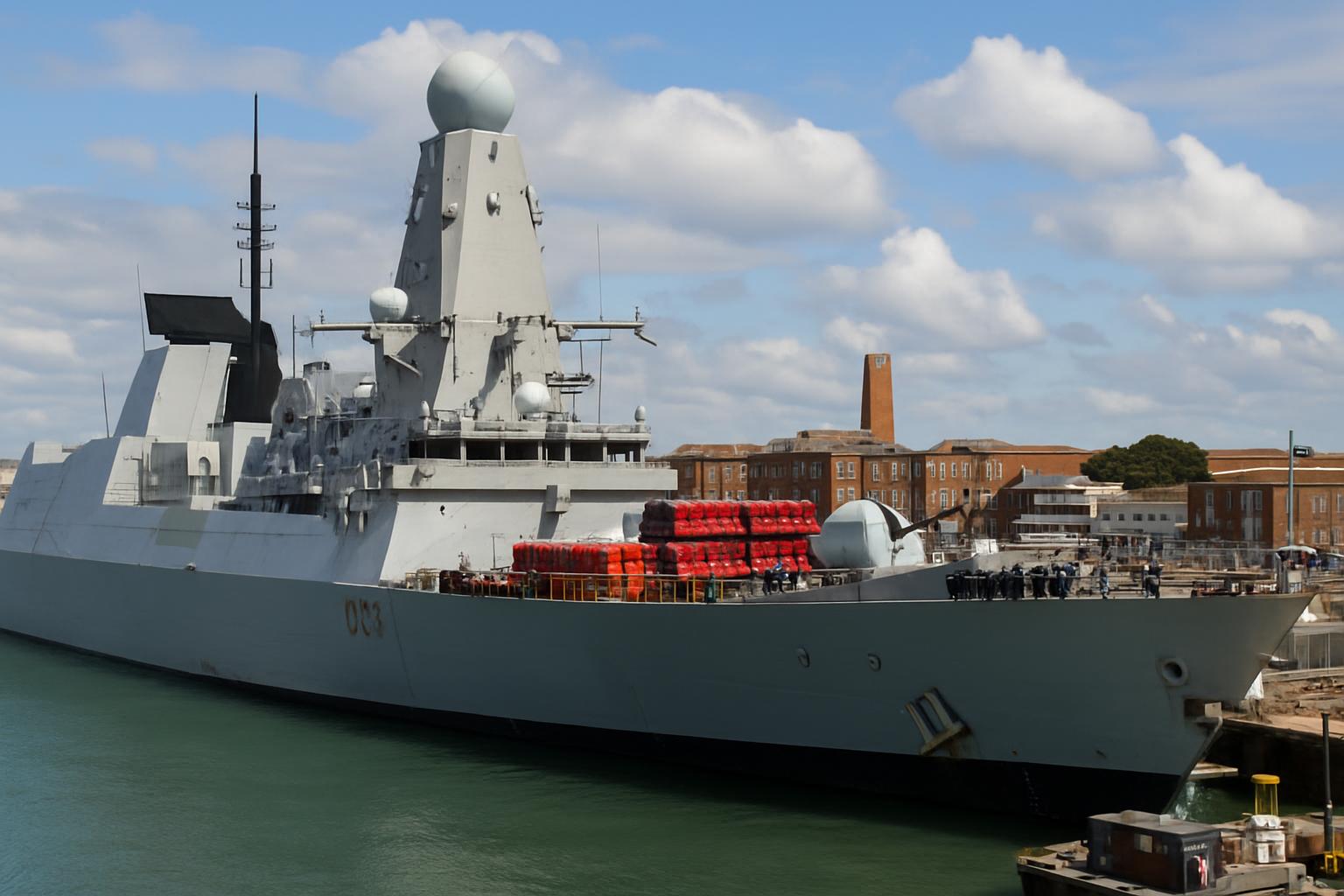
UK Reinforces Military Presence in Cyprus Amid Middle East Tensions

Police Federation Chief Arrested Amid Fraud Investigation
UK and China Seek Diplomatic Thaw with Trade and Sanctions Breakthroughs
In This Article
 Ethan Brooks| Published
 HIGHLIGHTS
- UK Prime Minister Keir Starmer's visit to China signals a thaw in diplomatic relations, focusing on trade and investment opportunities.
- China lifted sanctions on six British MPs and peers, a move seen as a diplomatic win for Starmer, though some MPs remain critical.
- AstraZeneca announced a $15 billion investment in China, marking its largest commitment to the country to date.
- A new agreement will halve tariffs on Scotch whisky, potentially boosting the UK economy by £250 million over five years.
- Visa-free travel for British citizens to China was agreed upon, though the start date remains undecided.
In a significant diplomatic development, UK Prime Minister Keir Starmer's visit to China has marked a potential end to the frosty relations between the two nations. The visit, the first by a UK prime minister since Theresa May in 2018, focused on enhancing trade and investment ties amid domestic economic pressures faced by both countries.
Economic Engagement and Trade Deals
During the visit, several key agreements were reached, including a substantial $15 billion investment by AstraZeneca in China over the next four years. This investment aims to expand research and manufacturing capabilities, underscoring the pharmaceutical giant's commitment to the Chinese market. Additionally, British firm Octopus Energy announced its entry into China through a partnership with PCG Power to develop a digital platform for electricity trading, aligning with China's renewable energy goals.
One of the most notable trade agreements was the halving of tariffs on Scotch whisky, a move expected to generate £250 million for the UK economy over five years. "Our whisky distilleries are the jewel in Scotland's crown," Starmer remarked, emphasizing the benefits of pragmatic international engagement.
Sanctions Lifted on British MPs
In a move signaling improved diplomatic relations, China lifted sanctions on six British MPs and peers. These sanctions, imposed in 2021, targeted individuals critical of China's human rights record, particularly concerning the Uyghur community. While Starmer hailed the lifting of sanctions as a diplomatic success, the affected parliamentarians expressed dissatisfaction, noting that other individuals remain under sanction.
Visa-Free Travel and Future Prospects
The visit also resulted in an agreement for visa-free travel for British citizens to China, aligning the UK with other major countries like France and Germany. However, the implementation date for this agreement is yet to be finalized.
Despite criticism from figures like US President Donald Trump, who labeled closer UK-China relations as "very dangerous," Starmer defended the engagement strategy. He argued that dialogue and cooperation are essential for addressing sensitive issues and capitalizing on economic opportunities.
WHAT THIS MIGHT MEAN
The recent developments between the UK and China could pave the way for a more collaborative future, with potential increases in trade and investment. However, the lifting of sanctions on select MPs may not fully resolve tensions, particularly concerning human rights issues. As the UK prepares to host the G20 summit in 2027, further diplomatic engagements could be on the horizon, potentially including a visit from President Xi Jinping. The evolving relationship will likely continue to be scrutinized by both domestic and international observers, especially in light of ongoing global geopolitical shifts.
Related Articles
UK Faces Dilemmas Amid Iran Conflict and China Spying Allegations
UK-Iran Tensions: Starmer Defends Cautious Approach Amid Trump Criticism
Labour MP's Husband Arrested in UK-China Espionage Probe
UK Government to Reform Asylum Seeker Support and Employment Policies
UK Reinforces Military Presence in Cyprus Amid Middle East Tensions
Police Federation Chief Arrested Amid Fraud Investigation