
Local Councils Grapple with Budget Deficits Amid Calls for Tax Increases
In This Article
HIGHLIGHTS
- East Sussex County Council faces a £54m deficit, with proposed savings of £3.1m affecting up to 150 staff members.
- County Durham's council tax exemption for low earners will be reduced, requiring most residents to pay at least 10% of their bills.
- Leicestershire County Council predicts a £23m budget gap, considering a 3% council tax rise to address financial challenges.
- Warwickshire County Council may increase council tax by 5% to maintain financial viability, despite Reform UK's election promises to cut costs.
- Reform UK-led councils face scrutiny for potential tax hikes, contradicting their campaign pledges to reduce council tax.
Local councils across England are facing significant financial challenges, prompting discussions on potential council tax increases to bridge budget deficits. East Sussex County Council is confronting a looming £54 million deficit, with proposed measures to save £3.1 million. These savings, however, fall short of the required amount, affecting up to 150 staff members. The council, led by a Conservative minority, awaits further funding details from the central government in December.
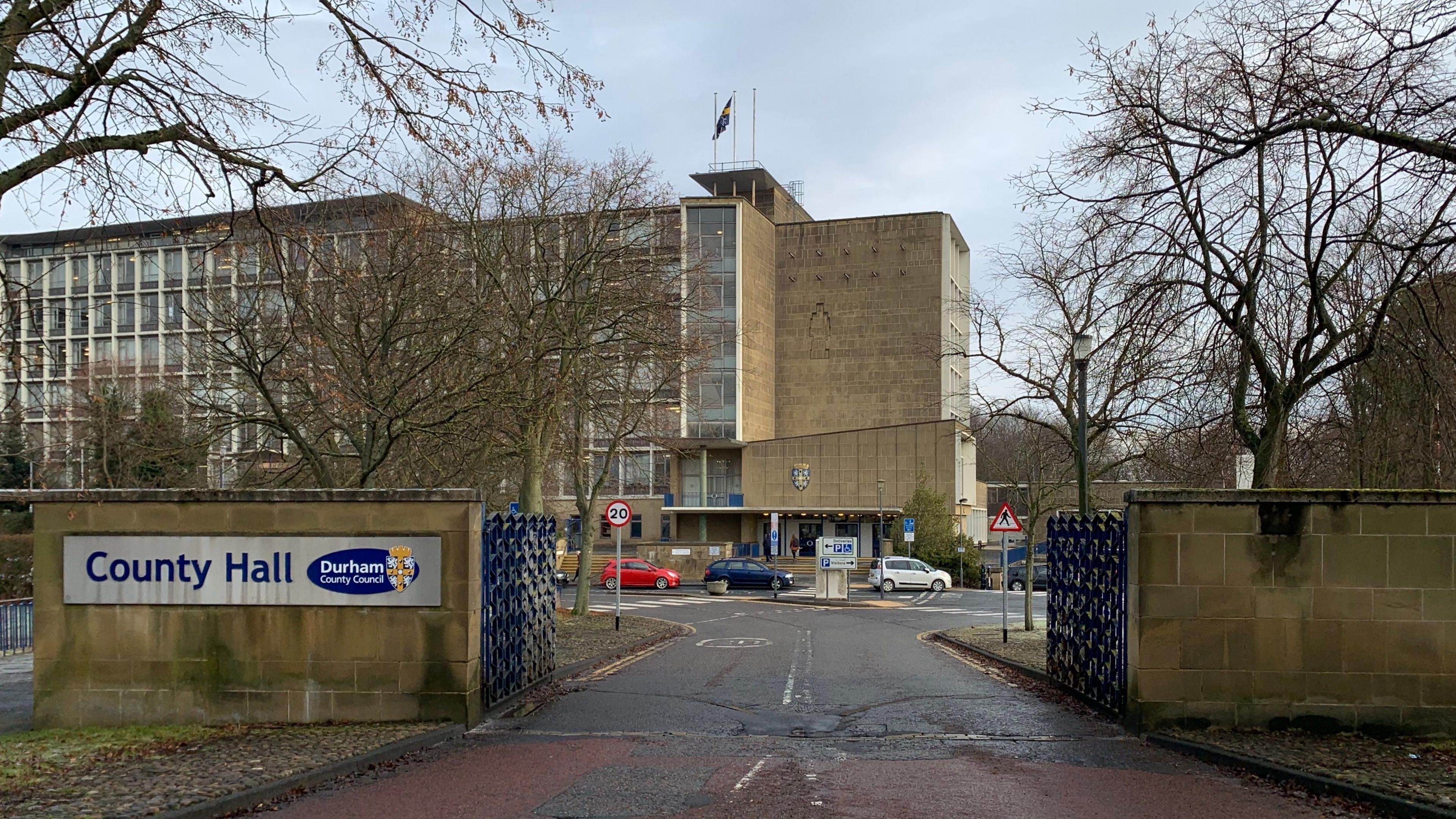
In County Durham, changes to the council tax discount scheme will see low-income residents paying at least 10% of their bills from April. The Reform-led local authority argues that these adjustments are necessary due to funding pressures. However, critics, including Liberal Democrat Councillor Mark Wilkes, warn of the adverse impact on vulnerable residents.
Leicestershire County Council is also under financial strain, with a predicted £23 million budget gap. The council, led by Reform UK, is considering a 3% council tax increase, though a 5% rise is permissible. Council leader Dan Harrison acknowledges the crisis but remains hopeful about managing the situation. An efficiency review has identified £1 million in savings, though the cost of the review itself was £1.4 million.
Warwickshire County Council faces similar challenges, with executives recommending a 5% council tax increase to ensure financial sustainability. Despite Reform UK's election promises to cut costs, the council's board warns that anything less than a 4.99% rise would jeopardize the authority's financial health. Opposition leaders have criticized Reform for making "rash promises" without fully understanding the financial realities.
Reform UK, which gained control of several local authorities in May, is under scrutiny for potential tax hikes that contradict their campaign pledges. Stephen Atkinson, a senior figure in Reform UK, has not ruled out council tax increases, emphasizing the need to adapt to current financial conditions.
WHAT THIS MIGHT MEAN
The financial challenges faced by these councils highlight the broader issue of local government funding in the UK. As councils await further details on government allocations, the potential for increased council tax remains a contentious topic. Should these tax hikes proceed, they could lead to public dissatisfaction, particularly among low-income residents who may struggle with the additional financial burden.
The situation also raises questions about the long-term sustainability of local government funding models. Experts suggest that without significant changes, councils may continue to face budget deficits, necessitating further cuts to public services. The ongoing debate underscores the need for a comprehensive review of local government financing to ensure that councils can meet the needs of their communities without resorting to unpopular tax increases.
Images from the Web

Related Articles

Reform UK Aims to Reshape Welsh Politics with New Manifesto
Government Unveils Ambitious Plan to Halve Attainment Gap in England's Schools

Starmer Condemns Reform UK's Plan to Repeal Equality Act as Un-British

Breakthrough Drug Offers Hope for Children with Severe Epilepsy

Saharan Dust to Illuminate UK Skies with Vivid Sunrises and Sunsets

Government Announces £4 Billion Overhaul of SEND Support in England
Local Councils Grapple with Budget Deficits Amid Calls for Tax Increases
In This Article
 Daniel Rivera| Published
 HIGHLIGHTS
- East Sussex County Council faces a £54m deficit, with proposed savings of £3.1m affecting up to 150 staff members.
- County Durham's council tax exemption for low earners will be reduced, requiring most residents to pay at least 10% of their bills.
- Leicestershire County Council predicts a £23m budget gap, considering a 3% council tax rise to address financial challenges.
- Warwickshire County Council may increase council tax by 5% to maintain financial viability, despite Reform UK's election promises to cut costs.
- Reform UK-led councils face scrutiny for potential tax hikes, contradicting their campaign pledges to reduce council tax.
Local councils across England are facing significant financial challenges, prompting discussions on potential council tax increases to bridge budget deficits. East Sussex County Council is confronting a looming £54 million deficit, with proposed measures to save £3.1 million. These savings, however, fall short of the required amount, affecting up to 150 staff members. The council, led by a Conservative minority, awaits further funding details from the central government in December.
In County Durham, changes to the council tax discount scheme will see low-income residents paying at least 10% of their bills from April. The Reform-led local authority argues that these adjustments are necessary due to funding pressures. However, critics, including Liberal Democrat Councillor Mark Wilkes, warn of the adverse impact on vulnerable residents.
Leicestershire County Council is also under financial strain, with a predicted £23 million budget gap. The council, led by Reform UK, is considering a 3% council tax increase, though a 5% rise is permissible. Council leader Dan Harrison acknowledges the crisis but remains hopeful about managing the situation. An efficiency review has identified £1 million in savings, though the cost of the review itself was £1.4 million.
Warwickshire County Council faces similar challenges, with executives recommending a 5% council tax increase to ensure financial sustainability. Despite Reform UK's election promises to cut costs, the council's board warns that anything less than a 4.99% rise would jeopardize the authority's financial health. Opposition leaders have criticized Reform for making "rash promises" without fully understanding the financial realities.
Reform UK, which gained control of several local authorities in May, is under scrutiny for potential tax hikes that contradict their campaign pledges. Stephen Atkinson, a senior figure in Reform UK, has not ruled out council tax increases, emphasizing the need to adapt to current financial conditions.
WHAT THIS MIGHT MEAN
The financial challenges faced by these councils highlight the broader issue of local government funding in the UK. As councils await further details on government allocations, the potential for increased council tax remains a contentious topic. Should these tax hikes proceed, they could lead to public dissatisfaction, particularly among low-income residents who may struggle with the additional financial burden.
The situation also raises questions about the long-term sustainability of local government funding models. Experts suggest that without significant changes, councils may continue to face budget deficits, necessitating further cuts to public services. The ongoing debate underscores the need for a comprehensive review of local government financing to ensure that councils can meet the needs of their communities without resorting to unpopular tax increases.
Images from the Web
Related Articles
Reform UK Aims to Reshape Welsh Politics with New Manifesto
Government Unveils Ambitious Plan to Halve Attainment Gap in England's Schools
Starmer Condemns Reform UK's Plan to Repeal Equality Act as Un-British
Breakthrough Drug Offers Hope for Children with Severe Epilepsy
Saharan Dust to Illuminate UK Skies with Vivid Sunrises and Sunsets
Government Announces £4 Billion Overhaul of SEND Support in England