
UK Councils Set for Significant Tax Increases Amid Financial Strain
In This Article
HIGHLIGHTS
- Worcestershire County Council is set to implement England's largest council tax rise at 9% following government approval.
- Bournemouth, Christchurch and Poole, and Windsor and Maidenhead councils can increase taxes by up to 6.75% and 7.5%, respectively.
- The UK government will clear £5bn of historical debts related to special educational needs (Send) services.
- Councils in economically deprived areas will receive an additional £440m in recovery grants.
- The tax hikes aim to address financial pressures on councils with historically low tax rates.
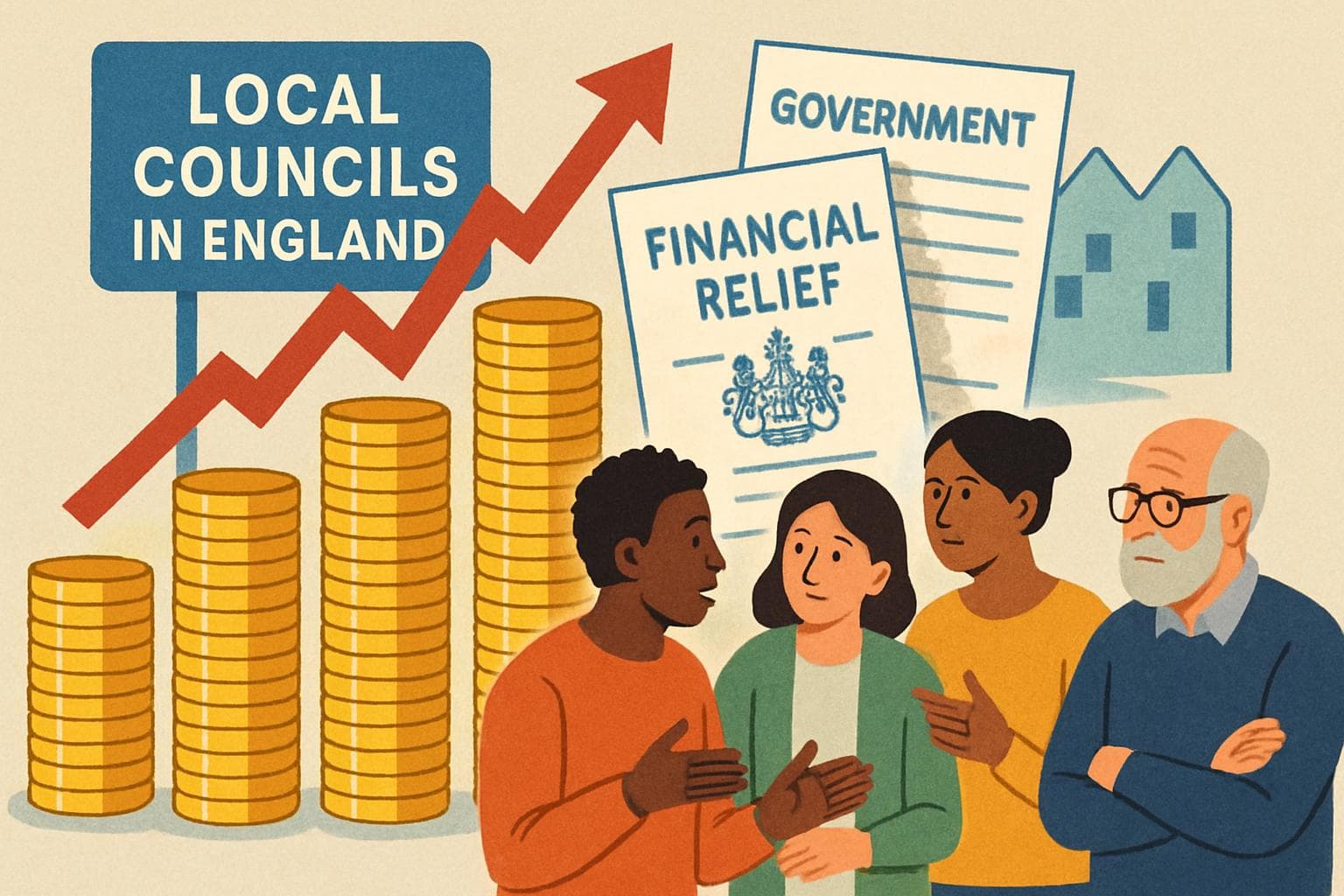
Several local authorities across England have been granted permission by the government to raise council tax rates beyond the standard 5% cap, as they grapple with mounting financial pressures. Worcestershire County Council is poised to implement the largest increase, with rates set to rise by up to 9% this April. This decision comes as part of a broader effort to address the financial challenges faced by councils with historically low tax rates.
Financial Pressures and Tax Increases
The Royal Borough of Windsor and Maidenhead, along with Bournemouth, Christchurch and Poole (BCP) councils, are among those allowed to exceed the cap, with potential increases of 7.5% and 6.75%, respectively. These measures are intended to alleviate budgetary constraints exacerbated by rising costs in social care and education services. Councillor Mike Fox of BCP Council acknowledged the necessity of the increase, stating, "Our finances remain tight and pressures on our frontline services continue."
Government Intervention and Debt Relief
In a significant move, the UK government has announced plans to clear approximately £5bn of historical debts accumulated by councils due to overspending on special educational needs and disability (Send) services. This intervention aims to prevent many councils from facing insolvency by 2028. Additionally, an extra £440m in recovery grants will be distributed to councils in economically deprived areas, addressing concerns from northern Labour MPs about funding disparities.
Local Reactions and Political Implications
The tax hikes have sparked political debate, particularly in Worcestershire, where the Reform-led council's decision has led to internal dissent. One local councillor has already resigned in protest, highlighting the tension between fiscal responsibility and political priorities. Despite these challenges, Alison McGovern, the local government minister, emphasized the government's commitment to making councils "agents of renewal in building a new, better country."
WHAT THIS MIGHT MEAN
The approval of these significant council tax increases reflects the ongoing financial strain on local authorities across England. As councils implement these changes, they must balance the immediate need for revenue with the potential backlash from residents and political stakeholders. The government's debt relief initiative for special educational needs services provides temporary respite, but long-term solutions will be necessary to address systemic funding issues. Future policy developments, including an anticipated white paper on Send services, will be crucial in shaping the financial landscape for local governments. As councils navigate these challenges, the focus will remain on ensuring sustainable funding models that can support essential public services.
Related Articles

Middle East Conflict Drives UK Energy Prices to New Highs

UK Government's SEND Reforms: A Critical Turning Point for Special Education

Government Announces £4 Billion Overhaul of SEND Support in England

UK Government Announces Major Overhaul of SEND System with £3.4 Billion Investment

Government Unveils Ambitious Plan to Halve Attainment Gap in England's Schools

UK Government Eases Deer Culling to Protect Woodlands and Farmland
UK Councils Set for Significant Tax Increases Amid Financial Strain
In This Article
 Daniel Rivera| Published
 HIGHLIGHTS
- Worcestershire County Council is set to implement England's largest council tax rise at 9% following government approval.
- Bournemouth, Christchurch and Poole, and Windsor and Maidenhead councils can increase taxes by up to 6.75% and 7.5%, respectively.
- The UK government will clear £5bn of historical debts related to special educational needs (Send) services.
- Councils in economically deprived areas will receive an additional £440m in recovery grants.
- The tax hikes aim to address financial pressures on councils with historically low tax rates.
Several local authorities across England have been granted permission by the government to raise council tax rates beyond the standard 5% cap, as they grapple with mounting financial pressures. Worcestershire County Council is poised to implement the largest increase, with rates set to rise by up to 9% this April. This decision comes as part of a broader effort to address the financial challenges faced by councils with historically low tax rates.
Financial Pressures and Tax Increases
The Royal Borough of Windsor and Maidenhead, along with Bournemouth, Christchurch and Poole (BCP) councils, are among those allowed to exceed the cap, with potential increases of 7.5% and 6.75%, respectively. These measures are intended to alleviate budgetary constraints exacerbated by rising costs in social care and education services. Councillor Mike Fox of BCP Council acknowledged the necessity of the increase, stating, "Our finances remain tight and pressures on our frontline services continue."
Government Intervention and Debt Relief
In a significant move, the UK government has announced plans to clear approximately £5bn of historical debts accumulated by councils due to overspending on special educational needs and disability (Send) services. This intervention aims to prevent many councils from facing insolvency by 2028. Additionally, an extra £440m in recovery grants will be distributed to councils in economically deprived areas, addressing concerns from northern Labour MPs about funding disparities.
Local Reactions and Political Implications
The tax hikes have sparked political debate, particularly in Worcestershire, where the Reform-led council's decision has led to internal dissent. One local councillor has already resigned in protest, highlighting the tension between fiscal responsibility and political priorities. Despite these challenges, Alison McGovern, the local government minister, emphasized the government's commitment to making councils "agents of renewal in building a new, better country."
WHAT THIS MIGHT MEAN
The approval of these significant council tax increases reflects the ongoing financial strain on local authorities across England. As councils implement these changes, they must balance the immediate need for revenue with the potential backlash from residents and political stakeholders. The government's debt relief initiative for special educational needs services provides temporary respite, but long-term solutions will be necessary to address systemic funding issues. Future policy developments, including an anticipated white paper on Send services, will be crucial in shaping the financial landscape for local governments. As councils navigate these challenges, the focus will remain on ensuring sustainable funding models that can support essential public services.
Related Articles
Middle East Conflict Drives UK Energy Prices to New Highs
UK Government's SEND Reforms: A Critical Turning Point for Special Education
Government Announces £4 Billion Overhaul of SEND Support in England
UK Government Announces Major Overhaul of SEND System with £3.4 Billion Investment
Government Unveils Ambitious Plan to Halve Attainment Gap in England's Schools
UK Government Eases Deer Culling to Protect Woodlands and Farmland