
UK Councils Struggle with SEND Funding Crisis Amid Rising Costs
In This Article
HIGHLIGHTS
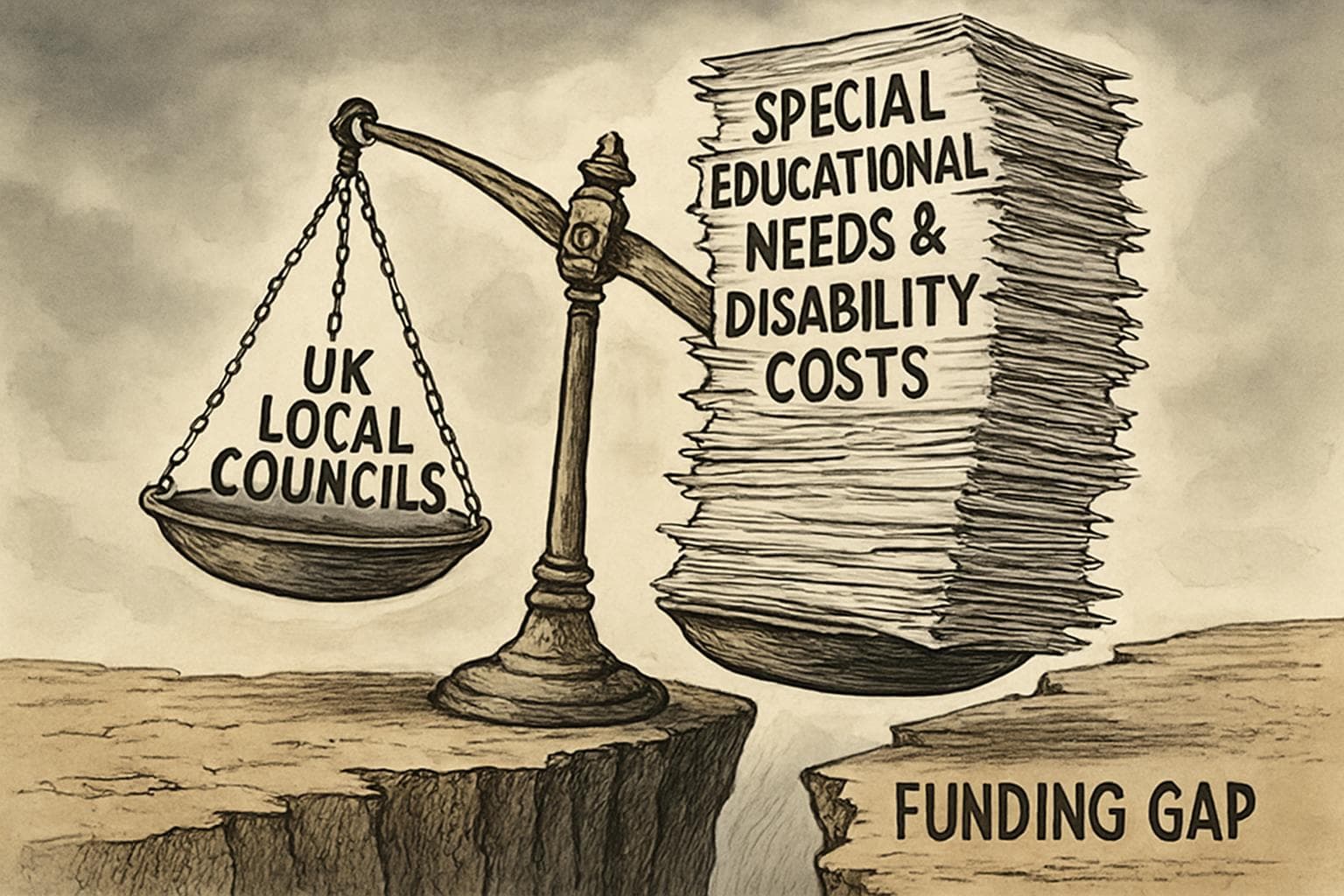
- The UK government's budget has been criticized for not addressing the financial strain on special educational needs and disability (SEND) support, with a £6bn funding gap projected by 2028.
- Local councils are facing significant budget deficits due to rising SEND costs, with some councils borrowing heavily to cover expenses.
- West Northamptonshire Council's home-to-school transport costs have surged to over £22m annually, reflecting a national trend of increasing transport expenses.
- The government plans to absorb SEND funding into its overall budget by 2028, but critics argue this does not solve immediate financial pressures.
- A white paper outlining reforms to the SEND system is expected in 2026, aiming to improve efficiency and reduce costs.
Local councils across England are grappling with escalating costs associated with special educational needs and disability (SEND) support, as the government's recent budget announcement fails to address a looming £6bn funding shortfall. The budget, presented by Chancellor Rachel Reeves, has drawn criticism for not providing immediate relief to councils burdened by increasing SEND expenses.
Financial Strain on Local Councils
Councils are currently relying on the Dedicated Schools Grant (DSG) to fund SEND provisions, but the rising costs have forced many into significant debt. Bournemouth Christchurch and Poole (BCP) Council, for example, reported an overspend of £69.8m this year alone. Liberal Democrat councillor Mike Cox described the budget as a "missed opportunity" to restore financial sustainability to the SEND system.
Rising Transport Costs
The financial strain extends beyond SEND provisions to home-to-school transport services. West Northamptonshire Council revealed that its transport costs have surged to over £22m this year, driven by increased demand. The council is exploring initiatives to manage these costs, including a virtual reality project to help SEND students use public transport.
Government's Long-Term Plans
The government has announced plans to fully incorporate SEND funding into its overall budget by 2028. However, critics argue that this does not address the immediate financial pressures faced by councils. A white paper detailing reforms to the SEND system is expected in 2026, with the aim of improving efficiency and reducing costs.
Calls for Clarity and Action
Ministers are under pressure to explain how they will address the £6bn funding gap projected by 2028. The Office for Budget Responsibility has highlighted this shortfall as a "significant fiscal risk." Education Secretary Bridget Phillipson has reassured MPs that the additional costs will not impact the core schools allocation, but concerns remain about the sustainability of the current system.
WHAT THIS MIGHT MEAN
The government's plan to absorb SEND funding into its overall budget by 2028 could provide long-term relief, but immediate financial challenges persist for local councils. The upcoming white paper on SEND reforms may offer solutions to improve efficiency and reduce costs, but its impact will depend on the specifics of the proposed changes. If the government fails to address the funding shortfall, councils may continue to face financial instability, potentially affecting the quality of SEND services. The situation underscores the need for a comprehensive strategy to ensure sustainable funding for special educational needs.
Images from the Web

Related Articles

Middle East Conflict Drives UK Energy Prices to New Highs

Conservatives Propose Interest Rate Cap on Student Loans Amid Growing Debt Concerns

UK Achieves Record Budget Surplus Amid Calls for Fiscal Policy Reform

UK Government Announces Major Overhaul of SEND System with £3.4 Billion Investment

Government Unveils Ambitious Plan to Halve Attainment Gap in England's Schools

Saharan Dust to Illuminate UK Skies with Vivid Sunrises and Sunsets
UK Councils Struggle with SEND Funding Crisis Amid Rising Costs
In This Article
 Daniel Rivera| Published
 HIGHLIGHTS
- The UK government's budget has been criticized for not addressing the financial strain on special educational needs and disability (SEND) support, with a £6bn funding gap projected by 2028.
- Local councils are facing significant budget deficits due to rising SEND costs, with some councils borrowing heavily to cover expenses.
- West Northamptonshire Council's home-to-school transport costs have surged to over £22m annually, reflecting a national trend of increasing transport expenses.
- The government plans to absorb SEND funding into its overall budget by 2028, but critics argue this does not solve immediate financial pressures.
- A white paper outlining reforms to the SEND system is expected in 2026, aiming to improve efficiency and reduce costs.
Local councils across England are grappling with escalating costs associated with special educational needs and disability (SEND) support, as the government's recent budget announcement fails to address a looming £6bn funding shortfall. The budget, presented by Chancellor Rachel Reeves, has drawn criticism for not providing immediate relief to councils burdened by increasing SEND expenses.
Financial Strain on Local Councils
Councils are currently relying on the Dedicated Schools Grant (DSG) to fund SEND provisions, but the rising costs have forced many into significant debt. Bournemouth Christchurch and Poole (BCP) Council, for example, reported an overspend of £69.8m this year alone. Liberal Democrat councillor Mike Cox described the budget as a "missed opportunity" to restore financial sustainability to the SEND system.
Rising Transport Costs
The financial strain extends beyond SEND provisions to home-to-school transport services. West Northamptonshire Council revealed that its transport costs have surged to over £22m this year, driven by increased demand. The council is exploring initiatives to manage these costs, including a virtual reality project to help SEND students use public transport.
Government's Long-Term Plans
The government has announced plans to fully incorporate SEND funding into its overall budget by 2028. However, critics argue that this does not address the immediate financial pressures faced by councils. A white paper detailing reforms to the SEND system is expected in 2026, with the aim of improving efficiency and reducing costs.
Calls for Clarity and Action
Ministers are under pressure to explain how they will address the £6bn funding gap projected by 2028. The Office for Budget Responsibility has highlighted this shortfall as a "significant fiscal risk." Education Secretary Bridget Phillipson has reassured MPs that the additional costs will not impact the core schools allocation, but concerns remain about the sustainability of the current system.
WHAT THIS MIGHT MEAN
The government's plan to absorb SEND funding into its overall budget by 2028 could provide long-term relief, but immediate financial challenges persist for local councils. The upcoming white paper on SEND reforms may offer solutions to improve efficiency and reduce costs, but its impact will depend on the specifics of the proposed changes. If the government fails to address the funding shortfall, councils may continue to face financial instability, potentially affecting the quality of SEND services. The situation underscores the need for a comprehensive strategy to ensure sustainable funding for special educational needs.
Images from the Web
Related Articles
Middle East Conflict Drives UK Energy Prices to New Highs
Conservatives Propose Interest Rate Cap on Student Loans Amid Growing Debt Concerns
UK Achieves Record Budget Surplus Amid Calls for Fiscal Policy Reform
UK Government Announces Major Overhaul of SEND System with £3.4 Billion Investment
Government Unveils Ambitious Plan to Halve Attainment Gap in England's Schools
Saharan Dust to Illuminate UK Skies with Vivid Sunrises and Sunsets