
UK Education Secretary Urges Action on School Attendance and Behaviour as New Term Begins
In This Article
HIGHLIGHTS
- Education Secretary Bridget Phillipson emphasizes the importance of school attendance, linking early absences to persistent absenteeism.
- Data shows a decline in persistent absence from 23% in 2021-22 to 18% in 2024-25, yet still above pre-Covid levels.
- West Northamptonshire Council seeks parental input on shaping alternative education, aiming for a new framework by 2026.
- A new UK government programme targets 800 schools to improve attendance and behaviour, with support from experienced headteachers.
- White working-class children face high suspension rates, with one in 10 on free school meals suspended in 2023-24.
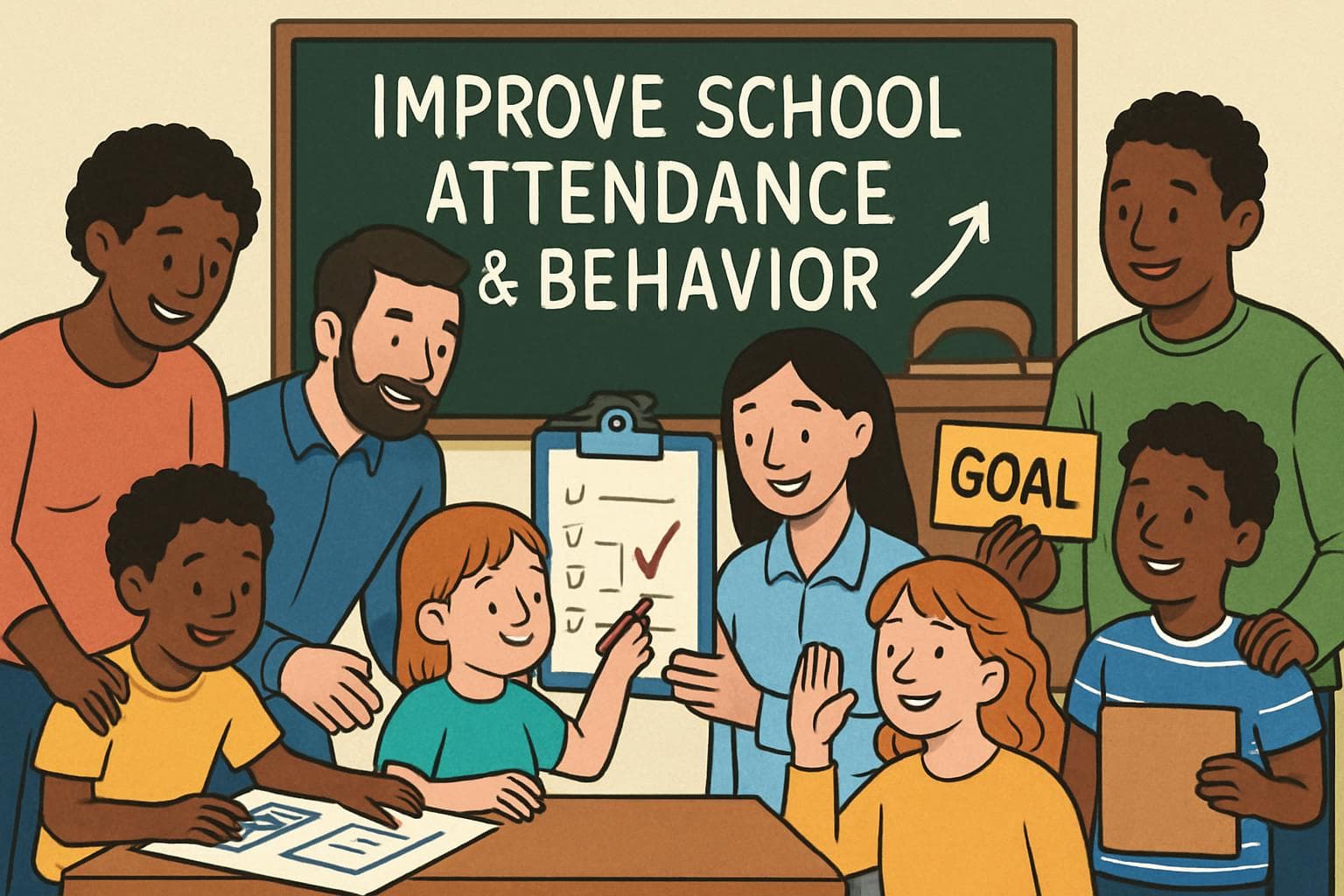
As the new school term commences, Education Secretary Bridget Phillipson has issued a call to action for parents and schools to address the ongoing challenges of school attendance and behaviour, issues exacerbated by the Covid-19 pandemic. Recent data highlights the critical nature of the first weeks of school, revealing that over half of students who miss initial days become persistently absent, a trend Phillipson is keen to reverse.
Attendance Challenges Post-Covid
The Department for Education (DfE) reports that persistent absenteeism has decreased to 18% in the 2024-25 school year from a peak of 23% in 2021-22, yet remains above pre-pandemic levels of 11%. Phillipson stresses the importance of collaboration among parents, schools, and the government to ensure children start the term on the right foot. "If children miss a day or two in the first couple of weeks, they're more likely to become persistently absent," she told BBC Breakfast, underscoring the long-term impact on students' life chances.
Shaping Alternative Education
In West Northamptonshire, parents and guardians are invited to contribute to the development of a new framework for alternative education. This initiative aims to create safe, inclusive, and responsive educational settings outside the formal school system. Kathryn Shaw, Reform UK councillor, emphasized the importance of this work, with the new framework expected to launch in 2026.
Government Programme to Support Schools
The UK government has launched a programme targeting 800 schools to improve attendance and behaviour, beginning with 21 schools serving as hubs. This initiative will provide struggling schools with access to successful headteachers' expertise. Phillipson highlighted the need for collective effort, stating, "We all need to do more, and this includes mums, dads, and carers too."
Addressing Behavioural Issues
Behavioural issues remain a concern, with government figures indicating a rise in suspensions and exclusions in the 2023-24 school year. A national behaviour survey revealed that one in 10 white children on free school meals were suspended, a rate five times higher than their peers. Phillipson expressed concern over the entrenched class divide affecting white working-class children, noting the long-term consequences of school suspensions on future opportunities.
WHAT THIS MIGHT MEAN
The government's focus on improving school attendance and behaviour could lead to significant policy shifts, particularly if the new programme proves successful. If attendance rates improve, it may set a precedent for similar initiatives in other regions. However, the challenge remains to address the root causes of absenteeism and behavioural issues, particularly among disadvantaged groups. Experts suggest that sustained collaboration between schools, parents, and policymakers will be crucial in achieving long-term improvements in educational outcomes. As the new framework for alternative education takes shape, it could offer a model for other councils seeking to enhance educational provision outside traditional settings.
Related Articles

UK Government Announces Major Overhaul of SEND System with £3.4 Billion Investment

Government Announces £4 Billion Overhaul of SEND Support in England
Government Unveils Ambitious Plan to Halve Attainment Gap in England's Schools

UK Government's SEND Reforms: A Critical Turning Point for Special Education
Conservatives Propose Interest Rate Cap on Student Loans Amid Growing Debt Concerns

Prince Andrew's Ties to Epstein Under Scrutiny Amid Calls for Inquiry
UK Education Secretary Urges Action on School Attendance and Behaviour as New Term Begins
In This Article
 Aya Nakamura| Published
 HIGHLIGHTS
- Education Secretary Bridget Phillipson emphasizes the importance of school attendance, linking early absences to persistent absenteeism.
- Data shows a decline in persistent absence from 23% in 2021-22 to 18% in 2024-25, yet still above pre-Covid levels.
- West Northamptonshire Council seeks parental input on shaping alternative education, aiming for a new framework by 2026.
- A new UK government programme targets 800 schools to improve attendance and behaviour, with support from experienced headteachers.
- White working-class children face high suspension rates, with one in 10 on free school meals suspended in 2023-24.
As the new school term commences, Education Secretary Bridget Phillipson has issued a call to action for parents and schools to address the ongoing challenges of school attendance and behaviour, issues exacerbated by the Covid-19 pandemic. Recent data highlights the critical nature of the first weeks of school, revealing that over half of students who miss initial days become persistently absent, a trend Phillipson is keen to reverse.
Attendance Challenges Post-Covid
The Department for Education (DfE) reports that persistent absenteeism has decreased to 18% in the 2024-25 school year from a peak of 23% in 2021-22, yet remains above pre-pandemic levels of 11%. Phillipson stresses the importance of collaboration among parents, schools, and the government to ensure children start the term on the right foot. "If children miss a day or two in the first couple of weeks, they're more likely to become persistently absent," she told BBC Breakfast, underscoring the long-term impact on students' life chances.
Shaping Alternative Education
In West Northamptonshire, parents and guardians are invited to contribute to the development of a new framework for alternative education. This initiative aims to create safe, inclusive, and responsive educational settings outside the formal school system. Kathryn Shaw, Reform UK councillor, emphasized the importance of this work, with the new framework expected to launch in 2026.
Government Programme to Support Schools
The UK government has launched a programme targeting 800 schools to improve attendance and behaviour, beginning with 21 schools serving as hubs. This initiative will provide struggling schools with access to successful headteachers' expertise. Phillipson highlighted the need for collective effort, stating, "We all need to do more, and this includes mums, dads, and carers too."
Addressing Behavioural Issues
Behavioural issues remain a concern, with government figures indicating a rise in suspensions and exclusions in the 2023-24 school year. A national behaviour survey revealed that one in 10 white children on free school meals were suspended, a rate five times higher than their peers. Phillipson expressed concern over the entrenched class divide affecting white working-class children, noting the long-term consequences of school suspensions on future opportunities.
WHAT THIS MIGHT MEAN
The government's focus on improving school attendance and behaviour could lead to significant policy shifts, particularly if the new programme proves successful. If attendance rates improve, it may set a precedent for similar initiatives in other regions. However, the challenge remains to address the root causes of absenteeism and behavioural issues, particularly among disadvantaged groups. Experts suggest that sustained collaboration between schools, parents, and policymakers will be crucial in achieving long-term improvements in educational outcomes. As the new framework for alternative education takes shape, it could offer a model for other councils seeking to enhance educational provision outside traditional settings.
Related Articles
UK Government Announces Major Overhaul of SEND System with £3.4 Billion Investment
Government Announces £4 Billion Overhaul of SEND Support in England
Government Unveils Ambitious Plan to Halve Attainment Gap in England's Schools
UK Government's SEND Reforms: A Critical Turning Point for Special Education
Conservatives Propose Interest Rate Cap on Student Loans Amid Growing Debt Concerns
Prince Andrew's Ties to Epstein Under Scrutiny Amid Calls for Inquiry