
UK Energy Bills to Dip in January Before Rising Again Due to Renewable Transition Costs
In This Article
HIGHLIGHTS
- Household energy bills in the UK are expected to decrease by £22 in January 2024, according to Cornwall Insight's forecast.
- The energy price cap, set by Ofgem, will fall to £1,733 for a typical household, but is predicted to rise by £75 in April.
- The increase in April is attributed to costs associated with the UK's transition to renewable energy, rather than wholesale prices.
- Government measures, such as the Warm Home Discount, aim to alleviate high energy costs for vulnerable households.
- The Chancellor may consider removing the 5% VAT on energy bills to help with the cost of living crisis.
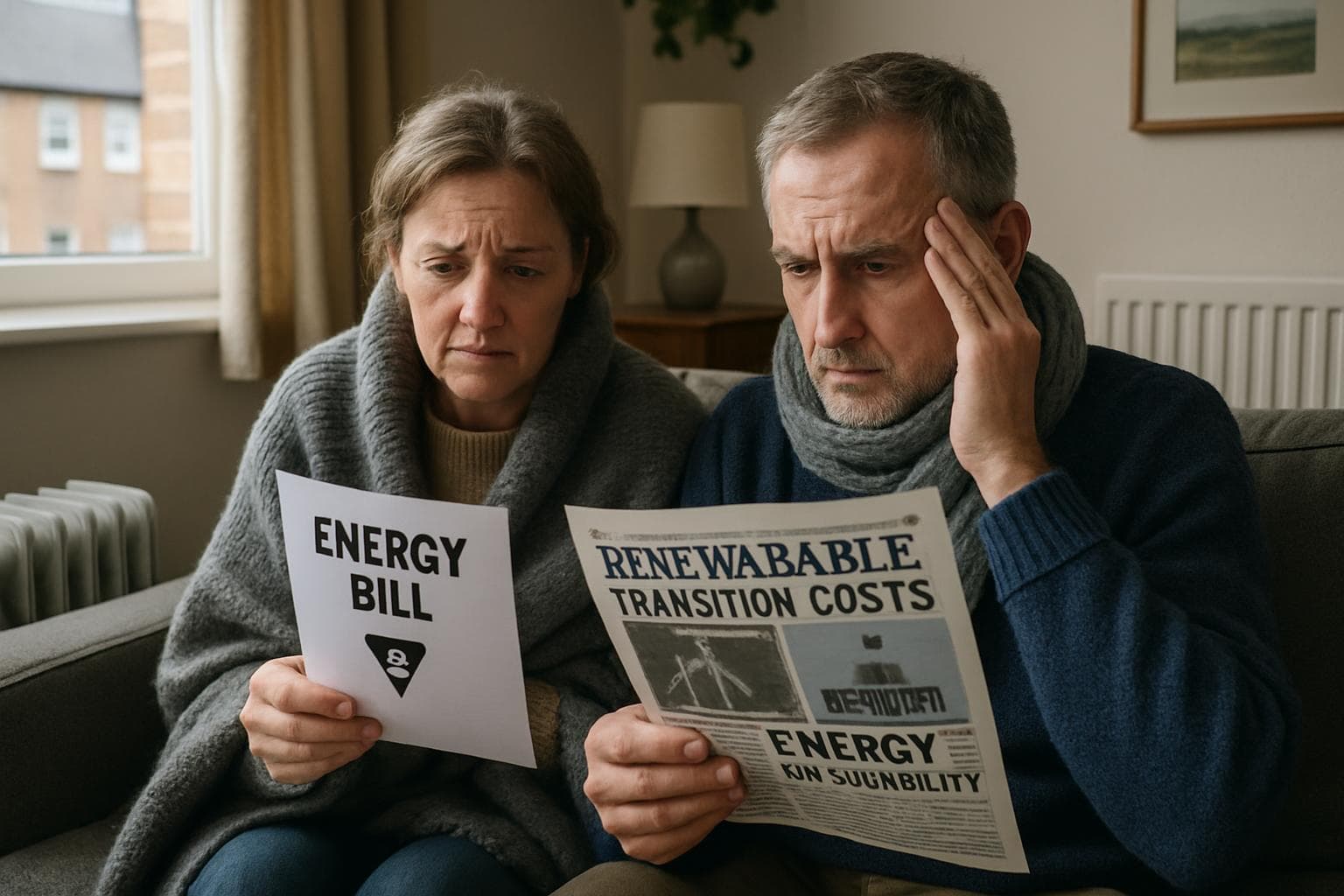
British households can expect a slight reduction in their energy bills this January, with the energy price cap set to decrease by £22, according to the latest forecast from consultancy Cornwall Insight. The cap, which is regulated by Ofgem, will lower to £1,733 for a typical household, offering a brief respite from the high costs that have burdened consumers in recent years.
However, this relief is expected to be short-lived. By April, the annual energy price cap is projected to rise by £75, driven not by wholesale prices but by the costs associated with Britain's shift towards renewable energy. Dr. Craig Lowrey, a principal consultant at Cornwall Insight, emphasized that while the transition to renewables promises long-term stability and energy independence, the immediate financial burden is significant. "The upfront costs are real, and they're landing on bills now," he stated.
The energy price cap, which affects approximately 22 million households across England, Wales, and Scotland, is adjusted quarterly by Ofgem. It sets the maximum charge for average energy usage, meaning those who consume more energy will face higher bills. The cap reached a record high of £4,279 in January 2023, exacerbated by global events such as the easing of COVID-19 restrictions and geopolitical tensions, notably Russia's invasion of Ukraine.
In response to ongoing high energy costs, the UK government has expanded the £150 Warm Home Discount to an additional 2.7 million people. A spokesperson for the Department for Energy Security and Net Zero highlighted the government's commitment to reducing energy bills through its "clean energy superpower mission," aiming to reduce reliance on volatile fossil fuel markets.
As the Chancellor prepares to present the autumn budget, there is speculation that the 5% VAT on energy bills might be removed to alleviate the cost of living crisis. Energy analyst Jess Ralston from the Energy and Climate Intelligence Unit noted that an upgraded power grid would enable the UK to utilize more domestic renewable power, reducing dependency on foreign gas imports and insulating consumers from global price fluctuations.
WHAT THIS MIGHT MEAN
Looking ahead, the UK's energy landscape is poised for significant transformation as it continues its transition to renewable sources. While this shift promises long-term benefits, including energy independence and environmental sustainability, the immediate challenge lies in managing the financial impact on consumers. Policymakers face the delicate task of balancing short-term affordability with the strategic goal of a resilient energy future.
The potential removal of the 5% VAT on energy bills could provide some relief to households, but it remains to be seen how effective this measure will be in the broader context of rising non-wholesale costs. As the government navigates these complexities, the role of regulatory bodies like Ofgem will be crucial in ensuring fair pricing and protecting consumers from undue financial strain.
Related Articles
Middle East Conflict Drives UK Energy Prices to New Highs

Saharan Dust to Illuminate UK Skies with Vivid Sunrises and Sunsets

Russian LNG Tanker Sinks in Mediterranean Amid Accusations of Ukrainian Drone Attack

Government Announces £4 Billion Overhaul of SEND Support in England

UK Government Announces Major Overhaul of SEND System with £3.4 Billion Investment

Russia-Ukraine Conflict: Four Years of Unyielding Struggle and Human Resilience
UK Energy Bills to Dip in January Before Rising Again Due to Renewable Transition Costs
In This Article
 Daniel Rivera| Published
 HIGHLIGHTS
- Household energy bills in the UK are expected to decrease by £22 in January 2024, according to Cornwall Insight's forecast.
- The energy price cap, set by Ofgem, will fall to £1,733 for a typical household, but is predicted to rise by £75 in April.
- The increase in April is attributed to costs associated with the UK's transition to renewable energy, rather than wholesale prices.
- Government measures, such as the Warm Home Discount, aim to alleviate high energy costs for vulnerable households.
- The Chancellor may consider removing the 5% VAT on energy bills to help with the cost of living crisis.
British households can expect a slight reduction in their energy bills this January, with the energy price cap set to decrease by £22, according to the latest forecast from consultancy Cornwall Insight. The cap, which is regulated by Ofgem, will lower to £1,733 for a typical household, offering a brief respite from the high costs that have burdened consumers in recent years.
However, this relief is expected to be short-lived. By April, the annual energy price cap is projected to rise by £75, driven not by wholesale prices but by the costs associated with Britain's shift towards renewable energy. Dr. Craig Lowrey, a principal consultant at Cornwall Insight, emphasized that while the transition to renewables promises long-term stability and energy independence, the immediate financial burden is significant. "The upfront costs are real, and they're landing on bills now," he stated.
The energy price cap, which affects approximately 22 million households across England, Wales, and Scotland, is adjusted quarterly by Ofgem. It sets the maximum charge for average energy usage, meaning those who consume more energy will face higher bills. The cap reached a record high of £4,279 in January 2023, exacerbated by global events such as the easing of COVID-19 restrictions and geopolitical tensions, notably Russia's invasion of Ukraine.
In response to ongoing high energy costs, the UK government has expanded the £150 Warm Home Discount to an additional 2.7 million people. A spokesperson for the Department for Energy Security and Net Zero highlighted the government's commitment to reducing energy bills through its "clean energy superpower mission," aiming to reduce reliance on volatile fossil fuel markets.
As the Chancellor prepares to present the autumn budget, there is speculation that the 5% VAT on energy bills might be removed to alleviate the cost of living crisis. Energy analyst Jess Ralston from the Energy and Climate Intelligence Unit noted that an upgraded power grid would enable the UK to utilize more domestic renewable power, reducing dependency on foreign gas imports and insulating consumers from global price fluctuations.
WHAT THIS MIGHT MEAN
Looking ahead, the UK's energy landscape is poised for significant transformation as it continues its transition to renewable sources. While this shift promises long-term benefits, including energy independence and environmental sustainability, the immediate challenge lies in managing the financial impact on consumers. Policymakers face the delicate task of balancing short-term affordability with the strategic goal of a resilient energy future.
The potential removal of the 5% VAT on energy bills could provide some relief to households, but it remains to be seen how effective this measure will be in the broader context of rising non-wholesale costs. As the government navigates these complexities, the role of regulatory bodies like Ofgem will be crucial in ensuring fair pricing and protecting consumers from undue financial strain.
Related Articles
Middle East Conflict Drives UK Energy Prices to New Highs
Saharan Dust to Illuminate UK Skies with Vivid Sunrises and Sunsets
Russian LNG Tanker Sinks in Mediterranean Amid Accusations of Ukrainian Drone Attack
Government Announces £4 Billion Overhaul of SEND Support in England
UK Government Announces Major Overhaul of SEND System with £3.4 Billion Investment
Russia-Ukraine Conflict: Four Years of Unyielding Struggle and Human Resilience