
UK to Implement Six-Month Unfair Dismissal Rights from 2027
In This Article
HIGHLIGHTS
- The UK government will implement unfair dismissal protections for workers with six months of service starting January 1, 2027.
- The decision follows a compromise between Labour ministers and business groups, reducing the current two-year qualifying period.
- Angela Rayner, a key architect of the employment rights bill, withdrew an amendment for an earlier start date after discussions with ministers.
- Business groups welcomed the compromise, while some Labour MPs and unions expressed disappointment over the delay.
- The government also plans to abolish compensation caps in unfair dismissal cases, aligning them with automatic dismissal cases.
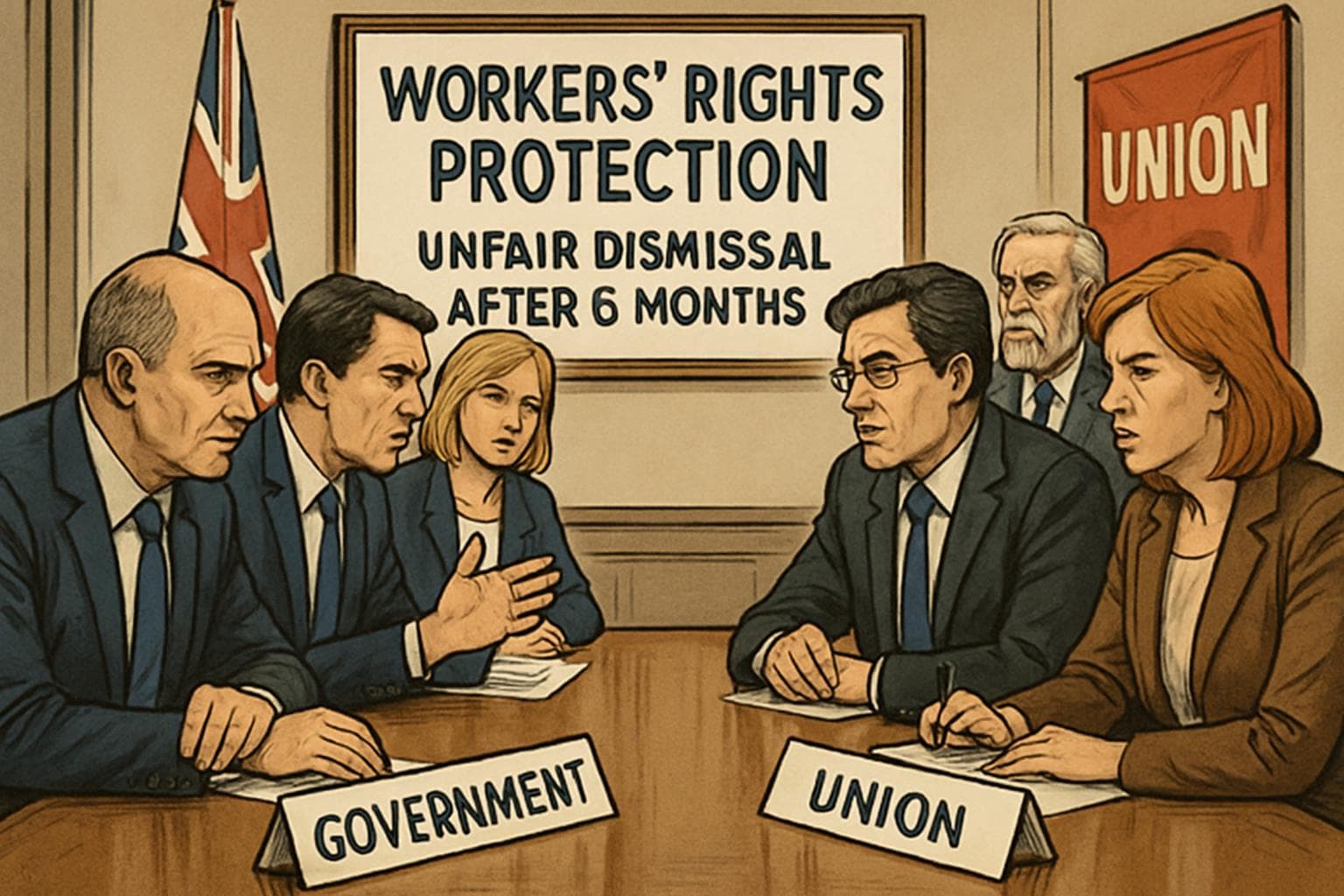
The UK government has announced that from January 1, 2027, workers will gain protections against unfair dismissal after six months of employment, marking a significant shift in employment rights. This decision comes after extensive negotiations between Labour ministers, business groups, and unions, aiming to balance worker protections with business interests.
A Compromise Reached
Initially, Labour had proposed immediate day-one protections against unfair dismissal, but faced resistance from business groups concerned about hiring implications. The compromise, brokered by former Deputy Prime Minister Angela Rayner and ex-employment minister Justin Madders, sets the qualifying period at six months, down from the current two years. Rayner, who had planned to push for a 2026 start date, agreed to the 2027 timeline after discussions with Business Secretary Peter Kyle.
Political and Business Reactions
The decision has been met with mixed reactions. Business groups have largely welcomed the compromise, viewing it as a balanced approach that avoids discouraging new hires. However, some Labour MPs and the Unite union have criticized the delay, arguing it falls short of the party's initial promises. Despite this, a Labour source highlighted the broad support for the initiative, noting that it represents a tangible win for workers' rights.
Additional Legislative Changes
In addition to the revised unfair dismissal protections, the government plans to abolish the current compensation caps for financial loss in ordinary unfair dismissal cases. This move aims to align these cases with automatic unfair dismissal scenarios, potentially increasing compensation for affected workers. The employment rights bill, which includes these changes, is expected to pass through its final stages in Parliament soon.
WHAT THIS MIGHT MEAN
Looking ahead, the implementation of these new protections could significantly impact both workers and employers. For workers, the reduced qualifying period offers earlier security and recourse against unfair dismissal. For businesses, the changes necessitate adjustments in hiring practices and employment policies. Politically, the Labour Party may leverage these developments in future campaigns, highlighting their role in securing enhanced worker protections. As the bill progresses, continued dialogue between stakeholders will be crucial to ensure a smooth transition to the new framework.
Related Articles

UK Government to Reform Asylum Seeker Support and Employment Policies

UK Faces Dilemmas Amid Iran Conflict and China Spying Allegations

UK Reinforces Military Presence in Cyprus Amid Middle East Tensions

UK-Iran Tensions: Starmer Defends Cautious Approach Amid Trump Criticism
Persistent Safety Concerns in Nottingham Maternity Services Amidst Calls for Systemic Reform

Diplomatic Tensions Rise as Trump Criticizes Starmer's Iran Policy
UK to Implement Six-Month Unfair Dismissal Rights from 2027
In This Article
 Ethan Brooks| Published
 HIGHLIGHTS
- The UK government will implement unfair dismissal protections for workers with six months of service starting January 1, 2027.
- The decision follows a compromise between Labour ministers and business groups, reducing the current two-year qualifying period.
- Angela Rayner, a key architect of the employment rights bill, withdrew an amendment for an earlier start date after discussions with ministers.
- Business groups welcomed the compromise, while some Labour MPs and unions expressed disappointment over the delay.
- The government also plans to abolish compensation caps in unfair dismissal cases, aligning them with automatic dismissal cases.
The UK government has announced that from January 1, 2027, workers will gain protections against unfair dismissal after six months of employment, marking a significant shift in employment rights. This decision comes after extensive negotiations between Labour ministers, business groups, and unions, aiming to balance worker protections with business interests.
A Compromise Reached
Initially, Labour had proposed immediate day-one protections against unfair dismissal, but faced resistance from business groups concerned about hiring implications. The compromise, brokered by former Deputy Prime Minister Angela Rayner and ex-employment minister Justin Madders, sets the qualifying period at six months, down from the current two years. Rayner, who had planned to push for a 2026 start date, agreed to the 2027 timeline after discussions with Business Secretary Peter Kyle.
Political and Business Reactions
The decision has been met with mixed reactions. Business groups have largely welcomed the compromise, viewing it as a balanced approach that avoids discouraging new hires. However, some Labour MPs and the Unite union have criticized the delay, arguing it falls short of the party's initial promises. Despite this, a Labour source highlighted the broad support for the initiative, noting that it represents a tangible win for workers' rights.
Additional Legislative Changes
In addition to the revised unfair dismissal protections, the government plans to abolish the current compensation caps for financial loss in ordinary unfair dismissal cases. This move aims to align these cases with automatic unfair dismissal scenarios, potentially increasing compensation for affected workers. The employment rights bill, which includes these changes, is expected to pass through its final stages in Parliament soon.
WHAT THIS MIGHT MEAN
Looking ahead, the implementation of these new protections could significantly impact both workers and employers. For workers, the reduced qualifying period offers earlier security and recourse against unfair dismissal. For businesses, the changes necessitate adjustments in hiring practices and employment policies. Politically, the Labour Party may leverage these developments in future campaigns, highlighting their role in securing enhanced worker protections. As the bill progresses, continued dialogue between stakeholders will be crucial to ensure a smooth transition to the new framework.
Related Articles
UK Government to Reform Asylum Seeker Support and Employment Policies
UK Faces Dilemmas Amid Iran Conflict and China Spying Allegations
UK Reinforces Military Presence in Cyprus Amid Middle East Tensions
UK-Iran Tensions: Starmer Defends Cautious Approach Amid Trump Criticism
Persistent Safety Concerns in Nottingham Maternity Services Amidst Calls for Systemic Reform
Diplomatic Tensions Rise as Trump Criticizes Starmer's Iran Policy