
UK Schools to Expand Special Educational Needs Support with New Initiatives
In This Article
HIGHLIGHTS
- Telford & Wrekin Council plans to invest £1.7m to create over 100 new special educational needs (Send) school places.
- The UK government mandates secondary schools to establish "inclusion bases" for neurodiverse and Send pupils as part of a £3.7bn investment.
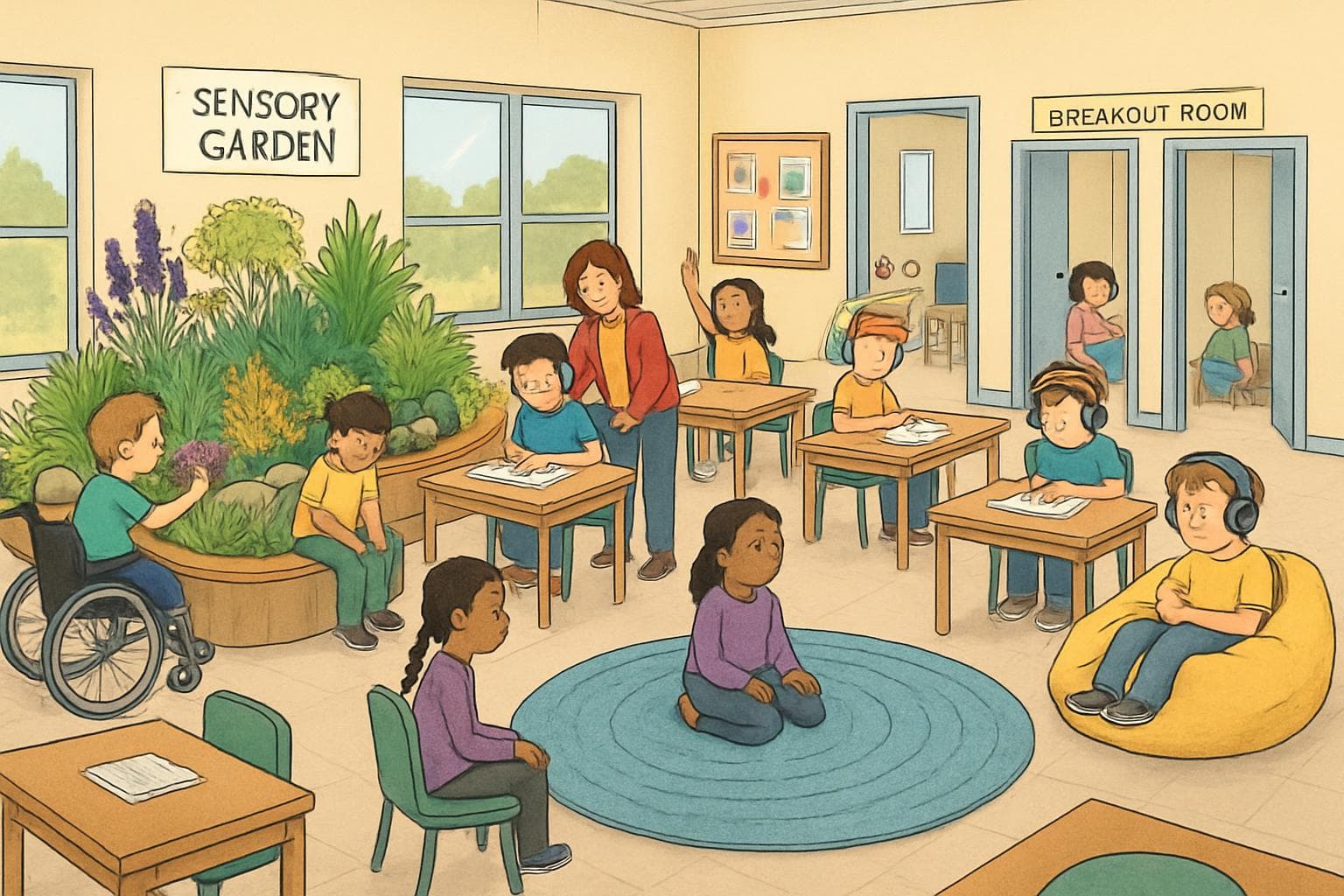
- New guidance will require schools to enhance inclusivity with facilities like breakout rooms and sensory gardens.
- The Department for Education's strategy includes a £700m fund for school repairs to address structural issues.
- Experts emphasize the need for proper funding and training to support inclusive education practices.
In a significant move towards enhancing inclusive education, Telford & Wrekin Council and the UK government have announced plans to expand support for students with special educational needs (Send). The council is set to invest £1.7 million to create over 100 new Send school places by establishing dedicated hubs within mainstream schools. This initiative builds on the success of similar hubs at Millbrook Primary School and Newport Junior School, aiming to provide a supportive environment while integrating students into the broader school community.
Councillor Shirley Reynolds highlighted the importance of these hubs, stating that they allow children to access full-time education in a dedicated setting while benefiting from being part of the wider school environment. The council's budget for 2026-27 includes a commitment of £150 million to support vulnerable children, people with disabilities, and older adults.
Government Mandates Inclusion Bases in Secondary Schools
Simultaneously, the UK government has mandated that all secondary schools must establish "inclusion bases" for neurodiverse and Send pupils. These specially designed areas will provide support for students with additional needs, forming a crucial part of the government's £3.7 billion investment to overhaul the Send support system. The initiative aims to create up to 60,000 bespoke places for Send pupils in mainstream schools.
A spokesperson from the Department for Education explained that these inclusion bases could be set up in spare classrooms or purpose-built facilities. The new guidance, expected this spring, will outline expectations for schools to improve inclusivity and accessibility, including the creation of breakout rooms, sensory gardens, and improved lighting and acoustics.
Calls for Comprehensive Support and Training
Experts and education leaders have emphasized the need for comprehensive support and training to ensure the success of these initiatives. Avnee Morjaria, lead author of a report on Send system reform, stressed the importance of making schools inclusive environments where children feel they belong. Madeleine Cassidy, chief executive of IPSEA, highlighted the legal duty of schools to make reasonable adjustments under the Equality Act, urging for proper investment in inclusive practices.
The Department for Education's estate strategy also includes a £700 million fund for school repairs, addressing structural issues like leaking roofs and failing boilers. Education Secretary Bridget Phillipson stated that these measures aim to break down barriers to education for all students.
WHAT THIS MIGHT MEAN
The expansion of Send support in UK schools marks a pivotal step towards a more inclusive education system. However, the success of these initiatives will depend on adequate funding, training, and resources for schools. As the government rolls out new guidelines, schools will need to adapt to meet the increased demand for specialized support. The long-term impact of these changes could lead to a more equitable education system, reducing pressure on the Send support infrastructure and ensuring that all students have the opportunity to thrive.
Related Articles

UK Government Announces Major Overhaul of SEND System with £3.4 Billion Investment

Government Announces £4 Billion Overhaul of SEND Support in England

Government Unveils Ambitious Plan to Halve Attainment Gap in England's Schools

UK Government's SEND Reforms: A Critical Turning Point for Special Education

Conservatives Propose Interest Rate Cap on Student Loans Amid Growing Debt Concerns

Prince Andrew's Ties to Epstein Under Scrutiny Amid Calls for Inquiry
UK Schools to Expand Special Educational Needs Support with New Initiatives
In This Article
 Aya Nakamura| Published
 HIGHLIGHTS
- Telford & Wrekin Council plans to invest £1.7m to create over 100 new special educational needs (Send) school places.
- The UK government mandates secondary schools to establish "inclusion bases" for neurodiverse and Send pupils as part of a £3.7bn investment.
- New guidance will require schools to enhance inclusivity with facilities like breakout rooms and sensory gardens.
- The Department for Education's strategy includes a £700m fund for school repairs to address structural issues.
- Experts emphasize the need for proper funding and training to support inclusive education practices.
In a significant move towards enhancing inclusive education, Telford & Wrekin Council and the UK government have announced plans to expand support for students with special educational needs (Send). The council is set to invest £1.7 million to create over 100 new Send school places by establishing dedicated hubs within mainstream schools. This initiative builds on the success of similar hubs at Millbrook Primary School and Newport Junior School, aiming to provide a supportive environment while integrating students into the broader school community.
Councillor Shirley Reynolds highlighted the importance of these hubs, stating that they allow children to access full-time education in a dedicated setting while benefiting from being part of the wider school environment. The council's budget for 2026-27 includes a commitment of £150 million to support vulnerable children, people with disabilities, and older adults.
Government Mandates Inclusion Bases in Secondary Schools
Simultaneously, the UK government has mandated that all secondary schools must establish "inclusion bases" for neurodiverse and Send pupils. These specially designed areas will provide support for students with additional needs, forming a crucial part of the government's £3.7 billion investment to overhaul the Send support system. The initiative aims to create up to 60,000 bespoke places for Send pupils in mainstream schools.
A spokesperson from the Department for Education explained that these inclusion bases could be set up in spare classrooms or purpose-built facilities. The new guidance, expected this spring, will outline expectations for schools to improve inclusivity and accessibility, including the creation of breakout rooms, sensory gardens, and improved lighting and acoustics.
Calls for Comprehensive Support and Training
Experts and education leaders have emphasized the need for comprehensive support and training to ensure the success of these initiatives. Avnee Morjaria, lead author of a report on Send system reform, stressed the importance of making schools inclusive environments where children feel they belong. Madeleine Cassidy, chief executive of IPSEA, highlighted the legal duty of schools to make reasonable adjustments under the Equality Act, urging for proper investment in inclusive practices.
The Department for Education's estate strategy also includes a £700 million fund for school repairs, addressing structural issues like leaking roofs and failing boilers. Education Secretary Bridget Phillipson stated that these measures aim to break down barriers to education for all students.
WHAT THIS MIGHT MEAN
The expansion of Send support in UK schools marks a pivotal step towards a more inclusive education system. However, the success of these initiatives will depend on adequate funding, training, and resources for schools. As the government rolls out new guidelines, schools will need to adapt to meet the increased demand for specialized support. The long-term impact of these changes could lead to a more equitable education system, reducing pressure on the Send support infrastructure and ensuring that all students have the opportunity to thrive.
Related Articles
UK Government Announces Major Overhaul of SEND System with £3.4 Billion Investment
Government Announces £4 Billion Overhaul of SEND Support in England
Government Unveils Ambitious Plan to Halve Attainment Gap in England's Schools
UK Government's SEND Reforms: A Critical Turning Point for Special Education
Conservatives Propose Interest Rate Cap on Student Loans Amid Growing Debt Concerns
Prince Andrew's Ties to Epstein Under Scrutiny Amid Calls for Inquiry