
UK to Extend Sugar Tax to Milk-Based Drinks in 2028
In This Article
HIGHLIGHTS
- The UK government will extend the sugar tax to include milk-based drinks from January 2028, aiming to reduce sugar consumption and tackle obesity.
- The sugar threshold for the tax will be lowered from 5g to 4.5g of sugar per 100ml, potentially affecting a wide range of products.
- A "lactose allowance" will be introduced to account for naturally occurring sugars in milk, exempting them from the tax calculation.
- The tax will apply to pre-packaged drinks but not to those made and served in cafes, restaurants, or bars.
- Industry leaders express concerns over the financial impact, while health officials emphasize the policy's role in improving public health.
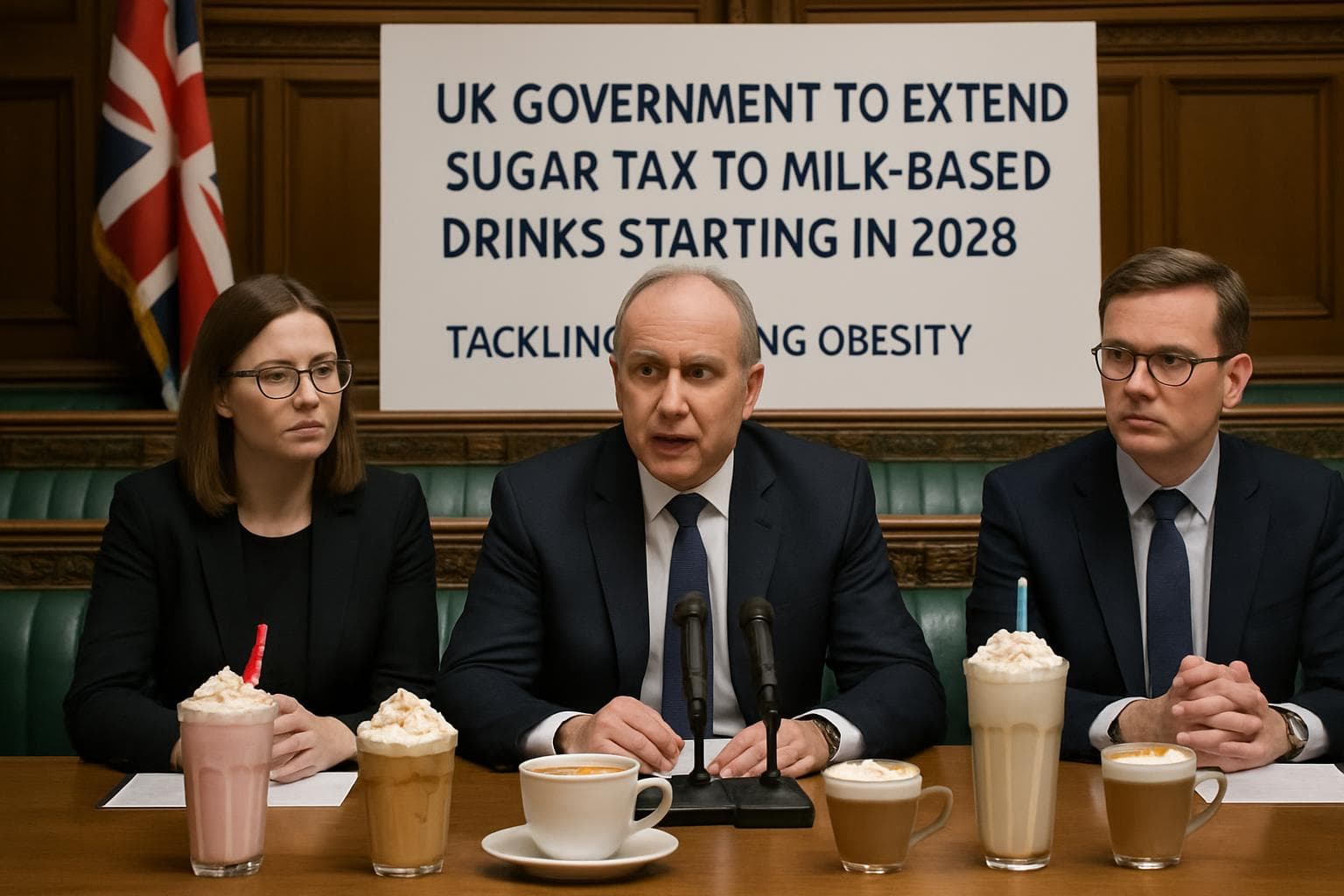
In a significant move to combat rising obesity rates, the UK government has announced plans to extend the sugar tax to include milk-based drinks starting January 2028. Health Secretary Wes Streeting revealed the decision in Parliament, highlighting the need to address the high sugar content in popular beverages like bottled milkshakes and pre-packaged lattes.
Expanding the Sugar Tax
The sugar tax, formally known as the Soft Drinks Industry Levy (SDIL), was initially introduced in 2018 to encourage healthier diets by reducing sugar intake. Currently, it applies to sugary and fizzy drinks with a sugar content of 5g per 100ml. However, the threshold will be lowered to 4.5g per 100ml, potentially bringing hundreds more products under its scope.
"This government will not look away as children get unhealthier," Streeting stated, emphasizing the policy's role in reducing the burden on public health services. The tax aims to incentivize manufacturers to reformulate their products, either by reducing sugar content or facing higher costs.
Inclusion of Milk-Based Drinks
Previously exempt due to their calcium content, milk-based drinks will now be subject to the tax. This includes popular products like Yazoo and Starbucks Caffe Latte, as well as plant-based alternatives such as soya and oat milks. To account for naturally occurring sugars in milk, a "lactose allowance" will be implemented, ensuring that only added sugars contribute to the tax calculation.
The tax will apply to pre-packaged drinks sold in supermarkets but will exclude those prepared and served in cafes, restaurants, and bars. This means that freshly made lattes and milkshakes on the high street will remain unaffected.
Industry and Public Health Reactions
The decision has sparked mixed reactions. Judith Bryans, CEO of Dairy UK, expressed disappointment over the expanded levy, citing the nutritional benefits of milk-based drinks. However, she welcomed the lactose allowance as a fair consideration of dairy's unique composition.
Meanwhile, health officials argue that the policy is crucial for improving public health. "Obesity robs children of the best possible start in life," Streeting noted, underscoring the long-term health implications and financial costs associated with high sugar consumption.
WHAT THIS MIGHT MEAN
As the UK prepares to implement the extended sugar tax, manufacturers face the challenge of reformulating products to meet the new sugar threshold. This could lead to changes in taste or increased prices for consumers. The policy's success will largely depend on the industry's ability to adapt and innovate.
Politically, the move may reignite debates over government intervention in personal consumption choices. While some view the tax as necessary for public health, others criticize it as excessive regulation. The outcome of this policy could influence future health initiatives and regulatory approaches in the UK.
Experts suggest that if successful, the extended sugar tax could serve as a model for other countries grappling with similar public health challenges. The focus on reducing sugar consumption aligns with global efforts to combat obesity and improve population health outcomes.
Related Articles
UK Clinical Trial on Puberty Blockers Paused Amid Safety Concerns
Persistent Safety Concerns in Nottingham Maternity Services Amidst Calls for Systemic Reform
Canada and Australia Forge Strategic Partnership Amid Global Uncertainty

UK Government to Reform Asylum Seeker Support and Employment Policies
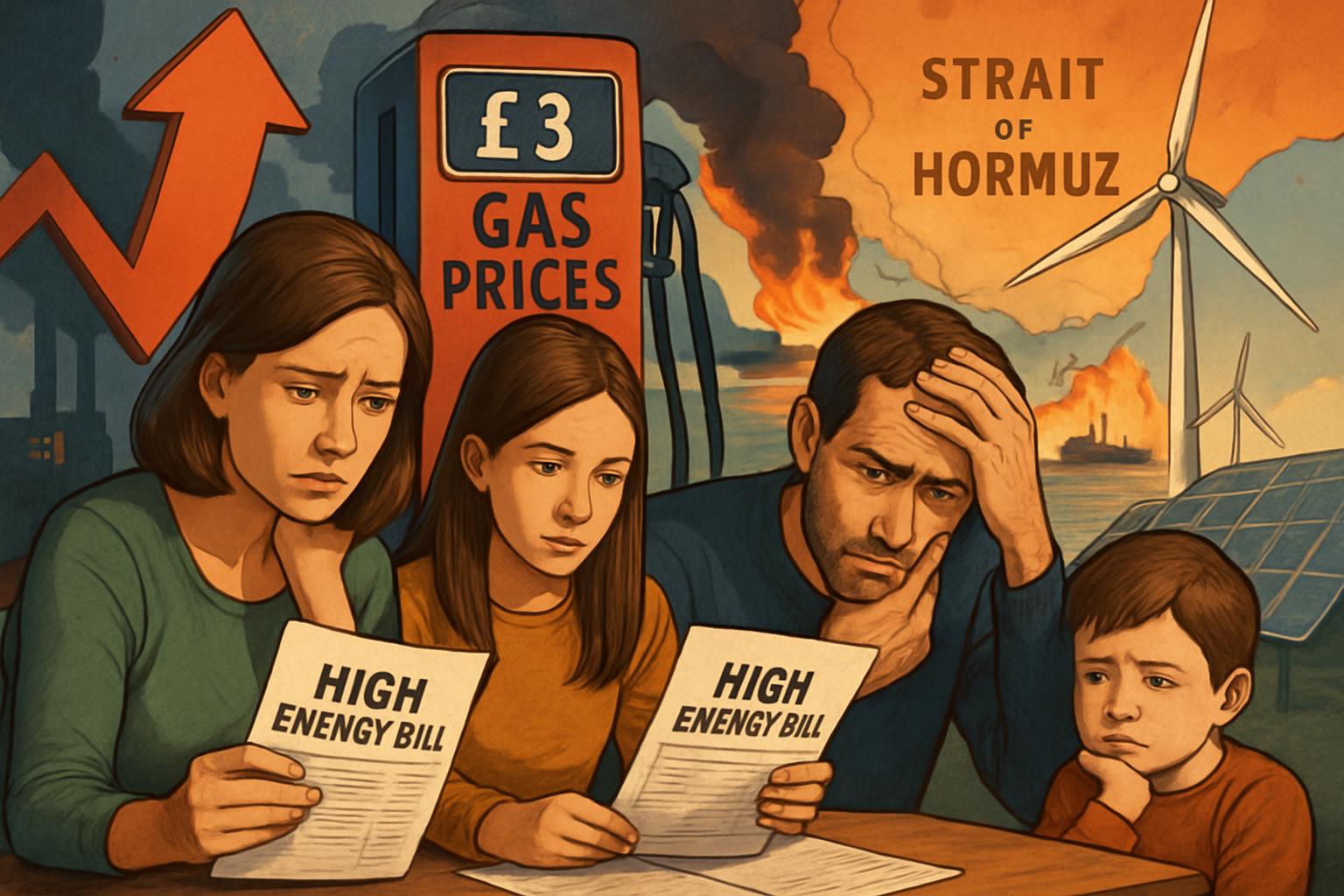
Middle East Conflict Drives UK Energy Prices to New Highs

UK Faces Dilemmas Amid Iran Conflict and China Spying Allegations
UK to Extend Sugar Tax to Milk-Based Drinks in 2028
In This Article
 Maya Singh| Published
 HIGHLIGHTS
- The UK government will extend the sugar tax to include milk-based drinks from January 2028, aiming to reduce sugar consumption and tackle obesity.
- The sugar threshold for the tax will be lowered from 5g to 4.5g of sugar per 100ml, potentially affecting a wide range of products.
- A "lactose allowance" will be introduced to account for naturally occurring sugars in milk, exempting them from the tax calculation.
- The tax will apply to pre-packaged drinks but not to those made and served in cafes, restaurants, or bars.
- Industry leaders express concerns over the financial impact, while health officials emphasize the policy's role in improving public health.
In a significant move to combat rising obesity rates, the UK government has announced plans to extend the sugar tax to include milk-based drinks starting January 2028. Health Secretary Wes Streeting revealed the decision in Parliament, highlighting the need to address the high sugar content in popular beverages like bottled milkshakes and pre-packaged lattes.
Expanding the Sugar Tax
The sugar tax, formally known as the Soft Drinks Industry Levy (SDIL), was initially introduced in 2018 to encourage healthier diets by reducing sugar intake. Currently, it applies to sugary and fizzy drinks with a sugar content of 5g per 100ml. However, the threshold will be lowered to 4.5g per 100ml, potentially bringing hundreds more products under its scope.
"This government will not look away as children get unhealthier," Streeting stated, emphasizing the policy's role in reducing the burden on public health services. The tax aims to incentivize manufacturers to reformulate their products, either by reducing sugar content or facing higher costs.
Inclusion of Milk-Based Drinks
Previously exempt due to their calcium content, milk-based drinks will now be subject to the tax. This includes popular products like Yazoo and Starbucks Caffe Latte, as well as plant-based alternatives such as soya and oat milks. To account for naturally occurring sugars in milk, a "lactose allowance" will be implemented, ensuring that only added sugars contribute to the tax calculation.
The tax will apply to pre-packaged drinks sold in supermarkets but will exclude those prepared and served in cafes, restaurants, and bars. This means that freshly made lattes and milkshakes on the high street will remain unaffected.
Industry and Public Health Reactions
The decision has sparked mixed reactions. Judith Bryans, CEO of Dairy UK, expressed disappointment over the expanded levy, citing the nutritional benefits of milk-based drinks. However, she welcomed the lactose allowance as a fair consideration of dairy's unique composition.
Meanwhile, health officials argue that the policy is crucial for improving public health. "Obesity robs children of the best possible start in life," Streeting noted, underscoring the long-term health implications and financial costs associated with high sugar consumption.
WHAT THIS MIGHT MEAN
As the UK prepares to implement the extended sugar tax, manufacturers face the challenge of reformulating products to meet the new sugar threshold. This could lead to changes in taste or increased prices for consumers. The policy's success will largely depend on the industry's ability to adapt and innovate.
Politically, the move may reignite debates over government intervention in personal consumption choices. While some view the tax as necessary for public health, others criticize it as excessive regulation. The outcome of this policy could influence future health initiatives and regulatory approaches in the UK.
Experts suggest that if successful, the extended sugar tax could serve as a model for other countries grappling with similar public health challenges. The focus on reducing sugar consumption aligns with global efforts to combat obesity and improve population health outcomes.
Related Articles
UK Clinical Trial on Puberty Blockers Paused Amid Safety Concerns
Persistent Safety Concerns in Nottingham Maternity Services Amidst Calls for Systemic Reform
Canada and Australia Forge Strategic Partnership Amid Global Uncertainty
UK Government to Reform Asylum Seeker Support and Employment Policies
Middle East Conflict Drives UK Energy Prices to New Highs
UK Faces Dilemmas Amid Iran Conflict and China Spying Allegations