
UK Faces £41bn Budget Deficit: NIESR Calls for Tax Increases
In This Article
HIGHLIGHTS
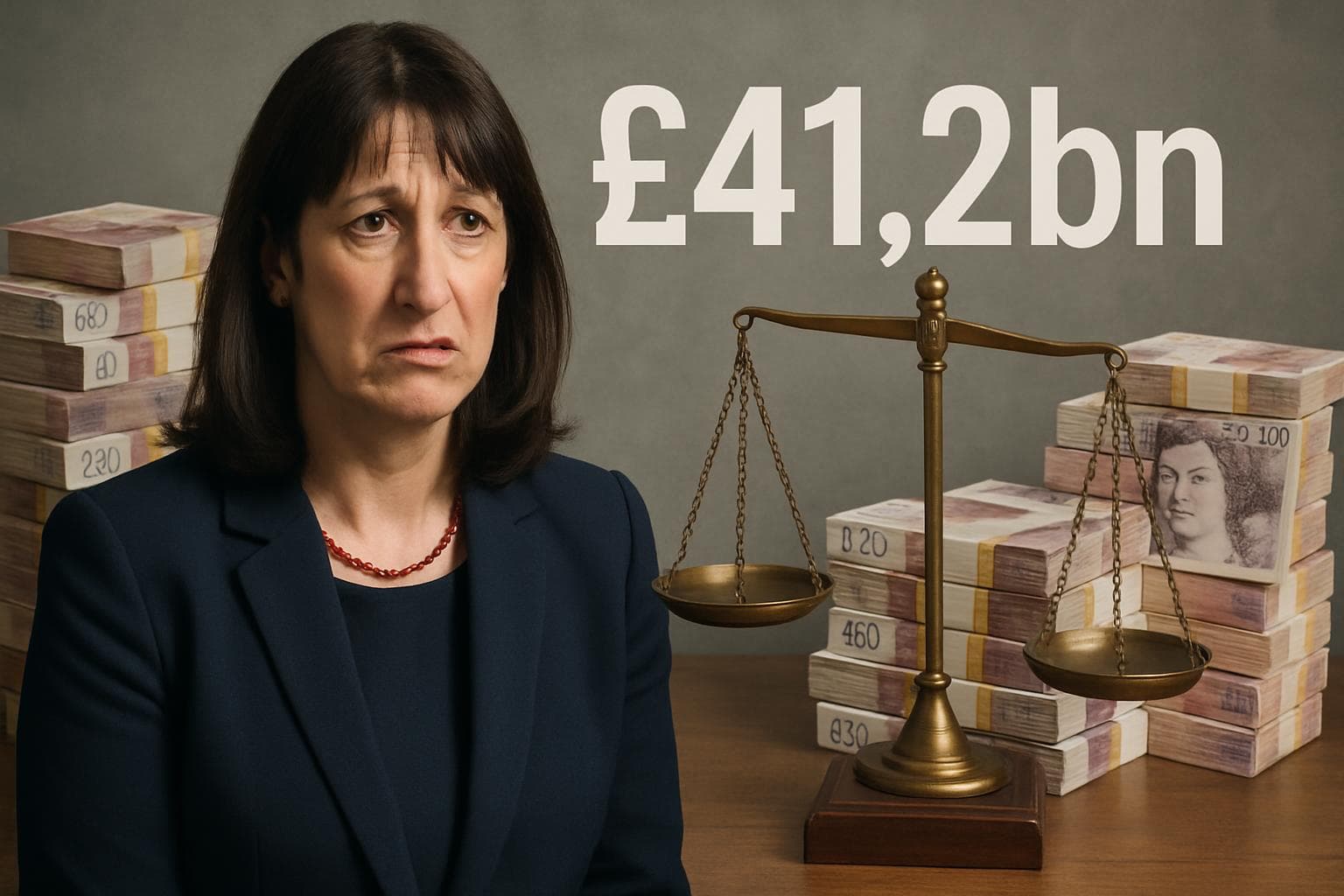
- The UK faces a £41.2bn budget deficit, prompting calls for tax increases to meet fiscal rules set by Chancellor Rachel Reeves.
- The National Institute of Economic and Social Research (NIESR) suggests "moderate but sustained" tax hikes to stabilize public finances.
- Economic slowdown and inflation have exacerbated the deficit, challenging Labour's manifesto commitments against personal tax rises.
- NIESR recommends reforming tax rates and budget rules to create a £10bn buffer, ensuring financial stability.
- Backbench Labour MPs may resist cuts to welfare and public sector spending, complicating budget negotiations.
The UK government is grappling with a significant budget deficit of £41.2bn, according to a recent report by the National Institute of Economic and Social Research (NIESR). The think tank has urged Chancellor Rachel Reeves to consider tax increases in the upcoming autumn budget to adhere to her self-imposed fiscal rules.
Economic Challenges and Fiscal Rules
The deficit has been attributed to a combination of slowing economic growth and higher-than-expected inflation, which have disrupted the government's financial plans. Reeves, who has consistently emphasized the importance of her fiscal rules, faces a challenging decision. Her rules stipulate that day-to-day government spending should be covered by tax revenue, with borrowing reserved for investment, and that national debt should decrease as a share of income over five years.
NIESR's Recommendations
NIESR has proposed "moderate but sustained" tax increases, including potential reforms to the council tax system, to bridge the financial gap. Stephen Millard, NIESR's deputy director for macroeconomics, highlighted the need for a £51.1bn adjustment to create a £10bn buffer, which would reassure investors and potentially reduce government borrowing costs. The think tank also suggests a broader review of tax rates and budget rules to enhance fiscal stability.
Political and Social Implications
The prospect of tax hikes poses a dilemma for the Labour Party, which has pledged not to raise personal taxes. Backbench Labour MPs, who have previously opposed welfare cuts, may challenge any budget proposals that threaten public sector spending. The government must balance these political pressures with the need to address rising demands for public sector wage increases and other expenditures.
Future Outlook
As the UK navigates these fiscal challenges, the government is urged to prioritize policies that promote economic growth and productivity. NIESR emphasizes the importance of protecting public expenditure that supports vulnerable populations while safeguarding investments that drive future growth. The think tank also notes that living standards for the poorest 10% of the population remain 10% below pre-Covid levels, underscoring the need for targeted economic policies.
WHAT THIS MIGHT MEAN
The upcoming budget decisions will be pivotal for the UK government. If Chancellor Reeves opts for tax increases, she may face resistance from within her party and the public. However, failing to address the deficit could undermine investor confidence and lead to higher borrowing costs. Experts suggest that a balanced approach, combining tax reforms with strategic spending cuts, could help stabilize the economy. The government's ability to navigate these challenges will significantly impact its political standing and the UK's economic trajectory in the coming years.
Related Articles
Middle East Conflict Drives UK Energy Prices to New Highs
UK Government to Reform Asylum Seeker Support and Employment Policies

UK Faces Dilemmas Amid Iran Conflict and China Spying Allegations

Canada and Australia Forge Strategic Partnership Amid Global Uncertainty

UK Reinforces Military Presence in Cyprus Amid Middle East Tensions

Labour MP's Husband Arrested in UK-China Espionage Probe
UK Faces £41bn Budget Deficit: NIESR Calls for Tax Increases
In This Article
 Daniel Rivera| Published
 HIGHLIGHTS
- The UK faces a £41.2bn budget deficit, prompting calls for tax increases to meet fiscal rules set by Chancellor Rachel Reeves.
- The National Institute of Economic and Social Research (NIESR) suggests "moderate but sustained" tax hikes to stabilize public finances.
- Economic slowdown and inflation have exacerbated the deficit, challenging Labour's manifesto commitments against personal tax rises.
- NIESR recommends reforming tax rates and budget rules to create a £10bn buffer, ensuring financial stability.
- Backbench Labour MPs may resist cuts to welfare and public sector spending, complicating budget negotiations.
The UK government is grappling with a significant budget deficit of £41.2bn, according to a recent report by the National Institute of Economic and Social Research (NIESR). The think tank has urged Chancellor Rachel Reeves to consider tax increases in the upcoming autumn budget to adhere to her self-imposed fiscal rules.
Economic Challenges and Fiscal Rules
The deficit has been attributed to a combination of slowing economic growth and higher-than-expected inflation, which have disrupted the government's financial plans. Reeves, who has consistently emphasized the importance of her fiscal rules, faces a challenging decision. Her rules stipulate that day-to-day government spending should be covered by tax revenue, with borrowing reserved for investment, and that national debt should decrease as a share of income over five years.
NIESR's Recommendations
NIESR has proposed "moderate but sustained" tax increases, including potential reforms to the council tax system, to bridge the financial gap. Stephen Millard, NIESR's deputy director for macroeconomics, highlighted the need for a £51.1bn adjustment to create a £10bn buffer, which would reassure investors and potentially reduce government borrowing costs. The think tank also suggests a broader review of tax rates and budget rules to enhance fiscal stability.
Political and Social Implications
The prospect of tax hikes poses a dilemma for the Labour Party, which has pledged not to raise personal taxes. Backbench Labour MPs, who have previously opposed welfare cuts, may challenge any budget proposals that threaten public sector spending. The government must balance these political pressures with the need to address rising demands for public sector wage increases and other expenditures.
Future Outlook
As the UK navigates these fiscal challenges, the government is urged to prioritize policies that promote economic growth and productivity. NIESR emphasizes the importance of protecting public expenditure that supports vulnerable populations while safeguarding investments that drive future growth. The think tank also notes that living standards for the poorest 10% of the population remain 10% below pre-Covid levels, underscoring the need for targeted economic policies.
WHAT THIS MIGHT MEAN
The upcoming budget decisions will be pivotal for the UK government. If Chancellor Reeves opts for tax increases, she may face resistance from within her party and the public. However, failing to address the deficit could undermine investor confidence and lead to higher borrowing costs. Experts suggest that a balanced approach, combining tax reforms with strategic spending cuts, could help stabilize the economy. The government's ability to navigate these challenges will significantly impact its political standing and the UK's economic trajectory in the coming years.
Related Articles
Middle East Conflict Drives UK Energy Prices to New Highs
UK Government to Reform Asylum Seeker Support and Employment Policies
UK Faces Dilemmas Amid Iran Conflict and China Spying Allegations
Canada and Australia Forge Strategic Partnership Amid Global Uncertainty
UK Reinforces Military Presence in Cyprus Amid Middle East Tensions
Labour MP's Husband Arrested in UK-China Espionage Probe