
UK Government Faces Backlash Over Disability Benefit Reforms
In This Article
HIGHLIGHTS
- UK Prime Minister Keir Starmer faces backlash over proposed disability benefit cuts, prompting a U-turn to avoid a major Labour MPs rebellion.
- The government plans to tighten eligibility for Personal Independence Payments (PIP) from November 2026, sparking protests from disability rights activists.
- A £1bn support plan to help disabled people into work will be fast-tracked, originally scheduled for 2029.
- The Timms review will assess the welfare system, delaying changes to PIP until its conclusion next autumn.
- Disability campaigners warn the reforms could create a "two-tier" benefit system, dividing the disabled community.
The UK government's proposed changes to disability benefits have sparked widespread protests and a significant political backlash, forcing Prime Minister Keir Starmer to make concessions to avoid a major rebellion within his party. The controversial welfare reforms, which include tightening eligibility for Personal Independence Payments (PIP), have been met with fierce opposition from disability rights activists and Labour MPs alike.
Protests and Political Pressure
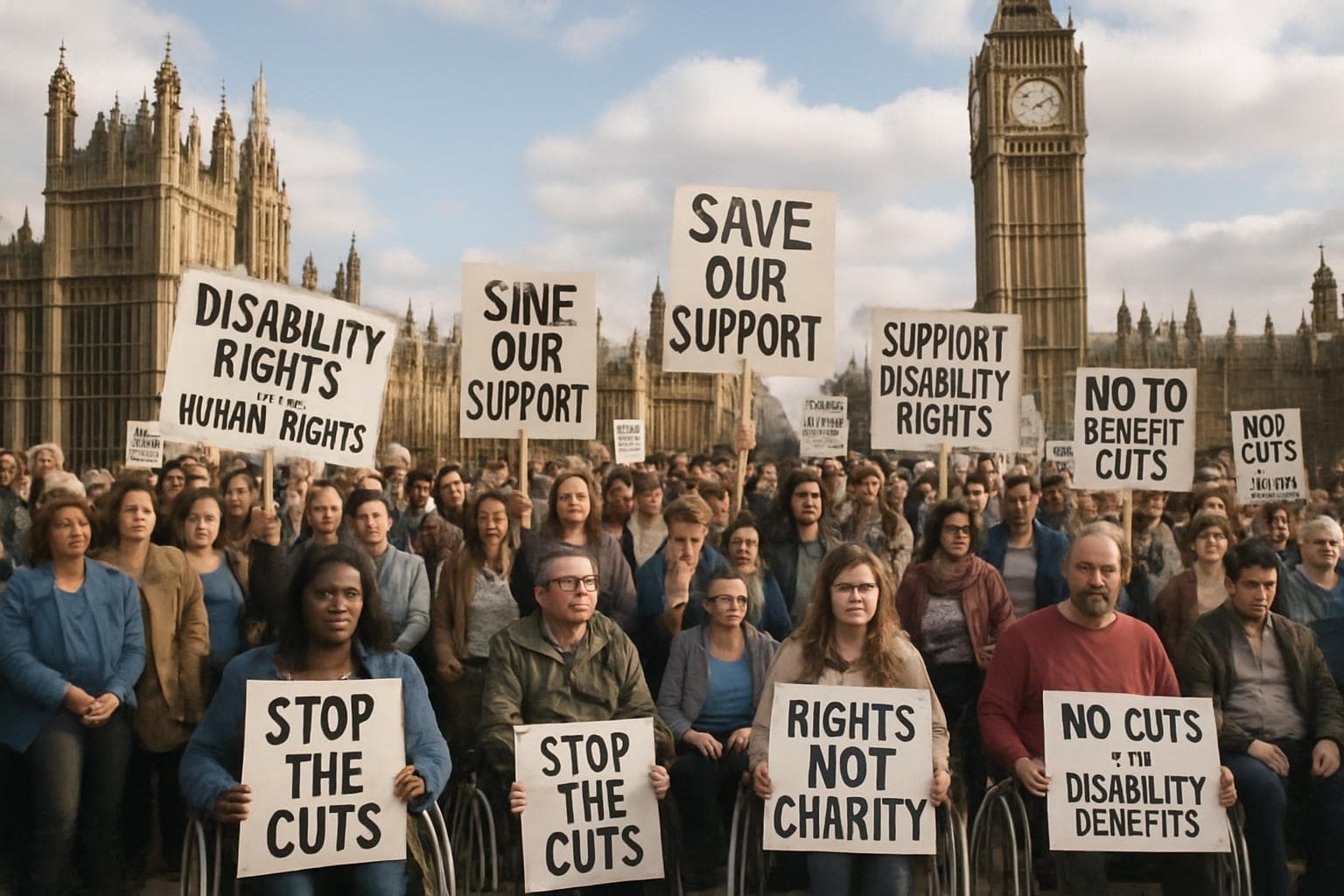
Jacqueline Robinson, a protester from Greater Manchester, joined hundreds in Parliament Square to oppose the reforms, arguing that the government is prioritizing cost-saving measures over the well-being of disabled individuals. "People with disabilities don't need more cuts; we need more support," she stated. The protests come as the government plans to implement stricter daily living assessments for PIP claimants from November 2026, a move that has been criticized for potentially creating a "two-tier" system among the disabled community.
Government Concessions and Timms Review
In response to mounting pressure, the government has agreed to delay changes to PIP until the completion of the Timms review, which will assess the entire welfare system. Welfare Minister Stephen Timms announced that the review's findings, expected next autumn, will guide any future adjustments to disability payments. Despite these concessions, the proposed reforms have already caused significant unrest within the Labour Party, with over 120 MPs initially threatening to rebel.
Impact on Disabled Individuals
Disability campaigners, including Joshua Reeves from Cardiff, have voiced concerns that the reforms could further marginalize disabled individuals. Reeves, who relies on reasonable adjustments for work due to cerebral palsy, fears that cuts to PIP and access to work could lead to increased hardship. "If they cut PIP, disabled people are going to fall even more to the ground than they already are on," he warned.
Fast-Tracking Support Initiatives
As part of the revised package, the government has committed to fast-tracking a £1bn support plan aimed at helping disabled individuals enter the workforce. Originally scheduled for 2029, this initiative is intended to provide record levels of support, according to Work and Pensions Secretary Liz Kendall. However, critics argue that the plan does not adequately address the immediate needs of those affected by the proposed benefit cuts.
WHAT THIS MIGHT MEAN
The government's decision to delay changes to PIP until after the Timms review offers a temporary reprieve for those concerned about the impact of the reforms. However, the outcome of the review will be crucial in determining the future of disability benefits in the UK. If the review leads to more inclusive criteria, it could mitigate some of the current concerns. Conversely, if the proposed higher thresholds remain, it may deepen divisions within the disabled community and lead to further political fallout.
Politically, Prime Minister Starmer's handling of the situation could have lasting implications for his leadership. Successfully navigating the rebellion within his party may strengthen his position, but failure to address the concerns of disability rights activists could erode public trust. As the debate continues, the government will need to balance fiscal responsibility with the needs of vulnerable populations to avoid further unrest.
Images from the Web

Related Articles

Labour MP's Husband Arrested in UK-China Espionage Probe

UK Faces Dilemmas Amid Iran Conflict and China Spying Allegations
UK Government to Reform Asylum Seeker Support and Employment Policies

UK-Iran Tensions: Starmer Defends Cautious Approach Amid Trump Criticism

Diplomatic Tensions Rise as Trump Criticizes Starmer's Iran Policy
UK Government Considers Removing Andrew Mountbatten-Windsor from Royal Succession Amid Arrest
UK Government Faces Backlash Over Disability Benefit Reforms
In This Article
 Ethan Brooks| Published
 HIGHLIGHTS
- UK Prime Minister Keir Starmer faces backlash over proposed disability benefit cuts, prompting a U-turn to avoid a major Labour MPs rebellion.
- The government plans to tighten eligibility for Personal Independence Payments (PIP) from November 2026, sparking protests from disability rights activists.
- A £1bn support plan to help disabled people into work will be fast-tracked, originally scheduled for 2029.
- The Timms review will assess the welfare system, delaying changes to PIP until its conclusion next autumn.
- Disability campaigners warn the reforms could create a "two-tier" benefit system, dividing the disabled community.
The UK government's proposed changes to disability benefits have sparked widespread protests and a significant political backlash, forcing Prime Minister Keir Starmer to make concessions to avoid a major rebellion within his party. The controversial welfare reforms, which include tightening eligibility for Personal Independence Payments (PIP), have been met with fierce opposition from disability rights activists and Labour MPs alike.
Protests and Political Pressure
Jacqueline Robinson, a protester from Greater Manchester, joined hundreds in Parliament Square to oppose the reforms, arguing that the government is prioritizing cost-saving measures over the well-being of disabled individuals. "People with disabilities don't need more cuts; we need more support," she stated. The protests come as the government plans to implement stricter daily living assessments for PIP claimants from November 2026, a move that has been criticized for potentially creating a "two-tier" system among the disabled community.
Government Concessions and Timms Review
In response to mounting pressure, the government has agreed to delay changes to PIP until the completion of the Timms review, which will assess the entire welfare system. Welfare Minister Stephen Timms announced that the review's findings, expected next autumn, will guide any future adjustments to disability payments. Despite these concessions, the proposed reforms have already caused significant unrest within the Labour Party, with over 120 MPs initially threatening to rebel.
Impact on Disabled Individuals
Disability campaigners, including Joshua Reeves from Cardiff, have voiced concerns that the reforms could further marginalize disabled individuals. Reeves, who relies on reasonable adjustments for work due to cerebral palsy, fears that cuts to PIP and access to work could lead to increased hardship. "If they cut PIP, disabled people are going to fall even more to the ground than they already are on," he warned.
Fast-Tracking Support Initiatives
As part of the revised package, the government has committed to fast-tracking a £1bn support plan aimed at helping disabled individuals enter the workforce. Originally scheduled for 2029, this initiative is intended to provide record levels of support, according to Work and Pensions Secretary Liz Kendall. However, critics argue that the plan does not adequately address the immediate needs of those affected by the proposed benefit cuts.
WHAT THIS MIGHT MEAN
The government's decision to delay changes to PIP until after the Timms review offers a temporary reprieve for those concerned about the impact of the reforms. However, the outcome of the review will be crucial in determining the future of disability benefits in the UK. If the review leads to more inclusive criteria, it could mitigate some of the current concerns. Conversely, if the proposed higher thresholds remain, it may deepen divisions within the disabled community and lead to further political fallout.
Politically, Prime Minister Starmer's handling of the situation could have lasting implications for his leadership. Successfully navigating the rebellion within his party may strengthen his position, but failure to address the concerns of disability rights activists could erode public trust. As the debate continues, the government will need to balance fiscal responsibility with the needs of vulnerable populations to avoid further unrest.
Images from the Web
Related Articles
Labour MP's Husband Arrested in UK-China Espionage Probe
UK Faces Dilemmas Amid Iran Conflict and China Spying Allegations
UK Government to Reform Asylum Seeker Support and Employment Policies
UK-Iran Tensions: Starmer Defends Cautious Approach Amid Trump Criticism
Diplomatic Tensions Rise as Trump Criticizes Starmer's Iran Policy
UK Government Considers Removing Andrew Mountbatten-Windsor from Royal Succession Amid Arrest