
UK Set to Experience Hottest Summer on Record, Met Office Reports
In This Article
HIGHLIGHTS
- The UK is poised to record its hottest summer, with a mean temperature of 16.13°C, surpassing the 2018 record of 15.76°C.
- Four heatwaves have occurred, with the highest temperature reaching 35.8°C in Faversham, Kent, on July 1.
- The Met Office attributes the consistent warmth to climate change, dry ground, and high-pressure systems.
- England faces significant water shortages, with hosepipe bans in place due to low rainfall and dry conditions.
- The Met Office will confirm the record-breaking status of summer 2025 on September 1.
The United Kingdom is on the brink of recording its hottest summer, with provisional data from the Met Office indicating a mean temperature of 16.13°C (61.03°F). This surpasses the previous record of 15.76°C (60.37°F) set in 2018, marking a significant milestone in the country's climatic history.
Heatwaves and Record Temperatures
This summer has been characterized by four distinct heatwaves, with temperatures peaking at 35.8°C (96.4°F) in Faversham, Kent, on July 1. While this is below the UK's all-time high of 40.3°C (104.5°F) recorded in July 2022, the persistent heat has been notable. The Met Office's Emily Carlisle stated, "Provisional Met Office statistics show that summer 2025 will almost certainly be the warmest summer on record."
Climate Change and Weather Patterns
Meteorologists attribute this year's consistent warmth to several factors, including climate change, which has seen the UK warming at approximately 0.25°C per decade. High-pressure systems, dry ground conditions, and unusually warm seas around the UK have also contributed to the prolonged heat. The Met Office highlighted that minimum temperatures have been exceptionally above average, further exacerbating the situation.
Water Shortages and Hosepipe Bans
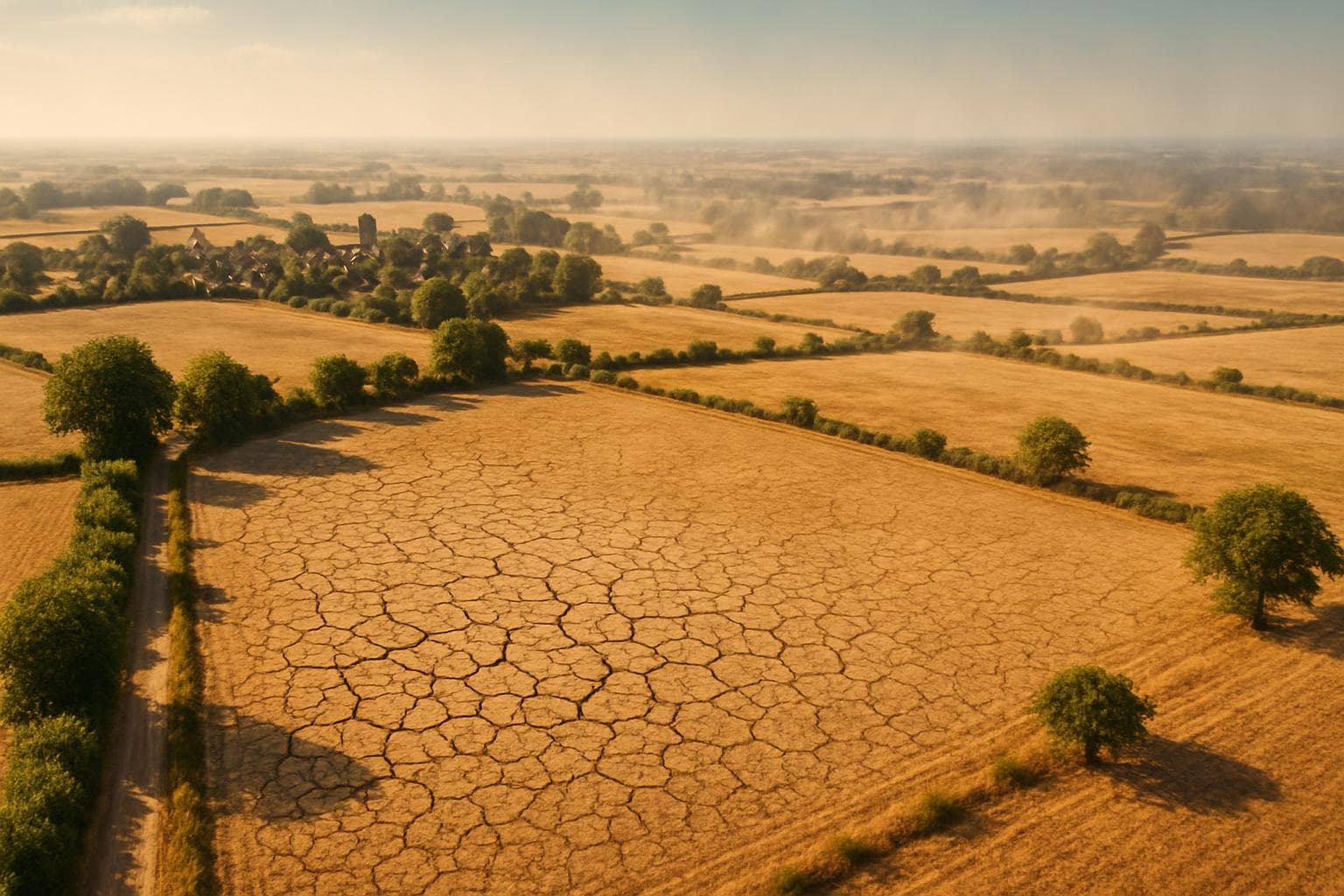
The dry conditions have led to significant water shortages across England, prompting the government to implement hosepipe bans in many areas. With only 72% of the average summer rainfall recorded so far, reservoirs, rivers, and groundwater levels are critically low. The Met Office will officially announce whether this summer has been the warmest on record on September 1, when the meteorological season concludes.
WHAT THIS MIGHT MEAN
As the UK braces for the official confirmation of its hottest summer, the implications of this climatic shift are profound. Experts warn that continued warming could lead to more frequent and intense heatwaves, exacerbating water shortages and impacting agriculture. The government may need to implement more stringent water conservation measures and invest in infrastructure to mitigate the effects of climate change. Additionally, the persistent heat underscores the urgent need for global climate action to curb emissions and prevent further environmental degradation.
Images from the Web

Related Articles

Saharan Dust to Illuminate UK Skies with Vivid Sunrises and Sunsets

Crackdown on Waste Crime: £1.2 Million Fine and New Drone Unit to Combat Illegal Dumping

Breakthrough Drug Offers Hope for Children with Severe Epilepsy

Government Announces £4 Billion Overhaul of SEND Support in England

UK Government Announces Major Overhaul of SEND System with £3.4 Billion Investment

Government Unveils Ambitious Plan to Halve Attainment Gap in England's Schools
UK Set to Experience Hottest Summer on Record, Met Office Reports
In This Article
 Leila Hassan| Published
 HIGHLIGHTS
- The UK is poised to record its hottest summer, with a mean temperature of 16.13°C, surpassing the 2018 record of 15.76°C.
- Four heatwaves have occurred, with the highest temperature reaching 35.8°C in Faversham, Kent, on July 1.
- The Met Office attributes the consistent warmth to climate change, dry ground, and high-pressure systems.
- England faces significant water shortages, with hosepipe bans in place due to low rainfall and dry conditions.
- The Met Office will confirm the record-breaking status of summer 2025 on September 1.
The United Kingdom is on the brink of recording its hottest summer, with provisional data from the Met Office indicating a mean temperature of 16.13°C (61.03°F). This surpasses the previous record of 15.76°C (60.37°F) set in 2018, marking a significant milestone in the country's climatic history.
Heatwaves and Record Temperatures
This summer has been characterized by four distinct heatwaves, with temperatures peaking at 35.8°C (96.4°F) in Faversham, Kent, on July 1. While this is below the UK's all-time high of 40.3°C (104.5°F) recorded in July 2022, the persistent heat has been notable. The Met Office's Emily Carlisle stated, "Provisional Met Office statistics show that summer 2025 will almost certainly be the warmest summer on record."
Climate Change and Weather Patterns
Meteorologists attribute this year's consistent warmth to several factors, including climate change, which has seen the UK warming at approximately 0.25°C per decade. High-pressure systems, dry ground conditions, and unusually warm seas around the UK have also contributed to the prolonged heat. The Met Office highlighted that minimum temperatures have been exceptionally above average, further exacerbating the situation.
Water Shortages and Hosepipe Bans
The dry conditions have led to significant water shortages across England, prompting the government to implement hosepipe bans in many areas. With only 72% of the average summer rainfall recorded so far, reservoirs, rivers, and groundwater levels are critically low. The Met Office will officially announce whether this summer has been the warmest on record on September 1, when the meteorological season concludes.
WHAT THIS MIGHT MEAN
As the UK braces for the official confirmation of its hottest summer, the implications of this climatic shift are profound. Experts warn that continued warming could lead to more frequent and intense heatwaves, exacerbating water shortages and impacting agriculture. The government may need to implement more stringent water conservation measures and invest in infrastructure to mitigate the effects of climate change. Additionally, the persistent heat underscores the urgent need for global climate action to curb emissions and prevent further environmental degradation.
Images from the Web
Related Articles
Saharan Dust to Illuminate UK Skies with Vivid Sunrises and Sunsets
Crackdown on Waste Crime: £1.2 Million Fine and New Drone Unit to Combat Illegal Dumping
Breakthrough Drug Offers Hope for Children with Severe Epilepsy
Government Announces £4 Billion Overhaul of SEND Support in England
UK Government Announces Major Overhaul of SEND System with £3.4 Billion Investment
Government Unveils Ambitious Plan to Halve Attainment Gap in England's Schools