
UK Government Concedes on Welfare Reforms Amid Labour Rebellion
In This Article
HIGHLIGHTS
- The UK government made significant concessions on welfare reforms after facing a potential defeat in the House of Commons.
- Labour leader Keir Starmer admitted to mishandling the situation due to his focus on foreign affairs, leading to a delayed response.
- Changes include limiting cuts to Personal Independence Payment (PIP) for new claimants and adjusting Universal Credit in line with inflation.
- Labour MPs expressed satisfaction with the concessions, although some remain unconvinced and plan to vote against the bill.
- The episode has raised questions about Starmer's leadership and political strategy within his party.
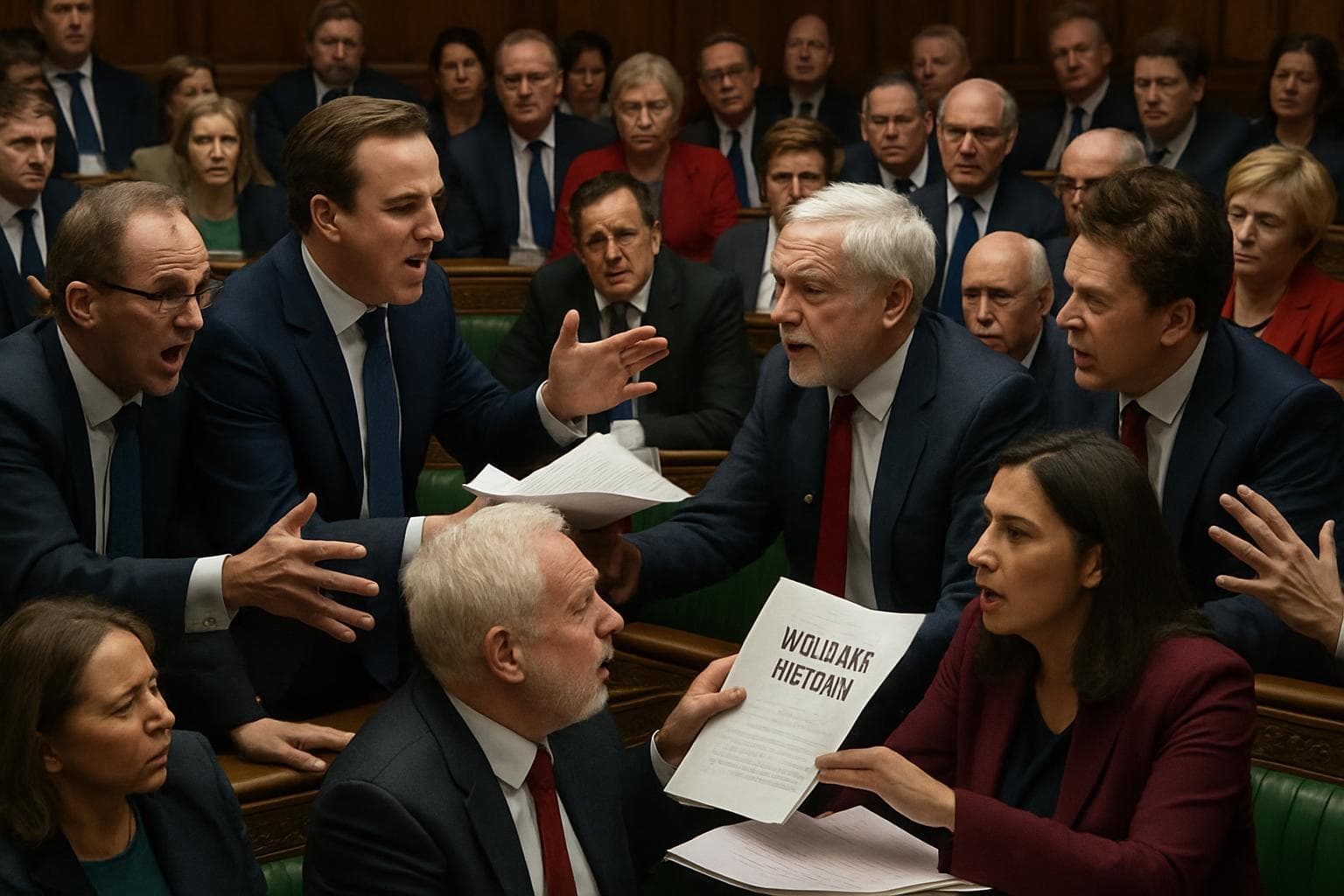
The UK government has announced significant concessions on its proposed welfare reforms following a potential rebellion from Labour MPs. The changes come after more than 120 Labour backbenchers threatened to vote against the government's initial plans, which aimed to save £5 billion annually by tightening eligibility for Personal Independence Payment (PIP) and freezing the health-related component of Universal Credit.
Government Concessions and Reactions
Health Secretary Wes Streeting stated that the government is now in a "better position" to pass the welfare reforms, acknowledging that Labour's leadership initially mishandled the rollout of the bill. The concessions include limiting PIP cuts to new claimants only and ensuring that Universal Credit payments rise in line with inflation for existing recipients. Disabilities Minister Sir Stephen Timms will lead a review of the PIP assessment process, co-produced with disabled individuals.
Labour MP Louise Haigh, a leading figure among the rebels, expressed her support for the revised bill, noting that the changes protect the incomes of nearly 400,000 disabled people. Despite the concessions, some Labour MPs remain unconvinced and plan to vote against the proposals.
Starmer's Admission and Leadership Challenges
Labour leader Keir Starmer admitted to losing grip on the situation due to his focus on foreign affairs, including NATO and Middle East issues. He acknowledged that more outreach to backbench MPs should have been conducted earlier. This marks Starmer's third recent admission of missteps, as he seeks to reset his leadership and address internal dissent.
Work and Pensions Secretary Liz Kendall announced the changes at midnight last Thursday, aiming to secure support for the bill. Starmer and his team are working to minimize the size of the revolt ahead of the upcoming vote.
WHAT THIS MIGHT MEAN
The government's concessions on welfare reforms may stabilize the situation temporarily, but the episode has highlighted vulnerabilities in Keir Starmer's leadership. As Labour leader, Starmer faces the challenge of uniting his party while addressing pressing domestic and international issues. The upcoming vote will test his ability to manage internal dissent and maintain party cohesion.
If the bill passes with minimal opposition, it could strengthen Starmer's position and demonstrate his capacity to adapt and respond to party concerns. However, continued resistance from Labour MPs could signal deeper divisions within the party, potentially impacting Starmer's leadership and future policy initiatives.
Related Articles

UK-Iran Tensions: Starmer Defends Cautious Approach Amid Trump Criticism

Diplomatic Tensions Rise as Trump Criticizes Starmer's Iran Policy

UK Faces Dilemmas Amid Iran Conflict and China Spying Allegations

UK Reinforces Military Presence in Cyprus Amid Middle East Tensions

Labour MP's Husband Arrested in UK-China Espionage Probe

Prince Andrew's Ties to Epstein Under Scrutiny Amid Calls for Inquiry
UK Government Concedes on Welfare Reforms Amid Labour Rebellion
In This Article
 Ethan Brooks| Published
 HIGHLIGHTS
- The UK government made significant concessions on welfare reforms after facing a potential defeat in the House of Commons.
- Labour leader Keir Starmer admitted to mishandling the situation due to his focus on foreign affairs, leading to a delayed response.
- Changes include limiting cuts to Personal Independence Payment (PIP) for new claimants and adjusting Universal Credit in line with inflation.
- Labour MPs expressed satisfaction with the concessions, although some remain unconvinced and plan to vote against the bill.
- The episode has raised questions about Starmer's leadership and political strategy within his party.
The UK government has announced significant concessions on its proposed welfare reforms following a potential rebellion from Labour MPs. The changes come after more than 120 Labour backbenchers threatened to vote against the government's initial plans, which aimed to save £5 billion annually by tightening eligibility for Personal Independence Payment (PIP) and freezing the health-related component of Universal Credit.
Government Concessions and Reactions
Health Secretary Wes Streeting stated that the government is now in a "better position" to pass the welfare reforms, acknowledging that Labour's leadership initially mishandled the rollout of the bill. The concessions include limiting PIP cuts to new claimants only and ensuring that Universal Credit payments rise in line with inflation for existing recipients. Disabilities Minister Sir Stephen Timms will lead a review of the PIP assessment process, co-produced with disabled individuals.
Labour MP Louise Haigh, a leading figure among the rebels, expressed her support for the revised bill, noting that the changes protect the incomes of nearly 400,000 disabled people. Despite the concessions, some Labour MPs remain unconvinced and plan to vote against the proposals.
Starmer's Admission and Leadership Challenges
Labour leader Keir Starmer admitted to losing grip on the situation due to his focus on foreign affairs, including NATO and Middle East issues. He acknowledged that more outreach to backbench MPs should have been conducted earlier. This marks Starmer's third recent admission of missteps, as he seeks to reset his leadership and address internal dissent.
Work and Pensions Secretary Liz Kendall announced the changes at midnight last Thursday, aiming to secure support for the bill. Starmer and his team are working to minimize the size of the revolt ahead of the upcoming vote.
WHAT THIS MIGHT MEAN
The government's concessions on welfare reforms may stabilize the situation temporarily, but the episode has highlighted vulnerabilities in Keir Starmer's leadership. As Labour leader, Starmer faces the challenge of uniting his party while addressing pressing domestic and international issues. The upcoming vote will test his ability to manage internal dissent and maintain party cohesion.
If the bill passes with minimal opposition, it could strengthen Starmer's position and demonstrate his capacity to adapt and respond to party concerns. However, continued resistance from Labour MPs could signal deeper divisions within the party, potentially impacting Starmer's leadership and future policy initiatives.
Related Articles
UK-Iran Tensions: Starmer Defends Cautious Approach Amid Trump Criticism
Diplomatic Tensions Rise as Trump Criticizes Starmer's Iran Policy
UK Faces Dilemmas Amid Iran Conflict and China Spying Allegations
UK Reinforces Military Presence in Cyprus Amid Middle East Tensions
Labour MP's Husband Arrested in UK-China Espionage Probe
Prince Andrew's Ties to Epstein Under Scrutiny Amid Calls for Inquiry