
Government Takes Control of Liberty Steel's South Yorkshire Plants Amid Insolvency
In This Article
HIGHLIGHTS
- The UK government has taken control of Liberty Steel's South Yorkshire plants to safeguard 1,450 jobs amid insolvency proceedings.
- A High Court ruling deemed Speciality Steels UK "hopelessly insolvent," with only £600,000 in the bank against a £3.7m monthly wage bill.
- The government appointed Teneo as special managers to oversee operations while seeking potential buyers to restart steel production.
- Sanjeev Gupta's attempts to secure funding and delay the winding-up order were rejected, citing uncertainty over financial backing.
- The situation follows the collapse of Greensill Capital, which had significant financial ties to Gupta's GFG Alliance.
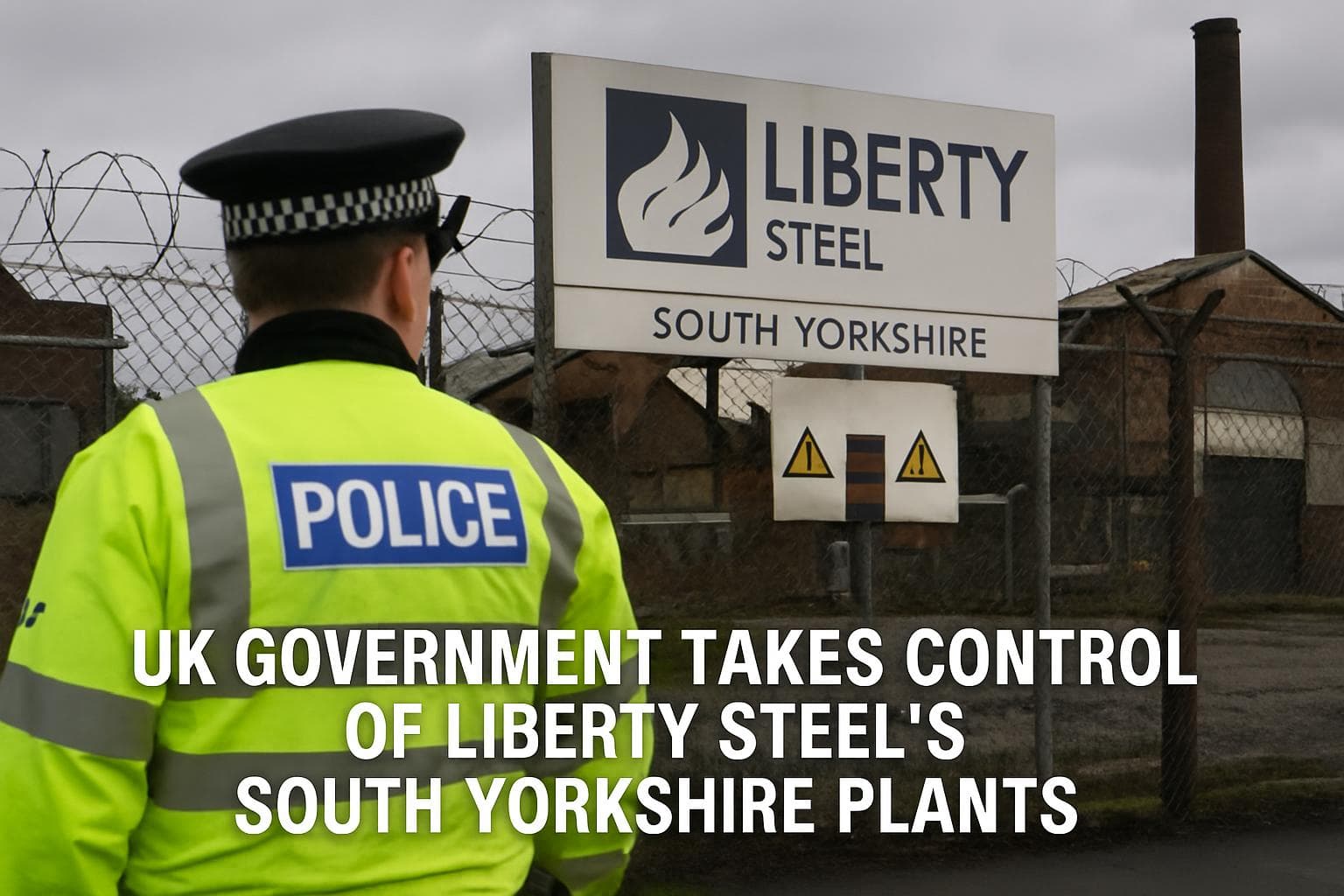
In a decisive move to protect 1,450 jobs, the UK government has taken control of Liberty Steel's South Yorkshire operations following a High Court ruling that placed the company into insolvency. The court's decision to wind up Speciality Steels UK (SSUK), a key part of Sanjeev Gupta's Liberty Steel group, comes after the company was deemed "hopelessly insolvent" with just £600,000 in its accounts against a monthly wage bill of £3.7 million.
Insolvency and Government Intervention
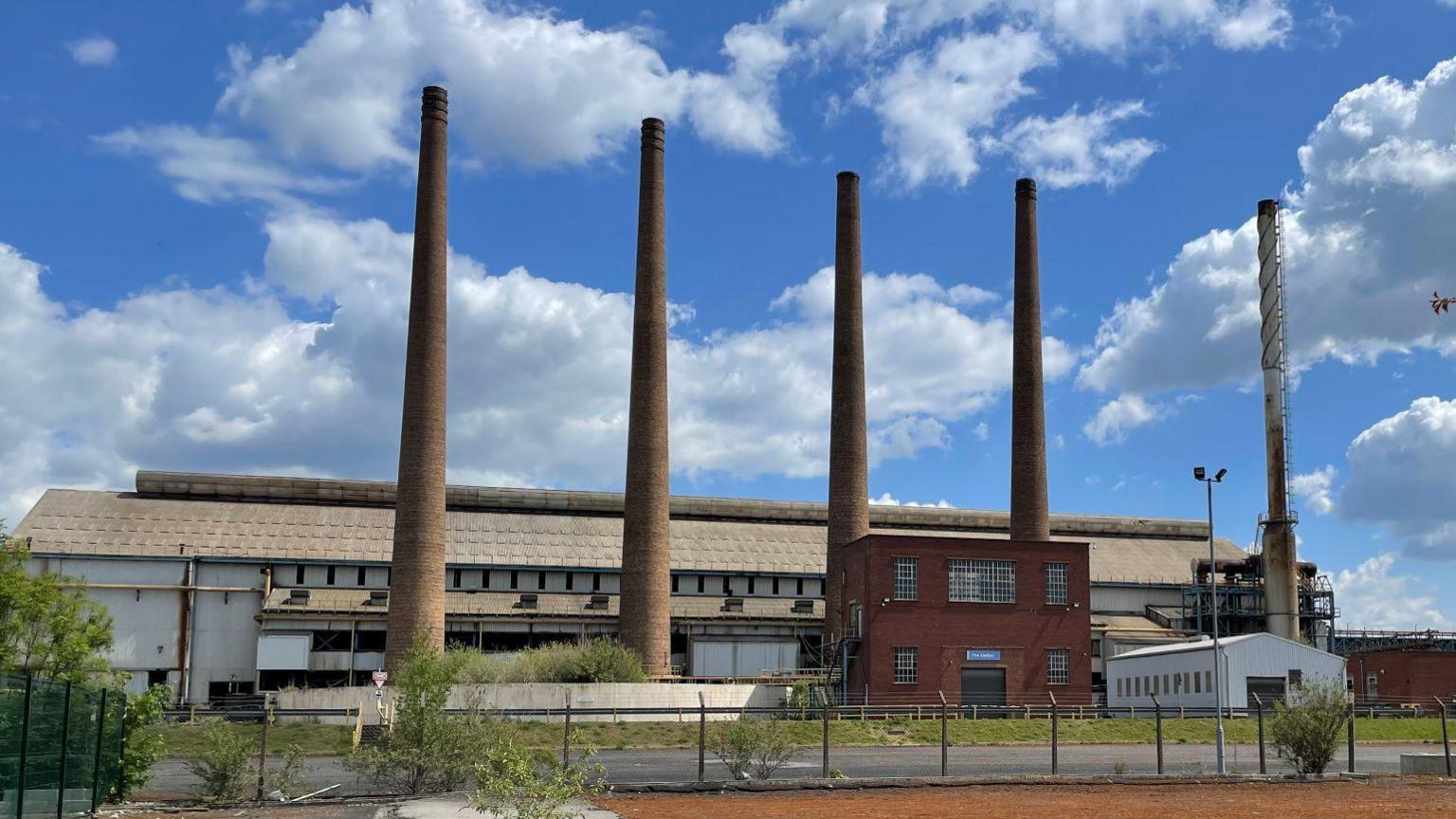
The insolvency proceedings were initiated by creditors owed hundreds of millions of pounds, leading to the appointment of the government's official receiver and consultancy firm Teneo as special managers. The government has committed to covering ongoing wages and operational costs while actively seeking a buyer to revive steel production at the Rotherham and Stocksbridge plants.
Failed Attempts to Delay Proceedings
Sanjeev Gupta, once hailed as the "saviour of steel," sought a four-week adjournment to arrange a "pre-pack administration" that would allow the company to sell its assets to a bidder. Gupta's plan involved securing funding from investment firms BlackRock and Fidera to buy back the business. However, the court rejected this request, citing a lack of certainty regarding the availability of funds.
Strategic Importance and Future Prospects
The steelworks are considered strategic assets by the UK government, which has received interest from independent third parties keen on resuming steel production. Business Minister Jonathan Reynolds emphasized the importance of these assets to the national economy. This intervention marks the second such government action in the steel industry this year, following the takeover of British Steel's Scunthorpe plant.
Financial Turmoil and Legal Challenges
The financial instability of Liberty Steel is closely linked to the collapse of its main lender, Greensill Capital, which had extended approximately $4.5 billion to Gupta's GFG Alliance. The fallout from Greensill's collapse has left GFG under investigation by the UK's Serious Fraud Office for alleged fraud and money laundering.
WHAT THIS MIGHT MEAN
The government's intervention in Liberty Steel's South Yorkshire plants underscores the strategic importance of the steel industry to the UK economy. As the search for a buyer continues, the outcome could significantly impact the future of steel production in the region. If a suitable buyer is found, it could lead to a revival of operations and job security for the workforce. However, failure to secure a buyer could result in prolonged uncertainty and potential job losses.
The ongoing investigation into GFG Alliance by the Serious Fraud Office adds another layer of complexity to the situation. Should the investigation result in legal action, it could further complicate efforts to stabilize the company's operations. The broader implications for the UK steel industry hinge on the government's ability to navigate these challenges and secure a sustainable future for its strategic assets.
Images from the Web

Related Articles

Sisters Tragically Drown at Eryri National Park's Watkin Path

Prince Andrew's Ties to Epstein Under Scrutiny Amid Calls for Inquiry
Government Criticized for Mishandling Maccabi Tel Aviv Fan Ban

Prince Andrew's Arrest Intensifies Scrutiny on Royal Succession and Prince William's Future Role
UK Defence Faces Scrutiny Amid Ajax Armoured Vehicle Delays and Soldier Safety Concerns

Supreme Court Ruling Expands Compensation for Children Injured at Birth
Government Takes Control of Liberty Steel's South Yorkshire Plants Amid Insolvency
In This Article
 Ethan Brooks| Published
 HIGHLIGHTS
- The UK government has taken control of Liberty Steel's South Yorkshire plants to safeguard 1,450 jobs amid insolvency proceedings.
- A High Court ruling deemed Speciality Steels UK "hopelessly insolvent," with only £600,000 in the bank against a £3.7m monthly wage bill.
- The government appointed Teneo as special managers to oversee operations while seeking potential buyers to restart steel production.
- Sanjeev Gupta's attempts to secure funding and delay the winding-up order were rejected, citing uncertainty over financial backing.
- The situation follows the collapse of Greensill Capital, which had significant financial ties to Gupta's GFG Alliance.
In a decisive move to protect 1,450 jobs, the UK government has taken control of Liberty Steel's South Yorkshire operations following a High Court ruling that placed the company into insolvency. The court's decision to wind up Speciality Steels UK (SSUK), a key part of Sanjeev Gupta's Liberty Steel group, comes after the company was deemed "hopelessly insolvent" with just £600,000 in its accounts against a monthly wage bill of £3.7 million.
Insolvency and Government Intervention
The insolvency proceedings were initiated by creditors owed hundreds of millions of pounds, leading to the appointment of the government's official receiver and consultancy firm Teneo as special managers. The government has committed to covering ongoing wages and operational costs while actively seeking a buyer to revive steel production at the Rotherham and Stocksbridge plants.
Failed Attempts to Delay Proceedings
Sanjeev Gupta, once hailed as the "saviour of steel," sought a four-week adjournment to arrange a "pre-pack administration" that would allow the company to sell its assets to a bidder. Gupta's plan involved securing funding from investment firms BlackRock and Fidera to buy back the business. However, the court rejected this request, citing a lack of certainty regarding the availability of funds.
Strategic Importance and Future Prospects
The steelworks are considered strategic assets by the UK government, which has received interest from independent third parties keen on resuming steel production. Business Minister Jonathan Reynolds emphasized the importance of these assets to the national economy. This intervention marks the second such government action in the steel industry this year, following the takeover of British Steel's Scunthorpe plant.
Financial Turmoil and Legal Challenges
The financial instability of Liberty Steel is closely linked to the collapse of its main lender, Greensill Capital, which had extended approximately $4.5 billion to Gupta's GFG Alliance. The fallout from Greensill's collapse has left GFG under investigation by the UK's Serious Fraud Office for alleged fraud and money laundering.
WHAT THIS MIGHT MEAN
The government's intervention in Liberty Steel's South Yorkshire plants underscores the strategic importance of the steel industry to the UK economy. As the search for a buyer continues, the outcome could significantly impact the future of steel production in the region. If a suitable buyer is found, it could lead to a revival of operations and job security for the workforce. However, failure to secure a buyer could result in prolonged uncertainty and potential job losses.
The ongoing investigation into GFG Alliance by the Serious Fraud Office adds another layer of complexity to the situation. Should the investigation result in legal action, it could further complicate efforts to stabilize the company's operations. The broader implications for the UK steel industry hinge on the government's ability to navigate these challenges and secure a sustainable future for its strategic assets.
Images from the Web
Related Articles
Sisters Tragically Drown at Eryri National Park's Watkin Path
Prince Andrew's Ties to Epstein Under Scrutiny Amid Calls for Inquiry
Government Criticized for Mishandling Maccabi Tel Aviv Fan Ban
Prince Andrew's Arrest Intensifies Scrutiny on Royal Succession and Prince William's Future Role
UK Defence Faces Scrutiny Amid Ajax Armoured Vehicle Delays and Soldier Safety Concerns
Supreme Court Ruling Expands Compensation for Children Injured at Birth