
UK Heatwave Sparks Wildfire Warnings Amid Rising Temperatures
In This Article
HIGHLIGHTS
- The UK is experiencing a heatwave with temperatures reaching up to 32.2°C, prompting wildfire warnings from fire services.
- Fire services across the UK, including Northamptonshire, Devon, Somerset, and Staffordshire, have urged the public to avoid using barbecues and discarding cigarettes improperly to prevent wildfires.
- The National Fire Chiefs Council reported a 717% increase in wildfires compared to the same period in 2024, largely due to human activity.
- Amber heat alerts have been issued, with the UK Health Security Agency warning of potential health risks, especially for vulnerable populations.
- Climate change is exacerbating the frequency and intensity of heatwaves and wildfires, with scientists predicting even higher temperatures in the future.
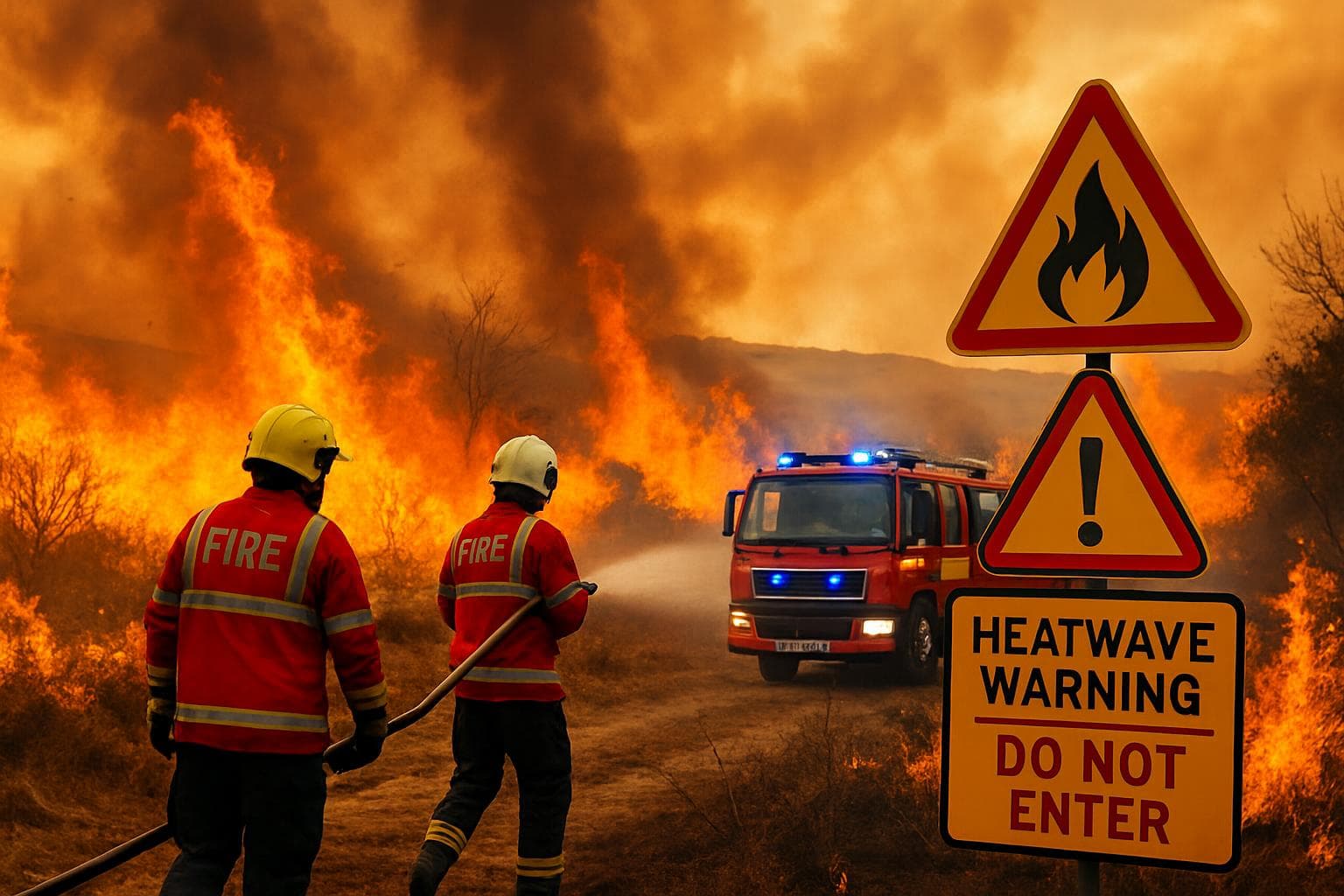
As the UK braces for a significant heatwave, fire services across the nation have issued urgent warnings about the heightened risk of wildfires. With temperatures forecasted to soar up to 32.2°C, the National Fire Chiefs Council (NFCC) has reported a staggering 717% increase in wildfires compared to the same period last year. This alarming trend has prompted fire services in Northamptonshire, Devon, Somerset, and Staffordshire to advise the public on fire safety measures to mitigate the risk.
Rising Temperatures and Fire Risks
The Met Office has forecasted temperatures ranging from 24°C to 31°C in Northamptonshire, marking the hottest period of 2025 so far. This heatwave, exacerbated by climate change, poses significant challenges, including potential infrastructure issues like train track buckling. Neil Sadler, area manager for operational response at Northampton Fire and Rescue Service, emphasized the importance of adhering to local fire bans and restrictions, urging residents to avoid unattended barbecues and improperly discarded cigarettes.
Public Safety Measures
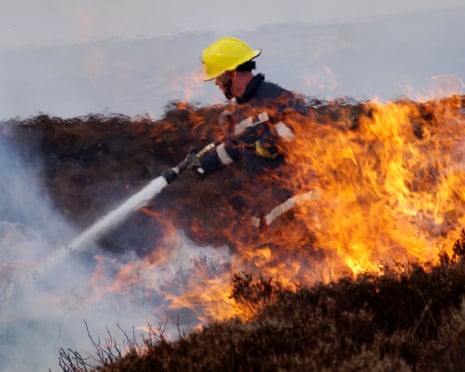
Fire services have highlighted that most wildfires are caused by human activity, either accidental or deliberate. The Devon and Somerset Fire Service has advised against campfires and barbecues in the countryside, stressing the importance of careful cigarette disposal. Station manager Ben Woodward from Staffordshire Fire and Rescue Service echoed these sentiments, urging the public to dispose of glass bottles properly and avoid using disposable barbecues in open areas.
Health and Environmental Concerns
The UK Health Security Agency (UKHSA) has issued amber heat alerts, warning of potential health risks, particularly for those over 65 or with pre-existing health conditions. The agency anticipates a rise in deaths across all nine English regions due to the extreme heat. The Met Office has also cautioned that temperatures could exceed 40°C in the near future, with climate scientists attributing this to global heating caused by fossil fuel consumption.
WHAT THIS MIGHT MEAN
As the UK continues to grapple with rising temperatures, the frequency and severity of wildfires are likely to increase, posing significant challenges for fire services and public safety. The government may need to implement stricter regulations on outdoor activities during heatwaves to mitigate risks. Additionally, the ongoing impact of climate change could necessitate more robust infrastructure and public health strategies to cope with extreme weather events. Experts suggest that proactive community engagement and education on fire safety could play a crucial role in preventing future incidents.
Images from the Web
Related Articles
Saharan Dust to Illuminate UK Skies with Vivid Sunrises and Sunsets

South West Water Faces Legal Repercussions Over Devon Parasite Outbreak

Canada and Australia Forge Strategic Partnership Amid Global Uncertainty

UK Government to Reform Asylum Seeker Support and Employment Policies
Middle East Conflict Drives UK Energy Prices to New Highs

UK Faces Dilemmas Amid Iran Conflict and China Spying Allegations
UK Heatwave Sparks Wildfire Warnings Amid Rising Temperatures
In This Article
 Leila Hassan| Published
 HIGHLIGHTS
- The UK is experiencing a heatwave with temperatures reaching up to 32.2°C, prompting wildfire warnings from fire services.
- Fire services across the UK, including Northamptonshire, Devon, Somerset, and Staffordshire, have urged the public to avoid using barbecues and discarding cigarettes improperly to prevent wildfires.
- The National Fire Chiefs Council reported a 717% increase in wildfires compared to the same period in 2024, largely due to human activity.
- Amber heat alerts have been issued, with the UK Health Security Agency warning of potential health risks, especially for vulnerable populations.
- Climate change is exacerbating the frequency and intensity of heatwaves and wildfires, with scientists predicting even higher temperatures in the future.
As the UK braces for a significant heatwave, fire services across the nation have issued urgent warnings about the heightened risk of wildfires. With temperatures forecasted to soar up to 32.2°C, the National Fire Chiefs Council (NFCC) has reported a staggering 717% increase in wildfires compared to the same period last year. This alarming trend has prompted fire services in Northamptonshire, Devon, Somerset, and Staffordshire to advise the public on fire safety measures to mitigate the risk.
Rising Temperatures and Fire Risks
The Met Office has forecasted temperatures ranging from 24°C to 31°C in Northamptonshire, marking the hottest period of 2025 so far. This heatwave, exacerbated by climate change, poses significant challenges, including potential infrastructure issues like train track buckling. Neil Sadler, area manager for operational response at Northampton Fire and Rescue Service, emphasized the importance of adhering to local fire bans and restrictions, urging residents to avoid unattended barbecues and improperly discarded cigarettes.
Public Safety Measures
Fire services have highlighted that most wildfires are caused by human activity, either accidental or deliberate. The Devon and Somerset Fire Service has advised against campfires and barbecues in the countryside, stressing the importance of careful cigarette disposal. Station manager Ben Woodward from Staffordshire Fire and Rescue Service echoed these sentiments, urging the public to dispose of glass bottles properly and avoid using disposable barbecues in open areas.
Health and Environmental Concerns
The UK Health Security Agency (UKHSA) has issued amber heat alerts, warning of potential health risks, particularly for those over 65 or with pre-existing health conditions. The agency anticipates a rise in deaths across all nine English regions due to the extreme heat. The Met Office has also cautioned that temperatures could exceed 40°C in the near future, with climate scientists attributing this to global heating caused by fossil fuel consumption.
WHAT THIS MIGHT MEAN
As the UK continues to grapple with rising temperatures, the frequency and severity of wildfires are likely to increase, posing significant challenges for fire services and public safety. The government may need to implement stricter regulations on outdoor activities during heatwaves to mitigate risks. Additionally, the ongoing impact of climate change could necessitate more robust infrastructure and public health strategies to cope with extreme weather events. Experts suggest that proactive community engagement and education on fire safety could play a crucial role in preventing future incidents.
Images from the Web
Related Articles
Saharan Dust to Illuminate UK Skies with Vivid Sunrises and Sunsets
South West Water Faces Legal Repercussions Over Devon Parasite Outbreak
Canada and Australia Forge Strategic Partnership Amid Global Uncertainty
UK Government to Reform Asylum Seeker Support and Employment Policies
Middle East Conflict Drives UK Energy Prices to New Highs
UK Faces Dilemmas Amid Iran Conflict and China Spying Allegations