
UK's Ban on Palestine Action Faces High Court Scrutiny
In This Article
HIGHLIGHTS
- The UK government’s ban on Palestine Action as a terrorist group is being challenged in the High Court as an "abuse of power."
- Lawyers argue the ban violates the European Convention on Human Rights and criminalizes legitimate protest.
- The Joint Terrorism Analysis Centre found most of Palestine Action's activities lawful, with only a few meeting the terrorism criteria.
- Over 170 arrests have been made since the ban, with many protesters detained for non-violent actions.
- The Home Office defends the ban, citing serious and escalating incidents despite most activities not being terrorism.
The UK government's decision to ban Palestine Action as a terrorist organization is under intense scrutiny in the High Court, with lawyers arguing that the move represents an authoritarian "abuse of power." The ban, enacted by Home Secretary Yvette Cooper and approved by Parliament, criminalizes membership or support for the group, potentially leading to up to 14 years in prison under terrorism legislation.
Legal Challenge and Human Rights Concerns
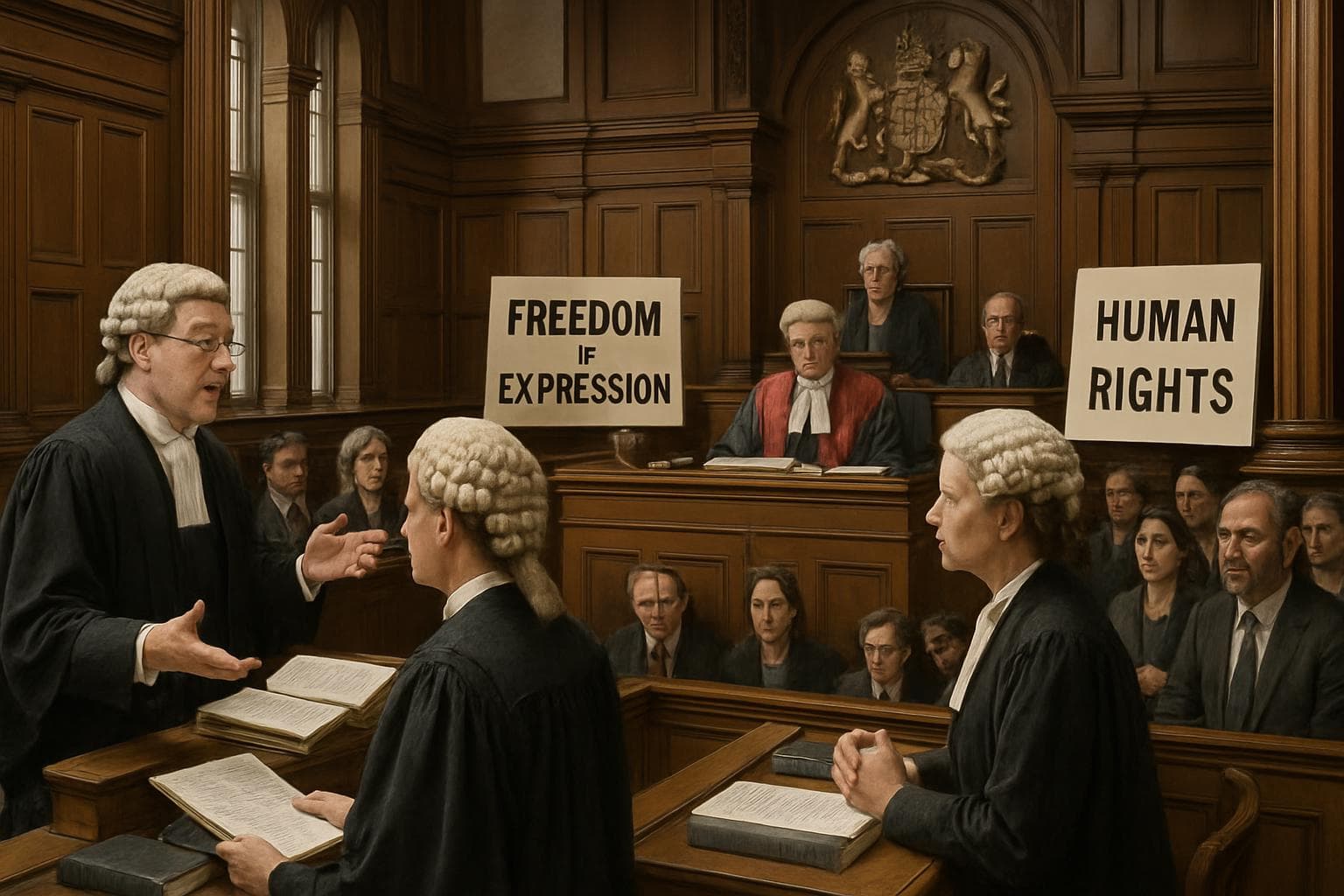
Huda Ammori, co-founder of Palestine Action, is challenging the ban, asserting that it contravenes the European Convention on Human Rights by stifling freedom of expression and assembly. Raza Husain KC, representing Ammori, described the proscription as "repugnant" and an international anomaly. He emphasized that the majority of the group's activities, as assessed by the Joint Terrorism Analysis Centre, do not meet the legal threshold for terrorism.
Impact on Protest and Arrests
Since the ban's implementation, more than 170 individuals have been arrested, many for peaceful protests. Incidents include a man in Leeds detained for holding a satirical magazine graphic and a 77-year-old woman arrested for a placard supporting non-violent action. Blinne Ní Ghrálaigh KC highlighted these cases, arguing that the ban has a chilling effect on legitimate protest.
Government's Stance and Legal Context
The Home Office, represented by Sir James Eadie KC, acknowledges that most of Palestine Action's activities are not terrorism but insists the ban is justified due to the seriousness and escalation of incidents. The decision followed activists allegedly causing £7 million in damage at RAF Brize Norton, which the group claims was in protest against military support to Israel.
Political and Security Considerations
The timing of the ban has also been questioned, with suggestions that political considerations outweighed national security risks. Foreign Office memos reportedly advised against a swift implementation due to potential domestic and international backlash.
WHAT THIS MIGHT MEAN
The High Court's decision on this case could set a significant precedent for how the UK balances national security with civil liberties. If the court rules against the ban, it may prompt a reevaluation of the criteria used to classify organizations as terrorist groups. Conversely, upholding the ban could lead to increased scrutiny of protest activities and further legal challenges on human rights grounds. Legal experts suggest that this case highlights the ongoing tension between state security measures and the protection of free speech and assembly.
Related Articles
UK Government to Reform Asylum Seeker Support and Employment Policies

UK Faces Dilemmas Amid Iran Conflict and China Spying Allegations
UK Reinforces Military Presence in Cyprus Amid Middle East Tensions

UK-Iran Tensions: Starmer Defends Cautious Approach Amid Trump Criticism
Persistent Safety Concerns in Nottingham Maternity Services Amidst Calls for Systemic Reform
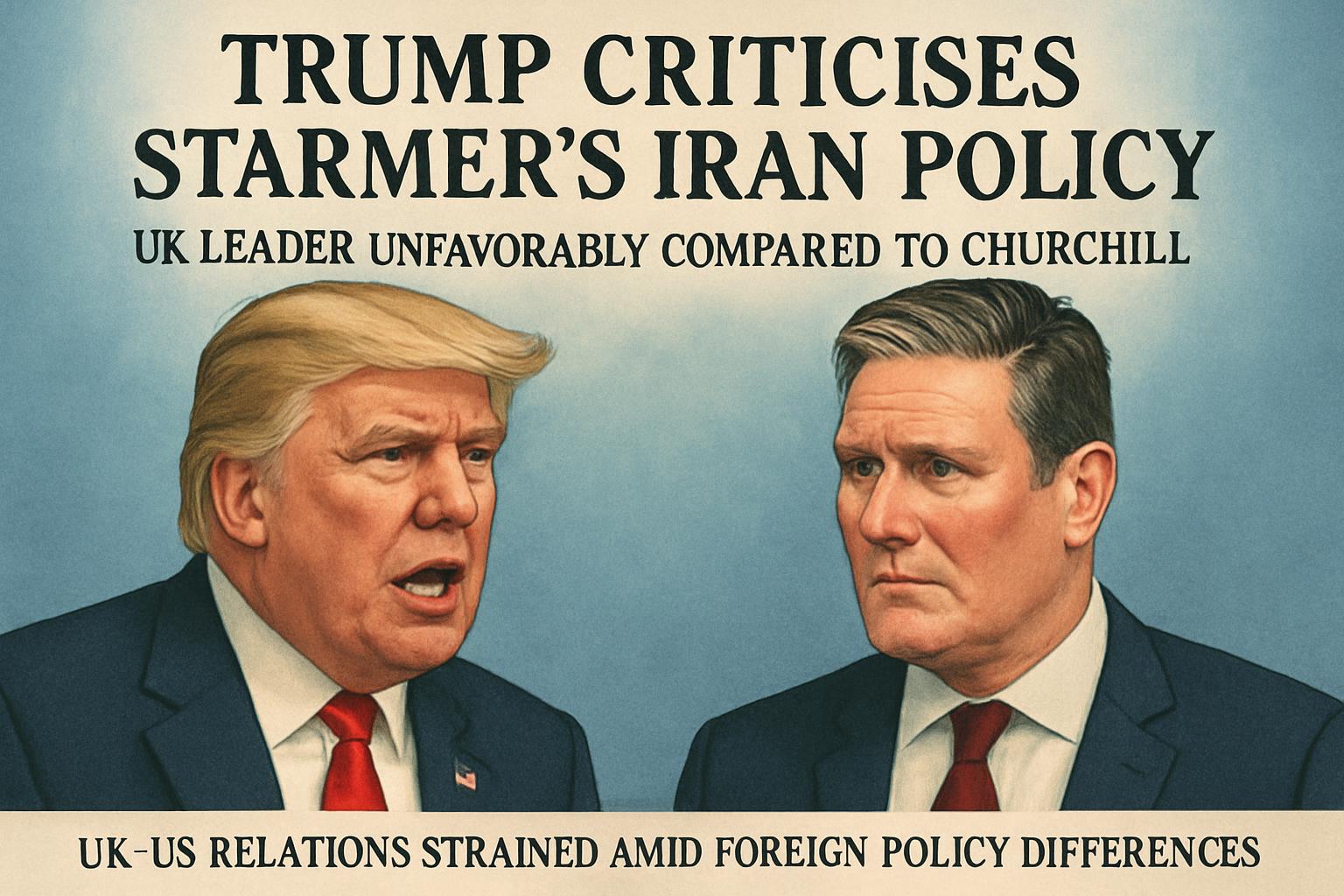
Diplomatic Tensions Rise as Trump Criticizes Starmer's Iran Policy
UK's Ban on Palestine Action Faces High Court Scrutiny
In This Article
 Ethan Brooks| Published
 HIGHLIGHTS
- The UK government’s ban on Palestine Action as a terrorist group is being challenged in the High Court as an "abuse of power."
- Lawyers argue the ban violates the European Convention on Human Rights and criminalizes legitimate protest.
- The Joint Terrorism Analysis Centre found most of Palestine Action's activities lawful, with only a few meeting the terrorism criteria.
- Over 170 arrests have been made since the ban, with many protesters detained for non-violent actions.
- The Home Office defends the ban, citing serious and escalating incidents despite most activities not being terrorism.
The UK government's decision to ban Palestine Action as a terrorist organization is under intense scrutiny in the High Court, with lawyers arguing that the move represents an authoritarian "abuse of power." The ban, enacted by Home Secretary Yvette Cooper and approved by Parliament, criminalizes membership or support for the group, potentially leading to up to 14 years in prison under terrorism legislation.
Legal Challenge and Human Rights Concerns
Huda Ammori, co-founder of Palestine Action, is challenging the ban, asserting that it contravenes the European Convention on Human Rights by stifling freedom of expression and assembly. Raza Husain KC, representing Ammori, described the proscription as "repugnant" and an international anomaly. He emphasized that the majority of the group's activities, as assessed by the Joint Terrorism Analysis Centre, do not meet the legal threshold for terrorism.
Impact on Protest and Arrests
Since the ban's implementation, more than 170 individuals have been arrested, many for peaceful protests. Incidents include a man in Leeds detained for holding a satirical magazine graphic and a 77-year-old woman arrested for a placard supporting non-violent action. Blinne Ní Ghrálaigh KC highlighted these cases, arguing that the ban has a chilling effect on legitimate protest.
Government's Stance and Legal Context
The Home Office, represented by Sir James Eadie KC, acknowledges that most of Palestine Action's activities are not terrorism but insists the ban is justified due to the seriousness and escalation of incidents. The decision followed activists allegedly causing £7 million in damage at RAF Brize Norton, which the group claims was in protest against military support to Israel.
Political and Security Considerations
The timing of the ban has also been questioned, with suggestions that political considerations outweighed national security risks. Foreign Office memos reportedly advised against a swift implementation due to potential domestic and international backlash.
WHAT THIS MIGHT MEAN
The High Court's decision on this case could set a significant precedent for how the UK balances national security with civil liberties. If the court rules against the ban, it may prompt a reevaluation of the criteria used to classify organizations as terrorist groups. Conversely, upholding the ban could lead to increased scrutiny of protest activities and further legal challenges on human rights grounds. Legal experts suggest that this case highlights the ongoing tension between state security measures and the protection of free speech and assembly.
Related Articles
UK Government to Reform Asylum Seeker Support and Employment Policies
UK Faces Dilemmas Amid Iran Conflict and China Spying Allegations
UK Reinforces Military Presence in Cyprus Amid Middle East Tensions
UK-Iran Tensions: Starmer Defends Cautious Approach Amid Trump Criticism
Persistent Safety Concerns in Nottingham Maternity Services Amidst Calls for Systemic Reform
Diplomatic Tensions Rise as Trump Criticizes Starmer's Iran Policy