
UK Inflation Decline Sparks Hopes for Interest Rate Cuts Amid Rising Food Costs
In This Article
HIGHLIGHTS
- UK inflation has decreased to 3.6%, signaling a potential turning point for the economy.
- The Bank of England may cut interest rates in December, affecting mortgage rates positively.
- Food prices continue to rise, prompting changes in consumer shopping habits.
- Rachel Reeves hints at budget measures to further reduce inflation, including a possible VAT cut on energy.
- The Bank of England's monetary policy committee remains divided on future interest rate strategies.
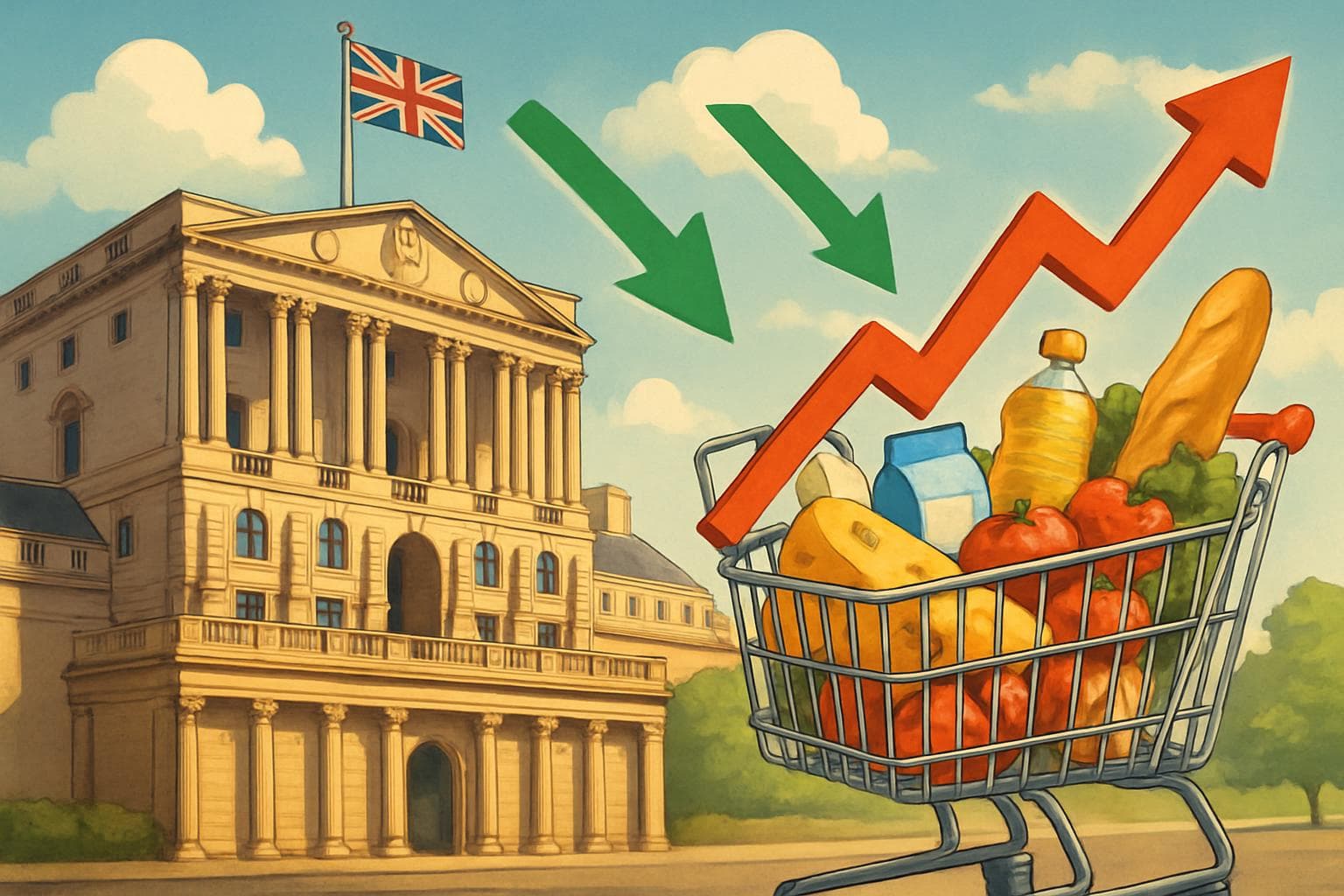
The recent dip in UK inflation to 3.6% has sparked optimism for a potential interest rate cut by the Bank of England, offering relief to mortgage holders and first-time buyers. This development comes as the cost of living continues to strain households, with food prices notably on the rise.
Inflation Trends and Economic Impact
After months of elevated inflation, the UK consumer prices index has eased from 3.8% to 3.6% as of October, marking a potential turning point for the economy. This decline is seen as a step towards normalcy following a turbulent year marked by fluctuating energy bills and surging food prices. The Bank of England's forecasts suggest inflation could reach its target of 2% by 2027, providing a glimmer of hope for both consumers and businesses.
Interest Rate Prospects
The prospect of an interest rate cut has already influenced lenders, with many reducing rates for new and existing fixed-rate mortgages. David Hollingworth of L&C mortgage brokers notes that some of the best rates are now available for home movers. The average rate for a new two-year fixed deal has fallen to 4.88%, while five-year deals average 4.93%.
Rising Food Prices and Consumer Behavior
Despite the overall decline in inflation, food prices continue to climb, affecting consumer behavior. According to the Bank of England, households are adjusting their shopping habits, opting for more vegetables and less meat to manage costs. Danni Hewson from AJ Bell highlights that staples like bread and potatoes have seen significant price increases.
Political and Policy Implications
Rachel Reeves, a key political figure, has hinted at upcoming budget measures aimed at accelerating the fall in prices, including a potential VAT cut on energy. The chancellor is keen to avoid the political fallout experienced by governments caught in the inflation spiral of 2022-23. However, the Bank of England's monetary policy committee remains divided on the future of interest rates, with some members advocating for maintaining higher rates to meet inflation targets.
WHAT THIS MIGHT MEAN
As the UK navigates this economic turning point, the potential interest rate cut by the Bank of England could provide much-needed relief to borrowers, particularly in the housing market. However, the persistent rise in food prices may continue to challenge household budgets, necessitating further policy interventions. Political leaders, including Rachel Reeves, are under pressure to implement effective measures to curb inflation and support economic recovery. The ongoing debate within the Bank of England's monetary policy committee highlights the complexity of balancing economic growth with inflation control, a challenge that will likely shape the UK's financial landscape in the coming months.
Related Articles
Trump's New Tariff Strategy Sparks Global Trade Uncertainty

US Supreme Court Ruling on Tariffs Sparks Uncertainty for UK and Global Trade
Middle East Conflict Drives UK Energy Prices to New Highs

Canada and Australia Forge Strategic Partnership Amid Global Uncertainty

UK Government to Reform Asylum Seeker Support and Employment Policies

UK Faces Dilemmas Amid Iran Conflict and China Spying Allegations
UK Inflation Decline Sparks Hopes for Interest Rate Cuts Amid Rising Food Costs
In This Article
 Daniel Rivera| Published
 HIGHLIGHTS
- UK inflation has decreased to 3.6%, signaling a potential turning point for the economy.
- The Bank of England may cut interest rates in December, affecting mortgage rates positively.
- Food prices continue to rise, prompting changes in consumer shopping habits.
- Rachel Reeves hints at budget measures to further reduce inflation, including a possible VAT cut on energy.
- The Bank of England's monetary policy committee remains divided on future interest rate strategies.
The recent dip in UK inflation to 3.6% has sparked optimism for a potential interest rate cut by the Bank of England, offering relief to mortgage holders and first-time buyers. This development comes as the cost of living continues to strain households, with food prices notably on the rise.
Inflation Trends and Economic Impact
After months of elevated inflation, the UK consumer prices index has eased from 3.8% to 3.6% as of October, marking a potential turning point for the economy. This decline is seen as a step towards normalcy following a turbulent year marked by fluctuating energy bills and surging food prices. The Bank of England's forecasts suggest inflation could reach its target of 2% by 2027, providing a glimmer of hope for both consumers and businesses.
Interest Rate Prospects
The prospect of an interest rate cut has already influenced lenders, with many reducing rates for new and existing fixed-rate mortgages. David Hollingworth of L&C mortgage brokers notes that some of the best rates are now available for home movers. The average rate for a new two-year fixed deal has fallen to 4.88%, while five-year deals average 4.93%.
Rising Food Prices and Consumer Behavior
Despite the overall decline in inflation, food prices continue to climb, affecting consumer behavior. According to the Bank of England, households are adjusting their shopping habits, opting for more vegetables and less meat to manage costs. Danni Hewson from AJ Bell highlights that staples like bread and potatoes have seen significant price increases.
Political and Policy Implications
Rachel Reeves, a key political figure, has hinted at upcoming budget measures aimed at accelerating the fall in prices, including a potential VAT cut on energy. The chancellor is keen to avoid the political fallout experienced by governments caught in the inflation spiral of 2022-23. However, the Bank of England's monetary policy committee remains divided on the future of interest rates, with some members advocating for maintaining higher rates to meet inflation targets.
WHAT THIS MIGHT MEAN
As the UK navigates this economic turning point, the potential interest rate cut by the Bank of England could provide much-needed relief to borrowers, particularly in the housing market. However, the persistent rise in food prices may continue to challenge household budgets, necessitating further policy interventions. Political leaders, including Rachel Reeves, are under pressure to implement effective measures to curb inflation and support economic recovery. The ongoing debate within the Bank of England's monetary policy committee highlights the complexity of balancing economic growth with inflation control, a challenge that will likely shape the UK's financial landscape in the coming months.
Related Articles
Trump's New Tariff Strategy Sparks Global Trade Uncertainty
US Supreme Court Ruling on Tariffs Sparks Uncertainty for UK and Global Trade
Middle East Conflict Drives UK Energy Prices to New Highs
Canada and Australia Forge Strategic Partnership Amid Global Uncertainty
UK Government to Reform Asylum Seeker Support and Employment Policies
UK Faces Dilemmas Amid Iran Conflict and China Spying Allegations