
UK Government Unveils £500 Million Plan to Revitalize Youth Services

In This Article
HIGHLIGHTS
- The UK government plans to invest £500 million in youth services over the next four years, aiming to build or refurbish 250 youth centres.
- The initiative includes the launch of 50 Young Future hubs, providing access to professional support for young people.
- Culture Secretary Lisa Nandy highlighted the "violent indifference" faced by young people and emphasized the need for urgent action.
- The strategy aims to connect 500,000 young people with trusted adults to enhance safety and resilience, especially online.
- Critics argue that the investment is a start but insufficient to fully restore the decimated youth services sector.
The UK government has announced a significant £500 million investment in youth services, aiming to address the pressing challenges faced by young people today. Over the next four years, this funding will be used to build or refurbish 250 youth centres across England and establish 50 new Young Future hubs. These hubs are designed to consolidate existing services and provide young people with access to professional support, including career guidance and safety resources.
A Generation in Need
Culture Secretary Lisa Nandy, speaking at the launch of the National Youth Strategy, emphasized the urgent need for this initiative. She described young people as the most digitally connected yet isolated generation, facing a "violent indifference" from political establishments over the decades. Nandy stated, "For too long, youth policy has been an afterthought. This generation deserves better."
The strategy aims to connect half a million young people with trusted adults, such as youth workers and volunteers, to help them navigate the complexities of the digital world and develop meaningful connections. The first Young Future hubs are expected to be operational by March 2026 in cities including Birmingham, Leeds, and Manchester.
Political and Social Reactions
The announcement has sparked varied reactions from political parties and organizations. The Liberal Democrats have called for more comprehensive reforms, particularly in the special needs system, while the YMCA has welcomed the investment but stressed the need for long-term funding to fully recover the sector. Shadow culture secretary Nigel Huddleston acknowledged the renewed investment but criticized past decisions that left many young people without essential opportunities.
Addressing Digital Isolation
The strategy also seeks to address the digital isolation experienced by young people, exacerbated by the COVID-19 pandemic and the cost of living crisis. Nandy highlighted the importance of teaching young people how to stay safe online and fostering resilience in an always-on digital world.
WHAT THIS MIGHT MEAN
The government's investment in youth services marks a significant step towards addressing the needs of young people, but its success will depend on effective implementation and sustained funding. Experts suggest that while the initiative is promising, it must be part of a broader, long-term strategy to rebuild the youth services sector comprehensively. Political analysts warn that without addressing systemic issues, such as the special needs system, the impact may be limited. As the first Young Future hubs become operational, their effectiveness in providing meaningful support will be closely scrutinized, potentially influencing future policy decisions.
Related Articles

UK Government Considers Removing Andrew Mountbatten-Windsor from Royal Succession Amid Arrest

Birmingham's Proactive Approach to Measles Outbreak Offers Lessons for North London

Government Criticized for Mishandling Maccabi Tel Aviv Fan Ban

Arrest of Andrew Mountbatten-Windsor Captured in Iconic Photograph
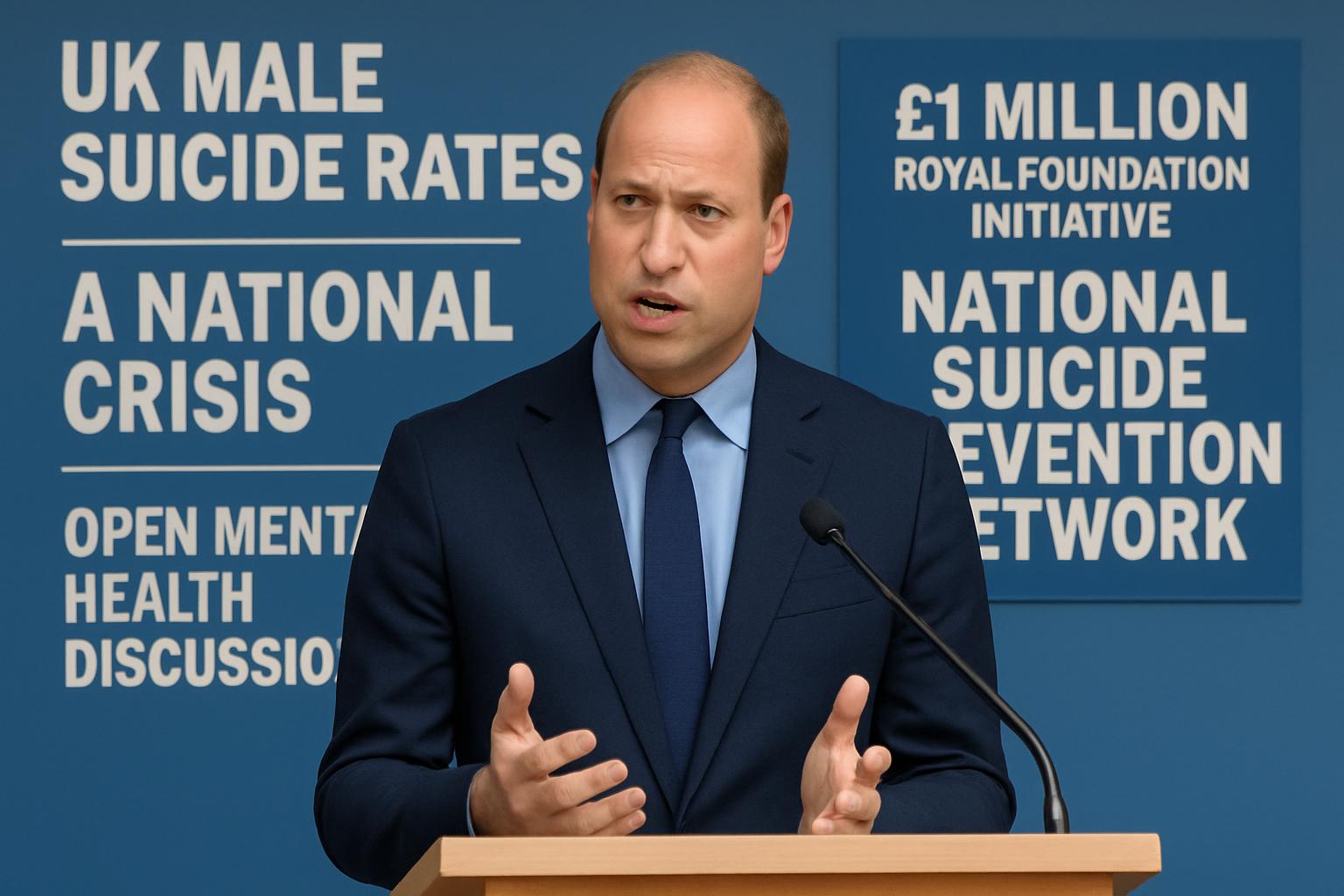
Prince William Calls for Action on UK Male Suicide Rates

Government Announces £4 Billion Overhaul of SEND Support in England
UK Government Unveils £500 Million Plan to Revitalize Youth Services
In This Article
 Ethan Brooks| Published
 HIGHLIGHTS
- The UK government plans to invest £500 million in youth services over the next four years, aiming to build or refurbish 250 youth centres.
- The initiative includes the launch of 50 Young Future hubs, providing access to professional support for young people.
- Culture Secretary Lisa Nandy highlighted the "violent indifference" faced by young people and emphasized the need for urgent action.
- The strategy aims to connect 500,000 young people with trusted adults to enhance safety and resilience, especially online.
- Critics argue that the investment is a start but insufficient to fully restore the decimated youth services sector.
The UK government has announced a significant £500 million investment in youth services, aiming to address the pressing challenges faced by young people today. Over the next four years, this funding will be used to build or refurbish 250 youth centres across England and establish 50 new Young Future hubs. These hubs are designed to consolidate existing services and provide young people with access to professional support, including career guidance and safety resources.
A Generation in Need
Culture Secretary Lisa Nandy, speaking at the launch of the National Youth Strategy, emphasized the urgent need for this initiative. She described young people as the most digitally connected yet isolated generation, facing a "violent indifference" from political establishments over the decades. Nandy stated, "For too long, youth policy has been an afterthought. This generation deserves better."
The strategy aims to connect half a million young people with trusted adults, such as youth workers and volunteers, to help them navigate the complexities of the digital world and develop meaningful connections. The first Young Future hubs are expected to be operational by March 2026 in cities including Birmingham, Leeds, and Manchester.
Political and Social Reactions
The announcement has sparked varied reactions from political parties and organizations. The Liberal Democrats have called for more comprehensive reforms, particularly in the special needs system, while the YMCA has welcomed the investment but stressed the need for long-term funding to fully recover the sector. Shadow culture secretary Nigel Huddleston acknowledged the renewed investment but criticized past decisions that left many young people without essential opportunities.
Addressing Digital Isolation
The strategy also seeks to address the digital isolation experienced by young people, exacerbated by the COVID-19 pandemic and the cost of living crisis. Nandy highlighted the importance of teaching young people how to stay safe online and fostering resilience in an always-on digital world.
WHAT THIS MIGHT MEAN
The government's investment in youth services marks a significant step towards addressing the needs of young people, but its success will depend on effective implementation and sustained funding. Experts suggest that while the initiative is promising, it must be part of a broader, long-term strategy to rebuild the youth services sector comprehensively. Political analysts warn that without addressing systemic issues, such as the special needs system, the impact may be limited. As the first Young Future hubs become operational, their effectiveness in providing meaningful support will be closely scrutinized, potentially influencing future policy decisions.
Related Articles
UK Government Considers Removing Andrew Mountbatten-Windsor from Royal Succession Amid Arrest
Birmingham's Proactive Approach to Measles Outbreak Offers Lessons for North London
Government Criticized for Mishandling Maccabi Tel Aviv Fan Ban
Arrest of Andrew Mountbatten-Windsor Captured in Iconic Photograph
Prince William Calls for Action on UK Male Suicide Rates
Government Announces £4 Billion Overhaul of SEND Support in England