
UK-Iraq Agreement Aims to Curb Illegal Migration and Small Boat Crossings
In This Article
HIGHLIGHTS
- The UK has signed a deal with Iraq to expedite the return of migrants without legal rights to remain in the UK.
- The agreement aims to deter small boat crossings, with over 27,000 such journeys recorded this year.
- Conservative critics label the deal as ineffective, noting a decline in Iraqi arrivals via small boats.
- The UK government has previously invested £800,000 to bolster Iraqi border security against people smuggling.
- Home Office Minister Dan Jarvis emphasized the deal's role in addressing shared challenges like organized crime and irregular migration.
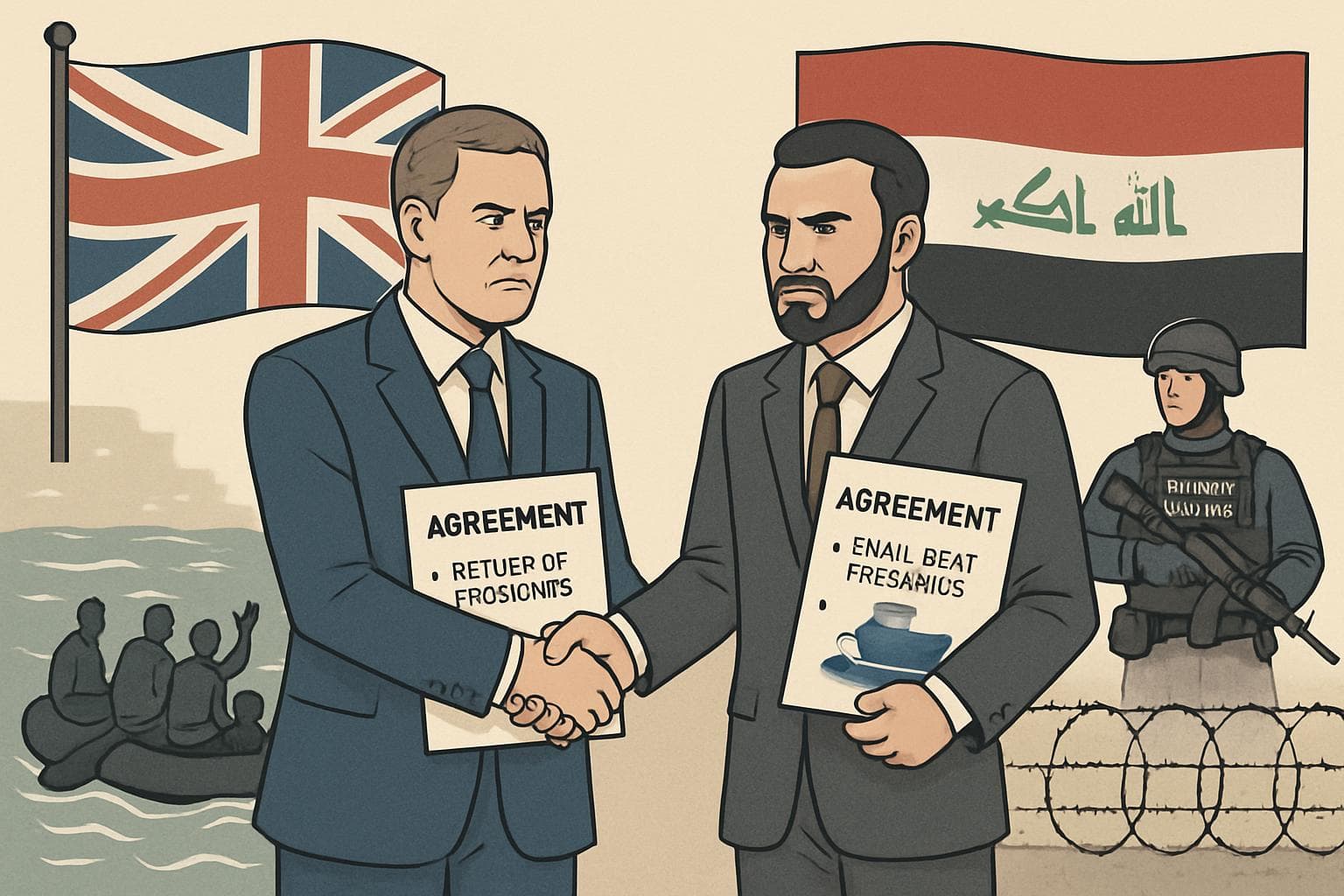
In a bid to tackle illegal migration, the UK has formalized an agreement with Iraq to expedite the return of migrants who lack the legal right to remain in the country. The deal, signed by Home Office Minister Dan Jarvis during a visit by Iraq's Deputy Foreign Minister Fuad Hussein, is part of broader efforts to address the persistent issue of small boat crossings across the English Channel.
Addressing Small Boat Crossings
This year alone, more than 27,000 individuals have undertaken the perilous journey across the Channel, a significant increase from the previous year's figures. The UK government hopes that the new agreement will serve as a deterrent to such crossings, which have been a focal point of political debate. Despite the deal, Conservative critics argue that it may have limited impact, as the number of Iraqi nationals making the crossing has already decreased.
Strengthening Border Security
The UK has previously committed £800,000 to enhance Iraqi law enforcement and border security, targeting the smuggling networks often operated by Iraqi Kurds. Jarvis described the agreement as a "positive move" and part of a larger strategy to combat organized crime and irregular migration. He clarified that while the UK is not directly paying Iraq for the deal, it is providing financial support to combat people smuggling.
Legal and Political Reactions
The agreement has sparked varied reactions. Conservative shadow home secretary Chris Philp criticized it as a "sham," while Labour leader Keir Starmer expressed optimism, suggesting it would help secure UK borders. The deal also coincides with domestic challenges regarding asylum seeker accommodations, following a high court ruling against housing them in hotels.
WHAT THIS MIGHT MEAN
The UK-Iraq agreement could mark a pivotal step in addressing illegal migration, but its effectiveness will largely depend on implementation and cooperation between the two nations. If successful, it could serve as a model for similar agreements with other countries. However, political opposition and logistical challenges, such as accommodating asylum seekers, remain significant hurdles. Experts suggest that a comprehensive approach, including international collaboration and domestic policy adjustments, will be crucial in managing migration effectively. As the UK navigates these complexities, the deal's impact on small boat crossings and broader migration patterns will be closely monitored.
Related Articles

UK-Iran Tensions: Starmer Defends Cautious Approach Amid Trump Criticism

UK Faces Dilemmas Amid Iran Conflict and China Spying Allegations
Diplomatic Tensions Rise as Trump Criticizes Starmer's Iran Policy
UK Government to Reform Asylum Seeker Support and Employment Policies

UK Reinforces Military Presence in Cyprus Amid Middle East Tensions

Labour MP's Husband Arrested in UK-China Espionage Probe
UK-Iraq Agreement Aims to Curb Illegal Migration and Small Boat Crossings
In This Article
 Ethan Brooks| Published
 HIGHLIGHTS
- The UK has signed a deal with Iraq to expedite the return of migrants without legal rights to remain in the UK.
- The agreement aims to deter small boat crossings, with over 27,000 such journeys recorded this year.
- Conservative critics label the deal as ineffective, noting a decline in Iraqi arrivals via small boats.
- The UK government has previously invested £800,000 to bolster Iraqi border security against people smuggling.
- Home Office Minister Dan Jarvis emphasized the deal's role in addressing shared challenges like organized crime and irregular migration.
In a bid to tackle illegal migration, the UK has formalized an agreement with Iraq to expedite the return of migrants who lack the legal right to remain in the country. The deal, signed by Home Office Minister Dan Jarvis during a visit by Iraq's Deputy Foreign Minister Fuad Hussein, is part of broader efforts to address the persistent issue of small boat crossings across the English Channel.
Addressing Small Boat Crossings
This year alone, more than 27,000 individuals have undertaken the perilous journey across the Channel, a significant increase from the previous year's figures. The UK government hopes that the new agreement will serve as a deterrent to such crossings, which have been a focal point of political debate. Despite the deal, Conservative critics argue that it may have limited impact, as the number of Iraqi nationals making the crossing has already decreased.
Strengthening Border Security
The UK has previously committed £800,000 to enhance Iraqi law enforcement and border security, targeting the smuggling networks often operated by Iraqi Kurds. Jarvis described the agreement as a "positive move" and part of a larger strategy to combat organized crime and irregular migration. He clarified that while the UK is not directly paying Iraq for the deal, it is providing financial support to combat people smuggling.
Legal and Political Reactions
The agreement has sparked varied reactions. Conservative shadow home secretary Chris Philp criticized it as a "sham," while Labour leader Keir Starmer expressed optimism, suggesting it would help secure UK borders. The deal also coincides with domestic challenges regarding asylum seeker accommodations, following a high court ruling against housing them in hotels.
WHAT THIS MIGHT MEAN
The UK-Iraq agreement could mark a pivotal step in addressing illegal migration, but its effectiveness will largely depend on implementation and cooperation between the two nations. If successful, it could serve as a model for similar agreements with other countries. However, political opposition and logistical challenges, such as accommodating asylum seekers, remain significant hurdles. Experts suggest that a comprehensive approach, including international collaboration and domestic policy adjustments, will be crucial in managing migration effectively. As the UK navigates these complexities, the deal's impact on small boat crossings and broader migration patterns will be closely monitored.
Related Articles
UK-Iran Tensions: Starmer Defends Cautious Approach Amid Trump Criticism
UK Faces Dilemmas Amid Iran Conflict and China Spying Allegations
Diplomatic Tensions Rise as Trump Criticizes Starmer's Iran Policy
UK Government to Reform Asylum Seeker Support and Employment Policies
UK Reinforces Military Presence in Cyprus Amid Middle East Tensions
Labour MP's Husband Arrested in UK-China Espionage Probe