
UK Government Launches National Inquiry into Grooming Gangs Amid Political Tensions
In This Article
HIGHLIGHTS
- Welsh Conservative leader Darren Millar criticized other politicians for hindering his calls for a Wales-wide inquiry into grooming gangs.
- Prime Minister Keir Starmer announced a statutory inquiry into grooming gangs across Wales and England, following pressure and an audit by Baroness Louise Casey.
- The Casey report highlighted failures in collecting ethnicity data of offenders, identifying a disproportionate representation of Asian men in certain cases.
- Home Secretary Yvette Cooper emphasized changes in law to prevent sexual offenders from claiming asylum in the UK.
- The Welsh government has been urged to ensure Wales is not overlooked in the new inquiry, with calls for transparency and accountability.
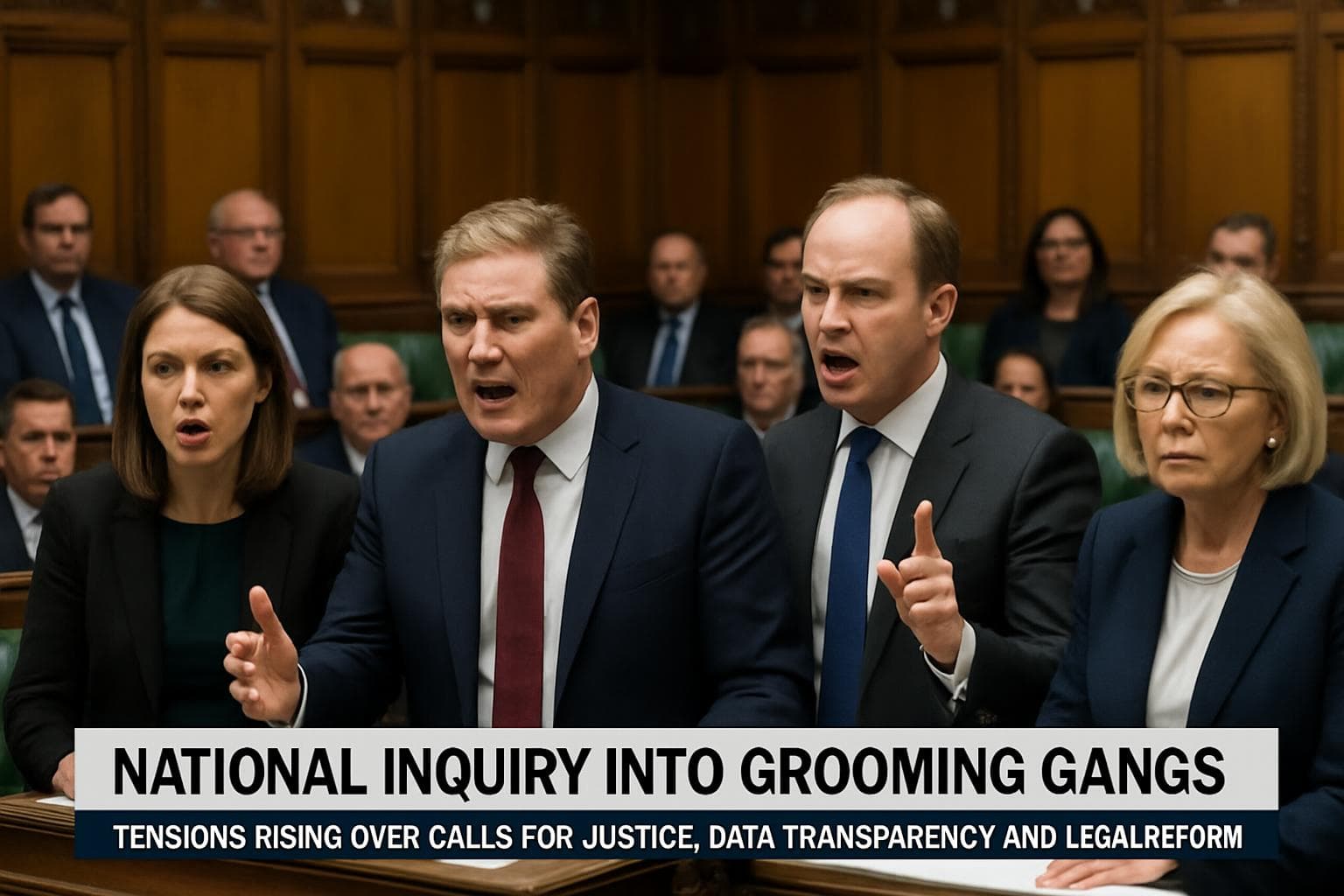
The UK government has announced a comprehensive inquiry into grooming gangs across England and Wales, a move that has sparked both political contention and calls for justice. The decision, unveiled by Prime Minister Keir Starmer, comes after significant pressure from opposition parties and a critical audit led by Baroness Louise Casey.
Political Backdrop and Controversy
Darren Millar, leader of the Welsh Conservatives, has been vocal about the need for a Wales-specific inquiry, accusing fellow politicians of stifling his efforts. In January, Millar's attempts to raise the issue in the Senedd were met with resistance, a situation he described as a "determined fight for vulnerable victims." The Senedd had previously rejected calls for a Welsh inquiry, despite unanimous support for the Welsh government to consider one.
Meanwhile, Home Secretary Yvette Cooper has faced criticism from Conservative leader Kemi Badenoch, who accused the government of a U-turn on the issue. Badenoch argued that the inquiry was only initiated due to sustained pressure from her party, a claim Cooper refuted by highlighting the timeline of governmental inaction detailed in the Casey report.
Findings of the Casey Report
The Casey report, a pivotal document in this development, revealed significant gaps in the collection of ethnicity data by police forces. It found a disproportionate number of suspects in group-based child sexual offences were of Asian descent, particularly in Greater Manchester, West Yorkshire, and South Yorkshire. Cooper described the lack of proper data collection as "ridiculous" and emphasized the need for transparency to prevent the marginalization of entire communities.
Legal and Social Implications
In response to the report's findings, Cooper announced forthcoming legal changes to prevent sexual offenders from seeking asylum in the UK, asserting that the current laws are insufficient. The announcement underscores the government's commitment to addressing the systemic issues highlighted by the Casey audit.
The Welsh government has been urged to ensure that Wales is not an "afterthought" in the national inquiry, with Plaid Cymru calling for updates on cooperation between UK and Welsh authorities. Victims and their families continue to demand transparency and accountability, as the inquiry seeks to address past failures and prevent future injustices.
WHAT THIS MIGHT MEAN
The national inquiry into grooming gangs is poised to have significant legal and political ramifications. If the inquiry uncovers systemic failures, it could lead to substantial reforms in policing and data collection practices. The focus on ethnicity data may also prompt broader discussions on racial profiling and community relations.
Politically, the inquiry could impact the standing of both the Conservative and Labour parties, depending on how effectively they address the findings. For the Welsh government, ensuring active participation in the inquiry will be crucial to maintaining public trust and demonstrating commitment to justice for victims.
As the inquiry progresses, it will be essential for authorities to balance transparency with sensitivity, ensuring that the voices of victims are heard and respected throughout the process.
Related Articles
Labour MP's Husband Arrested in UK-China Espionage Probe

UK-Iran Tensions: Starmer Defends Cautious Approach Amid Trump Criticism
UK Government to Reform Asylum Seeker Support and Employment Policies

UK Faces Dilemmas Amid Iran Conflict and China Spying Allegations

Sisters Tragically Drown at Eryri National Park's Watkin Path
Diplomatic Tensions Rise as Trump Criticizes Starmer's Iran Policy
UK Government Launches National Inquiry into Grooming Gangs Amid Political Tensions
In This Article
 Ethan Brooks| Published
 HIGHLIGHTS
- Welsh Conservative leader Darren Millar criticized other politicians for hindering his calls for a Wales-wide inquiry into grooming gangs.
- Prime Minister Keir Starmer announced a statutory inquiry into grooming gangs across Wales and England, following pressure and an audit by Baroness Louise Casey.
- The Casey report highlighted failures in collecting ethnicity data of offenders, identifying a disproportionate representation of Asian men in certain cases.
- Home Secretary Yvette Cooper emphasized changes in law to prevent sexual offenders from claiming asylum in the UK.
- The Welsh government has been urged to ensure Wales is not overlooked in the new inquiry, with calls for transparency and accountability.
The UK government has announced a comprehensive inquiry into grooming gangs across England and Wales, a move that has sparked both political contention and calls for justice. The decision, unveiled by Prime Minister Keir Starmer, comes after significant pressure from opposition parties and a critical audit led by Baroness Louise Casey.
Political Backdrop and Controversy
Darren Millar, leader of the Welsh Conservatives, has been vocal about the need for a Wales-specific inquiry, accusing fellow politicians of stifling his efforts. In January, Millar's attempts to raise the issue in the Senedd were met with resistance, a situation he described as a "determined fight for vulnerable victims." The Senedd had previously rejected calls for a Welsh inquiry, despite unanimous support for the Welsh government to consider one.
Meanwhile, Home Secretary Yvette Cooper has faced criticism from Conservative leader Kemi Badenoch, who accused the government of a U-turn on the issue. Badenoch argued that the inquiry was only initiated due to sustained pressure from her party, a claim Cooper refuted by highlighting the timeline of governmental inaction detailed in the Casey report.
Findings of the Casey Report
The Casey report, a pivotal document in this development, revealed significant gaps in the collection of ethnicity data by police forces. It found a disproportionate number of suspects in group-based child sexual offences were of Asian descent, particularly in Greater Manchester, West Yorkshire, and South Yorkshire. Cooper described the lack of proper data collection as "ridiculous" and emphasized the need for transparency to prevent the marginalization of entire communities.
Legal and Social Implications
In response to the report's findings, Cooper announced forthcoming legal changes to prevent sexual offenders from seeking asylum in the UK, asserting that the current laws are insufficient. The announcement underscores the government's commitment to addressing the systemic issues highlighted by the Casey audit.
The Welsh government has been urged to ensure that Wales is not an "afterthought" in the national inquiry, with Plaid Cymru calling for updates on cooperation between UK and Welsh authorities. Victims and their families continue to demand transparency and accountability, as the inquiry seeks to address past failures and prevent future injustices.
WHAT THIS MIGHT MEAN
The national inquiry into grooming gangs is poised to have significant legal and political ramifications. If the inquiry uncovers systemic failures, it could lead to substantial reforms in policing and data collection practices. The focus on ethnicity data may also prompt broader discussions on racial profiling and community relations.
Politically, the inquiry could impact the standing of both the Conservative and Labour parties, depending on how effectively they address the findings. For the Welsh government, ensuring active participation in the inquiry will be crucial to maintaining public trust and demonstrating commitment to justice for victims.
As the inquiry progresses, it will be essential for authorities to balance transparency with sensitivity, ensuring that the voices of victims are heard and respected throughout the process.
Related Articles
Labour MP's Husband Arrested in UK-China Espionage Probe
UK-Iran Tensions: Starmer Defends Cautious Approach Amid Trump Criticism
UK Government to Reform Asylum Seeker Support and Employment Policies
UK Faces Dilemmas Amid Iran Conflict and China Spying Allegations
Sisters Tragically Drown at Eryri National Park's Watkin Path
Diplomatic Tensions Rise as Trump Criticizes Starmer's Iran Policy