
Lowering the Voting Age: A New Chapter for UK Democracy
In This Article
HIGHLIGHTS
- The UK government plans to lower the voting age to 16 before the next general election, potentially enfranchising 1.5 million new voters.
- Critics argue that the change could benefit left-wing parties like Labour, as younger voters tend to lean left.
- New voter ID rules will allow more forms of identification, aiming to increase accessibility and participation.
- The change aligns England and Northern Ireland with Scotland and Wales, where 16-year-olds can already vote in local elections.
- Experts suggest the impact on election outcomes may be minimal due to the small proportion of 16 and 17-year-olds in the electorate.
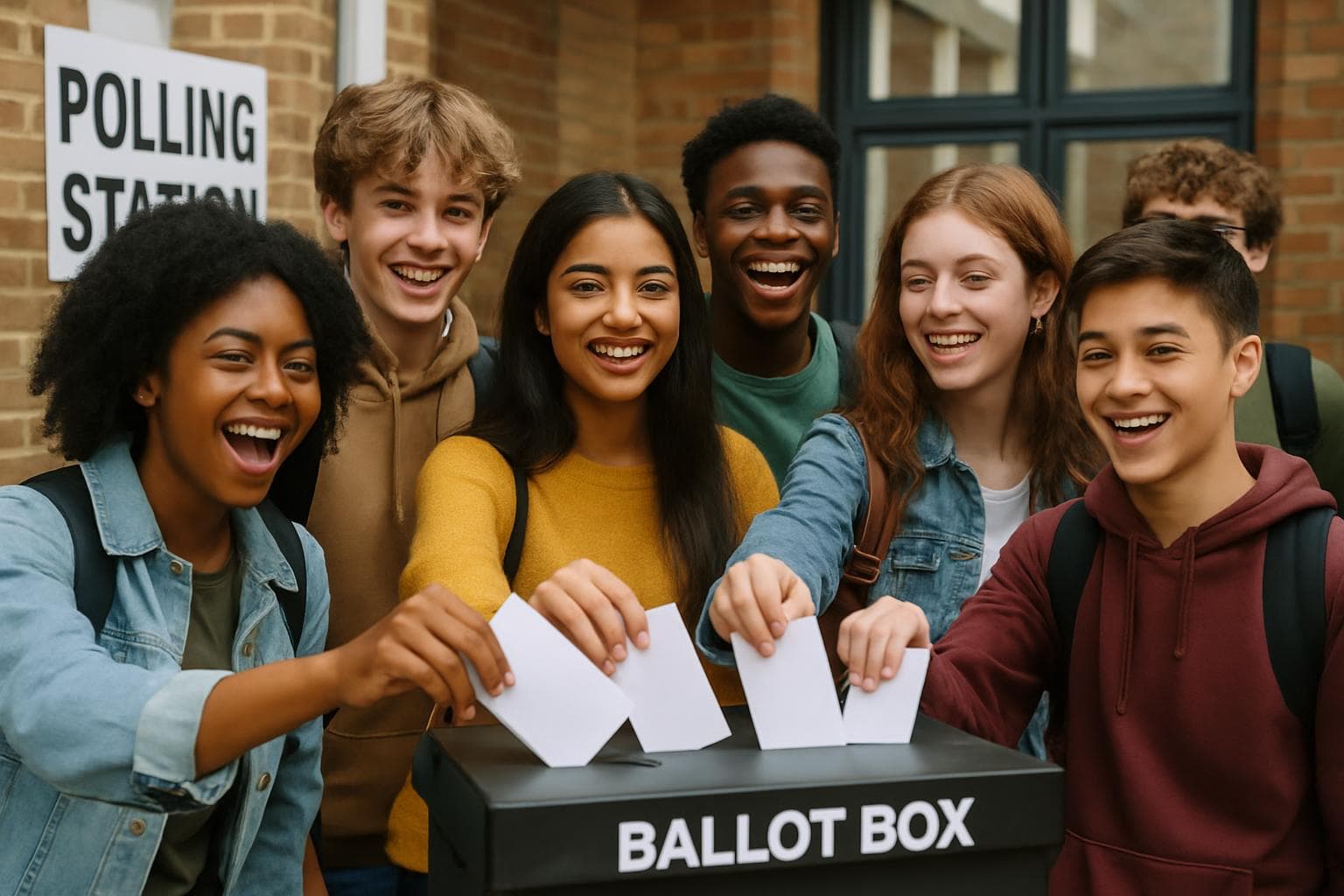
The UK government has announced plans to lower the voting age to 16, a move that could significantly reshape the nation's democratic landscape. This decision, set to be implemented before the next general election, aims to engage younger citizens in the political process, potentially adding 1.5 million new voters to the electorate.
Political Implications and Party Dynamics
The proposal has sparked debate over its potential impact on party politics. Critics suggest that the change might favor left-wing parties, such as Labour, which historically receive more support from younger demographics. Current polls indicate that Labour leads among 18 to 24-year-olds, with 28% support, followed by the Greens and Liberal Democrats. However, the government, led by Deputy Prime Minister Angela Rayner, insists the reform is about enhancing democratic participation rather than benefiting specific parties.
Voter ID and Registration Reforms
Alongside lowering the voting age, the government plans to expand acceptable forms of voter ID and introduce automatic voter registration. These measures aim to simplify the voting process and address issues of accessibility. Currently, voters in England, Scotland, and Wales must present valid photo ID, but new rules will allow the use of UK-issued bank cards as identification. The Electoral Commission estimates that around seven million people are either incorrectly registered or missing from the electoral register, disproportionately affecting young people and private renters.
Regional Variations and Public Opinion
The change will bring England and Northern Ireland in line with Scotland and Wales, where 16-year-olds already vote in local and parliamentary elections. However, the Electoral Commission notes that the reform may not be in place for Northern Ireland's 2027 elections. Public opinion appears supportive, with many young people and political figures advocating for the change. Social Democratic and Labour Party leader Claire Hanna emphasized the importance of recognizing young people's contributions to society through voting rights.
Expert Perspectives on Youth Engagement
While the reform is seen as a step towards greater youth engagement, experts caution that its impact on election outcomes may be limited. Dr. Stuart Fox from the University of Exeter highlights that while lowering the voting age could encourage lifelong voting habits, additional measures like citizenship education are crucial for sustained engagement. Research from countries with similar reforms suggests that the overall effect on election results is minimal due to the small proportion of 16 and 17-year-olds in the electorate.
WHAT THIS MIGHT MEAN
As the UK prepares for this significant electoral reform, the political landscape could experience shifts in voter demographics and party strategies. If younger voters do lean towards left-wing parties, Labour and its allies might gain an advantage in future elections. However, the true impact will depend on voter turnout and engagement levels among newly enfranchised youth. The introduction of automatic voter registration and expanded ID options could further influence participation rates, potentially reshaping the electorate's composition. As these changes unfold, political analysts and parties will closely monitor their effects on the UK's democratic process.
Related Articles

Saharan Dust to Illuminate UK Skies with Vivid Sunrises and Sunsets

Government Announces £4 Billion Overhaul of SEND Support in England

UK Government Announces Major Overhaul of SEND System with £3.4 Billion Investment
Government Unveils Ambitious Plan to Halve Attainment Gap in England's Schools

UK Government's SEND Reforms: A Critical Turning Point for Special Education

Sisters Tragically Drown at Eryri National Park's Watkin Path
Lowering the Voting Age: A New Chapter for UK Democracy
In This Article
 Alex Carter| Published
 HIGHLIGHTS
- The UK government plans to lower the voting age to 16 before the next general election, potentially enfranchising 1.5 million new voters.
- Critics argue that the change could benefit left-wing parties like Labour, as younger voters tend to lean left.
- New voter ID rules will allow more forms of identification, aiming to increase accessibility and participation.
- The change aligns England and Northern Ireland with Scotland and Wales, where 16-year-olds can already vote in local elections.
- Experts suggest the impact on election outcomes may be minimal due to the small proportion of 16 and 17-year-olds in the electorate.
The UK government has announced plans to lower the voting age to 16, a move that could significantly reshape the nation's democratic landscape. This decision, set to be implemented before the next general election, aims to engage younger citizens in the political process, potentially adding 1.5 million new voters to the electorate.
Political Implications and Party Dynamics
The proposal has sparked debate over its potential impact on party politics. Critics suggest that the change might favor left-wing parties, such as Labour, which historically receive more support from younger demographics. Current polls indicate that Labour leads among 18 to 24-year-olds, with 28% support, followed by the Greens and Liberal Democrats. However, the government, led by Deputy Prime Minister Angela Rayner, insists the reform is about enhancing democratic participation rather than benefiting specific parties.
Voter ID and Registration Reforms
Alongside lowering the voting age, the government plans to expand acceptable forms of voter ID and introduce automatic voter registration. These measures aim to simplify the voting process and address issues of accessibility. Currently, voters in England, Scotland, and Wales must present valid photo ID, but new rules will allow the use of UK-issued bank cards as identification. The Electoral Commission estimates that around seven million people are either incorrectly registered or missing from the electoral register, disproportionately affecting young people and private renters.
Regional Variations and Public Opinion
The change will bring England and Northern Ireland in line with Scotland and Wales, where 16-year-olds already vote in local and parliamentary elections. However, the Electoral Commission notes that the reform may not be in place for Northern Ireland's 2027 elections. Public opinion appears supportive, with many young people and political figures advocating for the change. Social Democratic and Labour Party leader Claire Hanna emphasized the importance of recognizing young people's contributions to society through voting rights.
Expert Perspectives on Youth Engagement
While the reform is seen as a step towards greater youth engagement, experts caution that its impact on election outcomes may be limited. Dr. Stuart Fox from the University of Exeter highlights that while lowering the voting age could encourage lifelong voting habits, additional measures like citizenship education are crucial for sustained engagement. Research from countries with similar reforms suggests that the overall effect on election results is minimal due to the small proportion of 16 and 17-year-olds in the electorate.
WHAT THIS MIGHT MEAN
As the UK prepares for this significant electoral reform, the political landscape could experience shifts in voter demographics and party strategies. If younger voters do lean towards left-wing parties, Labour and its allies might gain an advantage in future elections. However, the true impact will depend on voter turnout and engagement levels among newly enfranchised youth. The introduction of automatic voter registration and expanded ID options could further influence participation rates, potentially reshaping the electorate's composition. As these changes unfold, political analysts and parties will closely monitor their effects on the UK's democratic process.
Related Articles
Saharan Dust to Illuminate UK Skies with Vivid Sunrises and Sunsets
Government Announces £4 Billion Overhaul of SEND Support in England
UK Government Announces Major Overhaul of SEND System with £3.4 Billion Investment
Government Unveils Ambitious Plan to Halve Attainment Gap in England's Schools
UK Government's SEND Reforms: A Critical Turning Point for Special Education
Sisters Tragically Drown at Eryri National Park's Watkin Path