
UK Manufacturing Faces Challenges Amid JLR Cyber-Attack and Tariffs, Yet Shows Signs of Recovery
In This Article
HIGHLIGHTS
- Jaguar Land Rover's cyber-attack and US tariffs have slowed Birmingham's export activity, with a notable decline in manufacturing sales.
- Despite challenges, UK factories showed signs of recovery in October, aided by JLR's reopening and increased consumer spending.
- Labour costs remain a significant pressure for Birmingham businesses, with many absorbing costs rather than passing them to consumers.
- The S&P Global PMI rose to 49.7 in October, indicating a potential rebound in the manufacturing sector.
- Experts remain cautiously optimistic about sustained recovery, citing rising wages and government incentives as positive factors.
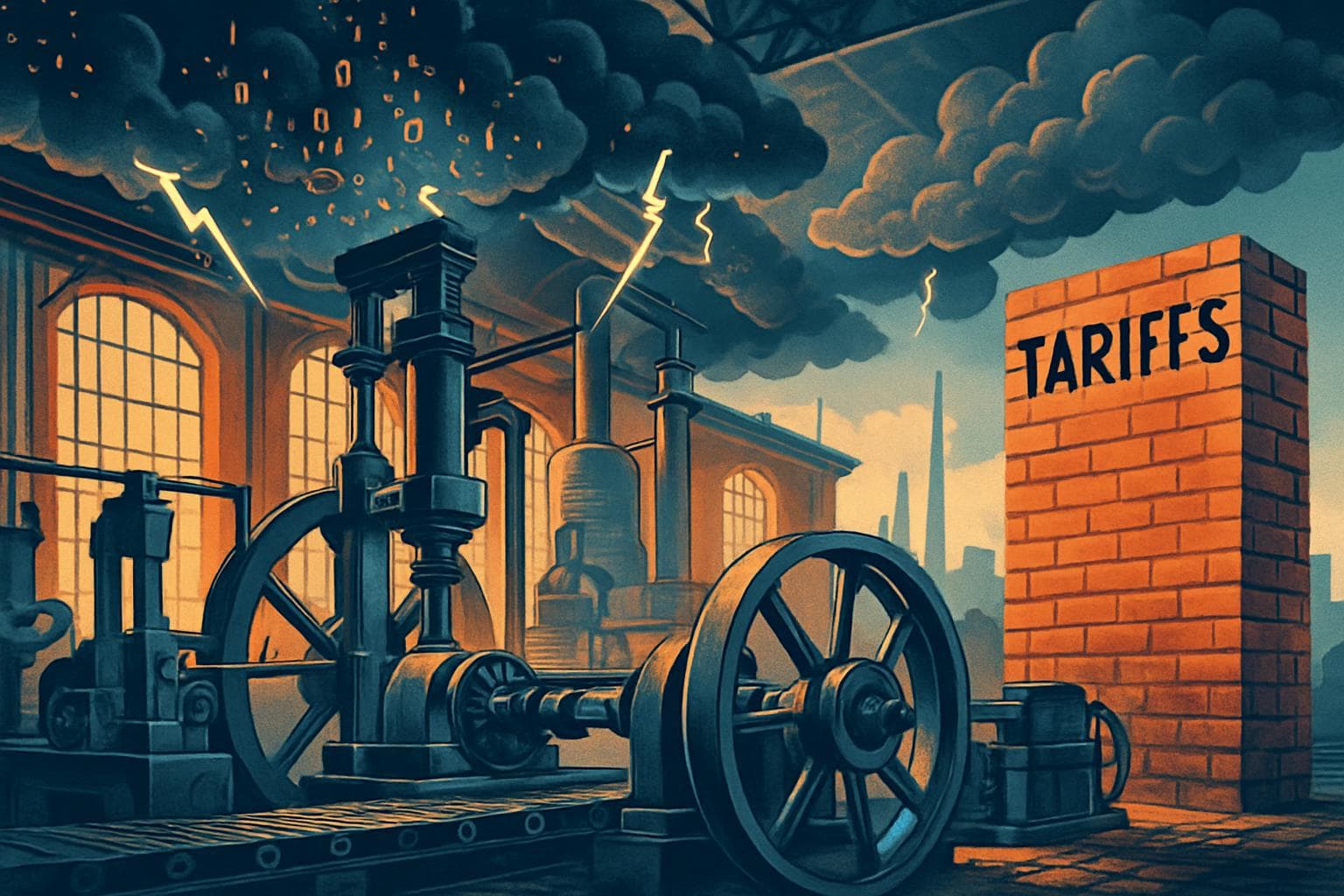
The UK manufacturing sector is navigating turbulent waters as it grapples with the aftermath of a cyber-attack on Jaguar Land Rover (JLR) and the impact of US tariffs. Recent reports from the Greater Birmingham Chambers of Commerce highlight a slowdown in export activity, particularly in manufacturing, where a third of businesses reported a decline in sales. This downturn is compounded by the ongoing effects of tariffs introduced by former US President Donald Trump.
Impact on Birmingham's Exports
Birmingham's export landscape has been notably affected, with the share of companies reporting growth plummeting from 39% to 17%. While service exports saw a modest 4% increase, manufacturing has struggled, with many businesses facing credit difficulties following the JLR cyber-attack in August. Labour costs have emerged as a significant challenge, exacerbated by increased National Insurance Contributions announced in the 2024 Autumn Budget. Despite these pressures, 57% of companies expect stability in the pricing of their goods and services.
Signs of Recovery in UK Factories
In contrast, UK factories showed signs of recovery in October, buoyed by the reopening of JLR operations and a rise in consumer spending. The S&P Global purchasing managers’ index (PMI) rose to 49.7, its highest in a year, signaling a potential rebound. Factory output also saw a significant increase, with a sub-index jumping to 51.6. Martin Beck, chief economist at WPI Strategy, expressed optimism, citing rising real wages and government incentives for green technologies as potential drivers of sustained recovery.
Challenges and Optimism
Despite these positive indicators, experts urge caution. Mike Thornton from RSM UK noted that while October's uptick is promising, it remains uncertain whether this marks a temporary rebound or a sustained recovery. The manufacturing sector continues to face challenges from rising energy costs and employment taxes, which have been exacerbated since the Covid pandemic. Industry bodies are calling for additional government support to bolster the sector's resilience.
WHAT THIS MIGHT MEAN
Looking ahead, the UK manufacturing sector's trajectory will largely depend on how effectively it can navigate ongoing challenges such as labour costs and energy prices. The government's response, particularly in terms of support and incentives, will be crucial in determining the sector's resilience. If the positive trends observed in October continue, there could be a gradual recovery, bolstered by consumer spending and strategic investments in green technologies. However, the sector must remain vigilant against potential setbacks, including further geopolitical tensions and economic uncertainties.
Related Articles

Tech Giants Pledge to Cover AI Data Center Energy Costs Amid Rising Electricity Concerns

UK-Iran Tensions: Starmer Defends Cautious Approach Amid Trump Criticism

Canada and Australia Forge Strategic Partnership Amid Global Uncertainty
Middle East Conflict Drives UK Energy Prices to New Highs

UK Faces Dilemmas Amid Iran Conflict and China Spying Allegations

UK Reinforces Military Presence in Cyprus Amid Middle East Tensions
UK Manufacturing Faces Challenges Amid JLR Cyber-Attack and Tariffs, Yet Shows Signs of Recovery
In This Article
 Daniel Rivera| Published
 HIGHLIGHTS
- Jaguar Land Rover's cyber-attack and US tariffs have slowed Birmingham's export activity, with a notable decline in manufacturing sales.
- Despite challenges, UK factories showed signs of recovery in October, aided by JLR's reopening and increased consumer spending.
- Labour costs remain a significant pressure for Birmingham businesses, with many absorbing costs rather than passing them to consumers.
- The S&P Global PMI rose to 49.7 in October, indicating a potential rebound in the manufacturing sector.
- Experts remain cautiously optimistic about sustained recovery, citing rising wages and government incentives as positive factors.
The UK manufacturing sector is navigating turbulent waters as it grapples with the aftermath of a cyber-attack on Jaguar Land Rover (JLR) and the impact of US tariffs. Recent reports from the Greater Birmingham Chambers of Commerce highlight a slowdown in export activity, particularly in manufacturing, where a third of businesses reported a decline in sales. This downturn is compounded by the ongoing effects of tariffs introduced by former US President Donald Trump.
Impact on Birmingham's Exports
Birmingham's export landscape has been notably affected, with the share of companies reporting growth plummeting from 39% to 17%. While service exports saw a modest 4% increase, manufacturing has struggled, with many businesses facing credit difficulties following the JLR cyber-attack in August. Labour costs have emerged as a significant challenge, exacerbated by increased National Insurance Contributions announced in the 2024 Autumn Budget. Despite these pressures, 57% of companies expect stability in the pricing of their goods and services.
Signs of Recovery in UK Factories
In contrast, UK factories showed signs of recovery in October, buoyed by the reopening of JLR operations and a rise in consumer spending. The S&P Global purchasing managers’ index (PMI) rose to 49.7, its highest in a year, signaling a potential rebound. Factory output also saw a significant increase, with a sub-index jumping to 51.6. Martin Beck, chief economist at WPI Strategy, expressed optimism, citing rising real wages and government incentives for green technologies as potential drivers of sustained recovery.
Challenges and Optimism
Despite these positive indicators, experts urge caution. Mike Thornton from RSM UK noted that while October's uptick is promising, it remains uncertain whether this marks a temporary rebound or a sustained recovery. The manufacturing sector continues to face challenges from rising energy costs and employment taxes, which have been exacerbated since the Covid pandemic. Industry bodies are calling for additional government support to bolster the sector's resilience.
WHAT THIS MIGHT MEAN
Looking ahead, the UK manufacturing sector's trajectory will largely depend on how effectively it can navigate ongoing challenges such as labour costs and energy prices. The government's response, particularly in terms of support and incentives, will be crucial in determining the sector's resilience. If the positive trends observed in October continue, there could be a gradual recovery, bolstered by consumer spending and strategic investments in green technologies. However, the sector must remain vigilant against potential setbacks, including further geopolitical tensions and economic uncertainties.
Related Articles
Tech Giants Pledge to Cover AI Data Center Energy Costs Amid Rising Electricity Concerns
UK-Iran Tensions: Starmer Defends Cautious Approach Amid Trump Criticism
Canada and Australia Forge Strategic Partnership Amid Global Uncertainty
Middle East Conflict Drives UK Energy Prices to New Highs
UK Faces Dilemmas Amid Iran Conflict and China Spying Allegations
UK Reinforces Military Presence in Cyprus Amid Middle East Tensions