
UK Government Considers Limiting Jury Trials to Serious Crimes Amid Court Backlogs
In This Article
HIGHLIGHTS
- Justice Secretary David Lammy proposes limiting jury trials to only the most serious crimes like rape, murder, and manslaughter.
- The proposal aims to address record court backlogs, with over 78,000 cases pending in Crown Courts.
- A new court tier, the Crown Court Bench Division, would handle cases with sentences up to five years by judge alone.
- The Ministry of Justice has not finalized the decision, but plans have been circulated across Whitehall.
- Legal experts and senior lawyers express concerns that these changes could undermine the justice system.
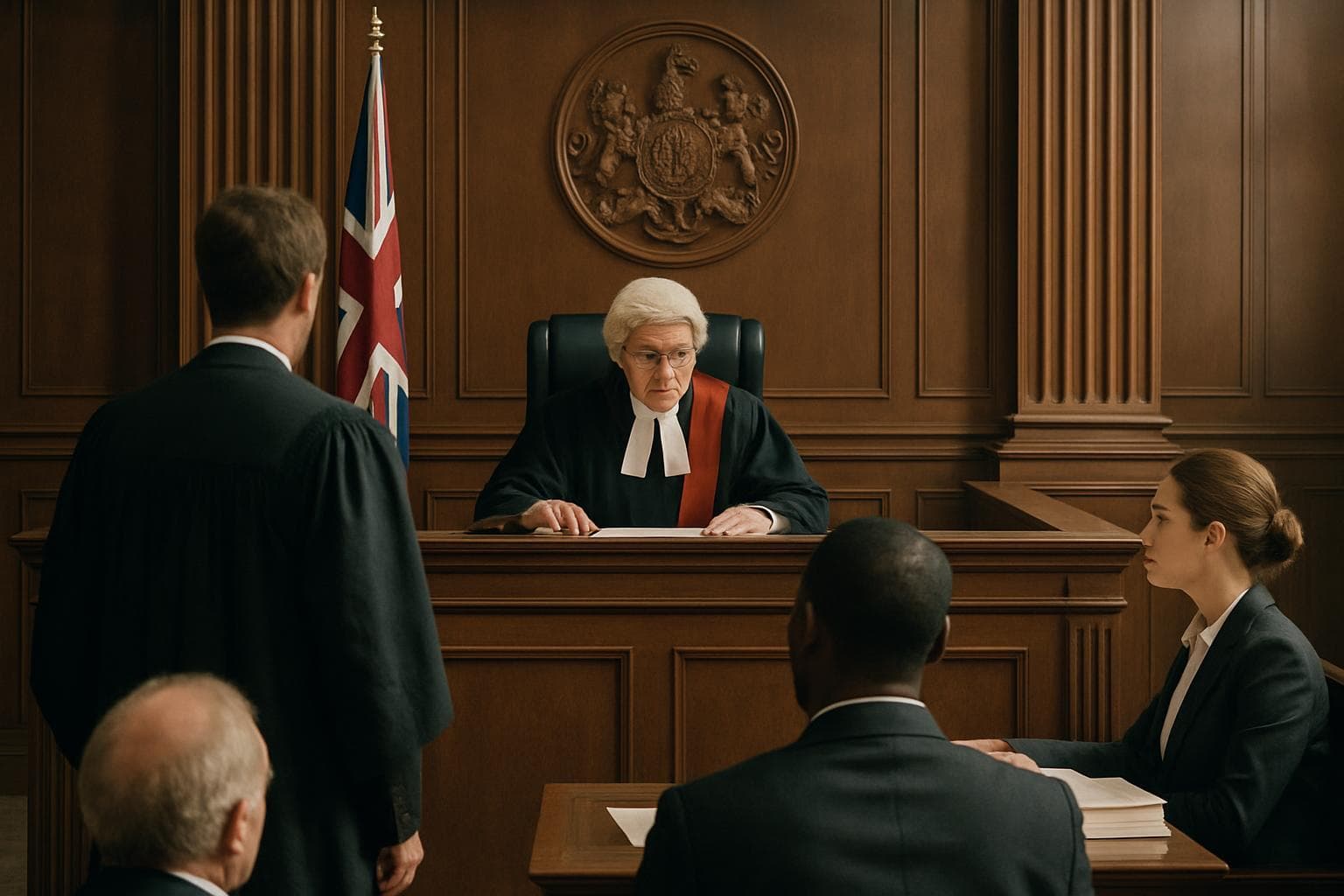
In a move that could reshape the UK's criminal justice landscape, Justice Secretary David Lammy is advocating for a significant reduction in jury trials, reserving them for only the most severe crimes such as rape, murder, and manslaughter. This proposal, aimed at alleviating the unprecedented backlog in Crown Courts, has sparked a heated debate among legal experts and practitioners.
Addressing Court Backlogs
The Ministry of Justice (MoJ) has revealed plans to introduce a new tier of courts, the Crown Court Bench Division (CCBD), which would handle cases with potential sentences of up to five years without a jury. This initiative comes as Crown Courts face a daunting backlog of over 78,000 cases, with projections suggesting this could exceed 100,000 if no action is taken. The delays mean that defendants charged with serious crimes today might not see a trial until 2029 or 2030.
Proposed Legal Reforms
Lammy's proposal, which has been circulated among Whitehall departments, suggests judge-only trials for cases involving fraud and financial offences, provided they are deemed suitably technical and lengthy. This approach goes beyond the recommendations of Sir Brian Leveson, a retired Court of Appeal judge, who had suggested a more moderate reform involving judges and magistrates for certain cases. The MoJ has yet to make a final decision, but the proposal is set for further discussion in Parliament.
Concerns from the Legal Community
The proposal has met with resistance from the legal community. Mark Evans, president of the Law Society of England and Wales, criticized the plan as an "extreme measure" that could fundamentally alter the justice system. He emphasized the importance of lay participation in determining guilt or innocence, a cornerstone of the UK's legal tradition.
Public and Political Reactions
While the government argues that these reforms are necessary to expedite the legal process, critics warn that removing juries from most trials could erode public trust in the justice system. The debate continues as stakeholders await further details and the potential publication of the second part of Sir Brian Leveson's Independent Review of the Criminal Courts.
WHAT THIS MIGHT MEAN
If implemented, these reforms could significantly reduce court backlogs, potentially speeding up the legal process for thousands of defendants. However, the shift to judge-only trials might face legal challenges and public scrutiny, particularly concerning the perceived fairness and transparency of the justice system. Experts suggest that while the reforms could streamline court proceedings, they may also necessitate additional safeguards to maintain public confidence in judicial outcomes. As the government prepares for a possible announcement in the new year, the legal community will likely continue to advocate for a balanced approach that preserves the integrity of the UK's legal system.
Related Articles

Police Federation Chief Arrested Amid Fraud Investigation

Canada and Australia Forge Strategic Partnership Amid Global Uncertainty

UK Government to Reform Asylum Seeker Support and Employment Policies

Middle East Conflict Drives UK Energy Prices to New Highs

UK Faces Dilemmas Amid Iran Conflict and China Spying Allegations

UK Reinforces Military Presence in Cyprus Amid Middle East Tensions
UK Government Considers Limiting Jury Trials to Serious Crimes Amid Court Backlogs
In This Article
 Sofia Romano| Published
 HIGHLIGHTS
- Justice Secretary David Lammy proposes limiting jury trials to only the most serious crimes like rape, murder, and manslaughter.
- The proposal aims to address record court backlogs, with over 78,000 cases pending in Crown Courts.
- A new court tier, the Crown Court Bench Division, would handle cases with sentences up to five years by judge alone.
- The Ministry of Justice has not finalized the decision, but plans have been circulated across Whitehall.
- Legal experts and senior lawyers express concerns that these changes could undermine the justice system.
In a move that could reshape the UK's criminal justice landscape, Justice Secretary David Lammy is advocating for a significant reduction in jury trials, reserving them for only the most severe crimes such as rape, murder, and manslaughter. This proposal, aimed at alleviating the unprecedented backlog in Crown Courts, has sparked a heated debate among legal experts and practitioners.
Addressing Court Backlogs
The Ministry of Justice (MoJ) has revealed plans to introduce a new tier of courts, the Crown Court Bench Division (CCBD), which would handle cases with potential sentences of up to five years without a jury. This initiative comes as Crown Courts face a daunting backlog of over 78,000 cases, with projections suggesting this could exceed 100,000 if no action is taken. The delays mean that defendants charged with serious crimes today might not see a trial until 2029 or 2030.
Proposed Legal Reforms
Lammy's proposal, which has been circulated among Whitehall departments, suggests judge-only trials for cases involving fraud and financial offences, provided they are deemed suitably technical and lengthy. This approach goes beyond the recommendations of Sir Brian Leveson, a retired Court of Appeal judge, who had suggested a more moderate reform involving judges and magistrates for certain cases. The MoJ has yet to make a final decision, but the proposal is set for further discussion in Parliament.
Concerns from the Legal Community
The proposal has met with resistance from the legal community. Mark Evans, president of the Law Society of England and Wales, criticized the plan as an "extreme measure" that could fundamentally alter the justice system. He emphasized the importance of lay participation in determining guilt or innocence, a cornerstone of the UK's legal tradition.
Public and Political Reactions
While the government argues that these reforms are necessary to expedite the legal process, critics warn that removing juries from most trials could erode public trust in the justice system. The debate continues as stakeholders await further details and the potential publication of the second part of Sir Brian Leveson's Independent Review of the Criminal Courts.
WHAT THIS MIGHT MEAN
If implemented, these reforms could significantly reduce court backlogs, potentially speeding up the legal process for thousands of defendants. However, the shift to judge-only trials might face legal challenges and public scrutiny, particularly concerning the perceived fairness and transparency of the justice system. Experts suggest that while the reforms could streamline court proceedings, they may also necessitate additional safeguards to maintain public confidence in judicial outcomes. As the government prepares for a possible announcement in the new year, the legal community will likely continue to advocate for a balanced approach that preserves the integrity of the UK's legal system.
Related Articles
Police Federation Chief Arrested Amid Fraud Investigation
Canada and Australia Forge Strategic Partnership Amid Global Uncertainty
UK Government to Reform Asylum Seeker Support and Employment Policies
Middle East Conflict Drives UK Energy Prices to New Highs
UK Faces Dilemmas Amid Iran Conflict and China Spying Allegations
UK Reinforces Military Presence in Cyprus Amid Middle East Tensions