
UK Ministry of Defence Faces Backlash Over Afghan Data Breach and Lack of Compensation
In This Article
HIGHLIGHTS
- The UK Ministry of Defence will not compensate thousands of Afghans affected by a data breach in February 2022.
- A super-injunction was used to suppress details of the breach, which included information on 19,000 Afghans and over 100 Britons.
- Former Defence Secretary Grant Shapps defended the injunction, citing the need to protect lives from Taliban retribution.
- The Rimmer review found little evidence of Taliban intent to target individuals on the leaked list.
- Legal action is being prepared by Barings Law, representing over 1,000 Afghan clients affected by the breach.
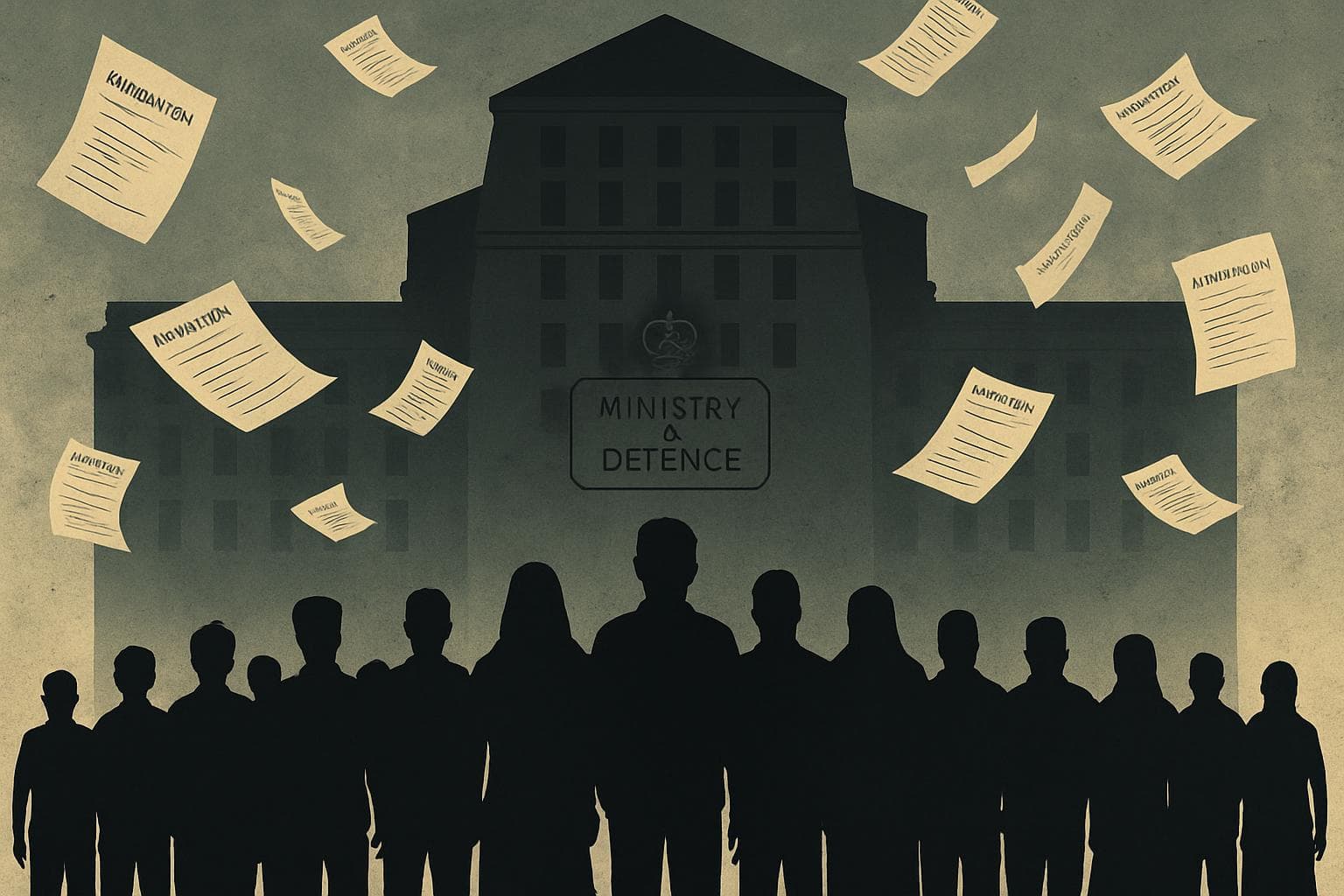
In a controversial move, the UK Ministry of Defence (MoD) has announced that it will not offer compensation to thousands of Afghans whose personal details were leaked in a significant data breach in February 2022. The breach exposed the names and details of over 19,000 Afghans who had applied for relocation to the UK, as well as more than 100 British officials, including members of the special forces and MI6.
Data Breach and Legal Actions
The breach came to light in August 2023 when the names of nine applicants appeared on Facebook. An Afghan man, denied relocation, was responsible for the leak and was later offered an expedited review of his application in exchange for removing the post. The MoD has stated it will "robustly defend against any legal action or compensation," labeling potential claims as "hypothetical." Barings Law, representing over 1,000 Afghan clients, is preparing a lawsuit, although it remains unclear how many clients are still in Afghanistan.
Super-Injunction and Government Response
Former Defence Secretary Grant Shapps defended the use of a super-injunction to suppress the breach details, emphasizing the need to protect lives from potential Taliban retribution. "Faced with the choice of whether that list would get out and people would be pursued, murdered, and executed as a result of it, or doing something to try and save those lives, I'd much rather now be in this interview explaining why a super-injunction was required," Shapps told BBC Radio 4.
The super-injunction, which prevented even the mention of its existence, was lifted earlier this week after a high court judge deemed the threat to the Afghans as no longer significant. The Rimmer review, commissioned by Defence Secretary John Healey, concluded that there was little evidence of Taliban intent to target individuals on the leaked list.
International and Political Implications
The data breach has further complicated the UK's relationship with Afghanistan, where the Taliban remains internationally isolated due to human rights abuses. The British embassy in Kabul has been closed since the Taliban takeover in 2021, and Russia is the only country recognizing the current Afghan government.
WHAT THIS MIGHT MEAN
The fallout from the Afghan data breach could lead to significant legal and political ramifications for the UK government. If Barings Law proceeds with its lawsuit, the MoD may face increased scrutiny over its handling of the breach and its decision not to compensate affected individuals. Politically, the incident could strain the UK's efforts to manage its international obligations and humanitarian commitments in Afghanistan. As the situation unfolds, the government's response and transparency will be critical in addressing public and international concerns.
Related Articles

UK Defence Faces Scrutiny Amid Ajax Armoured Vehicle Delays and Soldier Safety Concerns

UK to Double Troop Presence in Norway Amid Rising Arctic Tensions

Russian LNG Tanker Sinks in Mediterranean Amid Accusations of Ukrainian Drone Attack

Russia-Ukraine Conflict: Four Years of Unyielding Struggle and Human Resilience

UK and Allies Accuse Russia of Killing Navalny with Dart Frog Toxin
Kenyan Nationals Recruited for Russia-Ukraine War Amid Allegations of Human Trafficking
UK Ministry of Defence Faces Backlash Over Afghan Data Breach and Lack of Compensation
In This Article
 Ethan Brooks| Published
 HIGHLIGHTS
- The UK Ministry of Defence will not compensate thousands of Afghans affected by a data breach in February 2022.
- A super-injunction was used to suppress details of the breach, which included information on 19,000 Afghans and over 100 Britons.
- Former Defence Secretary Grant Shapps defended the injunction, citing the need to protect lives from Taliban retribution.
- The Rimmer review found little evidence of Taliban intent to target individuals on the leaked list.
- Legal action is being prepared by Barings Law, representing over 1,000 Afghan clients affected by the breach.
In a controversial move, the UK Ministry of Defence (MoD) has announced that it will not offer compensation to thousands of Afghans whose personal details were leaked in a significant data breach in February 2022. The breach exposed the names and details of over 19,000 Afghans who had applied for relocation to the UK, as well as more than 100 British officials, including members of the special forces and MI6.
Data Breach and Legal Actions
The breach came to light in August 2023 when the names of nine applicants appeared on Facebook. An Afghan man, denied relocation, was responsible for the leak and was later offered an expedited review of his application in exchange for removing the post. The MoD has stated it will "robustly defend against any legal action or compensation," labeling potential claims as "hypothetical." Barings Law, representing over 1,000 Afghan clients, is preparing a lawsuit, although it remains unclear how many clients are still in Afghanistan.
Super-Injunction and Government Response
Former Defence Secretary Grant Shapps defended the use of a super-injunction to suppress the breach details, emphasizing the need to protect lives from potential Taliban retribution. "Faced with the choice of whether that list would get out and people would be pursued, murdered, and executed as a result of it, or doing something to try and save those lives, I'd much rather now be in this interview explaining why a super-injunction was required," Shapps told BBC Radio 4.
The super-injunction, which prevented even the mention of its existence, was lifted earlier this week after a high court judge deemed the threat to the Afghans as no longer significant. The Rimmer review, commissioned by Defence Secretary John Healey, concluded that there was little evidence of Taliban intent to target individuals on the leaked list.
International and Political Implications
The data breach has further complicated the UK's relationship with Afghanistan, where the Taliban remains internationally isolated due to human rights abuses. The British embassy in Kabul has been closed since the Taliban takeover in 2021, and Russia is the only country recognizing the current Afghan government.
WHAT THIS MIGHT MEAN
The fallout from the Afghan data breach could lead to significant legal and political ramifications for the UK government. If Barings Law proceeds with its lawsuit, the MoD may face increased scrutiny over its handling of the breach and its decision not to compensate affected individuals. Politically, the incident could strain the UK's efforts to manage its international obligations and humanitarian commitments in Afghanistan. As the situation unfolds, the government's response and transparency will be critical in addressing public and international concerns.
Related Articles
UK Defence Faces Scrutiny Amid Ajax Armoured Vehicle Delays and Soldier Safety Concerns
UK to Double Troop Presence in Norway Amid Rising Arctic Tensions
Russian LNG Tanker Sinks in Mediterranean Amid Accusations of Ukrainian Drone Attack
Russia-Ukraine Conflict: Four Years of Unyielding Struggle and Human Resilience
UK and Allies Accuse Russia of Killing Navalny with Dart Frog Toxin
Kenyan Nationals Recruited for Russia-Ukraine War Amid Allegations of Human Trafficking