
UK Faces Standoff with Pharma Giants Over Drug Pricing
In This Article
HIGHLIGHTS
- Novartis warns NHS patients may lose access to new treatments due to high drug costs and outdated approval methods.
- Talks between UK Health Secretary Wes Streeting and pharmaceutical firms broke down over pricing disagreements.
- The rebate rate for pharma companies selling to the NHS rose to 23.5%, significantly higher than in other European countries.
- The UK government offered a plan to reduce payment rates, but the ABPI did not reach an agreement.
- The pharmaceutical industry is concerned about the UK's declining competitiveness and potential impact on future investments.
The UK's National Health Service (NHS) is at risk of losing access to innovative treatments as tensions rise between the government and pharmaceutical companies over drug pricing. Novartis, a leading pharmaceutical firm, has expressed concerns that escalating costs and outdated approval processes are hindering the availability of new medicines for NHS patients.
Breakdown in Negotiations
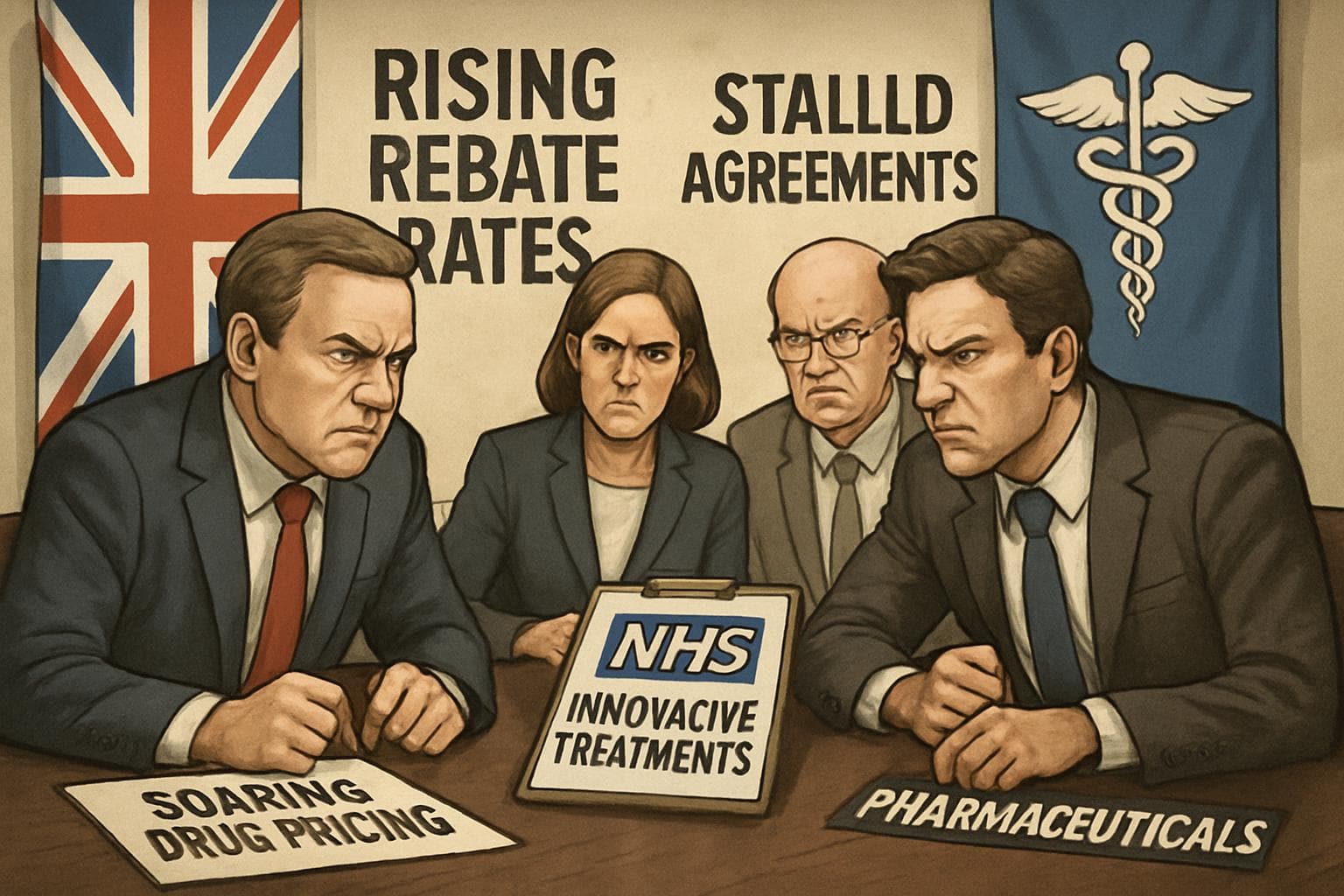
Recent discussions between UK Health Secretary Wes Streeting and the Association of the British Pharmaceutical Industry (ABPI) ended without resolution. Streeting criticized the pharmaceutical industry for rejecting what he described as a "serious and generous" offer to reduce payment rates and foster growth in the sector. The government had proposed a plan that would free approximately £1 billion over three years for new medicines, but the ABPI did not agree to the terms.
Rising Rebate Rates
A significant point of contention is the rebate rate imposed on pharmaceutical companies for sales to the NHS. Initially expected to be 15%, the rate has surged to 23.5%, a stark contrast to the 7% rate in Germany. Novartis argues that these high rates make the UK market "largely uninvestable," leading to missed opportunities for launching new drugs.
Impact on Investment and Innovation
The pharmaceutical industry warns that the UK's declining competitiveness could deter future investments in research and development. Novartis has already refrained from launching several medicines in the UK, which are available in other European countries. Richard Torbett, chief executive of the ABPI, highlighted the need for updated assessment methods for new drugs, which have remained unchanged for nearly 25 years.
Global Market Dynamics
The standoff is further complicated by global market dynamics, including pressure from the US to lower drug prices. Pharmaceutical companies are wary of the UK being used as a price reference point for the US market, which holds greater significance for them. Historically, the UK benefited from favorable terms due to its robust research ecosystem and the NHS's purchasing power, but this dynamic is shifting.
WHAT THIS MIGHT MEAN
The ongoing standoff between the UK government and pharmaceutical companies could have significant implications for the future of the UK's healthcare system and its position in the global pharmaceutical market. If no agreement is reached, the NHS may face challenges in accessing cutting-edge treatments, potentially impacting patient care. Additionally, the UK's ambition to become a life sciences "superpower" could be undermined if investment in research and innovation declines.
Experts suggest that a compromise is essential to ensure the availability of new medicines while maintaining sustainable healthcare costs. The government may need to revisit its pricing strategies and work collaboratively with the pharmaceutical industry to foster a competitive and innovative environment. As global market pressures continue to evolve, the UK must navigate these challenges to secure its place in the international healthcare landscape.
Related Articles
China Sets Lowest GDP Growth Target in Decades Amid Economic Challenges

Breakthrough Drug Offers Hope for Children with Severe Epilepsy

Cuba Faces Widespread Blackout Amid Deepening Fuel Crisis

UK Faces Dilemmas Amid Iran Conflict and China Spying Allegations

Google Faces Legal Battle Over AI Chatbot's Alleged Role in Tragic Death

Iran Postpones Khamenei Funeral Amid Escalating US-Israeli Strikes
UK Faces Standoff with Pharma Giants Over Drug Pricing
In This Article
 Daniel Rivera| Published
 HIGHLIGHTS
- Novartis warns NHS patients may lose access to new treatments due to high drug costs and outdated approval methods.
- Talks between UK Health Secretary Wes Streeting and pharmaceutical firms broke down over pricing disagreements.
- The rebate rate for pharma companies selling to the NHS rose to 23.5%, significantly higher than in other European countries.
- The UK government offered a plan to reduce payment rates, but the ABPI did not reach an agreement.
- The pharmaceutical industry is concerned about the UK's declining competitiveness and potential impact on future investments.
The UK's National Health Service (NHS) is at risk of losing access to innovative treatments as tensions rise between the government and pharmaceutical companies over drug pricing. Novartis, a leading pharmaceutical firm, has expressed concerns that escalating costs and outdated approval processes are hindering the availability of new medicines for NHS patients.
Breakdown in Negotiations
Recent discussions between UK Health Secretary Wes Streeting and the Association of the British Pharmaceutical Industry (ABPI) ended without resolution. Streeting criticized the pharmaceutical industry for rejecting what he described as a "serious and generous" offer to reduce payment rates and foster growth in the sector. The government had proposed a plan that would free approximately £1 billion over three years for new medicines, but the ABPI did not agree to the terms.
Rising Rebate Rates
A significant point of contention is the rebate rate imposed on pharmaceutical companies for sales to the NHS. Initially expected to be 15%, the rate has surged to 23.5%, a stark contrast to the 7% rate in Germany. Novartis argues that these high rates make the UK market "largely uninvestable," leading to missed opportunities for launching new drugs.
Impact on Investment and Innovation
The pharmaceutical industry warns that the UK's declining competitiveness could deter future investments in research and development. Novartis has already refrained from launching several medicines in the UK, which are available in other European countries. Richard Torbett, chief executive of the ABPI, highlighted the need for updated assessment methods for new drugs, which have remained unchanged for nearly 25 years.
Global Market Dynamics
The standoff is further complicated by global market dynamics, including pressure from the US to lower drug prices. Pharmaceutical companies are wary of the UK being used as a price reference point for the US market, which holds greater significance for them. Historically, the UK benefited from favorable terms due to its robust research ecosystem and the NHS's purchasing power, but this dynamic is shifting.
WHAT THIS MIGHT MEAN
The ongoing standoff between the UK government and pharmaceutical companies could have significant implications for the future of the UK's healthcare system and its position in the global pharmaceutical market. If no agreement is reached, the NHS may face challenges in accessing cutting-edge treatments, potentially impacting patient care. Additionally, the UK's ambition to become a life sciences "superpower" could be undermined if investment in research and innovation declines.
Experts suggest that a compromise is essential to ensure the availability of new medicines while maintaining sustainable healthcare costs. The government may need to revisit its pricing strategies and work collaboratively with the pharmaceutical industry to foster a competitive and innovative environment. As global market pressures continue to evolve, the UK must navigate these challenges to secure its place in the international healthcare landscape.
Related Articles
China Sets Lowest GDP Growth Target in Decades Amid Economic Challenges
Breakthrough Drug Offers Hope for Children with Severe Epilepsy
Cuba Faces Widespread Blackout Amid Deepening Fuel Crisis
UK Faces Dilemmas Amid Iran Conflict and China Spying Allegations
Google Faces Legal Battle Over AI Chatbot's Alleged Role in Tragic Death
Iran Postpones Khamenei Funeral Amid Escalating US-Israeli Strikes