
UK Prime Minister Keir Starmer's China Visit Aims to Reset Diplomatic Ties
In This Article
HIGHLIGHTS
- UK Prime Minister Keir Starmer's visit to China aims to reset diplomatic relations after a five-year hiatus since Theresa May's visit in 2018.
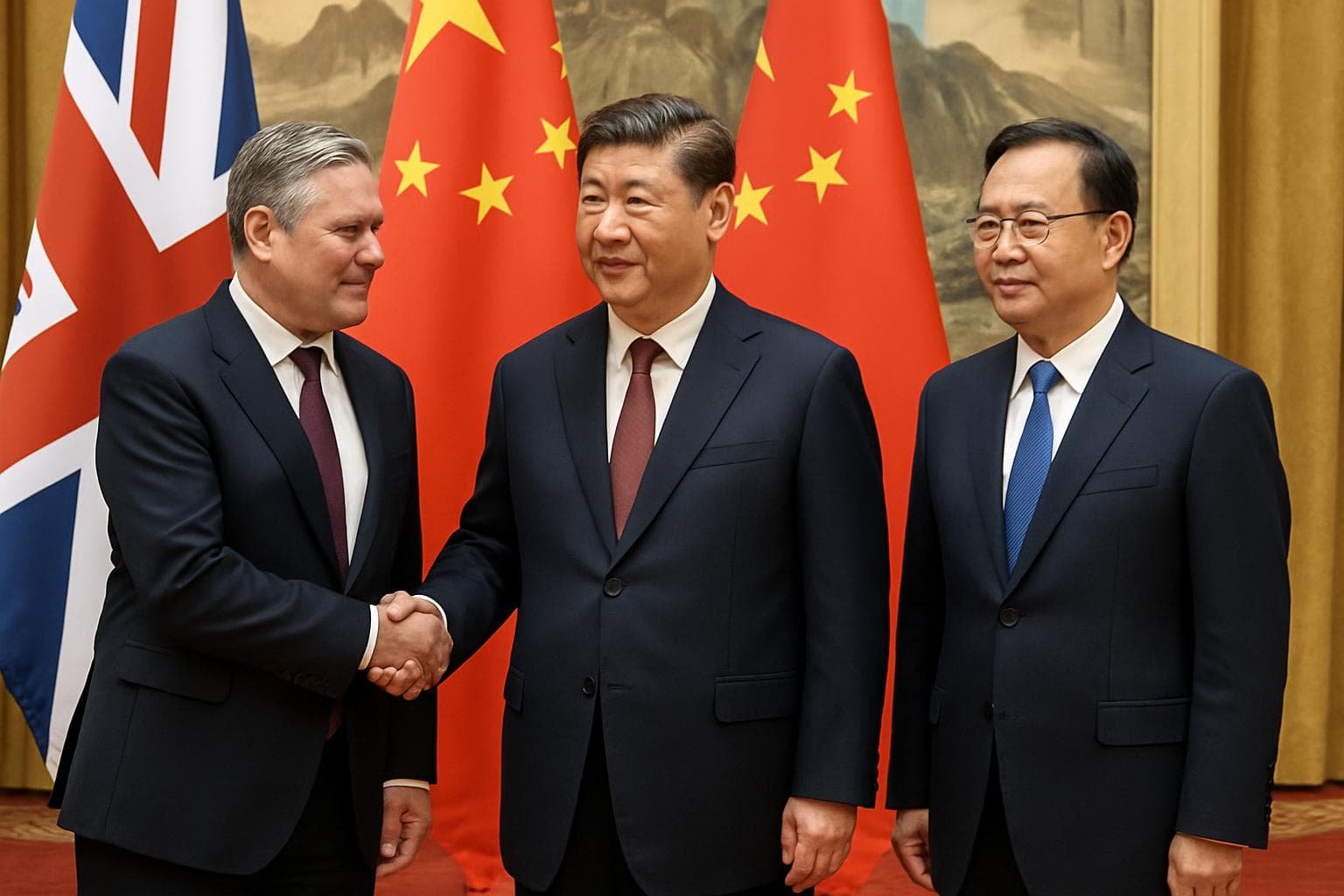
- Starmer's trip included meetings with President Xi Jinping and Premier Li, resulting in 10 agreements, including a visa waiver and reduced whisky tariffs.
- The visit underscores the UK's intent to balance economic opportunities with national security concerns amid China's aggressive trade practices and cyber threats.
- Starmer's approach contrasts with Conservative leader Kemi Badenoch, who criticized the visit, highlighting a political divide on UK-China relations.
- The trip is seen as the beginning of a "more sophisticated" relationship, with hopes for future economic collaboration and diplomatic engagement.
In a significant diplomatic move, UK Prime Minister Keir Starmer embarked on a three-day visit to China, marking the first such trip by a British leader since Theresa May in 2018. The visit, which included high-profile meetings with Chinese President Xi Jinping and Premier Li Keqiang, is seen as an effort to thaw relations that have been described as an "ice age" by Starmer himself.
Diplomatic Engagement and Economic Opportunities
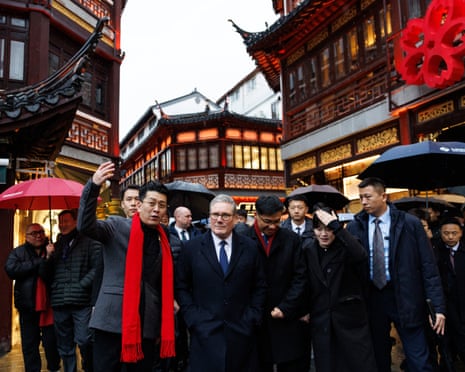
Starmer's visit to Beijing and Shanghai was characterized by a series of discussions aimed at fostering economic diplomacy. The meetings culminated in the signing of 10 agreements, including a visa waiver and reductions in tariffs on British whisky, signaling potential economic benefits for the UK. These agreements are part of a broader strategy to engage with China, the world's second-largest economy, while remaining mindful of national security concerns.
Balancing Security and Economic Interests
The visit comes amid heightened security concerns, with China accused of cyber-attacks and aggressive trade practices. Starmer acknowledged these risks but emphasized the importance of seizing economic opportunities. "We need to seize the opportunities, mindful of our national security," he stated, reflecting a cautious yet forward-looking approach to UK-China relations.
Political Reactions and Future Prospects
The visit has sparked political debate in the UK, with Conservative leader Kemi Badenoch criticizing the trip. Starmer's engagement with China contrasts with Badenoch's stance, highlighting a political divide on how to handle relations with Beijing. Despite this, Starmer's team views the visit as a step towards a "more sophisticated" relationship with China, focusing on long-term economic collaboration and diplomatic engagement.
WHAT THIS MIGHT MEAN
Looking ahead, the success of Starmer's visit will largely depend on the implementation of the agreements reached and the UK's ability to navigate the complex landscape of international relations with China. The visit sets the stage for potential economic growth, but it also requires careful management of security concerns and political sensitivities. As the UK seeks to strengthen its global economic position, maintaining a balanced approach to China will be crucial. Experts suggest that continued diplomatic engagement, coupled with a robust national security strategy, will be key to achieving a sustainable and mutually beneficial relationship with China.
Images from the Web
Related Articles
China Sets Lowest GDP Growth Target in Decades Amid Economic Challenges

UK Faces Dilemmas Amid Iran Conflict and China Spying Allegations
Trump's New Tariff Strategy Sparks Global Trade Uncertainty
Trump Raises Import Tariffs to 15% After Supreme Court Setback
Trump's Tariff Strategy Faces Supreme Court Setback, New Measures Announced
Trump's Tariff Strategy Faces Supreme Court Setback, Sparks New Trade Policy
UK Prime Minister Keir Starmer's China Visit Aims to Reset Diplomatic Ties
In This Article
 Daniel Rivera| Published
 HIGHLIGHTS
- UK Prime Minister Keir Starmer's visit to China aims to reset diplomatic relations after a five-year hiatus since Theresa May's visit in 2018.
- Starmer's trip included meetings with President Xi Jinping and Premier Li, resulting in 10 agreements, including a visa waiver and reduced whisky tariffs.
- The visit underscores the UK's intent to balance economic opportunities with national security concerns amid China's aggressive trade practices and cyber threats.
- Starmer's approach contrasts with Conservative leader Kemi Badenoch, who criticized the visit, highlighting a political divide on UK-China relations.
- The trip is seen as the beginning of a "more sophisticated" relationship, with hopes for future economic collaboration and diplomatic engagement.
In a significant diplomatic move, UK Prime Minister Keir Starmer embarked on a three-day visit to China, marking the first such trip by a British leader since Theresa May in 2018. The visit, which included high-profile meetings with Chinese President Xi Jinping and Premier Li Keqiang, is seen as an effort to thaw relations that have been described as an "ice age" by Starmer himself.
Diplomatic Engagement and Economic Opportunities
Starmer's visit to Beijing and Shanghai was characterized by a series of discussions aimed at fostering economic diplomacy. The meetings culminated in the signing of 10 agreements, including a visa waiver and reductions in tariffs on British whisky, signaling potential economic benefits for the UK. These agreements are part of a broader strategy to engage with China, the world's second-largest economy, while remaining mindful of national security concerns.
Balancing Security and Economic Interests
The visit comes amid heightened security concerns, with China accused of cyber-attacks and aggressive trade practices. Starmer acknowledged these risks but emphasized the importance of seizing economic opportunities. "We need to seize the opportunities, mindful of our national security," he stated, reflecting a cautious yet forward-looking approach to UK-China relations.
Political Reactions and Future Prospects
The visit has sparked political debate in the UK, with Conservative leader Kemi Badenoch criticizing the trip. Starmer's engagement with China contrasts with Badenoch's stance, highlighting a political divide on how to handle relations with Beijing. Despite this, Starmer's team views the visit as a step towards a "more sophisticated" relationship with China, focusing on long-term economic collaboration and diplomatic engagement.
WHAT THIS MIGHT MEAN
Looking ahead, the success of Starmer's visit will largely depend on the implementation of the agreements reached and the UK's ability to navigate the complex landscape of international relations with China. The visit sets the stage for potential economic growth, but it also requires careful management of security concerns and political sensitivities. As the UK seeks to strengthen its global economic position, maintaining a balanced approach to China will be crucial. Experts suggest that continued diplomatic engagement, coupled with a robust national security strategy, will be key to achieving a sustainable and mutually beneficial relationship with China.
Images from the Web
Related Articles
China Sets Lowest GDP Growth Target in Decades Amid Economic Challenges
UK Faces Dilemmas Amid Iran Conflict and China Spying Allegations
Trump's New Tariff Strategy Sparks Global Trade Uncertainty
Trump Raises Import Tariffs to 15% After Supreme Court Setback
Trump's Tariff Strategy Faces Supreme Court Setback, New Measures Announced
Trump's Tariff Strategy Faces Supreme Court Setback, Sparks New Trade Policy