
UK Police Intensify Efforts to Identify Suspects from Last Year's Riots Amid Ongoing Protests

In This Article
HIGHLIGHTS
- Two men have been charged with violent disorder related to protests outside an Essex hotel housing asylum seekers.
- A national appeal seeks public help to identify 40 suspects from last year's UK riots, with 1,110 charged so far.
- Riots erupted after misinformation linked the Southport murders to a Muslim asylum seeker, sparking far-right unrest.
- Police have released new images of suspects from the Leeds unrest, aiming to bring those involved to justice.
- The riots exposed deep societal divisions, with some participants expressing regret while others remain unrepentant.
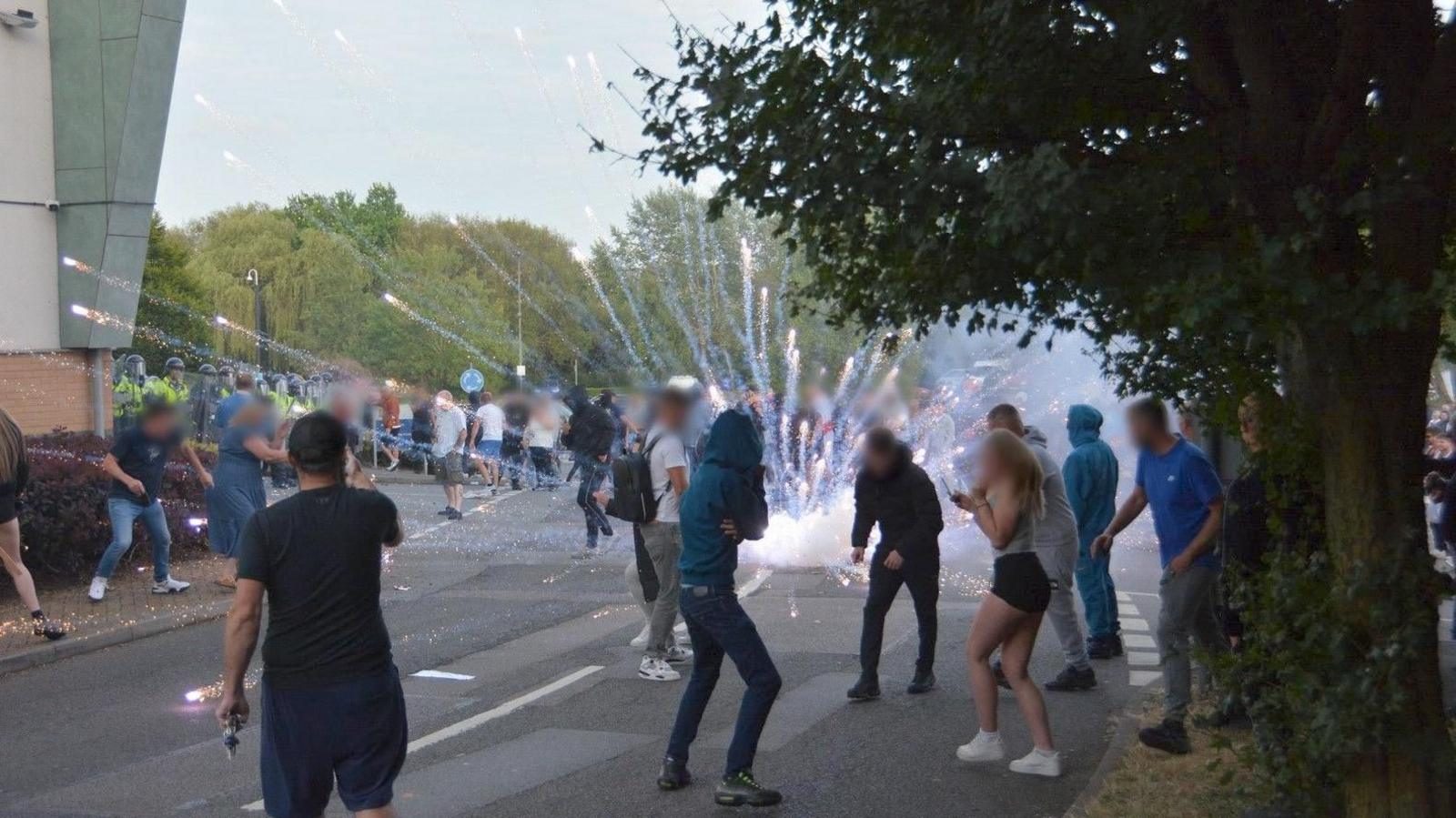
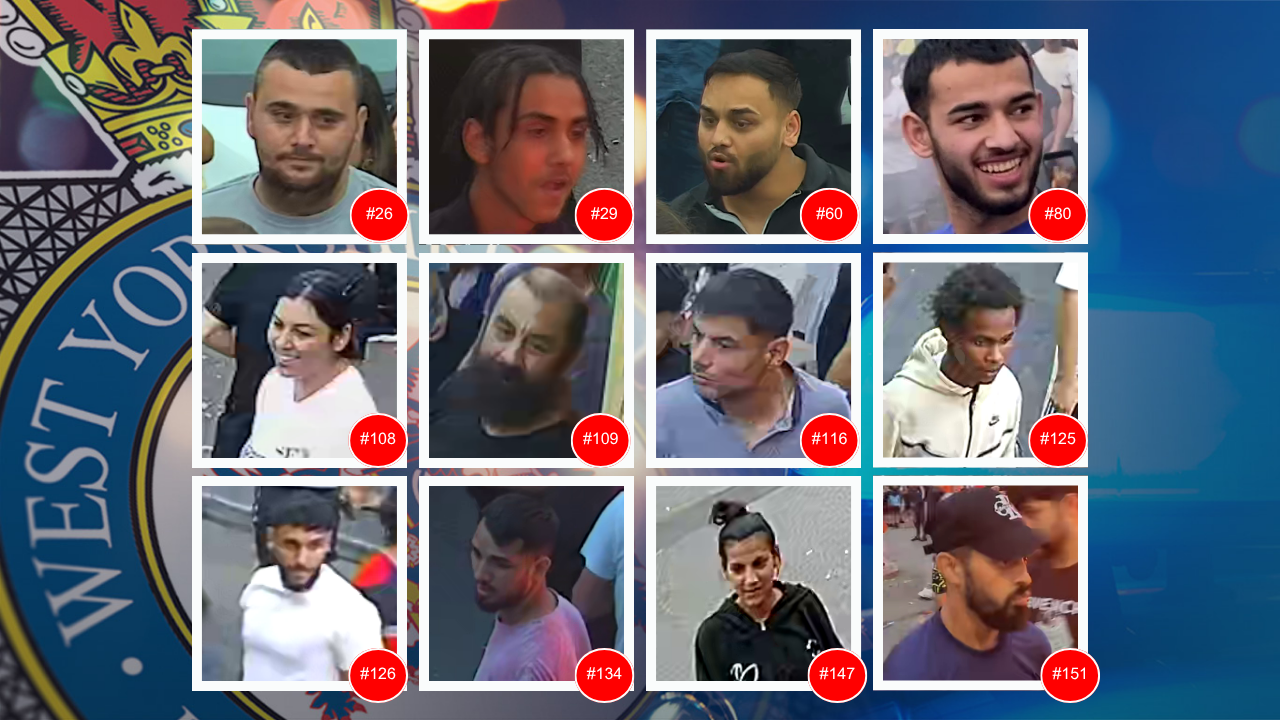
In a concerted effort to address the aftermath of last year's violent unrest, UK police have intensified their search for suspects involved in riots that erupted following the Southport murders. The National Police Chiefs' Council has launched a webpage displaying images of 40 individuals still wanted in connection with the disturbances, which were fueled by misinformation and far-right provocations.
Essex Protests and Legal Actions
Recent protests outside The Bell Hotel in Epping, Essex, have led to the charging of two men with violent disorder. The protests, sparked by the arrest of an asylum seeker on charges of sexual assault, have seen a mix of peaceful demonstrations and criminal activities. Essex Police implemented several orders to manage the protests, emphasizing their commitment to lawful and safe demonstrations.
National Appeal for Suspect Identification
Assistant Chief Constable Ian Drummond-Smith, leading the national investigation, highlighted the importance of public assistance in identifying suspects. "We have a duty to facilitate protest, but when it turns to criminality, swift justice is essential," he stated. The appeal follows the arrest of 1,876 individuals, with 1,110 charged, yet 40 suspects remain unidentified.
Impact of Misinformation and Social Media
The riots, which saw mosques and hotels targeted, were largely driven by false claims that the Southport murderer was a Muslim asylum seeker. This misinformation, spread through social media, incited far-right groups to take to the streets, leading to significant property damage and numerous injuries. The events have prompted a reflection on the role of social media in exacerbating tensions.
Personal Accounts and Community Reactions
Among those involved in the riots, some have expressed regret, such as Amy Hodgkinson-Hedgecox, who described her participation as a moment of "stupidity." In contrast, others remain unapologetic, underscoring the deep divisions within communities. The town of Manvers, a focal point of the unrest, is striving to move past the events, with residents determined not to let the riots define their community.
WHAT THIS MIGHT MEAN
Moving forward, the police's ability to swiftly identify and prosecute those involved in the riots could serve as a deterrent against future unrest. The ongoing protests in Essex and other regions highlight the persistent tensions surrounding immigration and asylum policies in the UK. Experts suggest that addressing the root causes of misinformation and enhancing community engagement could be crucial in preventing similar incidents. As the legal proceedings continue, the outcomes may influence public perception and policy discussions on immigration and public safety.
Images from the Web

Related Articles

Police Federation Chief Arrested Amid Fraud Investigation

Canada and Australia Forge Strategic Partnership Amid Global Uncertainty
UK Government to Reform Asylum Seeker Support and Employment Policies
Middle East Conflict Drives UK Energy Prices to New Highs

UK Faces Dilemmas Amid Iran Conflict and China Spying Allegations

UK Reinforces Military Presence in Cyprus Amid Middle East Tensions
UK Police Intensify Efforts to Identify Suspects from Last Year's Riots Amid Ongoing Protests
In This Article
 Sofia Romano| Published
 HIGHLIGHTS
- Two men have been charged with violent disorder related to protests outside an Essex hotel housing asylum seekers.
- A national appeal seeks public help to identify 40 suspects from last year's UK riots, with 1,110 charged so far.
- Riots erupted after misinformation linked the Southport murders to a Muslim asylum seeker, sparking far-right unrest.
- Police have released new images of suspects from the Leeds unrest, aiming to bring those involved to justice.
- The riots exposed deep societal divisions, with some participants expressing regret while others remain unrepentant.
In a concerted effort to address the aftermath of last year's violent unrest, UK police have intensified their search for suspects involved in riots that erupted following the Southport murders. The National Police Chiefs' Council has launched a webpage displaying images of 40 individuals still wanted in connection with the disturbances, which were fueled by misinformation and far-right provocations.
Essex Protests and Legal Actions
Recent protests outside The Bell Hotel in Epping, Essex, have led to the charging of two men with violent disorder. The protests, sparked by the arrest of an asylum seeker on charges of sexual assault, have seen a mix of peaceful demonstrations and criminal activities. Essex Police implemented several orders to manage the protests, emphasizing their commitment to lawful and safe demonstrations.
National Appeal for Suspect Identification
Assistant Chief Constable Ian Drummond-Smith, leading the national investigation, highlighted the importance of public assistance in identifying suspects. "We have a duty to facilitate protest, but when it turns to criminality, swift justice is essential," he stated. The appeal follows the arrest of 1,876 individuals, with 1,110 charged, yet 40 suspects remain unidentified.
Impact of Misinformation and Social Media
The riots, which saw mosques and hotels targeted, were largely driven by false claims that the Southport murderer was a Muslim asylum seeker. This misinformation, spread through social media, incited far-right groups to take to the streets, leading to significant property damage and numerous injuries. The events have prompted a reflection on the role of social media in exacerbating tensions.
Personal Accounts and Community Reactions
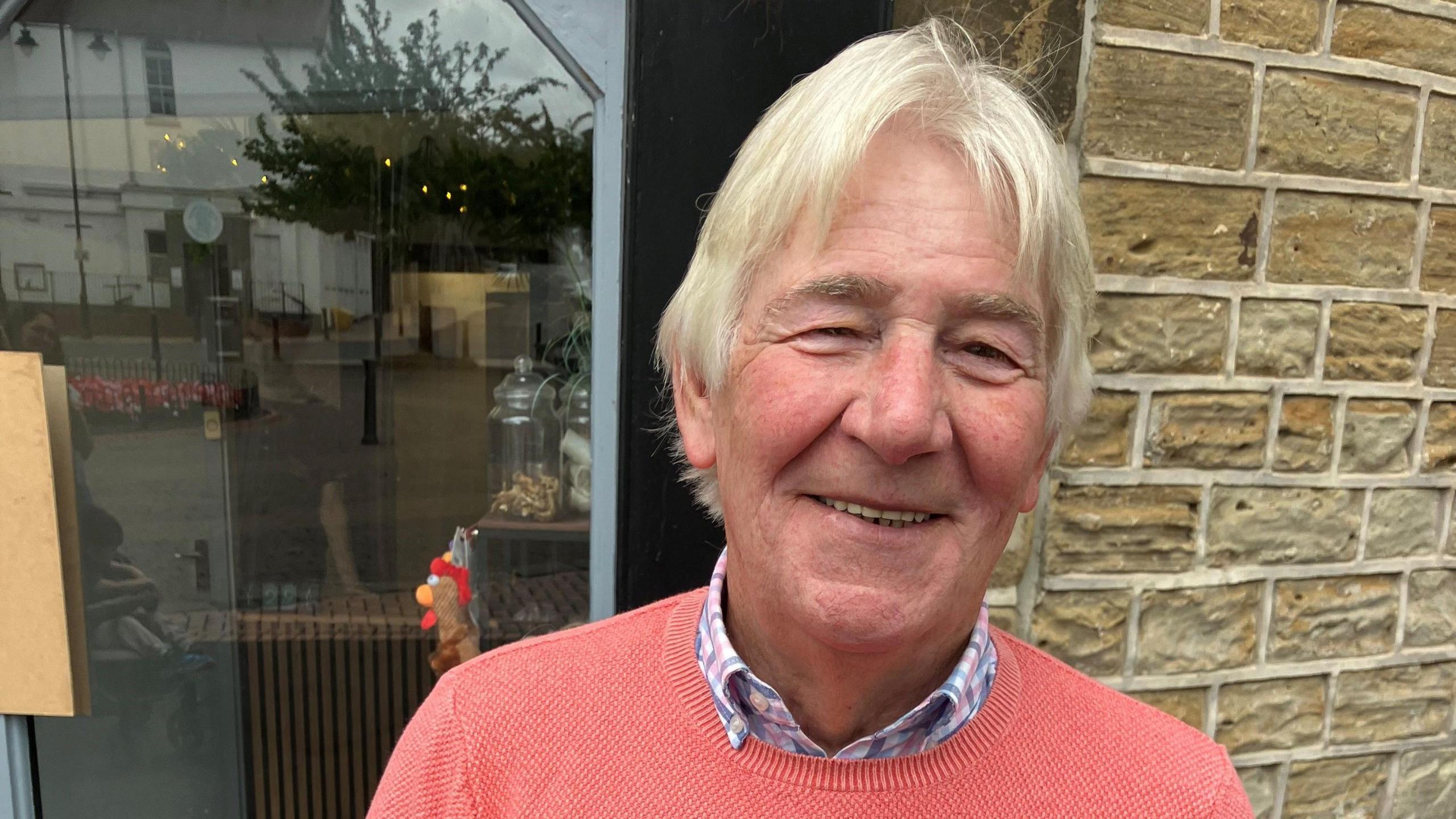
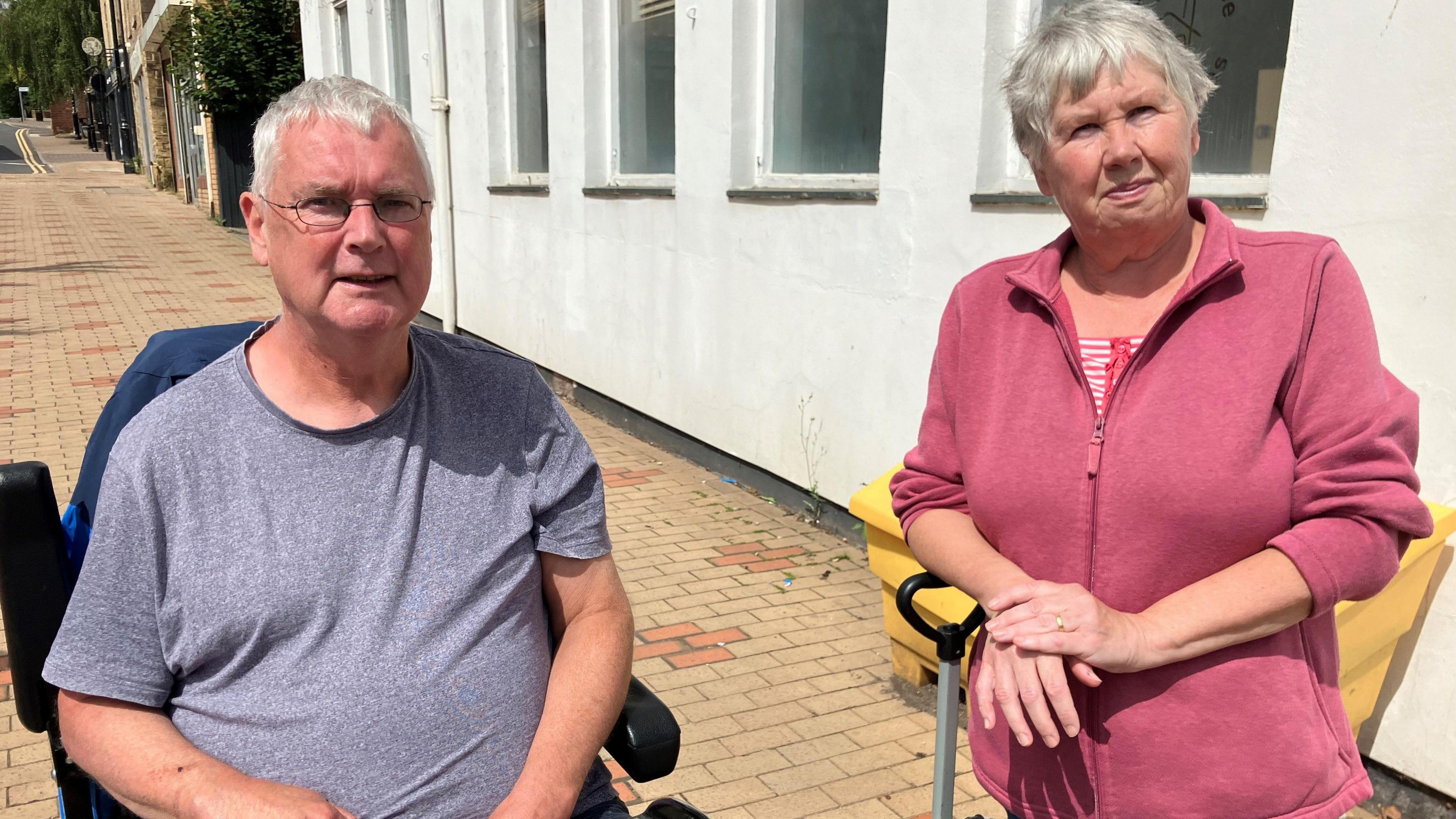
Among those involved in the riots, some have expressed regret, such as Amy Hodgkinson-Hedgecox, who described her participation as a moment of "stupidity." In contrast, others remain unapologetic, underscoring the deep divisions within communities. The town of Manvers, a focal point of the unrest, is striving to move past the events, with residents determined not to let the riots define their community.
WHAT THIS MIGHT MEAN
Moving forward, the police's ability to swiftly identify and prosecute those involved in the riots could serve as a deterrent against future unrest. The ongoing protests in Essex and other regions highlight the persistent tensions surrounding immigration and asylum policies in the UK. Experts suggest that addressing the root causes of misinformation and enhancing community engagement could be crucial in preventing similar incidents. As the legal proceedings continue, the outcomes may influence public perception and policy discussions on immigration and public safety.
Images from the Web
Related Articles
Police Federation Chief Arrested Amid Fraud Investigation
Canada and Australia Forge Strategic Partnership Amid Global Uncertainty
UK Government to Reform Asylum Seeker Support and Employment Policies
Middle East Conflict Drives UK Energy Prices to New Highs
UK Faces Dilemmas Amid Iran Conflict and China Spying Allegations
UK Reinforces Military Presence in Cyprus Amid Middle East Tensions