
UK Politicians Demand Immediate Action on Gaza as Ceasefire Proposal Gains Traction
In This Article
HIGHLIGHTS
- UK politicians urge Prime Minister to pressure Israel to end the Gaza conflict, calling for immediate diplomatic intervention and a halt to arms sales.
- Hamas agrees to a ceasefire proposal involving a 60-day suspension of military operations and the exchange of hostages.
- The UK is working to bring injured children from Gaza for medical treatment, highlighting the humanitarian crisis.
- Massive protests in Israel criticize Netanyahu's handling of the war and demand the release of hostages.
- Amnesty International accuses Israel of a "deliberate policy" of starvation in Gaza, a claim Israel denies.
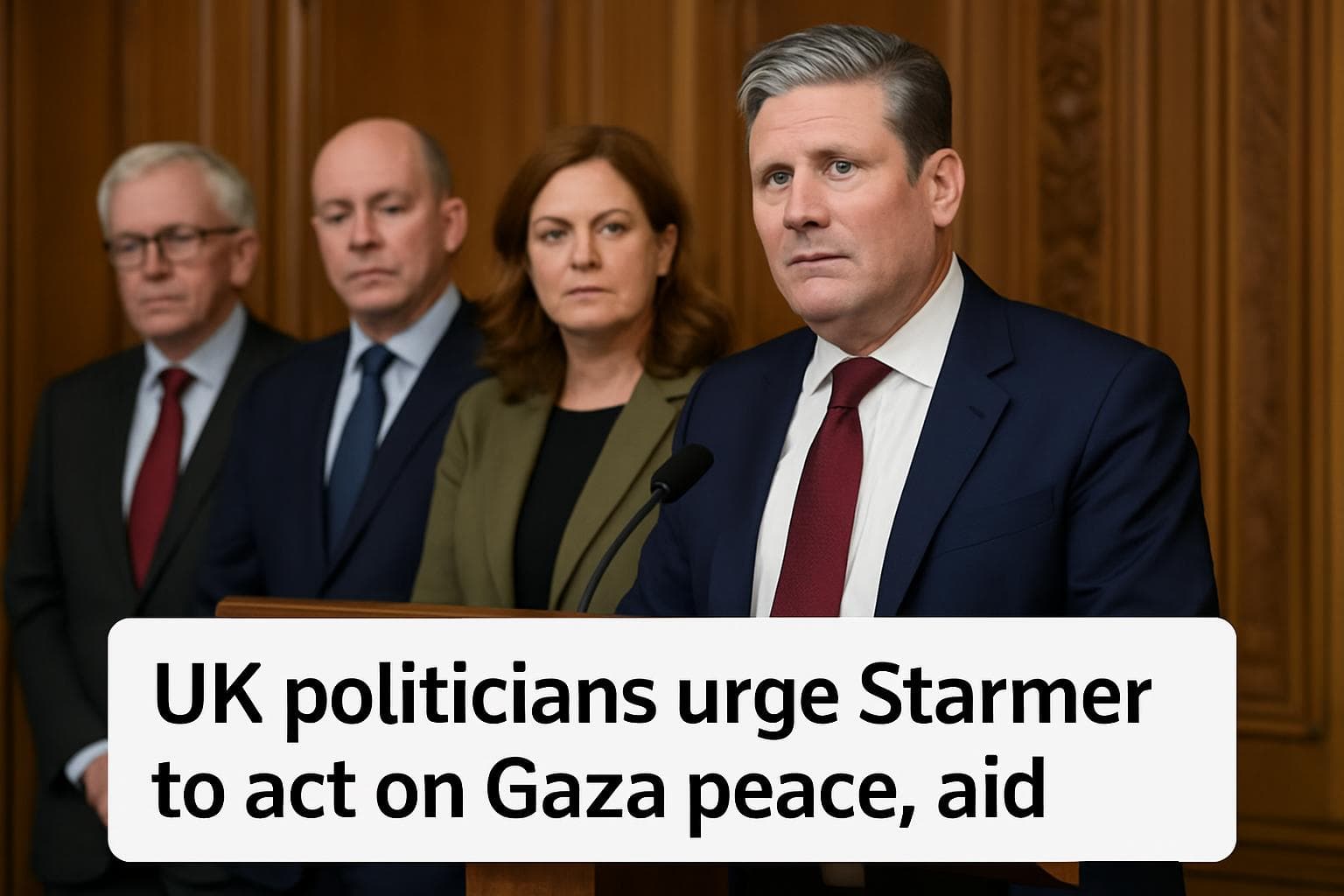
In a significant political move, a coalition of UK politicians has called on Prime Minister Keir Starmer to take decisive action to end the ongoing conflict in Gaza. The appeal, led by the Social Democratic and Labour Party (SDLP), urges the UK government to exert diplomatic pressure on Israel, cease arms sales, and facilitate the delivery of humanitarian aid to the besieged region. This comes amid growing international and domestic pressure for the UK to recognize a Palestinian state, a step already taken by several European nations.
Political Pressure Mounts
The letter, signed by leaders from multiple parties including Sinn Féin, the Scottish National Party (SNP), and Plaid Cymru, emphasizes the urgency of the situation. "Every day of delay means more children starve, more families are torn apart, and more lives are lost," the letter states. SDLP leader Claire Hanna criticized the UK government's inaction, saying, "Our voice may be the only tool we have, but together it is a powerful one."
Ceasefire Proposal and Humanitarian Efforts
Meanwhile, Hamas has accepted a ceasefire proposal that includes a 60-day suspension of military operations and the exchange of hostages. This development, facilitated by Egyptian mediation, offers a potential path to ending the nearly two-year-long conflict. Concurrently, the UK is expediting efforts to bring injured children from Gaza to Britain for urgent medical treatment, reflecting the dire humanitarian needs in the region.
Protests and Accusations
In Israel, Prime Minister Benjamin Netanyahu faces mounting criticism over his handling of the conflict. Recent protests, the largest in two years, saw over 400,000 Israelis demanding the release of hostages and an end to the war. Amnesty International has accused Israel of implementing a "deliberate policy" of starvation in Gaza, a charge that Israel has consistently denied.
WHAT THIS MIGHT MEAN
The acceptance of a ceasefire proposal by Hamas could mark a turning point in the Gaza conflict, potentially leading to broader peace negotiations. However, the success of this initiative depends on the cooperation of international stakeholders and the willingness of both sides to compromise. The UK's diplomatic stance and humanitarian efforts may influence future developments, especially if Parliament is recalled to address the crisis. Domestically, Netanyahu's political future could be jeopardized if public dissatisfaction continues to grow, potentially reshaping Israeli policy towards Gaza.
Related Articles

UK Faces Dilemmas Amid Iran Conflict and China Spying Allegations
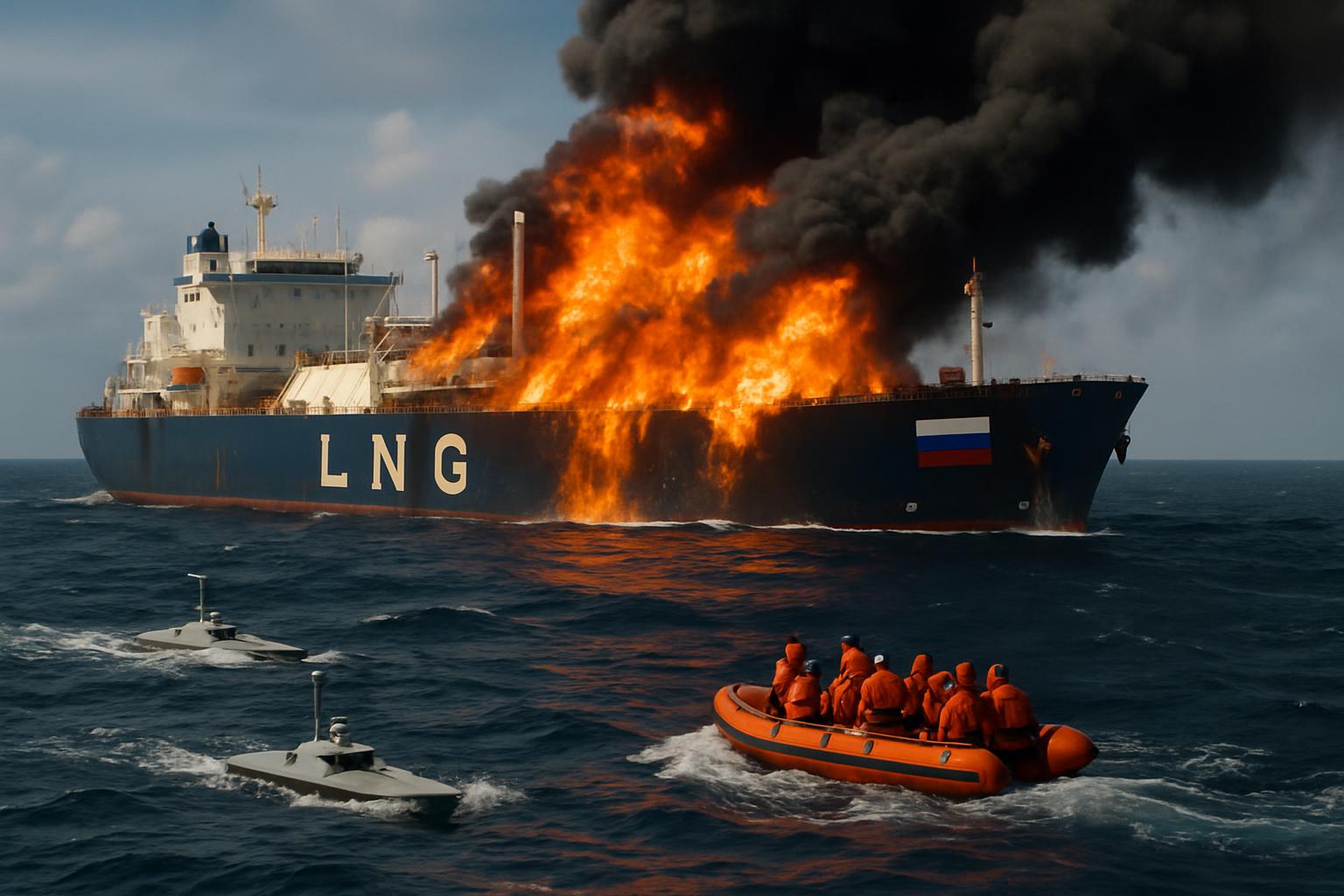
Russian LNG Tanker Sinks in Mediterranean Amid Accusations of Ukrainian Drone Attack

Labour MP's Husband Arrested in UK-China Espionage Probe
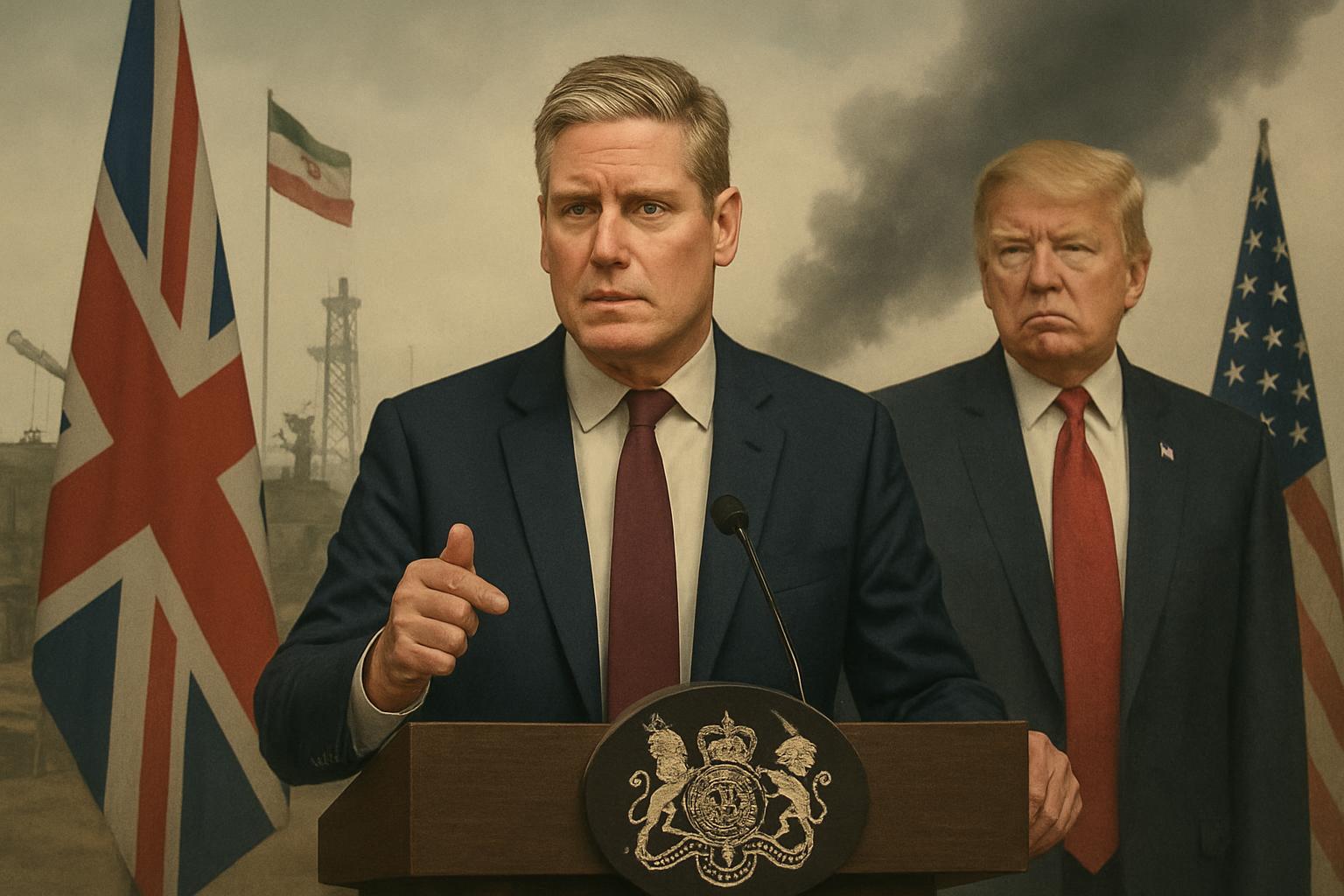
UK-Iran Tensions: Starmer Defends Cautious Approach Amid Trump Criticism
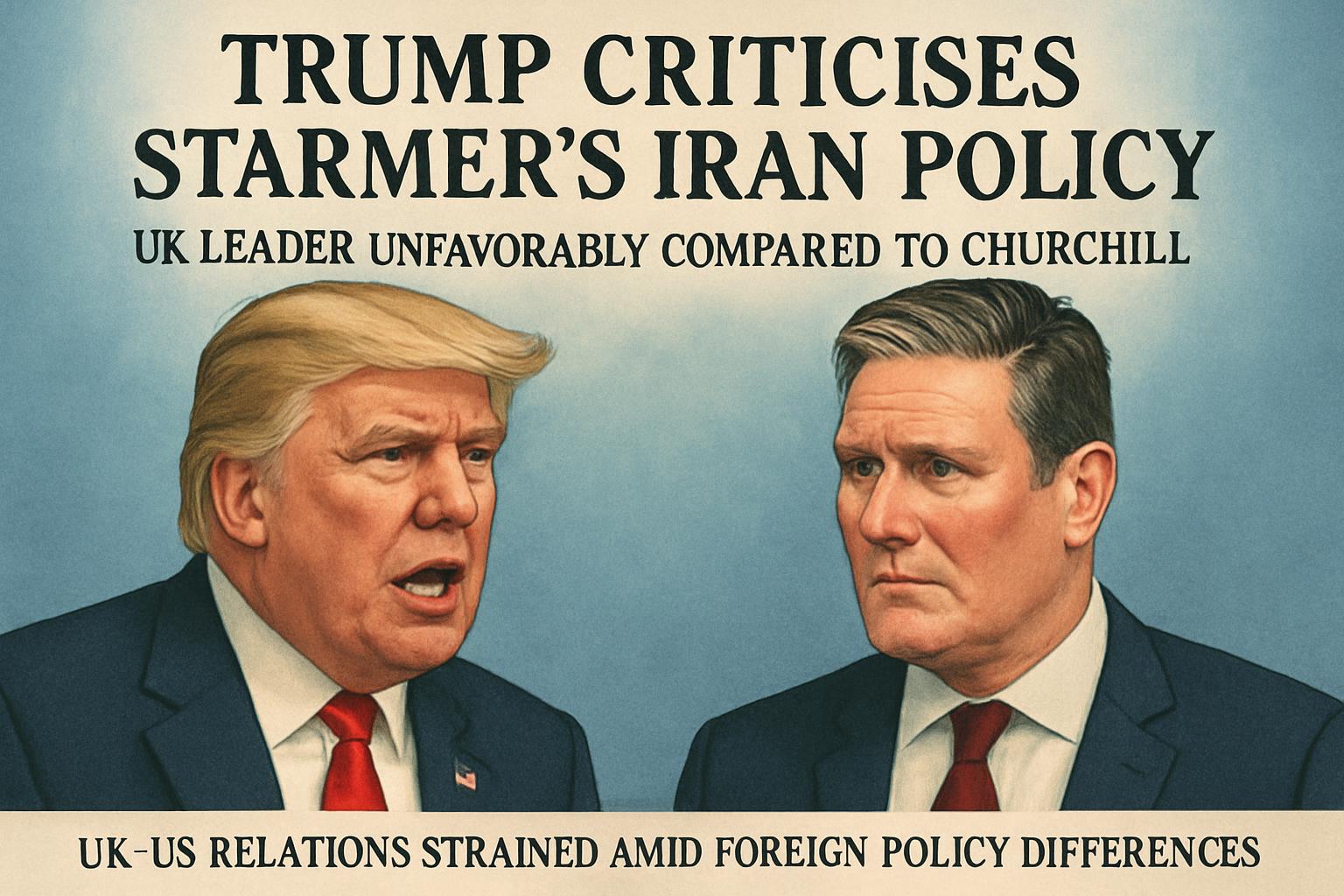
Diplomatic Tensions Rise as Trump Criticizes Starmer's Iran Policy

Tragedy Strikes County Armagh: Three Dead in Multi-Vehicle Collision
UK Politicians Demand Immediate Action on Gaza as Ceasefire Proposal Gains Traction
In This Article
 Ethan Brooks| Published
 HIGHLIGHTS
- UK politicians urge Prime Minister to pressure Israel to end the Gaza conflict, calling for immediate diplomatic intervention and a halt to arms sales.
- Hamas agrees to a ceasefire proposal involving a 60-day suspension of military operations and the exchange of hostages.
- The UK is working to bring injured children from Gaza for medical treatment, highlighting the humanitarian crisis.
- Massive protests in Israel criticize Netanyahu's handling of the war and demand the release of hostages.
- Amnesty International accuses Israel of a "deliberate policy" of starvation in Gaza, a claim Israel denies.
In a significant political move, a coalition of UK politicians has called on Prime Minister Keir Starmer to take decisive action to end the ongoing conflict in Gaza. The appeal, led by the Social Democratic and Labour Party (SDLP), urges the UK government to exert diplomatic pressure on Israel, cease arms sales, and facilitate the delivery of humanitarian aid to the besieged region. This comes amid growing international and domestic pressure for the UK to recognize a Palestinian state, a step already taken by several European nations.
Political Pressure Mounts
The letter, signed by leaders from multiple parties including Sinn Féin, the Scottish National Party (SNP), and Plaid Cymru, emphasizes the urgency of the situation. "Every day of delay means more children starve, more families are torn apart, and more lives are lost," the letter states. SDLP leader Claire Hanna criticized the UK government's inaction, saying, "Our voice may be the only tool we have, but together it is a powerful one."
Ceasefire Proposal and Humanitarian Efforts
Meanwhile, Hamas has accepted a ceasefire proposal that includes a 60-day suspension of military operations and the exchange of hostages. This development, facilitated by Egyptian mediation, offers a potential path to ending the nearly two-year-long conflict. Concurrently, the UK is expediting efforts to bring injured children from Gaza to Britain for urgent medical treatment, reflecting the dire humanitarian needs in the region.
Protests and Accusations
In Israel, Prime Minister Benjamin Netanyahu faces mounting criticism over his handling of the conflict. Recent protests, the largest in two years, saw over 400,000 Israelis demanding the release of hostages and an end to the war. Amnesty International has accused Israel of implementing a "deliberate policy" of starvation in Gaza, a charge that Israel has consistently denied.
WHAT THIS MIGHT MEAN
The acceptance of a ceasefire proposal by Hamas could mark a turning point in the Gaza conflict, potentially leading to broader peace negotiations. However, the success of this initiative depends on the cooperation of international stakeholders and the willingness of both sides to compromise. The UK's diplomatic stance and humanitarian efforts may influence future developments, especially if Parliament is recalled to address the crisis. Domestically, Netanyahu's political future could be jeopardized if public dissatisfaction continues to grow, potentially reshaping Israeli policy towards Gaza.
Related Articles
UK Faces Dilemmas Amid Iran Conflict and China Spying Allegations
Russian LNG Tanker Sinks in Mediterranean Amid Accusations of Ukrainian Drone Attack
Labour MP's Husband Arrested in UK-China Espionage Probe
UK-Iran Tensions: Starmer Defends Cautious Approach Amid Trump Criticism
Diplomatic Tensions Rise as Trump Criticizes Starmer's Iran Policy
Tragedy Strikes County Armagh: Three Dead in Multi-Vehicle Collision