
Calls for IVF Treatment Leave Intensify Amid Economic and Emotional Strain on Employees
In This Article
HIGHLIGHTS
- Calls for legal rights to paid leave for IVF treatment are gaining momentum, highlighting the emotional and financial toll on employees.
- Research estimates UK employers lose £217.3 million annually due to lack of formal fertility support, impacting productivity and causing resignations.
- Fertility Matters at Work advocates for a statutory right to paid leave, emphasizing both moral and economic imperatives.
- Employees undergoing IVF often use sick leave to conceal treatments, with 63% doing so, leading to potential sex discrimination claims.
- A proposed bill in Parliament aims to introduce a statutory right to paid time off for fertility appointments, addressing current legal gaps.
The push for legal rights to paid leave for IVF treatment is gaining traction in the UK, as campaigners highlight the significant emotional and financial burdens faced by employees undergoing fertility treatments. Natalie Rowntree, a 38-year-old from North Yorkshire, shares her challenging journey through IVF, which has involved seven appointments in just eight weeks. "I've just been using sick days and holidays to go through these appointments," she explains, underscoring the difficulty of balancing treatment with her job at a private opticians.
Economic Impact of Lack of Support
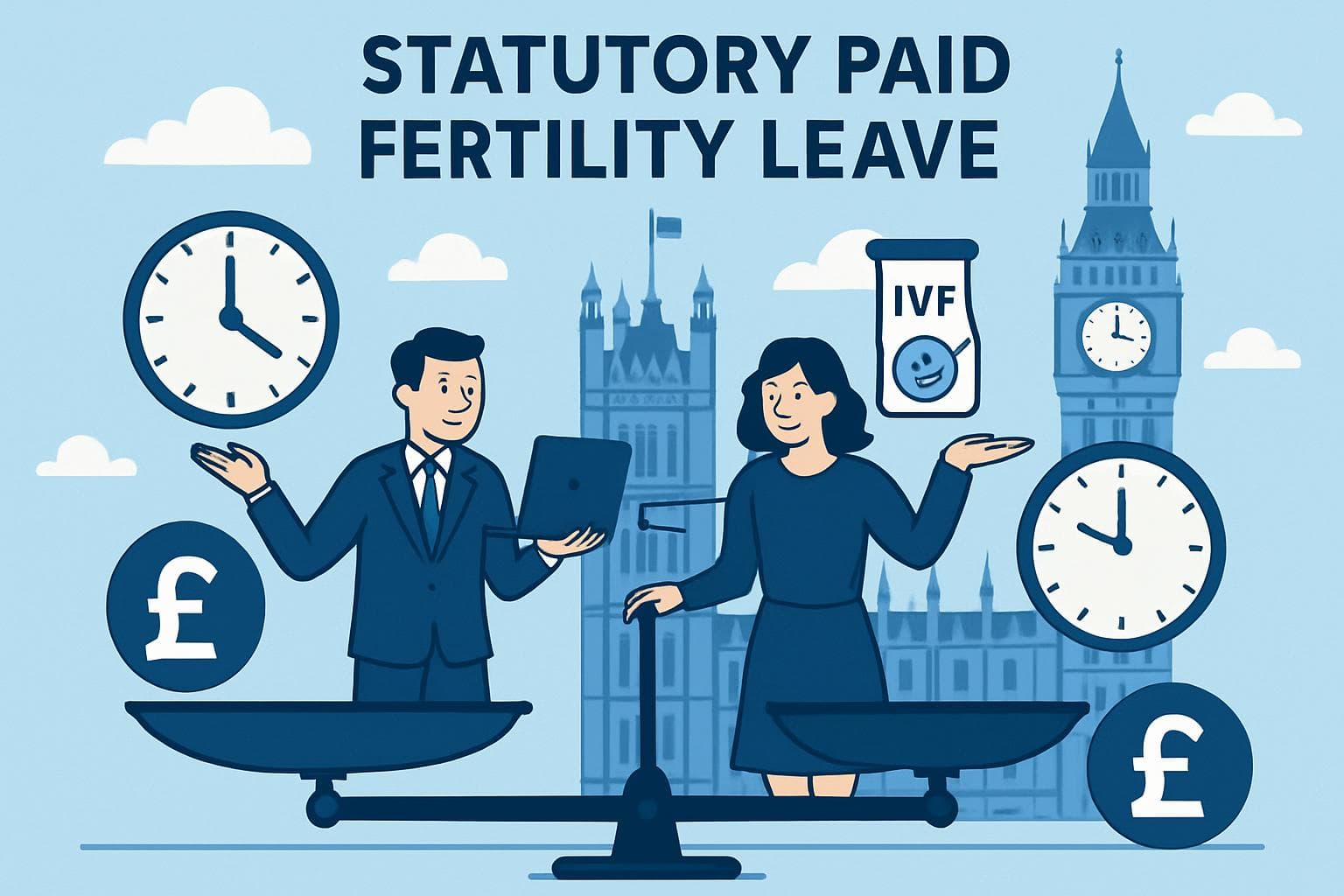
Research by Fertility Matters at Work reveals that UK employers could be losing £217.3 million annually due to the absence of formal fertility support policies. The study estimates that companies without fertility leave incur costs of £35,317 per affected employee, compared to just £388 for 10 days of paid leave. Alice Macdonald, Labour MP for Norwich North, plans to introduce a bill advocating for statutory paid leave for fertility appointments, citing both moral and economic reasons.
Emotional and Legal Challenges
Many employees, like Nicole McCarley, face disciplinary actions and job insecurity due to the side effects of fertility medication. "The fear of losing my income and the chance of starting a family was overwhelming," McCarley shares. The lack of legal protection for fertility treatment leave often forces employees to use sick leave, with 63% doing so to hide their treatment from employers. While refusing leave could be considered sex discrimination, proving such cases remains challenging.
Campaign for Change
Becky Kearns, co-founder of Fertility Matters at Work, argues that providing paid leave is not only beneficial for employees but also cost-effective for businesses. "Most businesses are choosing the expensive option without realising it, and employees are paying the price in lost careers and stalled opportunities," she states. The proposed bill in Parliament aims to address these issues by establishing a statutory right to paid fertility leave, potentially transforming workplace support for those undergoing IVF.
WHAT THIS MIGHT MEAN
If the proposed bill for statutory paid fertility leave gains traction in Parliament, it could set a precedent for workplace rights related to medical treatments. This change might encourage more employers to adopt supportive policies, reducing the economic impact of lost productivity and employee turnover. However, resistance from businesses concerned about the financial implications of additional leave entitlements could pose challenges. Legal experts suggest that clearer guidelines on fertility treatment leave could also help mitigate potential discrimination claims, fostering a more inclusive work environment.
Related Articles

UK Government to Reform Asylum Seeker Support and Employment Policies

UK Faces Dilemmas Amid Iran Conflict and China Spying Allegations

UK Reinforces Military Presence in Cyprus Amid Middle East Tensions

UK-Iran Tensions: Starmer Defends Cautious Approach Amid Trump Criticism
Persistent Safety Concerns in Nottingham Maternity Services Amidst Calls for Systemic Reform

Diplomatic Tensions Rise as Trump Criticizes Starmer's Iran Policy
Calls for IVF Treatment Leave Intensify Amid Economic and Emotional Strain on Employees
In This Article
 Ethan Brooks| Published
 HIGHLIGHTS
- Calls for legal rights to paid leave for IVF treatment are gaining momentum, highlighting the emotional and financial toll on employees.
- Research estimates UK employers lose £217.3 million annually due to lack of formal fertility support, impacting productivity and causing resignations.
- Fertility Matters at Work advocates for a statutory right to paid leave, emphasizing both moral and economic imperatives.
- Employees undergoing IVF often use sick leave to conceal treatments, with 63% doing so, leading to potential sex discrimination claims.
- A proposed bill in Parliament aims to introduce a statutory right to paid time off for fertility appointments, addressing current legal gaps.
The push for legal rights to paid leave for IVF treatment is gaining traction in the UK, as campaigners highlight the significant emotional and financial burdens faced by employees undergoing fertility treatments. Natalie Rowntree, a 38-year-old from North Yorkshire, shares her challenging journey through IVF, which has involved seven appointments in just eight weeks. "I've just been using sick days and holidays to go through these appointments," she explains, underscoring the difficulty of balancing treatment with her job at a private opticians.
Economic Impact of Lack of Support
Research by Fertility Matters at Work reveals that UK employers could be losing £217.3 million annually due to the absence of formal fertility support policies. The study estimates that companies without fertility leave incur costs of £35,317 per affected employee, compared to just £388 for 10 days of paid leave. Alice Macdonald, Labour MP for Norwich North, plans to introduce a bill advocating for statutory paid leave for fertility appointments, citing both moral and economic reasons.
Emotional and Legal Challenges
Many employees, like Nicole McCarley, face disciplinary actions and job insecurity due to the side effects of fertility medication. "The fear of losing my income and the chance of starting a family was overwhelming," McCarley shares. The lack of legal protection for fertility treatment leave often forces employees to use sick leave, with 63% doing so to hide their treatment from employers. While refusing leave could be considered sex discrimination, proving such cases remains challenging.
Campaign for Change
Becky Kearns, co-founder of Fertility Matters at Work, argues that providing paid leave is not only beneficial for employees but also cost-effective for businesses. "Most businesses are choosing the expensive option without realising it, and employees are paying the price in lost careers and stalled opportunities," she states. The proposed bill in Parliament aims to address these issues by establishing a statutory right to paid fertility leave, potentially transforming workplace support for those undergoing IVF.
WHAT THIS MIGHT MEAN
If the proposed bill for statutory paid fertility leave gains traction in Parliament, it could set a precedent for workplace rights related to medical treatments. This change might encourage more employers to adopt supportive policies, reducing the economic impact of lost productivity and employee turnover. However, resistance from businesses concerned about the financial implications of additional leave entitlements could pose challenges. Legal experts suggest that clearer guidelines on fertility treatment leave could also help mitigate potential discrimination claims, fostering a more inclusive work environment.
Related Articles
UK Government to Reform Asylum Seeker Support and Employment Policies
UK Faces Dilemmas Amid Iran Conflict and China Spying Allegations
UK Reinforces Military Presence in Cyprus Amid Middle East Tensions
UK-Iran Tensions: Starmer Defends Cautious Approach Amid Trump Criticism
Persistent Safety Concerns in Nottingham Maternity Services Amidst Calls for Systemic Reform
Diplomatic Tensions Rise as Trump Criticizes Starmer's Iran Policy