
UK Re-establishes Diplomatic Ties with Syria Amidst Fragile Transition
In This Article
HIGHLIGHTS
- UK Foreign Secretary David Lammy visited Syria, marking the first UK ministerial visit since the 2011 uprising.
- The UK announced a £94.5 million aid package to support Syria's humanitarian needs and long-term recovery.
- The visit follows the ousting of Bashar al-Assad by Hayat Tahrir al-Sham, prompting Western countries to reset relations with Syria.
- The UK and US have lifted certain sanctions on Syria to encourage stability and economic recovery.
- Concerns remain about the new Syrian government's ability to protect minorities and maintain peace.
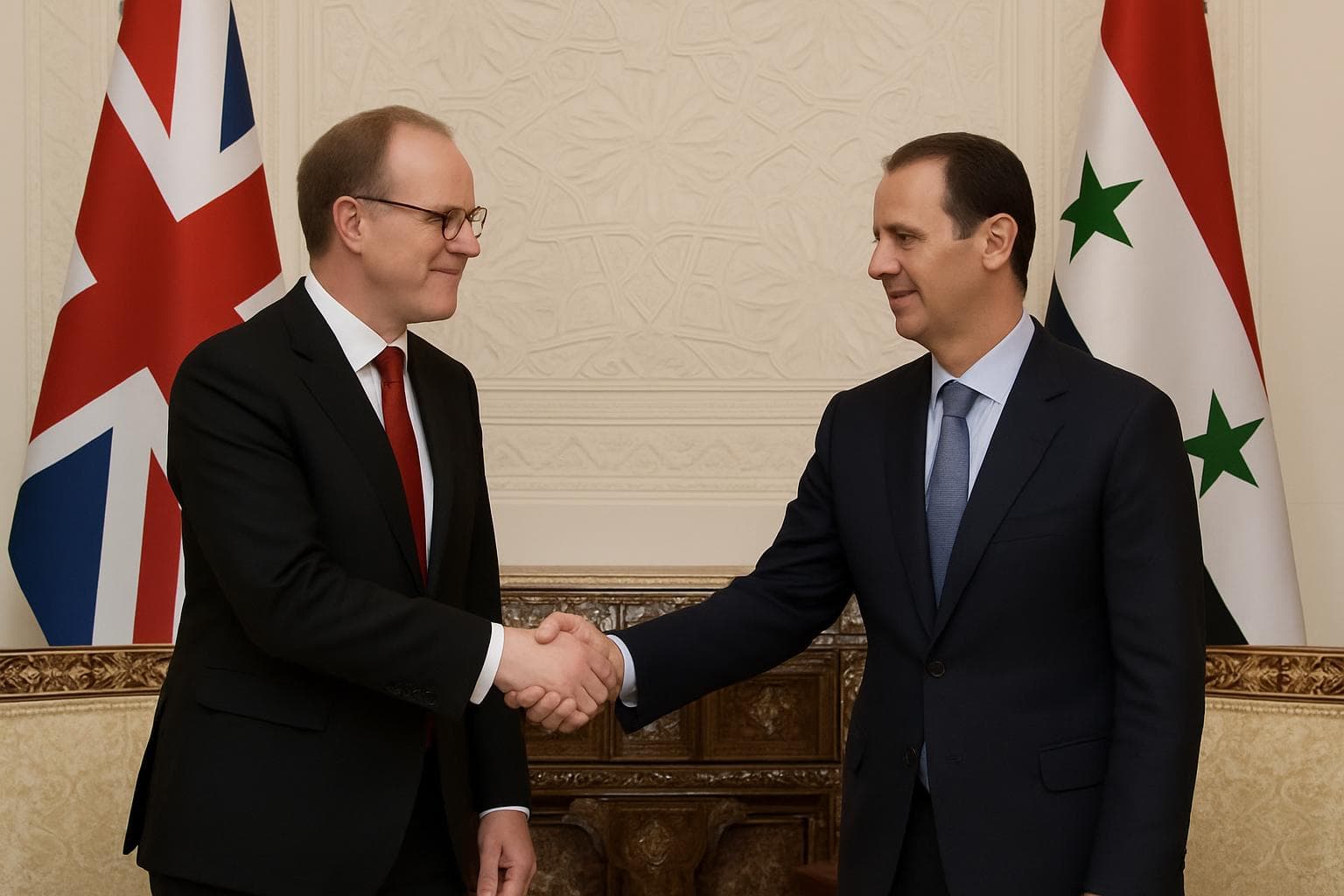
In a historic move, UK Foreign Secretary David Lammy has become the first British minister to visit Syria since the onset of the civil war in 2011. This visit marks a significant step in re-establishing diplomatic relations with Syria, following the recent political upheaval that saw the ousting of long-time leader Bashar al-Assad by the Islamist group Hayat Tahrir al-Sham.
Renewed Diplomatic Engagement
During his visit to Damascus, Lammy met with Syria's interim president, Ahmad al-Sharaa, and other key officials. The UK government announced a substantial £94.5 million aid package aimed at addressing urgent humanitarian needs and supporting Syria's long-term recovery. Lammy emphasized the UK's commitment to promoting inclusivity, transparency, and accountability in Syria's new government. "There is renewed hope for the Syrian people," Lammy stated, highlighting the importance of supporting Syria's transition to a stable and prosperous future.
Lifting Sanctions and Encouraging Stability
The visit comes as Western nations, including the US and UK, have begun lifting certain sanctions on Syria. In June, US President Donald Trump signed an executive order ending a sanctions program, while the UK eased restrictions in April, unfreezing assets of Syria's central bank and other entities. These moves are intended to facilitate Syria's reintegration into the international financial system and encourage economic recovery.
Challenges and Concerns
Despite these diplomatic efforts, significant challenges remain. The new Syrian government, led by members of Hayat Tahrir al-Sham, faces scrutiny over its ability to protect minority groups and ensure peace. Recent violent attacks against minorities, including the Alawite and Druze communities, have raised international concerns. Lammy acknowledged Syria's troubled past but stressed the UK's focus on a future of accountability and inclusivity.
Regional Implications
Lammy's visit underscores the broader geopolitical implications of Syria's transition. A stable Syria is seen as crucial for reducing irregular migration, eliminating chemical weapons, and combating terrorism in the region. Following his visit to Syria, Lammy is set to travel to Kuwait to discuss regional security and strengthen bilateral relations, further highlighting the UK's strategic interests in Middle East stability.
WHAT THIS MIGHT MEAN
The re-establishment of diplomatic ties between the UK and Syria could pave the way for increased international support and investment in Syria's recovery. However, the new government's ability to maintain peace and protect minority rights remains uncertain. If successful, Syria's transition could serve as a model for conflict resolution in the region. Conversely, failure to address internal divisions and external threats could lead to renewed instability. Experts suggest that continued international engagement and oversight will be crucial in ensuring a peaceful and inclusive future for Syria.
Related Articles

UK-Iran Tensions: Starmer Defends Cautious Approach Amid Trump Criticism

UK Faces Dilemmas Amid Iran Conflict and China Spying Allegations
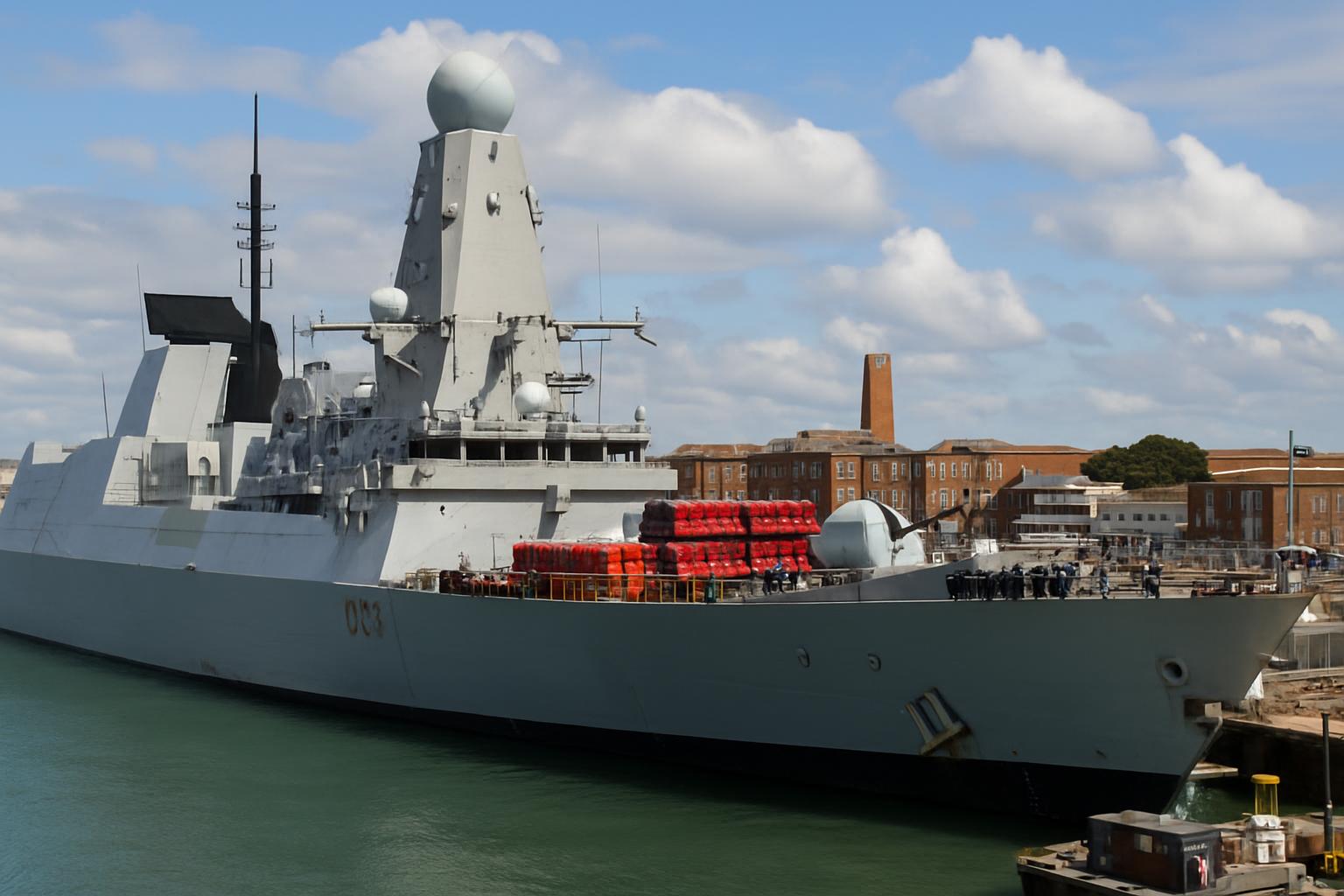
UK Reinforces Military Presence in Cyprus Amid Middle East Tensions
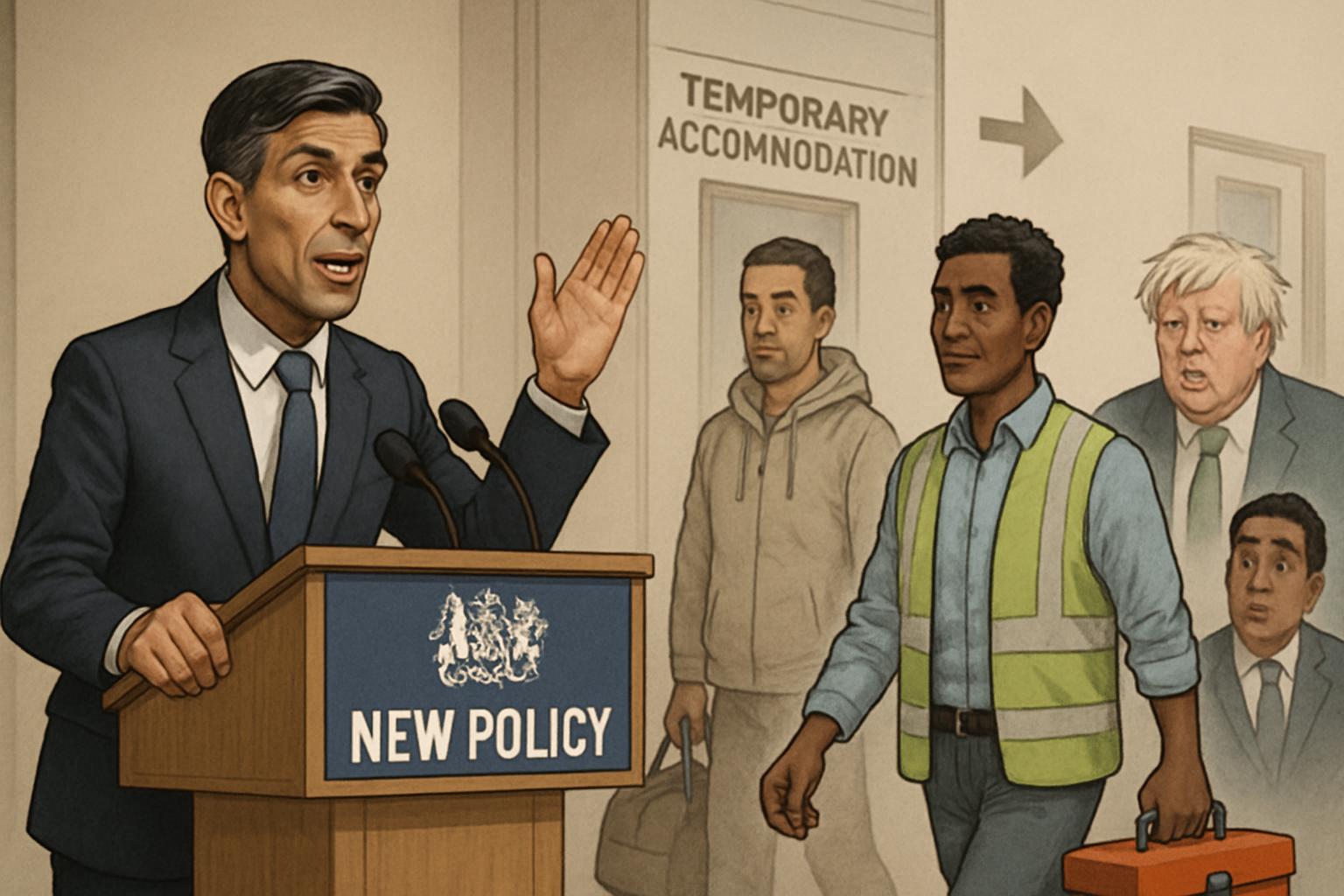
UK Government to Reform Asylum Seeker Support and Employment Policies

Middle East Conflict Drives UK Energy Prices to New Highs
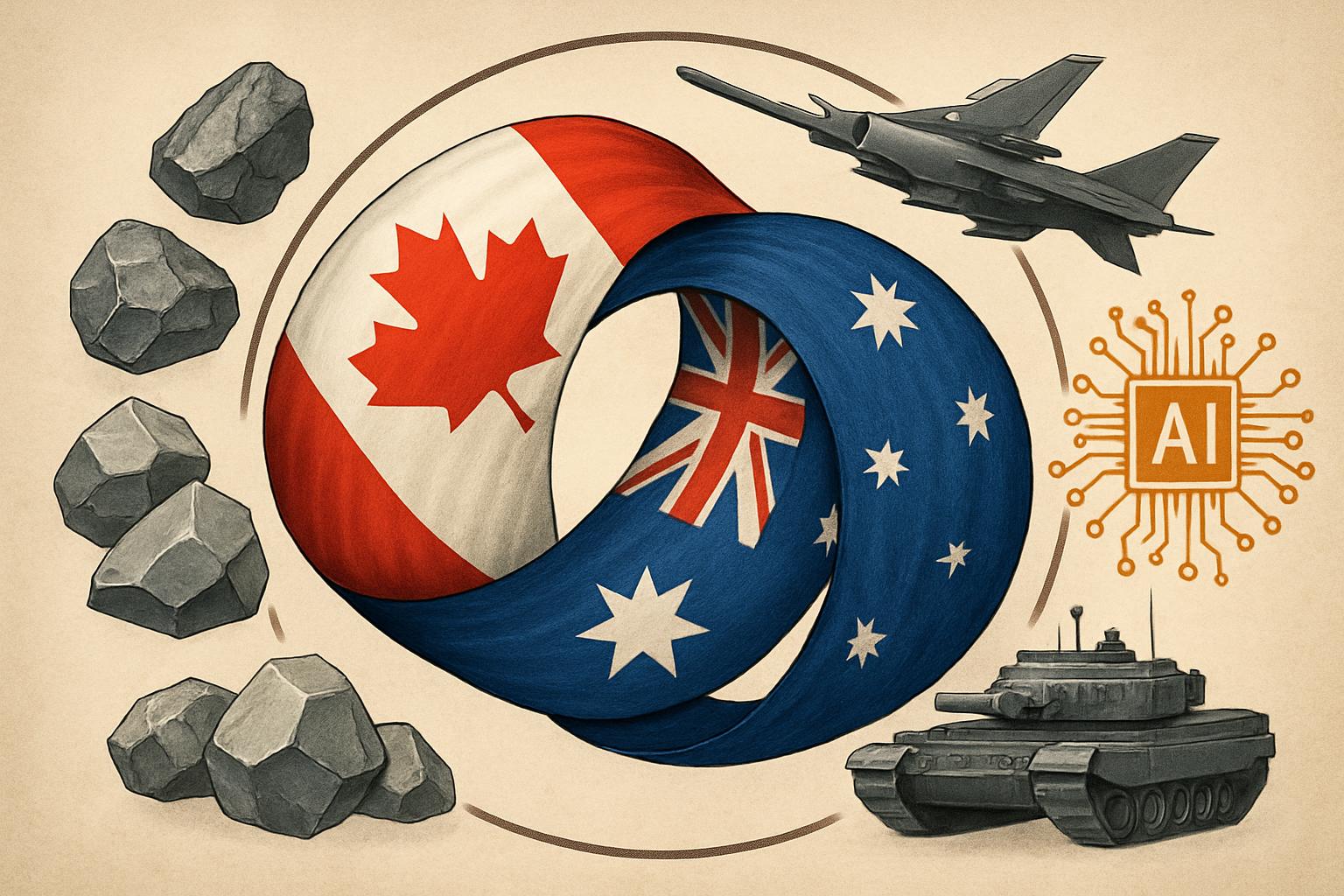
Canada and Australia Forge Strategic Partnership Amid Global Uncertainty
UK Re-establishes Diplomatic Ties with Syria Amidst Fragile Transition
In This Article
 Ethan Brooks| Published
 HIGHLIGHTS
- UK Foreign Secretary David Lammy visited Syria, marking the first UK ministerial visit since the 2011 uprising.
- The UK announced a £94.5 million aid package to support Syria's humanitarian needs and long-term recovery.
- The visit follows the ousting of Bashar al-Assad by Hayat Tahrir al-Sham, prompting Western countries to reset relations with Syria.
- The UK and US have lifted certain sanctions on Syria to encourage stability and economic recovery.
- Concerns remain about the new Syrian government's ability to protect minorities and maintain peace.
In a historic move, UK Foreign Secretary David Lammy has become the first British minister to visit Syria since the onset of the civil war in 2011. This visit marks a significant step in re-establishing diplomatic relations with Syria, following the recent political upheaval that saw the ousting of long-time leader Bashar al-Assad by the Islamist group Hayat Tahrir al-Sham.
Renewed Diplomatic Engagement
During his visit to Damascus, Lammy met with Syria's interim president, Ahmad al-Sharaa, and other key officials. The UK government announced a substantial £94.5 million aid package aimed at addressing urgent humanitarian needs and supporting Syria's long-term recovery. Lammy emphasized the UK's commitment to promoting inclusivity, transparency, and accountability in Syria's new government. "There is renewed hope for the Syrian people," Lammy stated, highlighting the importance of supporting Syria's transition to a stable and prosperous future.
Lifting Sanctions and Encouraging Stability
The visit comes as Western nations, including the US and UK, have begun lifting certain sanctions on Syria. In June, US President Donald Trump signed an executive order ending a sanctions program, while the UK eased restrictions in April, unfreezing assets of Syria's central bank and other entities. These moves are intended to facilitate Syria's reintegration into the international financial system and encourage economic recovery.
Challenges and Concerns
Despite these diplomatic efforts, significant challenges remain. The new Syrian government, led by members of Hayat Tahrir al-Sham, faces scrutiny over its ability to protect minority groups and ensure peace. Recent violent attacks against minorities, including the Alawite and Druze communities, have raised international concerns. Lammy acknowledged Syria's troubled past but stressed the UK's focus on a future of accountability and inclusivity.
Regional Implications
Lammy's visit underscores the broader geopolitical implications of Syria's transition. A stable Syria is seen as crucial for reducing irregular migration, eliminating chemical weapons, and combating terrorism in the region. Following his visit to Syria, Lammy is set to travel to Kuwait to discuss regional security and strengthen bilateral relations, further highlighting the UK's strategic interests in Middle East stability.
WHAT THIS MIGHT MEAN
The re-establishment of diplomatic ties between the UK and Syria could pave the way for increased international support and investment in Syria's recovery. However, the new government's ability to maintain peace and protect minority rights remains uncertain. If successful, Syria's transition could serve as a model for conflict resolution in the region. Conversely, failure to address internal divisions and external threats could lead to renewed instability. Experts suggest that continued international engagement and oversight will be crucial in ensuring a peaceful and inclusive future for Syria.
Related Articles
UK-Iran Tensions: Starmer Defends Cautious Approach Amid Trump Criticism
UK Faces Dilemmas Amid Iran Conflict and China Spying Allegations
UK Reinforces Military Presence in Cyprus Amid Middle East Tensions
UK Government to Reform Asylum Seeker Support and Employment Policies
Middle East Conflict Drives UK Energy Prices to New Highs
Canada and Australia Forge Strategic Partnership Amid Global Uncertainty