
UK Withholds Support for Trump's Controversial Board of Peace Amid Putin Concerns
In This Article
HIGHLIGHTS
- The UK has declined to join Donald Trump's "Board of Peace" due to concerns over Vladimir Putin's involvement.
- Trump's initiative, launched at the World Economic Forum in Davos, aims to resolve global conflicts but faces criticism for potentially undermining the UN.
- The Board of Peace has been signed by leaders from 19 countries, but key nations like the UK, France, and Germany have not joined.
- Critics argue the board could replace some functions of the UN, despite Trump's assurances of collaboration.
- The board's logo, resembling the UN emblem, has sparked controversy over its intentions and design.
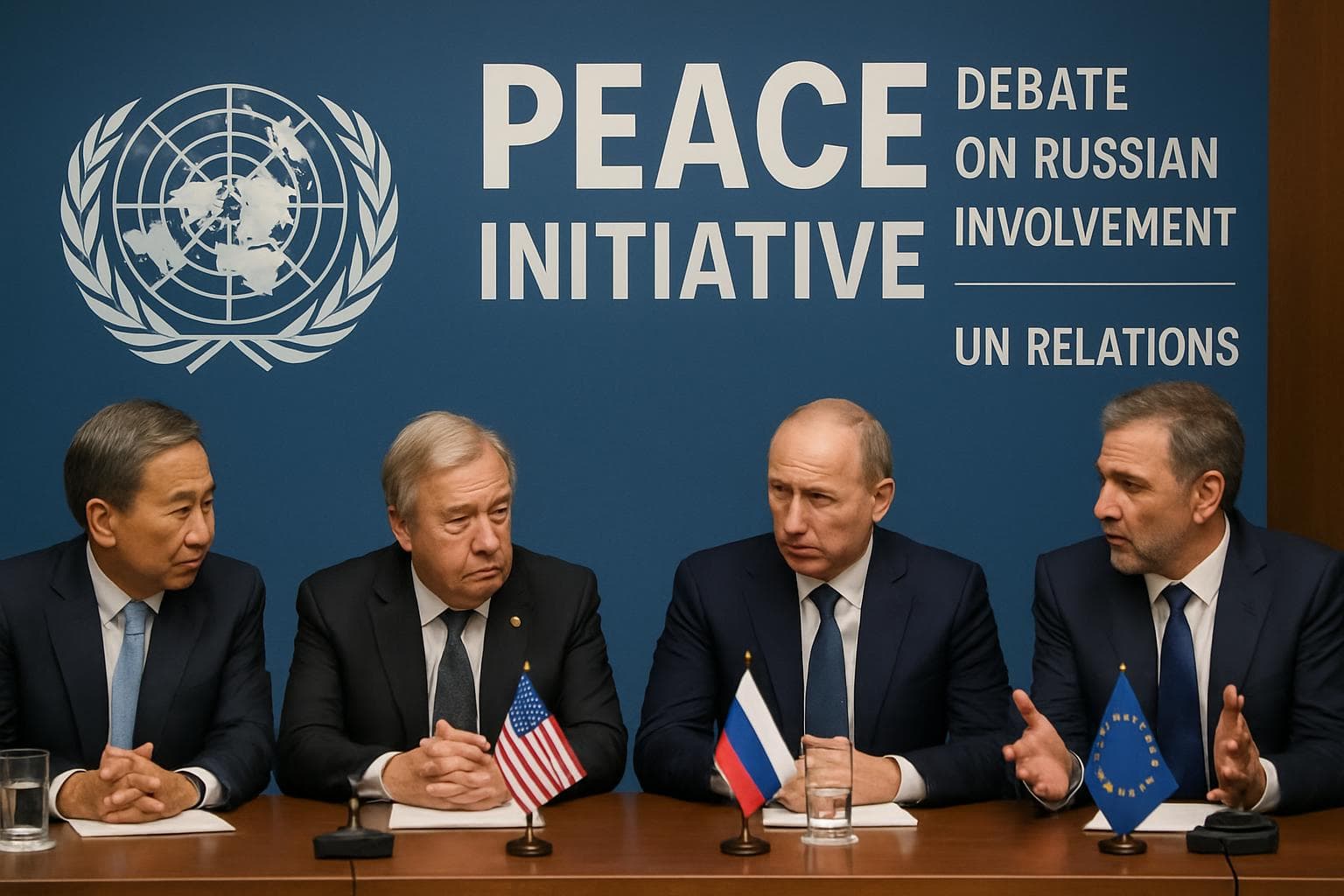
At the World Economic Forum in Davos, the UK announced it would not be joining US President Donald Trump's newly formed "Board of Peace," citing apprehensions over Russian President Vladimir Putin's potential involvement. The initiative, which aims to address global conflicts, has been met with skepticism from several nations, including the UK, France, and Germany.
Concerns Over Russian Involvement
UK Foreign Secretary Yvette Cooper expressed support for Trump's 20-point plan to end the conflict in Gaza but highlighted broader issues with the board's legal framework. "We won't be one of the signatories today because this is a legal treaty that raises much broader issues," Cooper stated, emphasizing concerns about Putin's role in the initiative. The Kremlin has yet to confirm Russia's participation, with Putin indicating that discussions with the Trump administration are ongoing.
A New Global Initiative or a UN Alternative?
The Board of Peace, chaired by Trump, has been criticized for potentially undermining the United Nations. While Trump insists the board will work alongside the UN, critics argue it could supplant some of the UN's functions. The board's logo, strikingly similar to the UN emblem but with a gold hue and a focus on the Americas, has further fueled these concerns.
International Participation and Reactions
Despite the controversy, leaders from 19 countries, including Saudi Arabia, Turkey, and Argentina, have signed onto the board. However, notable absentees include the UK, France, and Germany. Trump's invitation to Putin has been particularly contentious, given Russia's ongoing military actions in Ukraine. Trump, however, remains optimistic about the board's potential, stating it could become "one of the most consequential bodies ever created."
WHAT THIS MIGHT MEAN
The future of Trump's Board of Peace remains uncertain as it grapples with international skepticism and the challenge of gaining widespread support. If key nations continue to withhold participation, the board's legitimacy and effectiveness could be compromised. Experts suggest that the board's success will largely depend on its ability to work in harmony with existing international bodies like the UN. As discussions continue, the global community will be watching closely to see if the board can deliver on its ambitious promises of peace and conflict resolution.
Related Articles
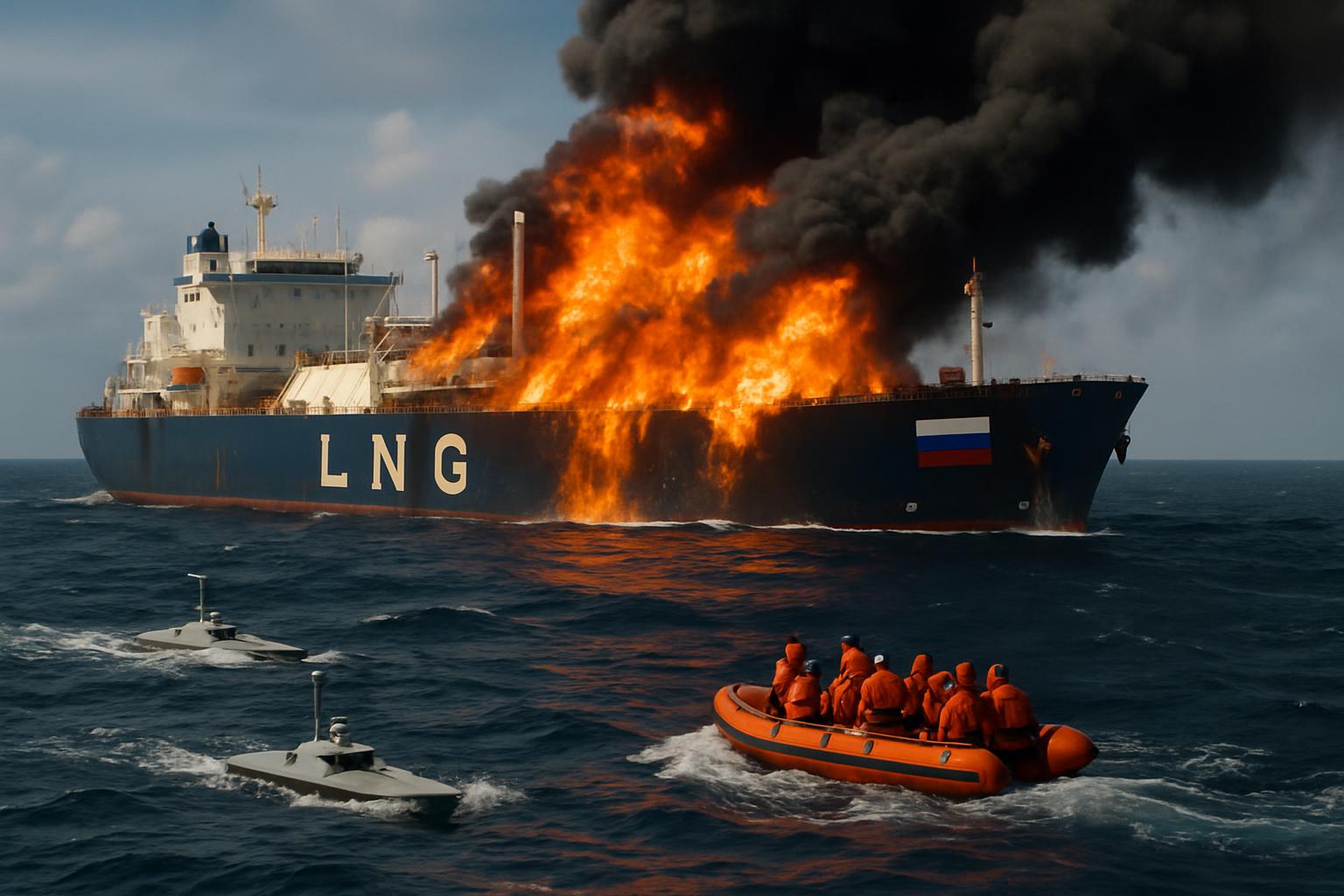
Russian LNG Tanker Sinks in Mediterranean Amid Accusations of Ukrainian Drone Attack

UK Faces Dilemmas Amid Iran Conflict and China Spying Allegations
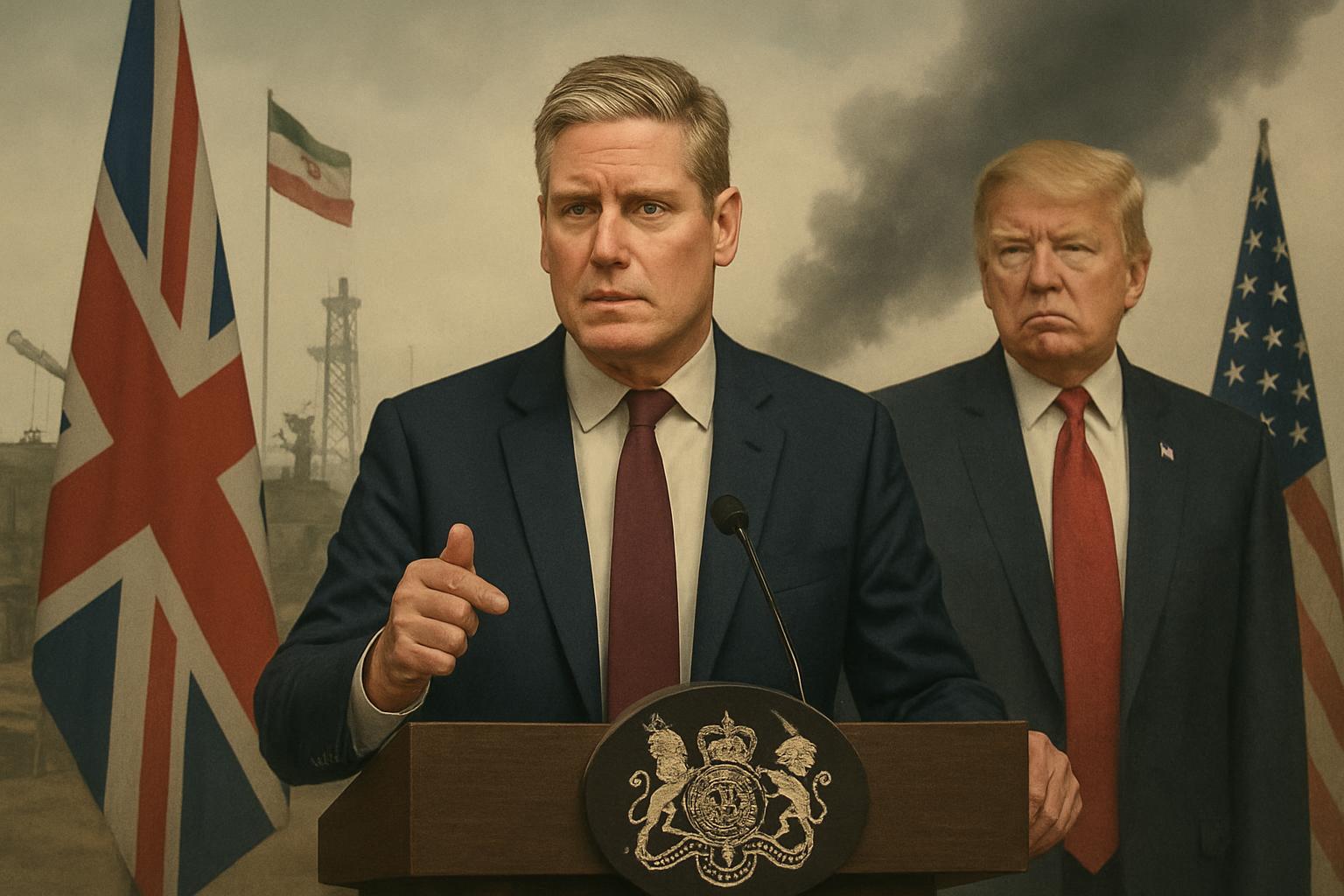
UK-Iran Tensions: Starmer Defends Cautious Approach Amid Trump Criticism
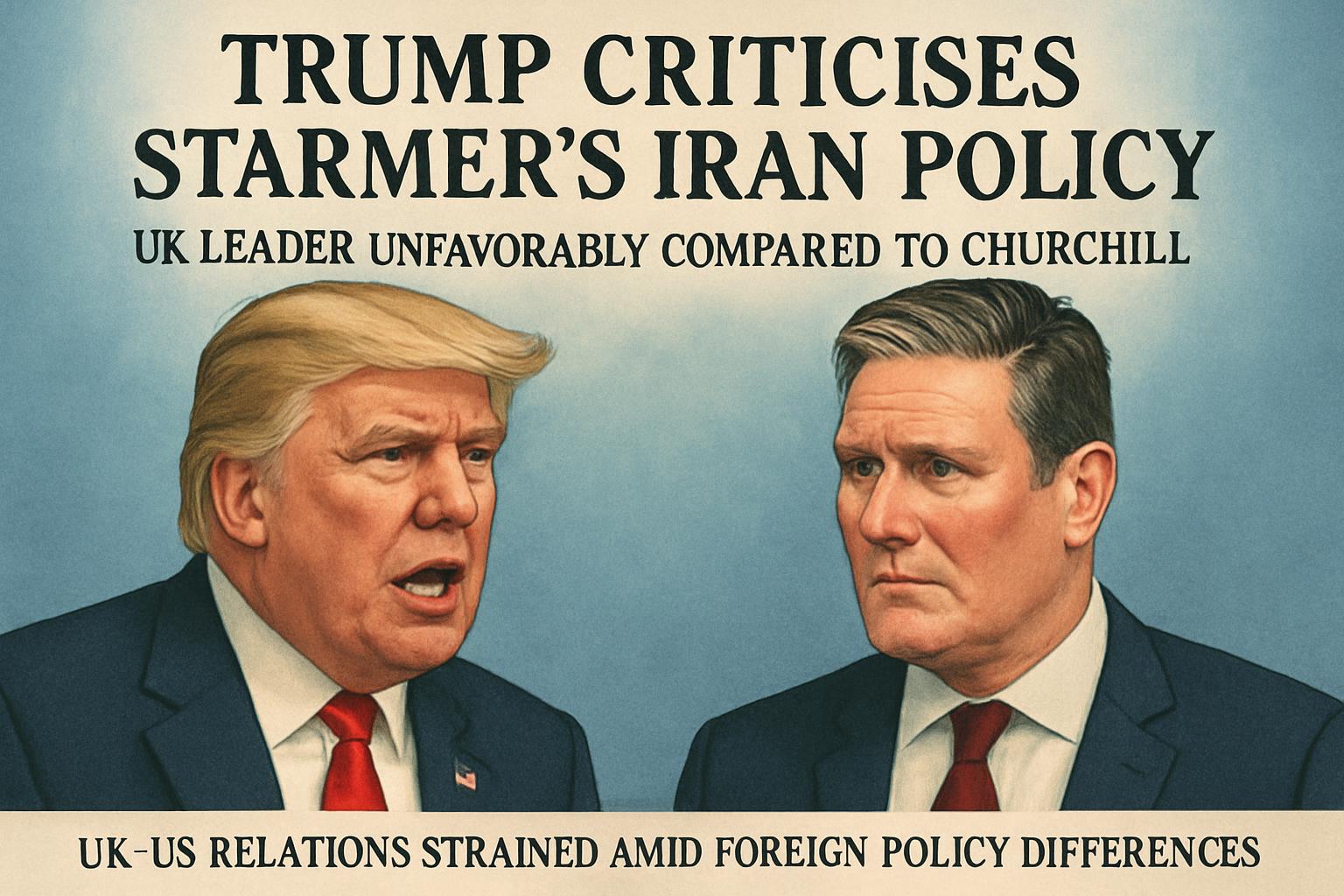
Diplomatic Tensions Rise as Trump Criticizes Starmer's Iran Policy

Breakthrough Drug Offers Hope for Children with Severe Epilepsy
Tech Giants Pledge to Cover AI Data Center Energy Costs Amid Rising Electricity Concerns
UK Withholds Support for Trump's Controversial Board of Peace Amid Putin Concerns
In This Article
 Ethan Brooks| Published
 HIGHLIGHTS
- The UK has declined to join Donald Trump's "Board of Peace" due to concerns over Vladimir Putin's involvement.
- Trump's initiative, launched at the World Economic Forum in Davos, aims to resolve global conflicts but faces criticism for potentially undermining the UN.
- The Board of Peace has been signed by leaders from 19 countries, but key nations like the UK, France, and Germany have not joined.
- Critics argue the board could replace some functions of the UN, despite Trump's assurances of collaboration.
- The board's logo, resembling the UN emblem, has sparked controversy over its intentions and design.
At the World Economic Forum in Davos, the UK announced it would not be joining US President Donald Trump's newly formed "Board of Peace," citing apprehensions over Russian President Vladimir Putin's potential involvement. The initiative, which aims to address global conflicts, has been met with skepticism from several nations, including the UK, France, and Germany.
Concerns Over Russian Involvement
UK Foreign Secretary Yvette Cooper expressed support for Trump's 20-point plan to end the conflict in Gaza but highlighted broader issues with the board's legal framework. "We won't be one of the signatories today because this is a legal treaty that raises much broader issues," Cooper stated, emphasizing concerns about Putin's role in the initiative. The Kremlin has yet to confirm Russia's participation, with Putin indicating that discussions with the Trump administration are ongoing.
A New Global Initiative or a UN Alternative?
The Board of Peace, chaired by Trump, has been criticized for potentially undermining the United Nations. While Trump insists the board will work alongside the UN, critics argue it could supplant some of the UN's functions. The board's logo, strikingly similar to the UN emblem but with a gold hue and a focus on the Americas, has further fueled these concerns.
International Participation and Reactions
Despite the controversy, leaders from 19 countries, including Saudi Arabia, Turkey, and Argentina, have signed onto the board. However, notable absentees include the UK, France, and Germany. Trump's invitation to Putin has been particularly contentious, given Russia's ongoing military actions in Ukraine. Trump, however, remains optimistic about the board's potential, stating it could become "one of the most consequential bodies ever created."
WHAT THIS MIGHT MEAN
The future of Trump's Board of Peace remains uncertain as it grapples with international skepticism and the challenge of gaining widespread support. If key nations continue to withhold participation, the board's legitimacy and effectiveness could be compromised. Experts suggest that the board's success will largely depend on its ability to work in harmony with existing international bodies like the UN. As discussions continue, the global community will be watching closely to see if the board can deliver on its ambitious promises of peace and conflict resolution.
Related Articles
Russian LNG Tanker Sinks in Mediterranean Amid Accusations of Ukrainian Drone Attack
UK Faces Dilemmas Amid Iran Conflict and China Spying Allegations
UK-Iran Tensions: Starmer Defends Cautious Approach Amid Trump Criticism
Diplomatic Tensions Rise as Trump Criticizes Starmer's Iran Policy
Breakthrough Drug Offers Hope for Children with Severe Epilepsy
Tech Giants Pledge to Cover AI Data Center Energy Costs Amid Rising Electricity Concerns