
Resident Doctors' Strike Set to Proceed Amidst Pay Dispute with Government
In This Article
HIGHLIGHTS
- The British Medical Association (BMA) confirmed a five-day strike by resident doctors in England starting on July 25, despite ongoing talks with the government.
- Health Secretary Wes Streeting criticized the strike as "reckless," emphasizing that the government offered improvements in working conditions but could not meet pay demands.
- The BMA insists the strike is primarily about pay restoration, claiming wages have fallen 20% in real terms since 2008.
- NHS Providers argue that the BMA is risking patient safety by proceeding with the strike, while the BMA accuses the NHS of stretching staffing too thinly by not canceling non-urgent care.
- The strike could involve up to 50,000 resident doctors, demanding a 29% pay rise to address salary erosion over the past decade.
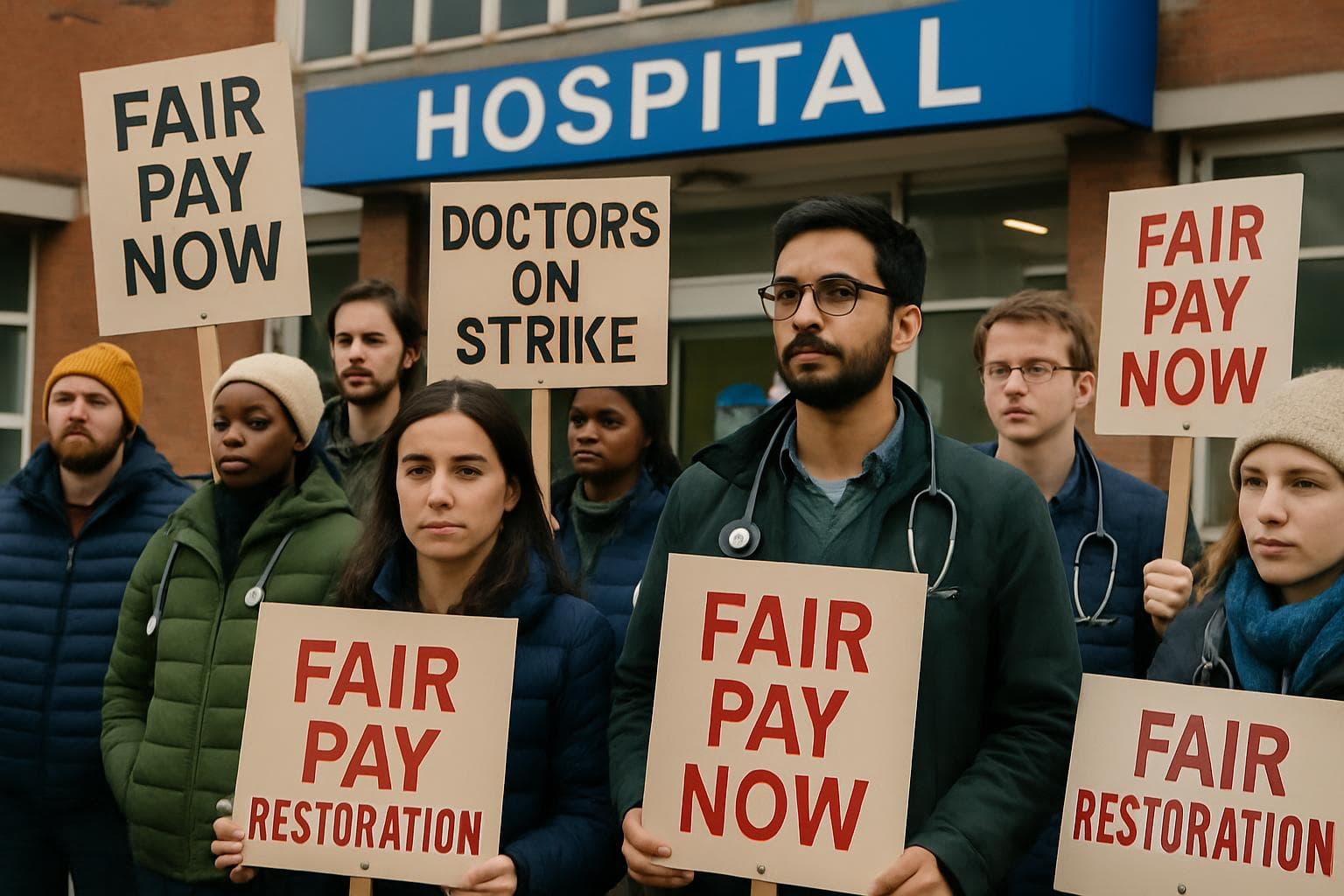
A five-day strike by resident doctors in England is set to commence on July 25, as the British Medical Association (BMA) and the government remain at an impasse over pay restoration. Despite five days of negotiations, the BMA announced that the strike would proceed, citing insufficient offers from the government to address their primary concern: pay.
Government's Stance and Offers
Health Secretary Wes Streeting expressed disappointment over the BMA's decision, labeling the strike as "reckless" and "unprecedented" in British trade union history. Streeting highlighted that the government had proposed several non-pay improvements, such as covering mandatory exam fees and offering more control over training placements. However, he maintained that further pay increases were not feasible, given the financial constraints.
BMA's Position on Pay Restoration
The BMA, representing up to 50,000 resident doctors, argues that their salaries have decreased by 20% in real terms since 2008. They are demanding a 29% pay rise to restore wages to previous levels. Dr. Melissa Ryan and Dr. Ross Nieuwoudt, co-chairs of the BMA's resident doctors committee, emphasized that while they were open to discussing non-pay issues, the core of the dispute remains pay restoration.
NHS and Patient Safety Concerns
The NHS has faced criticism from the BMA for not canceling non-urgent care during the strike, which the union claims could compromise patient safety. NHS Providers, however, defended their decision, arguing that maintaining scheduled care is in patients' best interests. Daniel Elkeles, CEO of NHS Providers, urged the BMA to reconsider the strike, highlighting the potential harm to patients and the financial burden on the NHS.
Impact and Historical Context
Previous strikes have led to significant disruptions, with an estimated cost of £1.5 billion to the NHS and 1.5 million appointments postponed. The BMA remains committed to ensuring patient safety through a "derogation" process, allowing striking doctors to return to work if necessary.
WHAT THIS MIGHT MEAN
As the strike looms, the potential impact on the NHS and patients is significant. If the industrial action proceeds, it could exacerbate existing pressures on the healthcare system, leading to delays in treatment and increased financial strain. The government's firm stance on pay suggests that a resolution may not be imminent, potentially setting the stage for prolonged industrial unrest.
Experts suggest that the strike could prompt a broader discussion on healthcare funding and workforce sustainability in the UK. The BMA's demands highlight the ongoing challenges faced by resident doctors, including the financial burdens of medical training and career progression bottlenecks. Addressing these issues may require innovative solutions, such as student loan forgiveness schemes or targeted investments in healthcare infrastructure.
Related Articles

Breakthrough Drug Offers Hope for Children with Severe Epilepsy

Persistent Safety Concerns in Nottingham Maternity Services Amidst Calls for Systemic Reform

Birmingham's Proactive Approach to Measles Outbreak Offers Lessons for North London

UK Government to Reform Asylum Seeker Support and Employment Policies

Saharan Dust to Illuminate UK Skies with Vivid Sunrises and Sunsets

Government Announces £4 Billion Overhaul of SEND Support in England
Resident Doctors' Strike Set to Proceed Amidst Pay Dispute with Government
In This Article
 Maya Singh| Published
 HIGHLIGHTS
- The British Medical Association (BMA) confirmed a five-day strike by resident doctors in England starting on July 25, despite ongoing talks with the government.
- Health Secretary Wes Streeting criticized the strike as "reckless," emphasizing that the government offered improvements in working conditions but could not meet pay demands.
- The BMA insists the strike is primarily about pay restoration, claiming wages have fallen 20% in real terms since 2008.
- NHS Providers argue that the BMA is risking patient safety by proceeding with the strike, while the BMA accuses the NHS of stretching staffing too thinly by not canceling non-urgent care.
- The strike could involve up to 50,000 resident doctors, demanding a 29% pay rise to address salary erosion over the past decade.
A five-day strike by resident doctors in England is set to commence on July 25, as the British Medical Association (BMA) and the government remain at an impasse over pay restoration. Despite five days of negotiations, the BMA announced that the strike would proceed, citing insufficient offers from the government to address their primary concern: pay.
Government's Stance and Offers
Health Secretary Wes Streeting expressed disappointment over the BMA's decision, labeling the strike as "reckless" and "unprecedented" in British trade union history. Streeting highlighted that the government had proposed several non-pay improvements, such as covering mandatory exam fees and offering more control over training placements. However, he maintained that further pay increases were not feasible, given the financial constraints.
BMA's Position on Pay Restoration
The BMA, representing up to 50,000 resident doctors, argues that their salaries have decreased by 20% in real terms since 2008. They are demanding a 29% pay rise to restore wages to previous levels. Dr. Melissa Ryan and Dr. Ross Nieuwoudt, co-chairs of the BMA's resident doctors committee, emphasized that while they were open to discussing non-pay issues, the core of the dispute remains pay restoration.
NHS and Patient Safety Concerns
The NHS has faced criticism from the BMA for not canceling non-urgent care during the strike, which the union claims could compromise patient safety. NHS Providers, however, defended their decision, arguing that maintaining scheduled care is in patients' best interests. Daniel Elkeles, CEO of NHS Providers, urged the BMA to reconsider the strike, highlighting the potential harm to patients and the financial burden on the NHS.
Impact and Historical Context
Previous strikes have led to significant disruptions, with an estimated cost of £1.5 billion to the NHS and 1.5 million appointments postponed. The BMA remains committed to ensuring patient safety through a "derogation" process, allowing striking doctors to return to work if necessary.
WHAT THIS MIGHT MEAN
As the strike looms, the potential impact on the NHS and patients is significant. If the industrial action proceeds, it could exacerbate existing pressures on the healthcare system, leading to delays in treatment and increased financial strain. The government's firm stance on pay suggests that a resolution may not be imminent, potentially setting the stage for prolonged industrial unrest.
Experts suggest that the strike could prompt a broader discussion on healthcare funding and workforce sustainability in the UK. The BMA's demands highlight the ongoing challenges faced by resident doctors, including the financial burdens of medical training and career progression bottlenecks. Addressing these issues may require innovative solutions, such as student loan forgiveness schemes or targeted investments in healthcare infrastructure.
Related Articles
Breakthrough Drug Offers Hope for Children with Severe Epilepsy
Persistent Safety Concerns in Nottingham Maternity Services Amidst Calls for Systemic Reform
Birmingham's Proactive Approach to Measles Outbreak Offers Lessons for North London
UK Government to Reform Asylum Seeker Support and Employment Policies
Saharan Dust to Illuminate UK Skies with Vivid Sunrises and Sunsets
Government Announces £4 Billion Overhaul of SEND Support in England