
UK Government Reverses Pub Business Rates Decision Amidst Treasury Criticism

In This Article
HIGHLIGHTS
- The UK government reversed its decision on business rates for pubs, following pressure from Labour MPs and the hospitality industry.
- Labour MPs expressed relief at the swift U-turn but criticized the Treasury for not foreseeing the impact on pubs.
- The Ministry of Defence faces a £28 billion shortfall over the next four years, despite planned increases in defence spending.
- Allegations of racist language used by Nigel Farage during his school years have resurfaced, which he denies.
- The UK is preparing to take action against a suspected Russian shadow fleet in British waters.
In a swift reversal, the UK government has backtracked on its decision to increase business rates for pubs, a move that has been met with mixed reactions from the hospitality industry and political figures. The decision, initially intended to adjust the rateable value of hospitality businesses, faced significant backlash from Labour MPs and industry leaders who argued that it would severely impact pubs and hotels.
Pressure from Labour MPs
Labour MPs, who had organized a concerted effort to challenge the rate hike, expressed relief at the government's quick response. "It would have been better if we hadn’t done it at all, but at least it was reversed quickly," commented one MP. The reversal was seen as a necessary step to prevent further closures and job losses in the sector. However, some MPs criticized the Treasury for not anticipating the negative consequences of the rate changes.
Treasury's Role and Criticism
The Treasury's role in the decision-making process has come under scrutiny, with some MPs attributing recent political missteps to its oversight. "It is now pretty obvious that most of our political mistakes have originated in the Treasury," noted a Labour MP. This U-turn follows other recent reversals, including changes to inheritance tax for farmers, highlighting a pattern of decisions that have faced public and political opposition.
Defence Budget Concerns
In related news, the Ministry of Defence is reportedly facing a £28 billion shortfall over the next four years, even with planned increases in defence spending. This financial gap raises concerns about the UK's ability to maintain its military commitments and may necessitate cuts to significant defence projects.
Nigel Farage Allegations and Shadow Fleet Operations
Meanwhile, allegations have resurfaced regarding Nigel Farage's use of racist language during his school years, which he has denied as "made up fantasies." Additionally, the UK government is preparing to take action against a suspected Russian shadow fleet operating in British waters, signaling a readiness to employ "hard power" if necessary.
WHAT THIS MIGHT MEAN
The government's decision to reverse the pub business rates hike may stabilize the hospitality sector temporarily, but ongoing scrutiny of the Treasury's decision-making could lead to further political challenges. If the Ministry of Defence cannot address its budget shortfall, the UK may face difficult choices regarding its military capabilities. The allegations against Nigel Farage could impact his political standing, depending on how they are perceived by the public. Finally, the UK's response to the Russian shadow fleet will likely influence its diplomatic relations with Moscow and could escalate tensions if military action is pursued.
Related Articles
UK Reinforces Military Presence in Cyprus Amid Middle East Tensions
Prince Andrew's Ties to Epstein Under Scrutiny Amid Calls for Inquiry
Government Criticized for Mishandling Maccabi Tel Aviv Fan Ban
Prince Andrew's Arrest Intensifies Scrutiny on Royal Succession and Prince William's Future Role

UK Government's SEND Reforms: A Critical Turning Point for Special Education
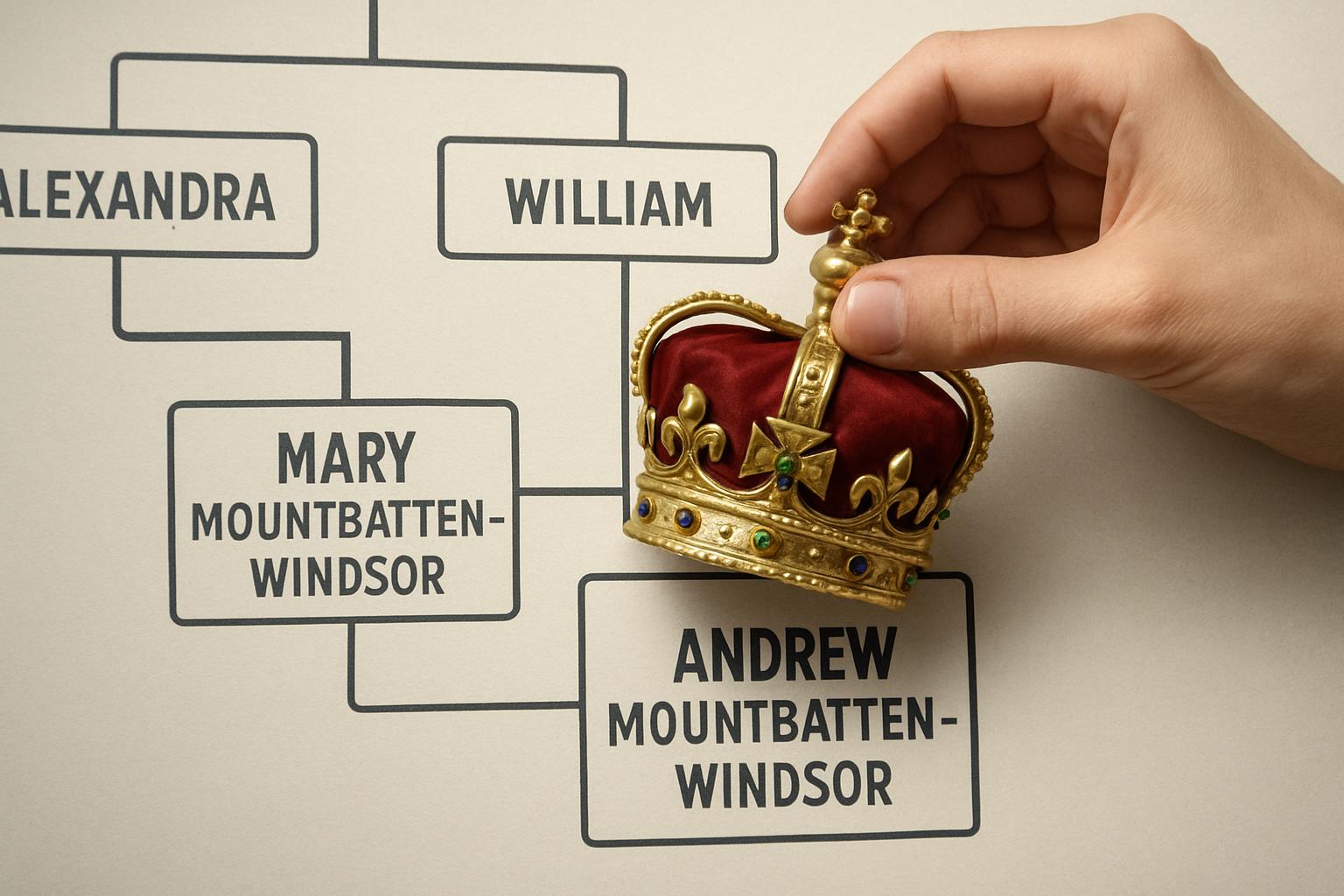
UK Government Considers Removing Andrew Mountbatten-Windsor from Royal Succession Amid Arrest
UK Government Reverses Pub Business Rates Decision Amidst Treasury Criticism
In This Article
 Ethan Brooks| Published
 HIGHLIGHTS
- The UK government reversed its decision on business rates for pubs, following pressure from Labour MPs and the hospitality industry.
- Labour MPs expressed relief at the swift U-turn but criticized the Treasury for not foreseeing the impact on pubs.
- The Ministry of Defence faces a £28 billion shortfall over the next four years, despite planned increases in defence spending.
- Allegations of racist language used by Nigel Farage during his school years have resurfaced, which he denies.
- The UK is preparing to take action against a suspected Russian shadow fleet in British waters.
In a swift reversal, the UK government has backtracked on its decision to increase business rates for pubs, a move that has been met with mixed reactions from the hospitality industry and political figures. The decision, initially intended to adjust the rateable value of hospitality businesses, faced significant backlash from Labour MPs and industry leaders who argued that it would severely impact pubs and hotels.
Pressure from Labour MPs
Labour MPs, who had organized a concerted effort to challenge the rate hike, expressed relief at the government's quick response. "It would have been better if we hadn’t done it at all, but at least it was reversed quickly," commented one MP. The reversal was seen as a necessary step to prevent further closures and job losses in the sector. However, some MPs criticized the Treasury for not anticipating the negative consequences of the rate changes.
Treasury's Role and Criticism
The Treasury's role in the decision-making process has come under scrutiny, with some MPs attributing recent political missteps to its oversight. "It is now pretty obvious that most of our political mistakes have originated in the Treasury," noted a Labour MP. This U-turn follows other recent reversals, including changes to inheritance tax for farmers, highlighting a pattern of decisions that have faced public and political opposition.
Defence Budget Concerns
In related news, the Ministry of Defence is reportedly facing a £28 billion shortfall over the next four years, even with planned increases in defence spending. This financial gap raises concerns about the UK's ability to maintain its military commitments and may necessitate cuts to significant defence projects.
Nigel Farage Allegations and Shadow Fleet Operations
Meanwhile, allegations have resurfaced regarding Nigel Farage's use of racist language during his school years, which he has denied as "made up fantasies." Additionally, the UK government is preparing to take action against a suspected Russian shadow fleet operating in British waters, signaling a readiness to employ "hard power" if necessary.
WHAT THIS MIGHT MEAN
The government's decision to reverse the pub business rates hike may stabilize the hospitality sector temporarily, but ongoing scrutiny of the Treasury's decision-making could lead to further political challenges. If the Ministry of Defence cannot address its budget shortfall, the UK may face difficult choices regarding its military capabilities. The allegations against Nigel Farage could impact his political standing, depending on how they are perceived by the public. Finally, the UK's response to the Russian shadow fleet will likely influence its diplomatic relations with Moscow and could escalate tensions if military action is pursued.
Related Articles
UK Reinforces Military Presence in Cyprus Amid Middle East Tensions
Prince Andrew's Ties to Epstein Under Scrutiny Amid Calls for Inquiry
Government Criticized for Mishandling Maccabi Tel Aviv Fan Ban
Prince Andrew's Arrest Intensifies Scrutiny on Royal Succession and Prince William's Future Role
UK Government's SEND Reforms: A Critical Turning Point for Special Education
UK Government Considers Removing Andrew Mountbatten-Windsor from Royal Succession Amid Arrest