
New Guidelines Aim to Keep Suspended Students in School to Curb Lost Learning

In This Article
HIGHLIGHTS
- The UK government proposes keeping suspended students in school for non-violent misbehaviour, aiming to reduce lost learning time.
- Education Secretary Bridget Phillipson emphasizes the need to manage poor behaviour while keeping students engaged in education.
- The Department for Education (DfE) plans to formalize internal exclusions, allowing students to continue learning in a supervised setting.
- Suspensions have increased by 21% from 2022-23 to 2023-24, with primary schools seeing the largest rise.
- New guidance will also address the high suspension rates among students with special educational needs and disabilities (Send).
In a significant shift in educational policy, the UK government has announced plans to keep students suspended for non-violent misbehaviour within school premises, rather than sending them home. This initiative, spearheaded by Education Secretary Bridget Phillipson, aims to mitigate the adverse effects of suspensions on students' learning and engagement.
Internal Exclusions as a Structured Intervention
The Department for Education (DfE) is set to introduce a new framework that encourages the use of internal exclusions. This approach allows students to continue their education in a separate, supervised environment, reinforcing behavioural expectations while maintaining academic progress. The DfE emphasized that internal suspensions should be short, structured interventions that include meaningful learning and reflection time.
Rising Suspension Rates and Behavioural Challenges
Suspensions in England have surged by 21% from the 2022-23 to the 2023-24 school year, with nearly a million instances recorded. Primary schools have experienced the most significant increase. The government attributes this rise to persistent disruptive behaviour, which accounts for over half of all suspensions, followed by physical assaults against peers and adults.
Addressing Special Educational Needs and Disabilities
The new guidelines also address the disproportionate suspension rates among students with special educational needs and disabilities (Send). The forthcoming schools white paper will outline strategies to integrate more Send students into mainstream education, necessitating flexible behaviour policies to foster inclusion.
Balancing Discipline and Engagement
While the reform aims to keep students engaged, some educators express concerns that the deterrent effect of suspensions might weaken. However, Phillipson argues that suspensions should remain a serious sanction, with the focus on reducing time spent away from education and the potential retreat into social media and gaming.
WHAT THIS MIGHT MEAN
The proposed changes could significantly impact the educational landscape by reducing the number of students missing out on learning due to suspensions. If successfully implemented, internal exclusions could provide a more supportive environment for addressing behavioural issues. However, the effectiveness of these measures will depend on schools' ability to provide adequate supervision and meaningful educational activities during suspensions.
The focus on integrating Send students into mainstream education could lead to more inclusive school environments, but it will require substantial resources and training for educators to manage diverse needs effectively. As the government prepares to release the schools white paper, the education sector will be watching closely to see how these policies unfold and their long-term implications for student behaviour management and educational outcomes.
Images from the Web
Related Articles
UK Government Announces Major Overhaul of SEND System with £3.4 Billion Investment
Government Announces £4 Billion Overhaul of SEND Support in England
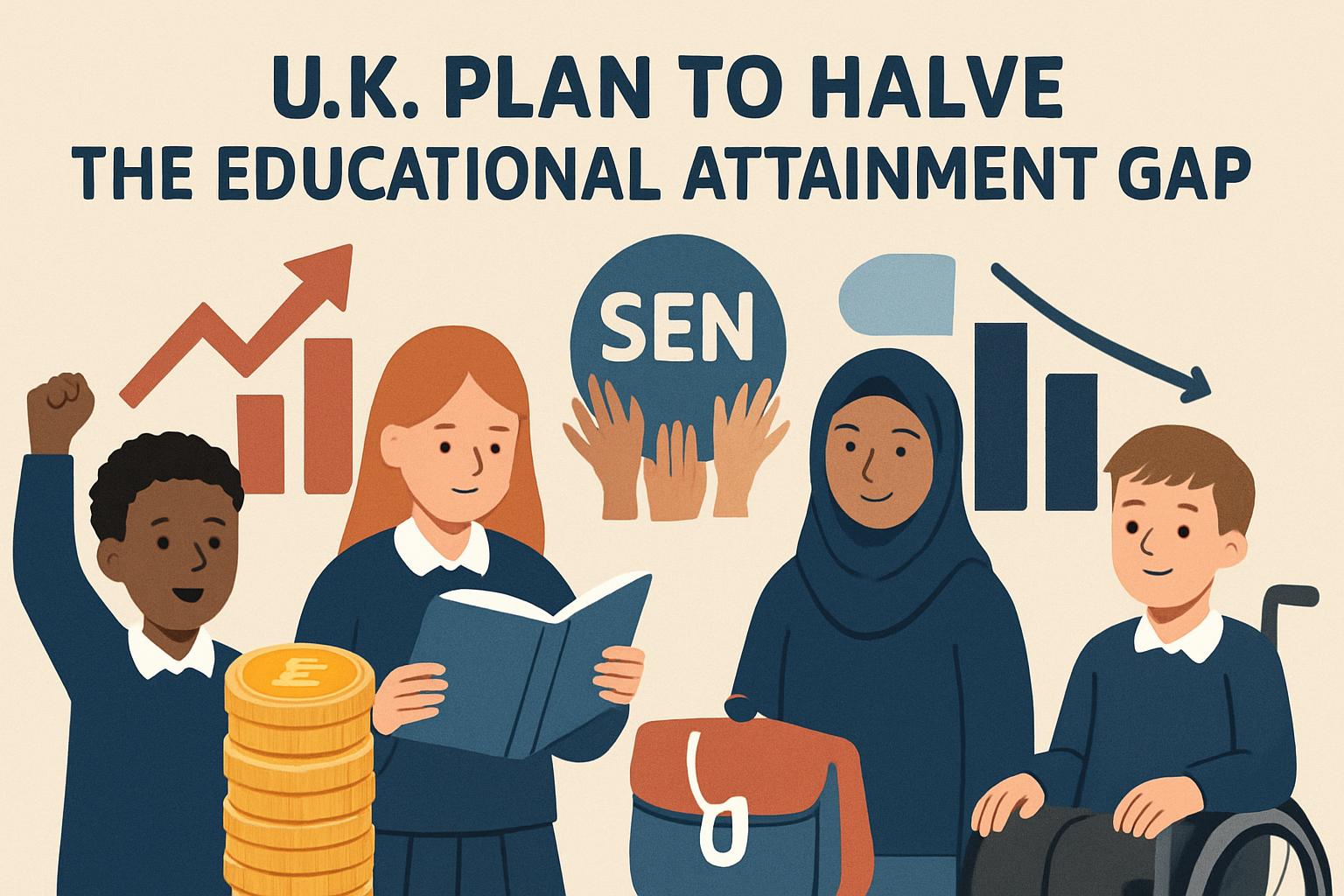
Government Unveils Ambitious Plan to Halve Attainment Gap in England's Schools

UK Government's SEND Reforms: A Critical Turning Point for Special Education
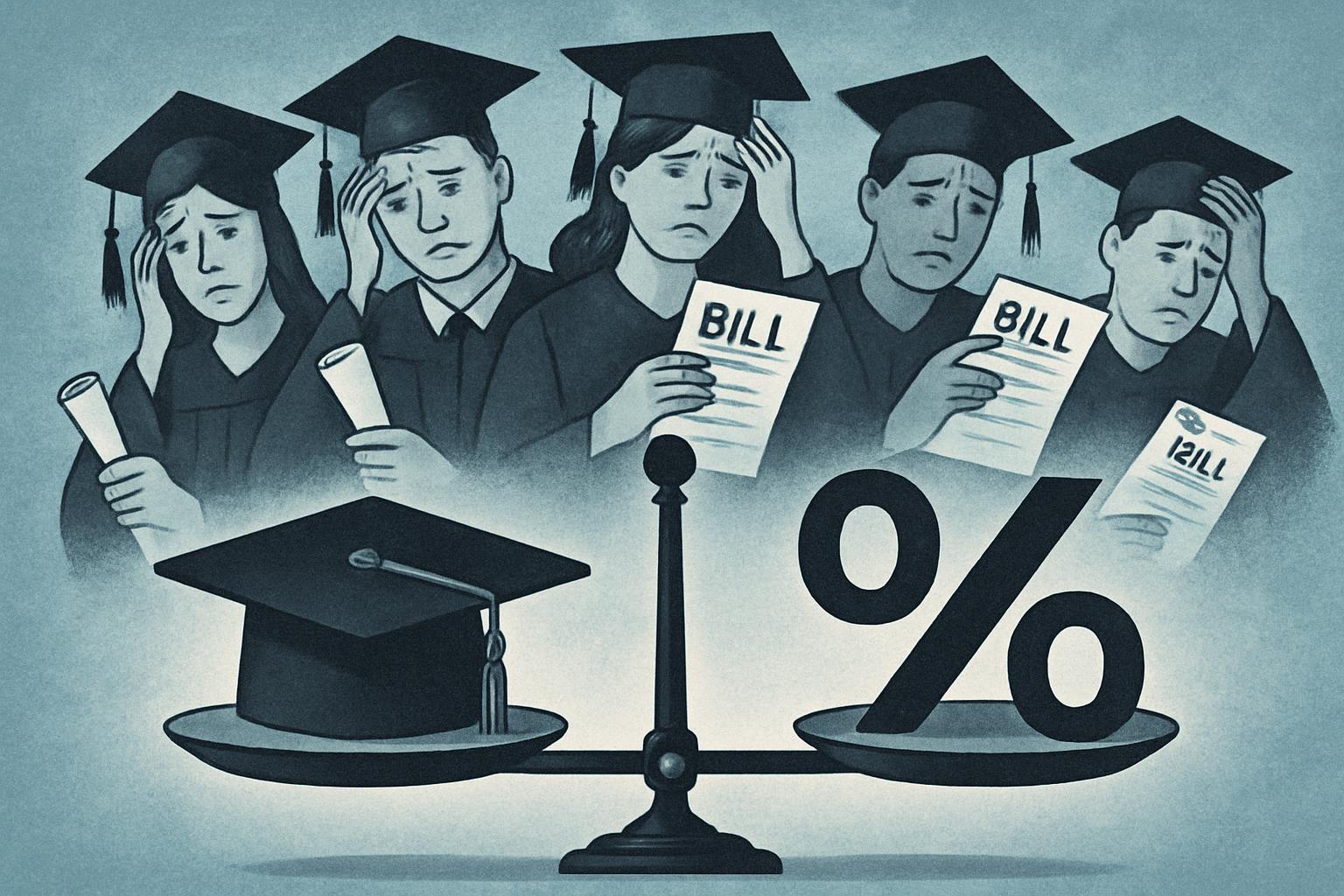
Conservatives Propose Interest Rate Cap on Student Loans Amid Growing Debt Concerns

Prince Andrew's Ties to Epstein Under Scrutiny Amid Calls for Inquiry
New Guidelines Aim to Keep Suspended Students in School to Curb Lost Learning
In This Article
 Aya Nakamura| Published
 HIGHLIGHTS
- The UK government proposes keeping suspended students in school for non-violent misbehaviour, aiming to reduce lost learning time.
- Education Secretary Bridget Phillipson emphasizes the need to manage poor behaviour while keeping students engaged in education.
- The Department for Education (DfE) plans to formalize internal exclusions, allowing students to continue learning in a supervised setting.
- Suspensions have increased by 21% from 2022-23 to 2023-24, with primary schools seeing the largest rise.
- New guidance will also address the high suspension rates among students with special educational needs and disabilities (Send).
In a significant shift in educational policy, the UK government has announced plans to keep students suspended for non-violent misbehaviour within school premises, rather than sending them home. This initiative, spearheaded by Education Secretary Bridget Phillipson, aims to mitigate the adverse effects of suspensions on students' learning and engagement.
Internal Exclusions as a Structured Intervention
The Department for Education (DfE) is set to introduce a new framework that encourages the use of internal exclusions. This approach allows students to continue their education in a separate, supervised environment, reinforcing behavioural expectations while maintaining academic progress. The DfE emphasized that internal suspensions should be short, structured interventions that include meaningful learning and reflection time.
Rising Suspension Rates and Behavioural Challenges
Suspensions in England have surged by 21% from the 2022-23 to the 2023-24 school year, with nearly a million instances recorded. Primary schools have experienced the most significant increase. The government attributes this rise to persistent disruptive behaviour, which accounts for over half of all suspensions, followed by physical assaults against peers and adults.
Addressing Special Educational Needs and Disabilities
The new guidelines also address the disproportionate suspension rates among students with special educational needs and disabilities (Send). The forthcoming schools white paper will outline strategies to integrate more Send students into mainstream education, necessitating flexible behaviour policies to foster inclusion.
Balancing Discipline and Engagement
While the reform aims to keep students engaged, some educators express concerns that the deterrent effect of suspensions might weaken. However, Phillipson argues that suspensions should remain a serious sanction, with the focus on reducing time spent away from education and the potential retreat into social media and gaming.
WHAT THIS MIGHT MEAN
The proposed changes could significantly impact the educational landscape by reducing the number of students missing out on learning due to suspensions. If successfully implemented, internal exclusions could provide a more supportive environment for addressing behavioural issues. However, the effectiveness of these measures will depend on schools' ability to provide adequate supervision and meaningful educational activities during suspensions.
The focus on integrating Send students into mainstream education could lead to more inclusive school environments, but it will require substantial resources and training for educators to manage diverse needs effectively. As the government prepares to release the schools white paper, the education sector will be watching closely to see how these policies unfold and their long-term implications for student behaviour management and educational outcomes.
Images from the Web
Related Articles
UK Government Announces Major Overhaul of SEND System with £3.4 Billion Investment
Government Announces £4 Billion Overhaul of SEND Support in England
Government Unveils Ambitious Plan to Halve Attainment Gap in England's Schools
UK Government's SEND Reforms: A Critical Turning Point for Special Education
Conservatives Propose Interest Rate Cap on Student Loans Amid Growing Debt Concerns
Prince Andrew's Ties to Epstein Under Scrutiny Amid Calls for Inquiry