
New Guidance on Gender Identity in English Schools Emphasizes Parental Involvement
In This Article
HIGHLIGHTS
- New government guidance mandates parental involvement in most cases where children question their gender identity.
- Schools are advised against initiating social transitioning without parental and clinical consultation.
- The guidance, informed by the Cass Review, emphasizes caution in social transitioning, especially in primary schools.
- Single-sex facilities and sports are protected, with no exceptions, under the new guidance.
- The guidance aims to provide clarity on legal duties, focusing on the child's best interests and wellbeing.
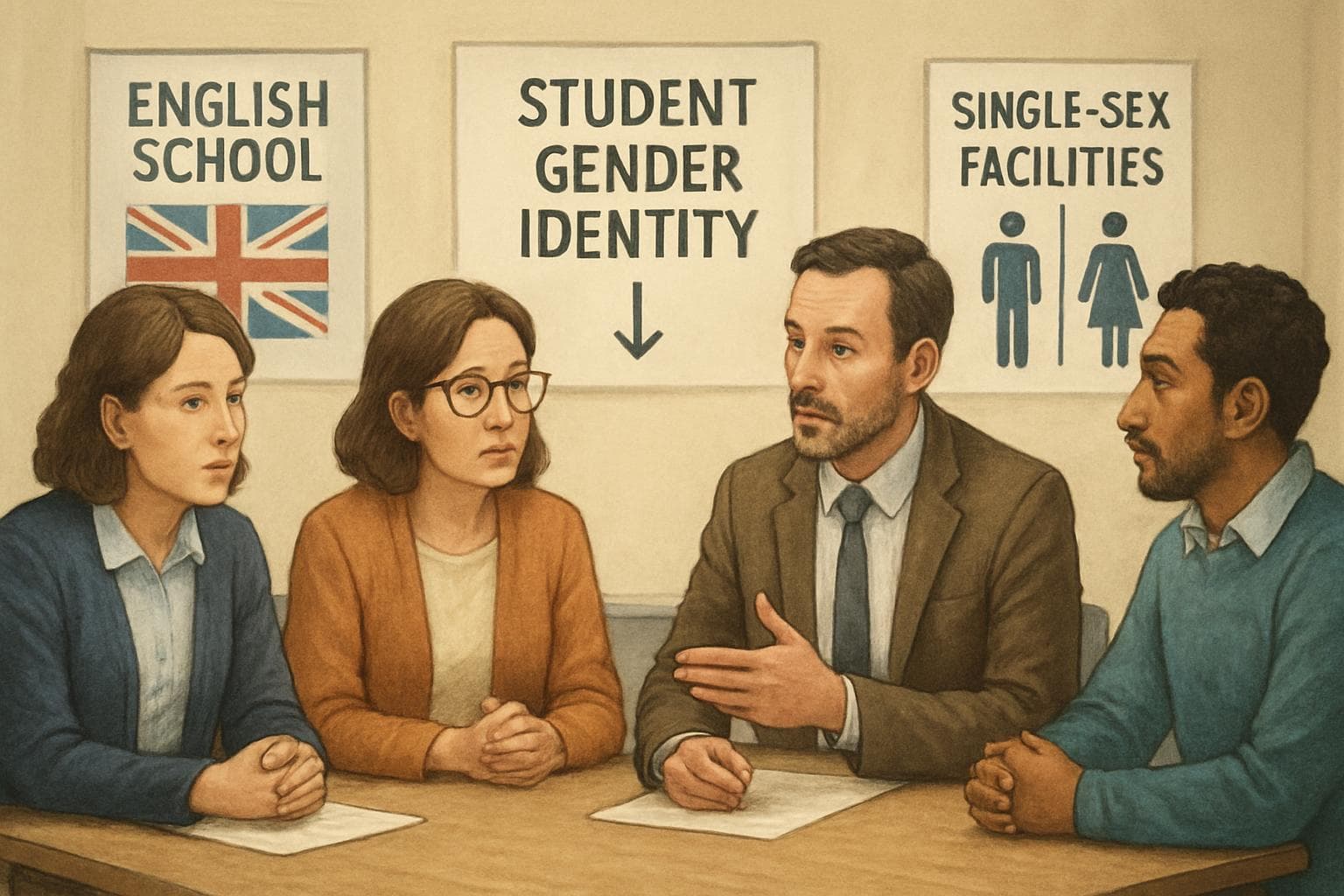
The UK government has issued new guidance for schools in England, emphasizing the need for parental involvement when children question their gender identity. This legally-binding advice, which applies to all educational institutions, advises against schools initiating social transitioning—such as changing a student's name or pronouns—without thorough consultation with parents and clinical experts.
Parental Involvement and Caution in Social Transitioning
The guidance, which draws heavily from the 2024 Cass Review on gender care services, underscores the importance of involving parents in the decision-making process. Dr. Hilary Cass, who led the review, praised the guidance as a significant step forward, providing schools with much-needed clarity on their legal responsibilities. The review highlighted the weak evidence surrounding medical interventions in gender care and stressed the need for cautious approaches, particularly in primary schools where social transitioning should be rare.
Legal Framework and Single-Sex Facilities
The Department for Education's guidance also reaffirms the legal protection of single-sex facilities, such as toilets and changing rooms, in schools and colleges. Schools are expected to maintain these facilities without exceptions, ensuring that students feel safe and secure. The guidance also advises that schools should not have mixed sleeping arrangements on trips for children over the age of eight.
Flexibility and Focus on Wellbeing
While the guidance is statutory, it allows for some flexibility, urging schools to prioritize the wellbeing of children. Teachers are encouraged to handle requests for social transitioning with caution, ensuring that any actions taken are in the child's best interests. Education Secretary Bridget Phillipson emphasized that the guidance is designed to offer pragmatic support to teachers and reassurance to parents, avoiding the politicization of the issue.
Reactions and Implications
The guidance has been met with mixed reactions. While some education leaders have welcomed the clarity it provides, others, like Maya Forstater of Sex Matters, have criticized aspects related to social transitioning, arguing that it remains undefined and leaves schools to navigate complex situations on a case-by-case basis.
WHAT THIS MIGHT MEAN
The new guidance on gender identity in schools could lead to significant changes in how educational institutions handle gender-related issues. By emphasizing parental involvement and clinical consultation, the guidance aims to create a more structured and cautious approach to social transitioning. However, the flexibility allowed in the guidance could lead to varied implementations across schools, potentially sparking further debate.
Legal experts suggest that the statutory nature of the guidance will likely lead to increased scrutiny and potential legal challenges as schools navigate their responsibilities. The emphasis on single-sex facilities may also prompt discussions on inclusivity and the rights of transgender students.
As the guidance is subject to annual review, future adjustments may be influenced by ongoing consultations and feedback from schools, parents, and advocacy groups. This evolving landscape will require schools to remain adaptable while prioritizing the wellbeing and safety of all students.
Related Articles

UK Government Announces Major Overhaul of SEND System with £3.4 Billion Investment

Government Announces £4 Billion Overhaul of SEND Support in England

Government Unveils Ambitious Plan to Halve Attainment Gap in England's Schools

UK Government's SEND Reforms: A Critical Turning Point for Special Education

Conservatives Propose Interest Rate Cap on Student Loans Amid Growing Debt Concerns

Prince Andrew's Ties to Epstein Under Scrutiny Amid Calls for Inquiry
New Guidance on Gender Identity in English Schools Emphasizes Parental Involvement
In This Article
 Aya Nakamura| Published
 HIGHLIGHTS
- New government guidance mandates parental involvement in most cases where children question their gender identity.
- Schools are advised against initiating social transitioning without parental and clinical consultation.
- The guidance, informed by the Cass Review, emphasizes caution in social transitioning, especially in primary schools.
- Single-sex facilities and sports are protected, with no exceptions, under the new guidance.
- The guidance aims to provide clarity on legal duties, focusing on the child's best interests and wellbeing.
The UK government has issued new guidance for schools in England, emphasizing the need for parental involvement when children question their gender identity. This legally-binding advice, which applies to all educational institutions, advises against schools initiating social transitioning—such as changing a student's name or pronouns—without thorough consultation with parents and clinical experts.
Parental Involvement and Caution in Social Transitioning
The guidance, which draws heavily from the 2024 Cass Review on gender care services, underscores the importance of involving parents in the decision-making process. Dr. Hilary Cass, who led the review, praised the guidance as a significant step forward, providing schools with much-needed clarity on their legal responsibilities. The review highlighted the weak evidence surrounding medical interventions in gender care and stressed the need for cautious approaches, particularly in primary schools where social transitioning should be rare.
Legal Framework and Single-Sex Facilities
The Department for Education's guidance also reaffirms the legal protection of single-sex facilities, such as toilets and changing rooms, in schools and colleges. Schools are expected to maintain these facilities without exceptions, ensuring that students feel safe and secure. The guidance also advises that schools should not have mixed sleeping arrangements on trips for children over the age of eight.
Flexibility and Focus on Wellbeing
While the guidance is statutory, it allows for some flexibility, urging schools to prioritize the wellbeing of children. Teachers are encouraged to handle requests for social transitioning with caution, ensuring that any actions taken are in the child's best interests. Education Secretary Bridget Phillipson emphasized that the guidance is designed to offer pragmatic support to teachers and reassurance to parents, avoiding the politicization of the issue.
Reactions and Implications
The guidance has been met with mixed reactions. While some education leaders have welcomed the clarity it provides, others, like Maya Forstater of Sex Matters, have criticized aspects related to social transitioning, arguing that it remains undefined and leaves schools to navigate complex situations on a case-by-case basis.
WHAT THIS MIGHT MEAN
The new guidance on gender identity in schools could lead to significant changes in how educational institutions handle gender-related issues. By emphasizing parental involvement and clinical consultation, the guidance aims to create a more structured and cautious approach to social transitioning. However, the flexibility allowed in the guidance could lead to varied implementations across schools, potentially sparking further debate.
Legal experts suggest that the statutory nature of the guidance will likely lead to increased scrutiny and potential legal challenges as schools navigate their responsibilities. The emphasis on single-sex facilities may also prompt discussions on inclusivity and the rights of transgender students.
As the guidance is subject to annual review, future adjustments may be influenced by ongoing consultations and feedback from schools, parents, and advocacy groups. This evolving landscape will require schools to remain adaptable while prioritizing the wellbeing and safety of all students.
Related Articles
UK Government Announces Major Overhaul of SEND System with £3.4 Billion Investment
Government Announces £4 Billion Overhaul of SEND Support in England
Government Unveils Ambitious Plan to Halve Attainment Gap in England's Schools
UK Government's SEND Reforms: A Critical Turning Point for Special Education
Conservatives Propose Interest Rate Cap on Student Loans Amid Growing Debt Concerns
Prince Andrew's Ties to Epstein Under Scrutiny Amid Calls for Inquiry