
UK's Recognition of Palestinian Statehood Sparks Diplomatic Tensions
In This Article
HIGHLIGHTS
- The UK plans to recognize Palestinian statehood in September unless Israel agrees to a ceasefire and a two-state solution.
- Prime Minister Keir Starmer's decision marks a significant shift in UK foreign policy, aiming to revive peace talks.
- Israel has rejected the UK's stance, viewing it as a reward for Hamas and a threat to ceasefire efforts.
- Australia and other countries are considering similar moves, citing moral momentum and humanitarian concerns.
- The situation in Gaza remains dire, with over 60,000 casualties reported, intensifying international pressure for a resolution.
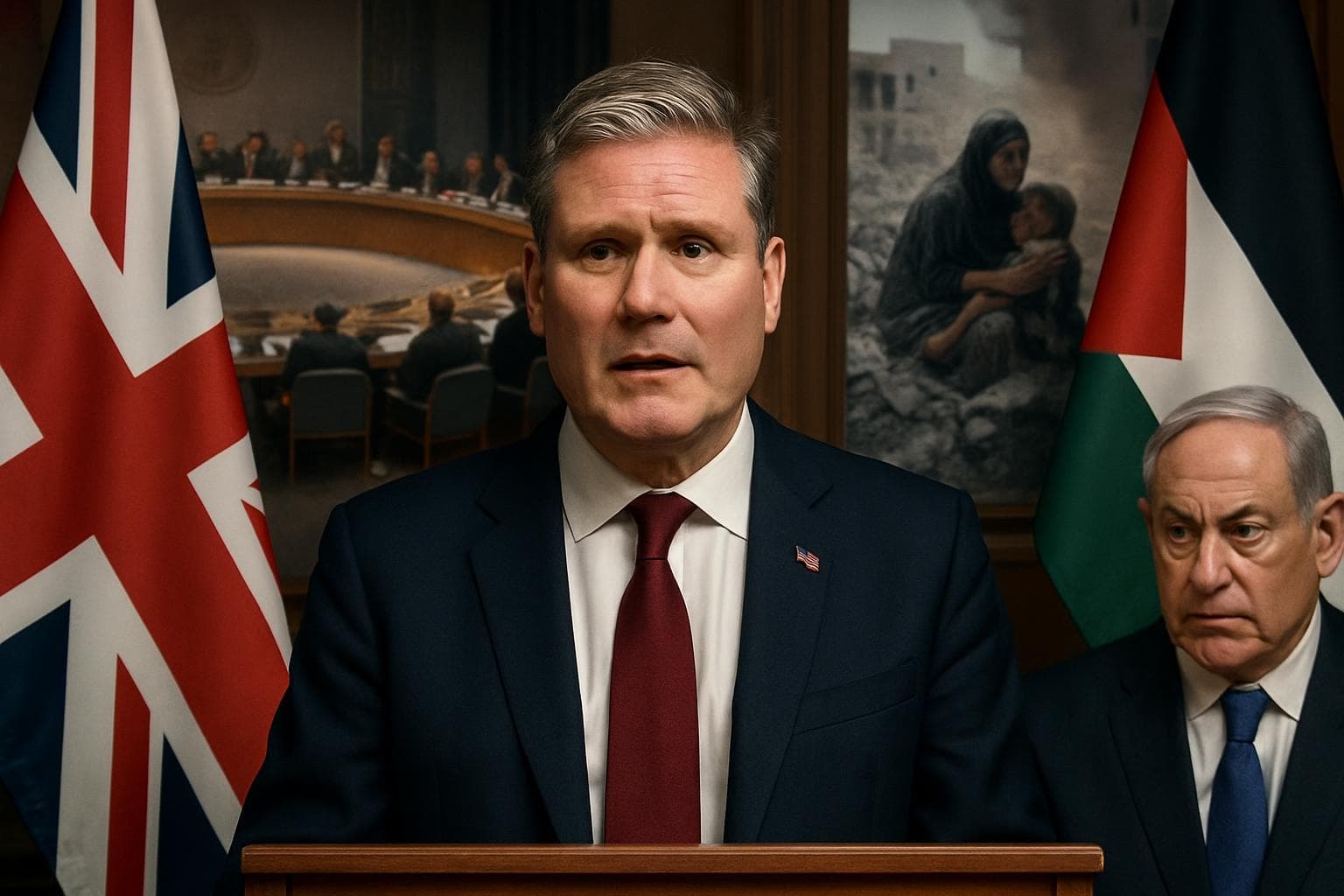
In a bold move that could reshape Middle Eastern diplomacy, UK Prime Minister Keir Starmer announced plans to recognize Palestinian statehood this September unless Israel agrees to a ceasefire and commits to a two-state solution. This decision represents a significant shift in UK foreign policy, driven by the worsening humanitarian crisis in Gaza and mounting domestic and international pressure.
Diplomatic Shift and Reactions
Starmer's announcement has been met with immediate rejection from Israel, which perceives the UK's stance as a reward for Hamas and a potential threat to ongoing ceasefire efforts. Israeli Prime Minister Benjamin Netanyahu criticized the move, arguing it could embolden jihadist terrorism. The UK's decision follows similar actions by France and comes amid calls from various international actors for a renewed commitment to peace in the region.
International Responses and Implications
The UK's decision has sparked discussions among other nations, including Australia, where Labor MP Ed Husic urged the government to join the UK in recognizing Palestinian statehood. Husic emphasized that such recognition could weaken Hamas's influence and expedite the peace process. Australia's Prime Minister Anthony Albanese, while supportive of a two-state solution, has yet to commit to a timeline for recognition, opting instead to coordinate with international partners.
Humanitarian Crisis and Global Pressure
The humanitarian situation in Gaza remains dire, with reports of over 60,000 casualties, nearly half of whom are women and children. This has intensified global calls for action, with organizations like ActionAid UK condemning the use of Palestinian statehood as a bargaining chip. The international community, including countries like Canada, France, and Norway, continues to advocate for a ceasefire and a sustainable peace framework.
WHAT THIS MIGHT MEAN
The UK's decision to recognize Palestinian statehood could have far-reaching implications for international diplomacy and the Israel-Palestine peace process. If Israel remains steadfast in its rejection, the move could strain UK-Israel relations and potentially impact transatlantic ties, especially if the US maintains its opposition. Conversely, if the UK and other nations proceed with recognition, it could galvanize efforts towards a two-state solution, albeit with significant geopolitical risks. Experts suggest that the upcoming UN General Assembly meeting in September will be pivotal in shaping the future of this complex and longstanding conflict.
Related Articles

UK Faces Dilemmas Amid Iran Conflict and China Spying Allegations

Canada and Australia Forge Strategic Partnership Amid Global Uncertainty

UK-Iran Tensions: Starmer Defends Cautious Approach Amid Trump Criticism
Diplomatic Tensions Rise as Trump Criticizes Starmer's Iran Policy

UK Government to Reform Asylum Seeker Support and Employment Policies
UK Reinforces Military Presence in Cyprus Amid Middle East Tensions
UK's Recognition of Palestinian Statehood Sparks Diplomatic Tensions
In This Article
 Ethan Brooks| Published
 HIGHLIGHTS
- The UK plans to recognize Palestinian statehood in September unless Israel agrees to a ceasefire and a two-state solution.
- Prime Minister Keir Starmer's decision marks a significant shift in UK foreign policy, aiming to revive peace talks.
- Israel has rejected the UK's stance, viewing it as a reward for Hamas and a threat to ceasefire efforts.
- Australia and other countries are considering similar moves, citing moral momentum and humanitarian concerns.
- The situation in Gaza remains dire, with over 60,000 casualties reported, intensifying international pressure for a resolution.
In a bold move that could reshape Middle Eastern diplomacy, UK Prime Minister Keir Starmer announced plans to recognize Palestinian statehood this September unless Israel agrees to a ceasefire and commits to a two-state solution. This decision represents a significant shift in UK foreign policy, driven by the worsening humanitarian crisis in Gaza and mounting domestic and international pressure.
Diplomatic Shift and Reactions
Starmer's announcement has been met with immediate rejection from Israel, which perceives the UK's stance as a reward for Hamas and a potential threat to ongoing ceasefire efforts. Israeli Prime Minister Benjamin Netanyahu criticized the move, arguing it could embolden jihadist terrorism. The UK's decision follows similar actions by France and comes amid calls from various international actors for a renewed commitment to peace in the region.
International Responses and Implications
The UK's decision has sparked discussions among other nations, including Australia, where Labor MP Ed Husic urged the government to join the UK in recognizing Palestinian statehood. Husic emphasized that such recognition could weaken Hamas's influence and expedite the peace process. Australia's Prime Minister Anthony Albanese, while supportive of a two-state solution, has yet to commit to a timeline for recognition, opting instead to coordinate with international partners.
Humanitarian Crisis and Global Pressure
The humanitarian situation in Gaza remains dire, with reports of over 60,000 casualties, nearly half of whom are women and children. This has intensified global calls for action, with organizations like ActionAid UK condemning the use of Palestinian statehood as a bargaining chip. The international community, including countries like Canada, France, and Norway, continues to advocate for a ceasefire and a sustainable peace framework.
WHAT THIS MIGHT MEAN
The UK's decision to recognize Palestinian statehood could have far-reaching implications for international diplomacy and the Israel-Palestine peace process. If Israel remains steadfast in its rejection, the move could strain UK-Israel relations and potentially impact transatlantic ties, especially if the US maintains its opposition. Conversely, if the UK and other nations proceed with recognition, it could galvanize efforts towards a two-state solution, albeit with significant geopolitical risks. Experts suggest that the upcoming UN General Assembly meeting in September will be pivotal in shaping the future of this complex and longstanding conflict.
Related Articles
UK Faces Dilemmas Amid Iran Conflict and China Spying Allegations
Canada and Australia Forge Strategic Partnership Amid Global Uncertainty
UK-Iran Tensions: Starmer Defends Cautious Approach Amid Trump Criticism
Diplomatic Tensions Rise as Trump Criticizes Starmer's Iran Policy
UK Government to Reform Asylum Seeker Support and Employment Policies
UK Reinforces Military Presence in Cyprus Amid Middle East Tensions