
UK Toy Sales Surge as 'Kidults' Fuel Cross-Generational Demand
In This Article
HIGHLIGHTS
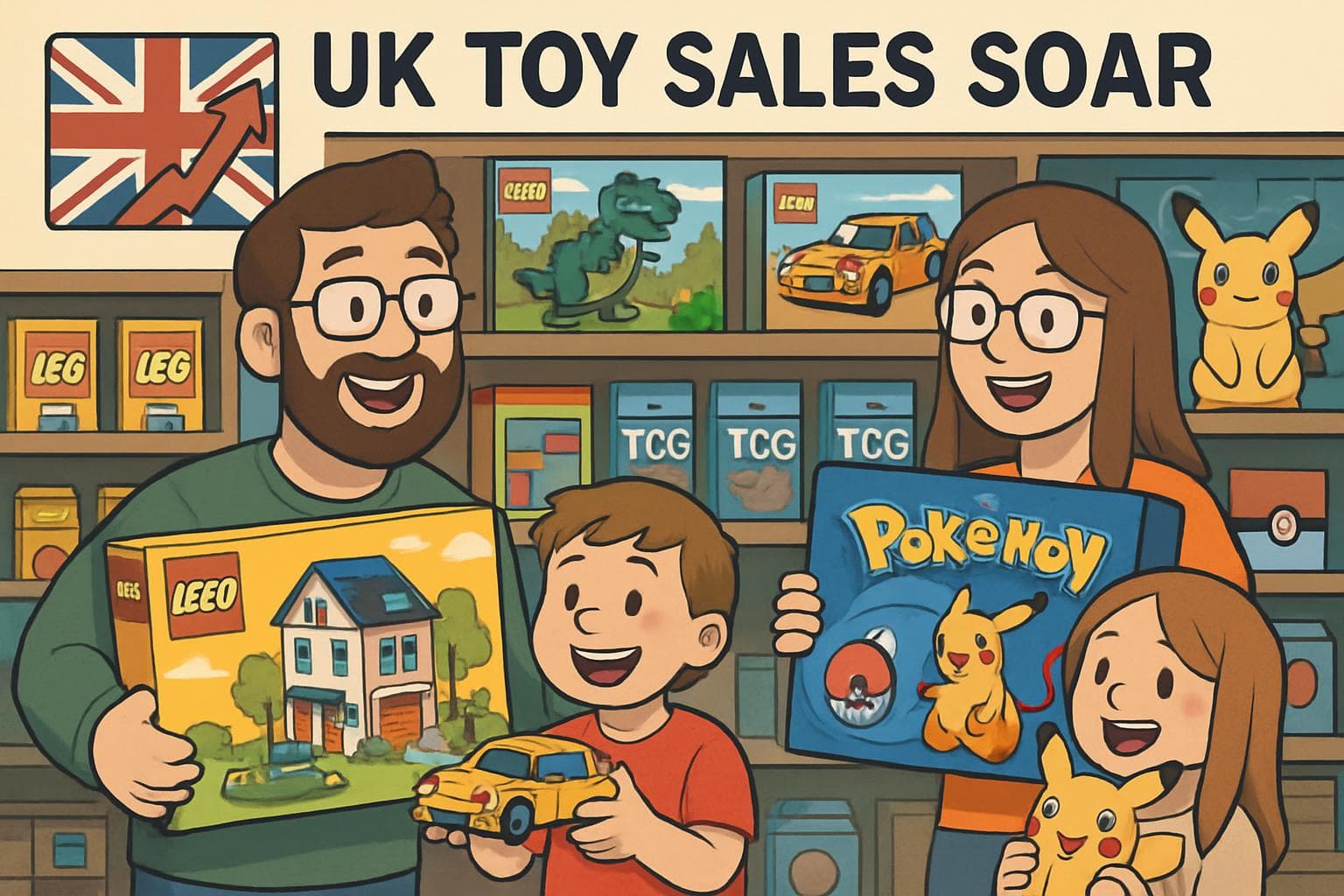
- UK toy sales have increased by 6% in the year to September, driven by the popularity of brands like Lego and Pokémon.
- The "kidults" market, comprising buyers aged 12 and over, accounts for a third of toy sales, highlighting cross-generational appeal.
- The Toy Retailers Association's DreamToys list includes items appealing to both children and adults, such as manga-themed Lego and Pokémon games.
- The average toy price last December was £13.43, with the £10-£20 range being the most popular.
- Despite economic concerns, the toy market remains resilient, with experts citing its role in the "joy economy."
The UK toy industry is experiencing a resurgence, with sales rising by 6% in the year leading up to September, marking the first increase since the pandemic. This growth is largely attributed to the burgeoning "kidults" market, where adults and older children are driving demand for nostalgic and collectible items like Lego and Pokémon, according to research by Circana.
Cross-Generational Appeal
The phenomenon of "kidults"—individuals aged 12 and over purchasing toys for themselves—has become a significant force in the market, accounting for one-third of all toy sales. Melissa Symonds, UK toys director at Circana, noted that the real challenge for manufacturers is to strike a balance between appealing to both children and adults. "The products doing really well, such as Lego and Pokémon, have that cross-generational appeal," she explained.
DreamToys List Highlights
The Toy Retailers Association has unveiled its annual DreamToys list, showcasing items expected to be top sellers this Christmas. The list features products that cater to both young and adult audiences, including manga-themed Lego sets and Pokémon games. Paul Reader, chair of the DreamToys selection panel, expressed optimism about the sector's performance, stating, "We are in seriously positive territory and optimistic that the momentum will continue into Christmas."
Economic Resilience
Despite broader economic challenges, the toy industry is proving resilient. Symonds emphasized that toys are part of the "joy economy," often defying general economic trends. The average toy price last December was £13.43, with the £10-£20 range dominating sales. Reader acknowledged potential concerns over disposable income but remained hopeful that the magic of Christmas would prevail.
WHAT THIS MIGHT MEAN
Looking ahead, the UK toy industry may continue to thrive as it taps into the nostalgia and self-care trends among adults. The cross-generational appeal of toys could further solidify their place in the "joy economy," even amid economic uncertainties. However, potential tax increases in the autumn budget could impact consumer spending, making it crucial for retailers to offer value-driven options. As the Christmas season approaches, the industry's ability to adapt to these dynamics will be key to sustaining its recent growth.
Related Articles

Canada and Australia Forge Strategic Partnership Amid Global Uncertainty

UK Government to Reform Asylum Seeker Support and Employment Policies
Middle East Conflict Drives UK Energy Prices to New Highs

UK Faces Dilemmas Amid Iran Conflict and China Spying Allegations

UK Reinforces Military Presence in Cyprus Amid Middle East Tensions

Police Federation Chief Arrested Amid Fraud Investigation
UK Toy Sales Surge as 'Kidults' Fuel Cross-Generational Demand
In This Article
 Marcus Blake| Published
 HIGHLIGHTS
- UK toy sales have increased by 6% in the year to September, driven by the popularity of brands like Lego and Pokémon.
- The "kidults" market, comprising buyers aged 12 and over, accounts for a third of toy sales, highlighting cross-generational appeal.
- The Toy Retailers Association's DreamToys list includes items appealing to both children and adults, such as manga-themed Lego and Pokémon games.
- The average toy price last December was £13.43, with the £10-£20 range being the most popular.
- Despite economic concerns, the toy market remains resilient, with experts citing its role in the "joy economy."
The UK toy industry is experiencing a resurgence, with sales rising by 6% in the year leading up to September, marking the first increase since the pandemic. This growth is largely attributed to the burgeoning "kidults" market, where adults and older children are driving demand for nostalgic and collectible items like Lego and Pokémon, according to research by Circana.
Cross-Generational Appeal
The phenomenon of "kidults"—individuals aged 12 and over purchasing toys for themselves—has become a significant force in the market, accounting for one-third of all toy sales. Melissa Symonds, UK toys director at Circana, noted that the real challenge for manufacturers is to strike a balance between appealing to both children and adults. "The products doing really well, such as Lego and Pokémon, have that cross-generational appeal," she explained.
DreamToys List Highlights
The Toy Retailers Association has unveiled its annual DreamToys list, showcasing items expected to be top sellers this Christmas. The list features products that cater to both young and adult audiences, including manga-themed Lego sets and Pokémon games. Paul Reader, chair of the DreamToys selection panel, expressed optimism about the sector's performance, stating, "We are in seriously positive territory and optimistic that the momentum will continue into Christmas."
Economic Resilience
Despite broader economic challenges, the toy industry is proving resilient. Symonds emphasized that toys are part of the "joy economy," often defying general economic trends. The average toy price last December was £13.43, with the £10-£20 range dominating sales. Reader acknowledged potential concerns over disposable income but remained hopeful that the magic of Christmas would prevail.
WHAT THIS MIGHT MEAN
Looking ahead, the UK toy industry may continue to thrive as it taps into the nostalgia and self-care trends among adults. The cross-generational appeal of toys could further solidify their place in the "joy economy," even amid economic uncertainties. However, potential tax increases in the autumn budget could impact consumer spending, making it crucial for retailers to offer value-driven options. As the Christmas season approaches, the industry's ability to adapt to these dynamics will be key to sustaining its recent growth.
Related Articles
Canada and Australia Forge Strategic Partnership Amid Global Uncertainty
UK Government to Reform Asylum Seeker Support and Employment Policies
Middle East Conflict Drives UK Energy Prices to New Highs
UK Faces Dilemmas Amid Iran Conflict and China Spying Allegations
UK Reinforces Military Presence in Cyprus Amid Middle East Tensions
Police Federation Chief Arrested Amid Fraud Investigation