
Severe Weather Alerts as Snow and Ice Disrupt UK Travel
In This Article
HIGHLIGHTS
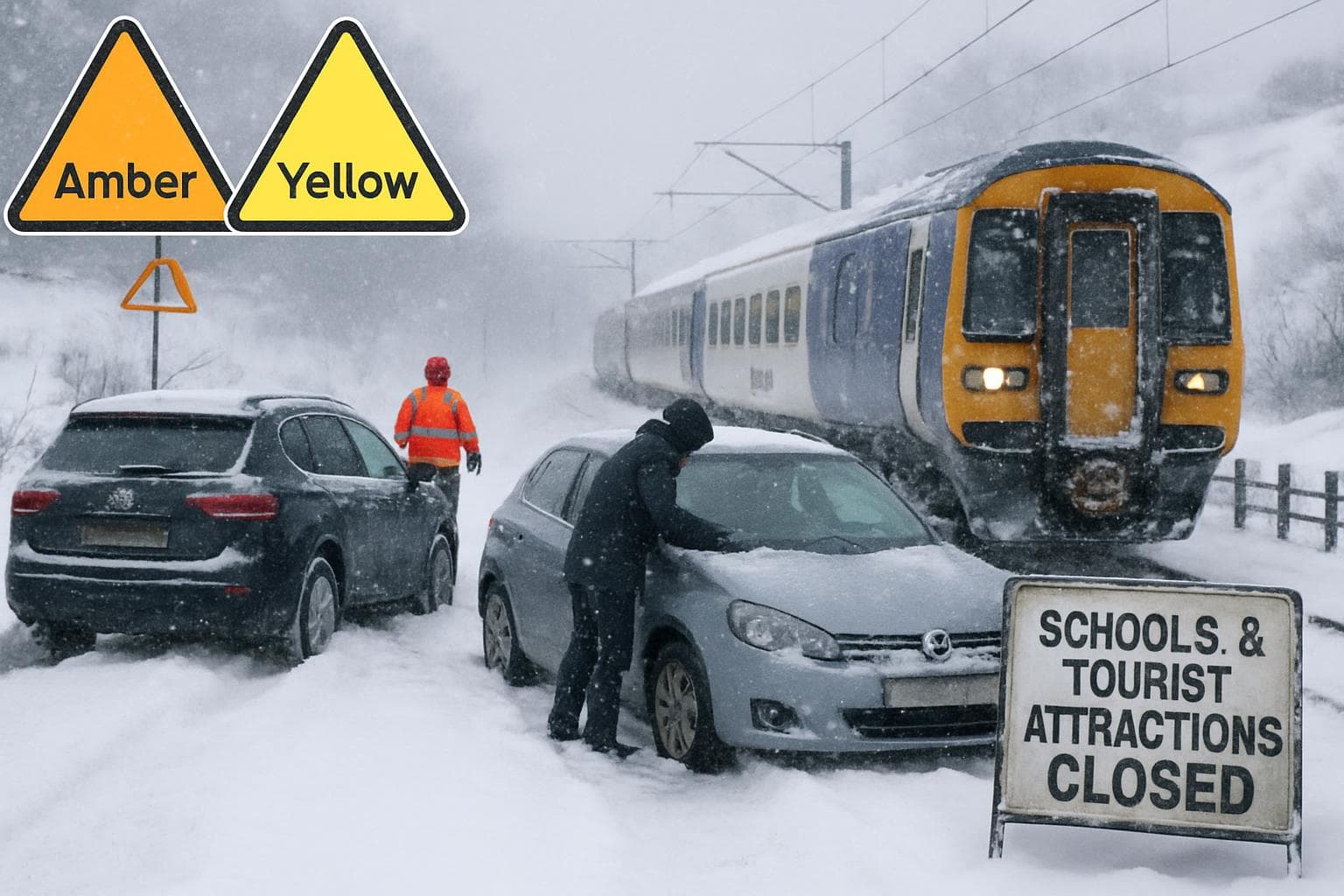
- The Met Office has issued amber and yellow weather warnings for snow and ice across the UK, with significant snowfall expected in North York Moors.
- Temperatures have dropped below zero, with the coldest recorded at -6.1C in Warcop, Cumbria, leading to hazardous travel conditions.
- The UK Health Security Agency has issued cold-health alerts, warning of significant impacts on vulnerable populations.
- Travel disruptions include road closures, train delays, and school closures, particularly in Scotland and northern England.
- Authorities urge caution, advising against non-essential travel and emphasizing the importance of preparation for winter conditions.
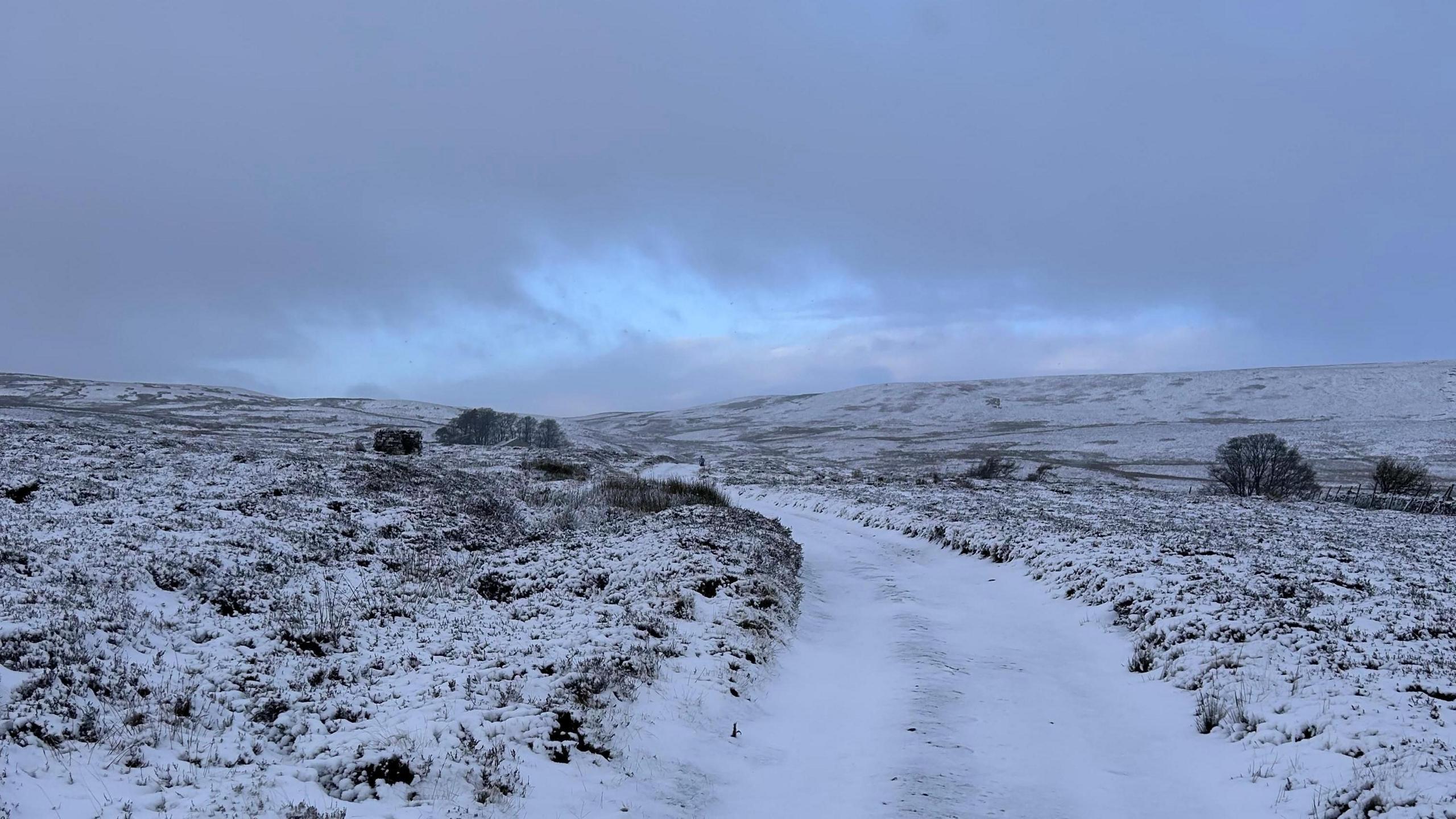
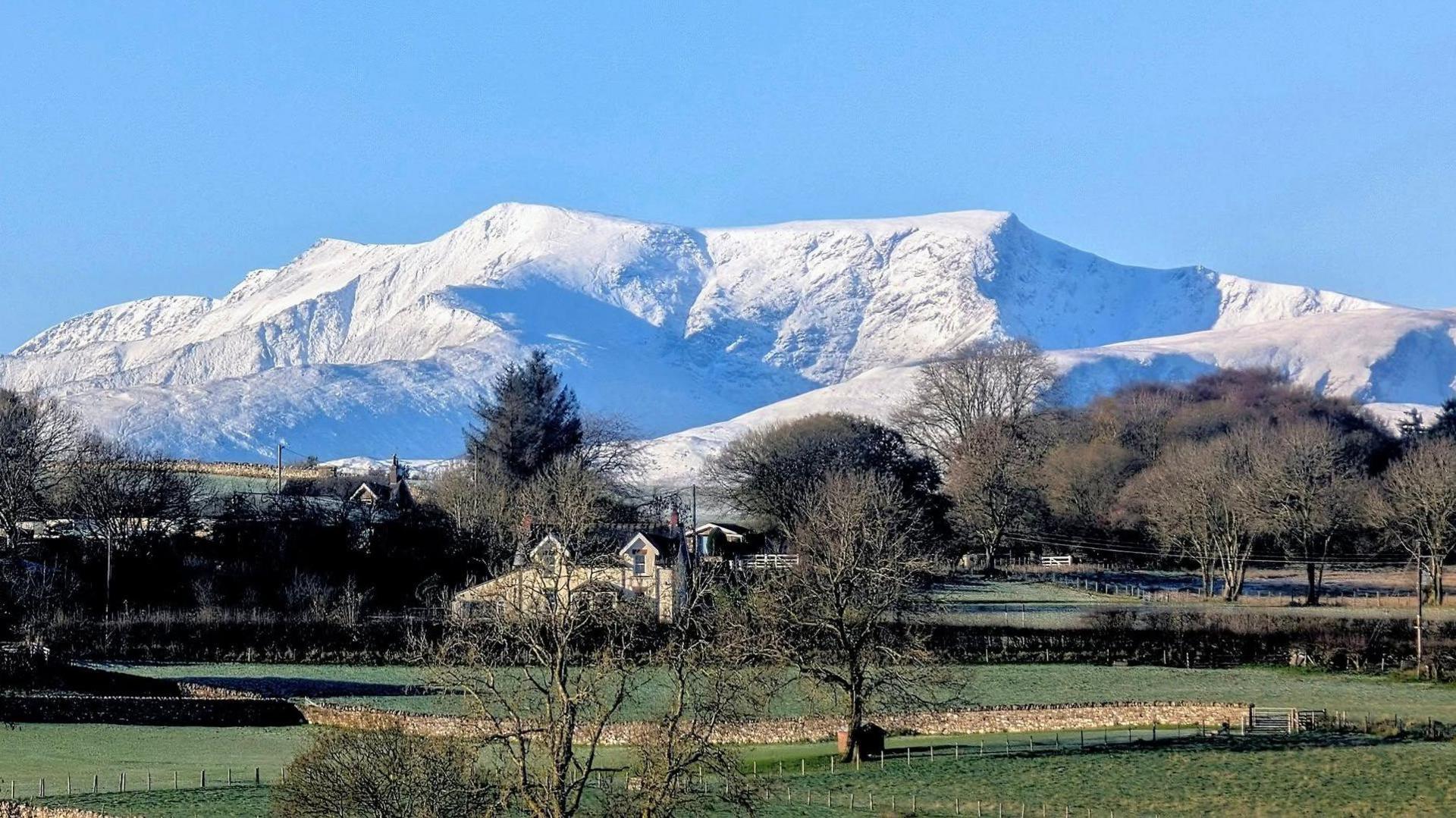
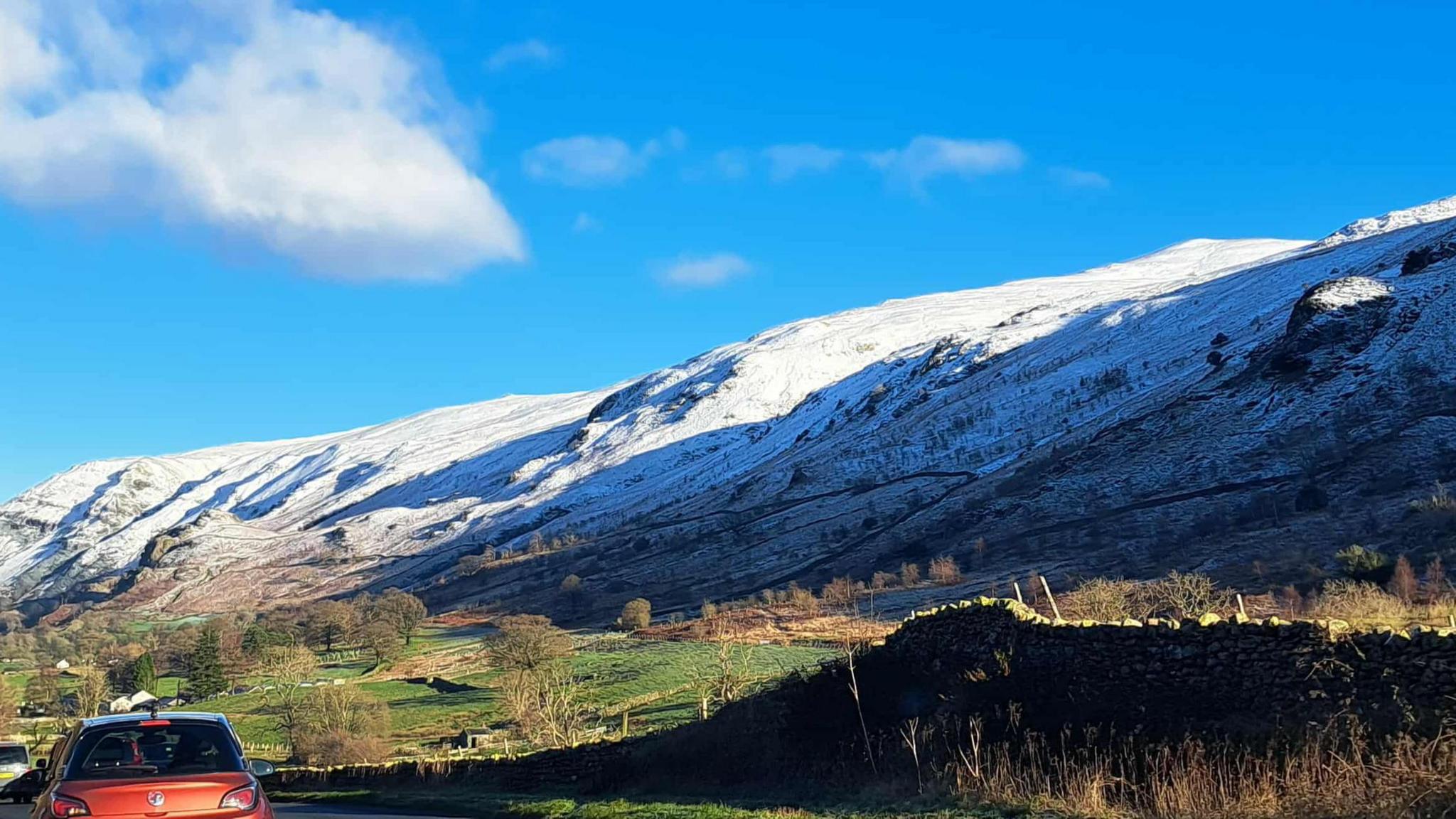
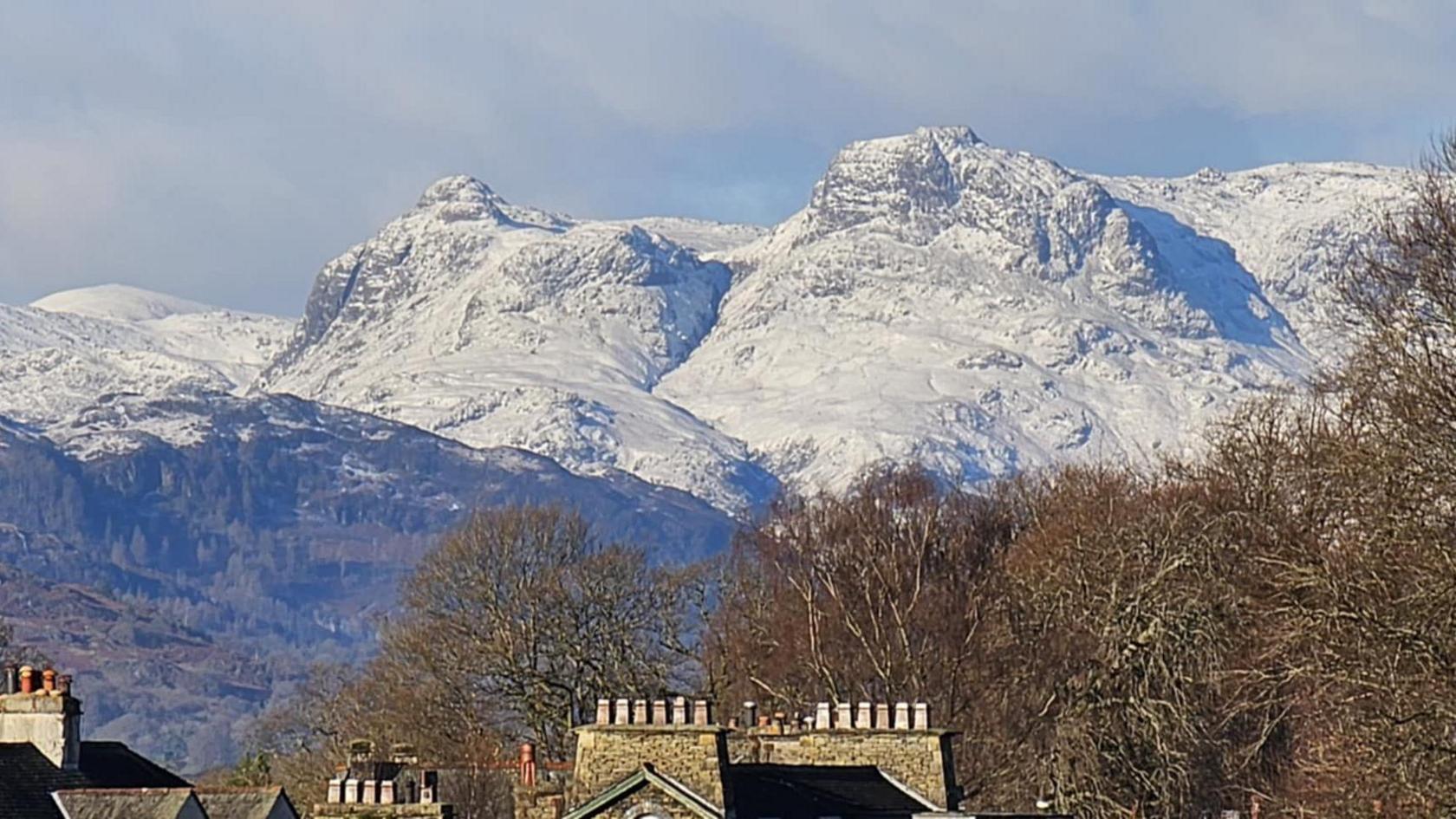
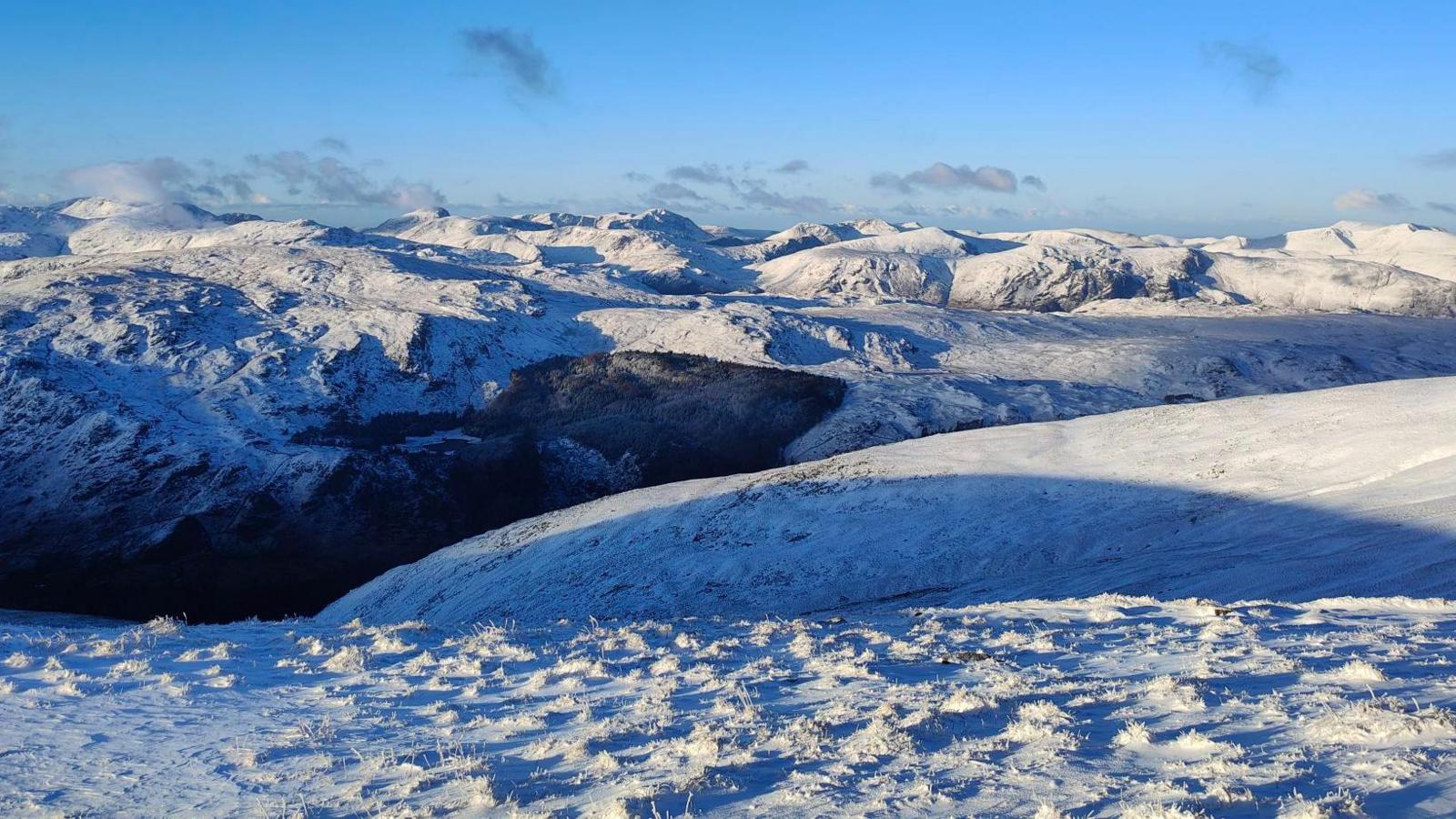
The UK is bracing for severe winter weather as the Met Office issues amber and yellow warnings for snow and ice across the country. The most significant impact is expected in the North York Moors, where up to 25cm of snow could accumulate, causing substantial travel disruption and potential power outages.
Weather Warnings and Health Alerts
The Met Office has placed amber warnings in effect until 9 PM on Thursday, particularly affecting North Yorkshire and surrounding areas. Yellow warnings extend across Northern Ireland, Scotland, and parts of England and Wales. The UK Health Security Agency has also issued cold-health alerts, highlighting risks to the elderly and those with pre-existing health conditions.
Travel Disruptions and Safety Measures
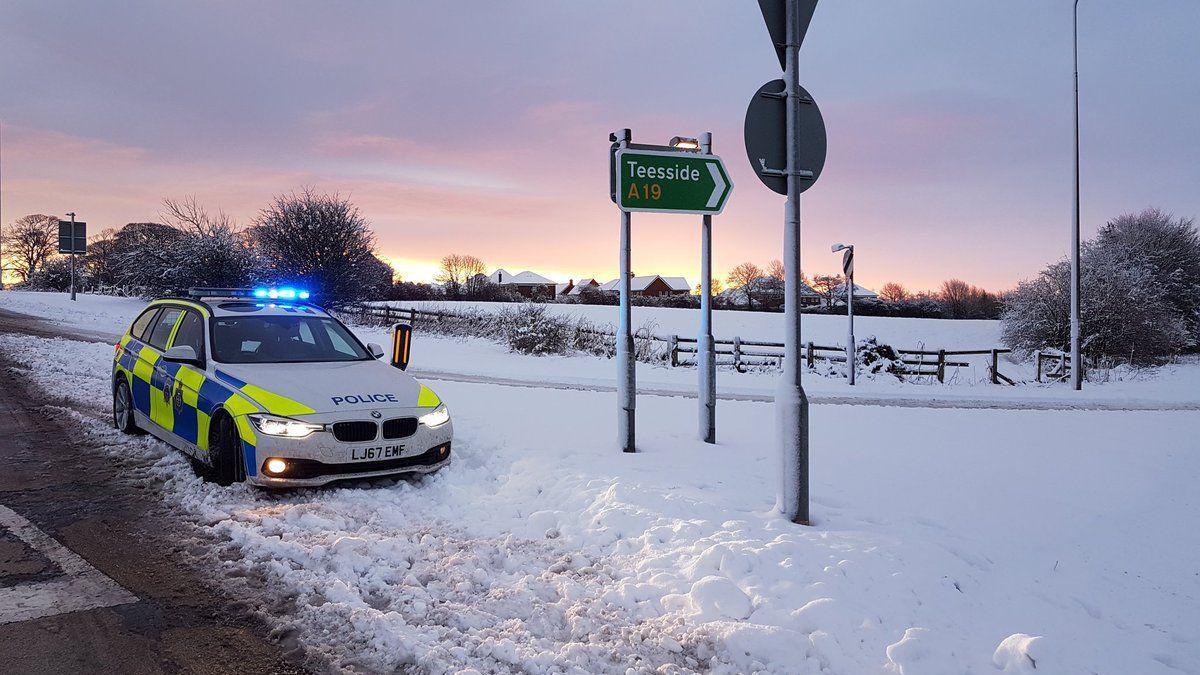
The adverse weather has already led to road closures and travel delays. North Yorkshire Police have reported vehicles stuck in snow, particularly on the A171 near Whitby. National Rail has warned of potential train delays due to speed restrictions necessary for safe travel in icy conditions. Authorities advise against non-essential travel and recommend that drivers prepare for winter conditions by carrying essentials such as warm clothing, food, and a torch.
Impact on Schools and Local Services
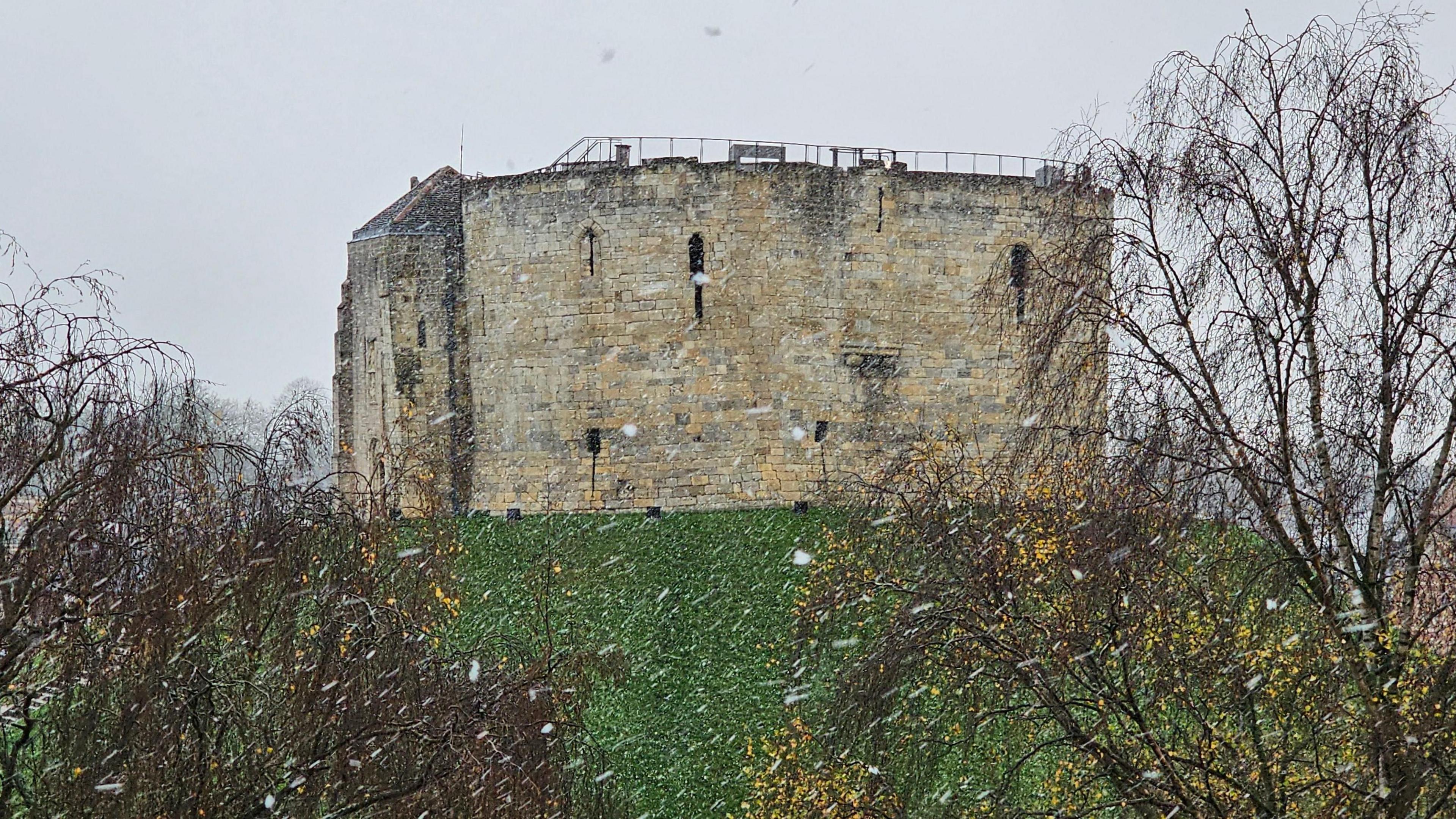
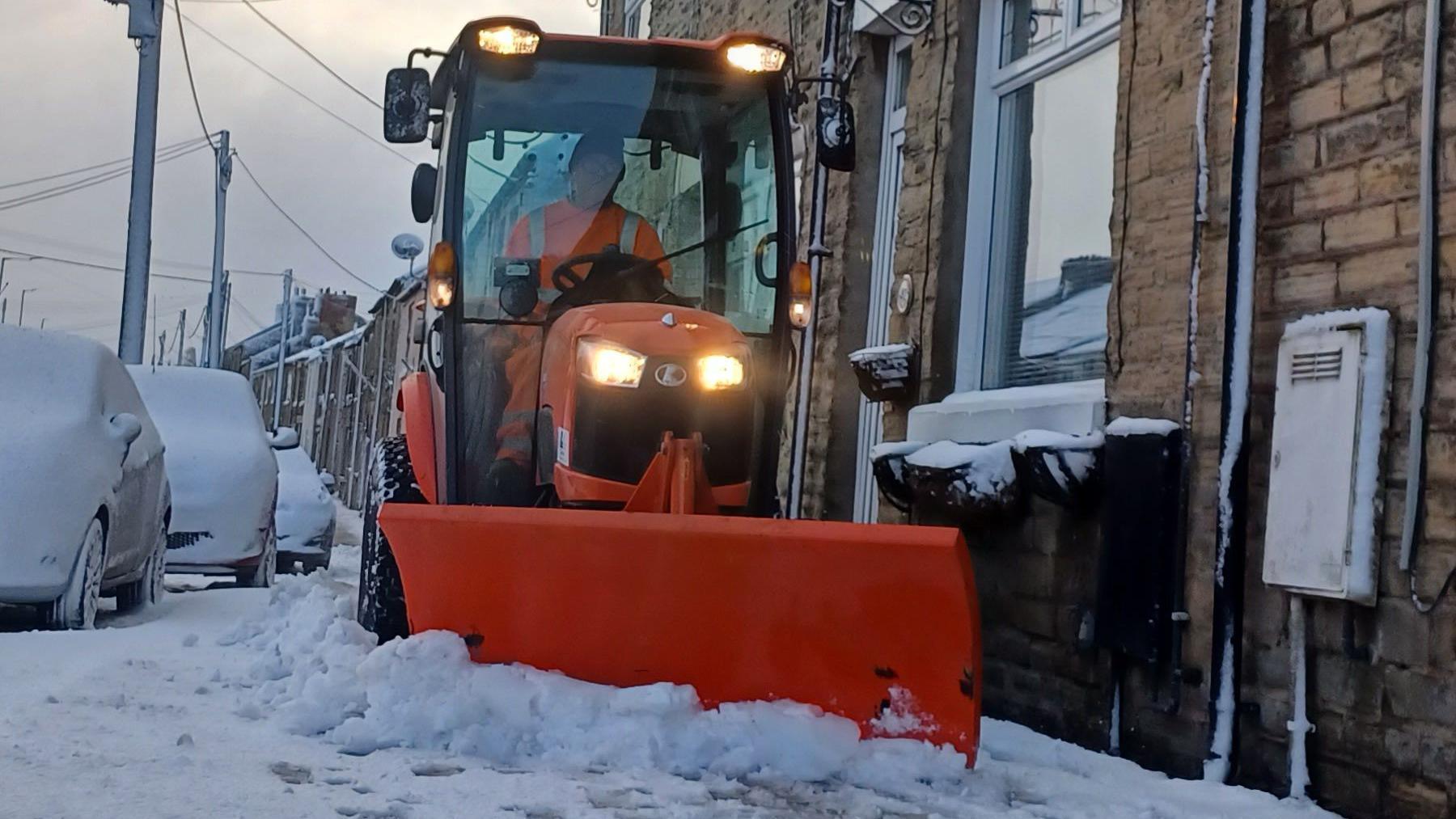
The severe weather has resulted in the closure of dozens of schools, particularly in Scotland and northern England. Tourist attractions like Rievaulx Abbey and Dalby Forest have also closed due to safety concerns. Local councils are actively gritting roads, but caution that this does not guarantee ice-free surfaces.
Community and Health Services Response
Community services are on high alert, with schemes like Cleveland Fire Brigade's Stay Safe and Warm offering support to those struggling with heating issues. The Northumberland Mountain Rescue Team has issued safety advice for hikers, emphasizing the importance of preparation and appropriate gear.
WHAT THIS MIGHT MEAN
As the cold snap continues, the UK could see further disruptions in travel and daily life, particularly if the snow and ice persist. The ongoing weather conditions may strain health and emergency services, especially if vulnerable populations are affected. Experts suggest that climate change could be influencing the frequency and intensity of such cold spells, although recent decades have seen a general decline in severe winter weather. Looking ahead, authorities will need to balance immediate response efforts with long-term strategies to mitigate the impacts of extreme weather events.
Images from the Web
Related Articles

Saharan Dust to Illuminate UK Skies with Vivid Sunrises and Sunsets

Police Federation Chief Arrested Amid Fraud Investigation

Canada and Australia Forge Strategic Partnership Amid Global Uncertainty
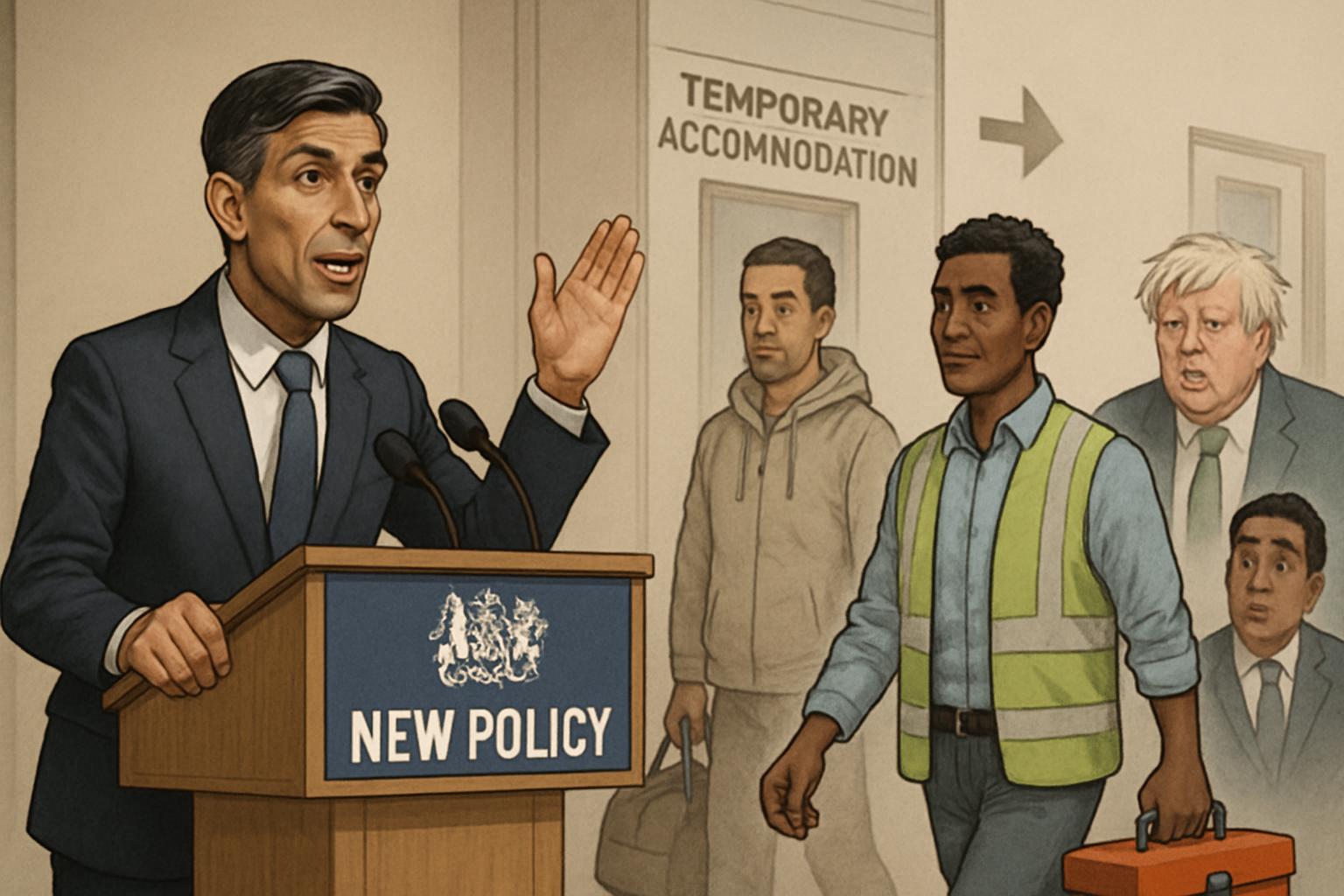
UK Government to Reform Asylum Seeker Support and Employment Policies

Sisters Tragically Drown at Eryri National Park's Watkin Path

Middle East Conflict Drives UK Energy Prices to New Highs
Severe Weather Alerts as Snow and Ice Disrupt UK Travel
In This Article
 Leila Hassan| Published
 HIGHLIGHTS
- The Met Office has issued amber and yellow weather warnings for snow and ice across the UK, with significant snowfall expected in North York Moors.
- Temperatures have dropped below zero, with the coldest recorded at -6.1C in Warcop, Cumbria, leading to hazardous travel conditions.
- The UK Health Security Agency has issued cold-health alerts, warning of significant impacts on vulnerable populations.
- Travel disruptions include road closures, train delays, and school closures, particularly in Scotland and northern England.
- Authorities urge caution, advising against non-essential travel and emphasizing the importance of preparation for winter conditions.
The UK is bracing for severe winter weather as the Met Office issues amber and yellow warnings for snow and ice across the country. The most significant impact is expected in the North York Moors, where up to 25cm of snow could accumulate, causing substantial travel disruption and potential power outages.
Weather Warnings and Health Alerts
The Met Office has placed amber warnings in effect until 9 PM on Thursday, particularly affecting North Yorkshire and surrounding areas. Yellow warnings extend across Northern Ireland, Scotland, and parts of England and Wales. The UK Health Security Agency has also issued cold-health alerts, highlighting risks to the elderly and those with pre-existing health conditions.
Travel Disruptions and Safety Measures
The adverse weather has already led to road closures and travel delays. North Yorkshire Police have reported vehicles stuck in snow, particularly on the A171 near Whitby. National Rail has warned of potential train delays due to speed restrictions necessary for safe travel in icy conditions. Authorities advise against non-essential travel and recommend that drivers prepare for winter conditions by carrying essentials such as warm clothing, food, and a torch.
Impact on Schools and Local Services
The severe weather has resulted in the closure of dozens of schools, particularly in Scotland and northern England. Tourist attractions like Rievaulx Abbey and Dalby Forest have also closed due to safety concerns. Local councils are actively gritting roads, but caution that this does not guarantee ice-free surfaces.
Community and Health Services Response
Community services are on high alert, with schemes like Cleveland Fire Brigade's Stay Safe and Warm offering support to those struggling with heating issues. The Northumberland Mountain Rescue Team has issued safety advice for hikers, emphasizing the importance of preparation and appropriate gear.
WHAT THIS MIGHT MEAN
As the cold snap continues, the UK could see further disruptions in travel and daily life, particularly if the snow and ice persist. The ongoing weather conditions may strain health and emergency services, especially if vulnerable populations are affected. Experts suggest that climate change could be influencing the frequency and intensity of such cold spells, although recent decades have seen a general decline in severe winter weather. Looking ahead, authorities will need to balance immediate response efforts with long-term strategies to mitigate the impacts of extreme weather events.
Images from the Web
Related Articles
Saharan Dust to Illuminate UK Skies with Vivid Sunrises and Sunsets
Police Federation Chief Arrested Amid Fraud Investigation
Canada and Australia Forge Strategic Partnership Amid Global Uncertainty
UK Government to Reform Asylum Seeker Support and Employment Policies
Sisters Tragically Drown at Eryri National Park's Watkin Path
Middle East Conflict Drives UK Energy Prices to New Highs