
UK University Faces Scrutiny Over Halted Human Rights Research Amid Chinese Pressure
In This Article
HIGHLIGHTS
- Sheffield Hallam University faced pressure from China to halt research on Uyghur forced labour, leading to an eight-month suspension.
- The university's decision to stop Professor Laura Murphy's research was linked to threats and a defamation lawsuit from a Chinese company.
- The case has been referred to counter-terrorism police under the National Security Act due to potential foreign intelligence involvement.
- Sheffield Hallam has since apologized to Murphy and lifted the research ban, citing complex circumstances and insurance issues.
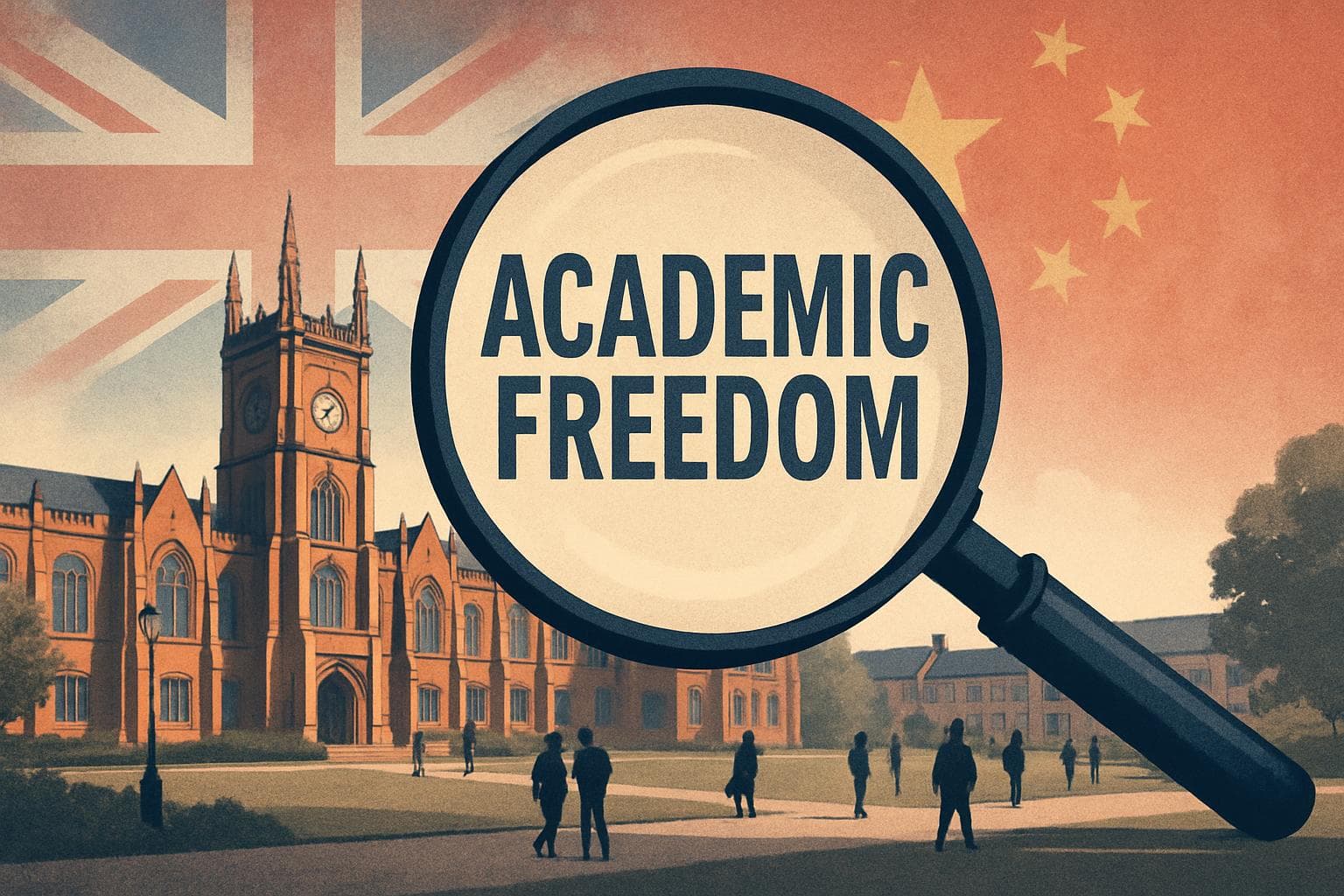
- The incident highlights concerns over academic freedom and foreign influence on UK universities.
Sheffield Hallam University has come under intense scrutiny following revelations that it halted research into alleged human rights abuses in China due to pressure from Beijing. The university's decision to suspend Professor Laura Murphy's work on Uyghur forced labour has sparked a broader debate on academic freedom and foreign influence in UK higher education.
Pressure and Intimidation
Documents obtained by Professor Murphy revealed a campaign of intimidation by individuals purportedly linked to China's National Security Service. This pressure aimed to stop her research into forced labour practices involving the Uyghur Muslim minority in Xinjiang. The Chinese government has consistently denied allegations of forced labour, claiming that its programs are intended for poverty alleviation.
Legal and Institutional Response
The situation escalated when South Yorkshire Police referred the case to counter-terrorism authorities under Section 3 of the National Security Act, which addresses assistance to foreign intelligence services. The university initially justified its decision by citing concerns over staff safety and the inability to secure professional indemnity insurance due to a defamation lawsuit from a Chinese firm.
Reversal and Apology
In October, Sheffield Hallam reversed its stance, allowing Murphy to resume her research. The university issued an apology, emphasizing its commitment to academic freedom and denying that commercial interests influenced its initial decision. "We have since approved Professor Murphy's latest research and are committed to supporting her," a university spokesperson stated.
Broader Implications
The incident has raised alarms about the potential chilling effect of foreign influence on academic institutions. Jo Grady, general secretary of the University and College Union, expressed concern over the university's actions, stating, "It is incredibly worrying that Sheffield Hallam appears to have attempted to silence its own professor on behalf of a foreign government."
WHAT THIS MIGHT MEAN
The referral of this case to counter-terrorism police underscores the serious nature of the allegations and could lead to broader investigations into foreign influence on UK universities. If proven, such interference could prompt legislative changes to protect academic freedom more robustly. Experts suggest that universities may need to reassess their international partnerships and ensure that academic integrity is not compromised by external pressures. As the investigation unfolds, it will be crucial for institutions to balance international collaboration with the safeguarding of academic independence.
Related Articles

UK Faces Dilemmas Amid Iran Conflict and China Spying Allegations

Labour MP's Husband Arrested in UK-China Espionage Probe
Kim Jong Un's Daughter Poised as North Korea's Future Leader, South Korean Intelligence Suggests

China Sets Lowest GDP Growth Target in Decades Amid Economic Challenges

Sentencing and Trials Highlight Serious Sexual Offences Across the UK

Japan Seizes Chinese Fishing Vessel Amid Rising Diplomatic Tensions
UK University Faces Scrutiny Over Halted Human Rights Research Amid Chinese Pressure
In This Article
 Ethan Brooks| Published
 HIGHLIGHTS
- Sheffield Hallam University faced pressure from China to halt research on Uyghur forced labour, leading to an eight-month suspension.
- The university's decision to stop Professor Laura Murphy's research was linked to threats and a defamation lawsuit from a Chinese company.
- The case has been referred to counter-terrorism police under the National Security Act due to potential foreign intelligence involvement.
- Sheffield Hallam has since apologized to Murphy and lifted the research ban, citing complex circumstances and insurance issues.
- The incident highlights concerns over academic freedom and foreign influence on UK universities.
Sheffield Hallam University has come under intense scrutiny following revelations that it halted research into alleged human rights abuses in China due to pressure from Beijing. The university's decision to suspend Professor Laura Murphy's work on Uyghur forced labour has sparked a broader debate on academic freedom and foreign influence in UK higher education.
Pressure and Intimidation
Documents obtained by Professor Murphy revealed a campaign of intimidation by individuals purportedly linked to China's National Security Service. This pressure aimed to stop her research into forced labour practices involving the Uyghur Muslim minority in Xinjiang. The Chinese government has consistently denied allegations of forced labour, claiming that its programs are intended for poverty alleviation.
Legal and Institutional Response
The situation escalated when South Yorkshire Police referred the case to counter-terrorism authorities under Section 3 of the National Security Act, which addresses assistance to foreign intelligence services. The university initially justified its decision by citing concerns over staff safety and the inability to secure professional indemnity insurance due to a defamation lawsuit from a Chinese firm.
Reversal and Apology
In October, Sheffield Hallam reversed its stance, allowing Murphy to resume her research. The university issued an apology, emphasizing its commitment to academic freedom and denying that commercial interests influenced its initial decision. "We have since approved Professor Murphy's latest research and are committed to supporting her," a university spokesperson stated.
Broader Implications
The incident has raised alarms about the potential chilling effect of foreign influence on academic institutions. Jo Grady, general secretary of the University and College Union, expressed concern over the university's actions, stating, "It is incredibly worrying that Sheffield Hallam appears to have attempted to silence its own professor on behalf of a foreign government."
WHAT THIS MIGHT MEAN
The referral of this case to counter-terrorism police underscores the serious nature of the allegations and could lead to broader investigations into foreign influence on UK universities. If proven, such interference could prompt legislative changes to protect academic freedom more robustly. Experts suggest that universities may need to reassess their international partnerships and ensure that academic integrity is not compromised by external pressures. As the investigation unfolds, it will be crucial for institutions to balance international collaboration with the safeguarding of academic independence.
Related Articles
UK Faces Dilemmas Amid Iran Conflict and China Spying Allegations
Labour MP's Husband Arrested in UK-China Espionage Probe
Kim Jong Un's Daughter Poised as North Korea's Future Leader, South Korean Intelligence Suggests
China Sets Lowest GDP Growth Target in Decades Amid Economic Challenges
Sentencing and Trials Highlight Serious Sexual Offences Across the UK
Japan Seizes Chinese Fishing Vessel Amid Rising Diplomatic Tensions