
UK-US Trade Deal: A Boost for British Car Exports Amid Tariff Concerns
In This Article
HIGHLIGHTS
- The UK-US trade deal has reduced tariffs on British car exports to the US from 27.5% to 10%, benefiting UK car manufacturers.
- Tariffs on UK aerospace exports to the US have been eliminated, while UK tariffs on US ethanol imports have been scrapped.
- UK steel and aluminium remain subject to a 25% tariff, with potential to increase to 50% if no agreement is reached by July 9.
- The trade deal, signed at the G7 summit, is expected to save UK sectors hundreds of millions annually and safeguard thousands of jobs.
- British farmers express concerns over being used as collateral in the trade deal, as the focus remains on the automotive industry.
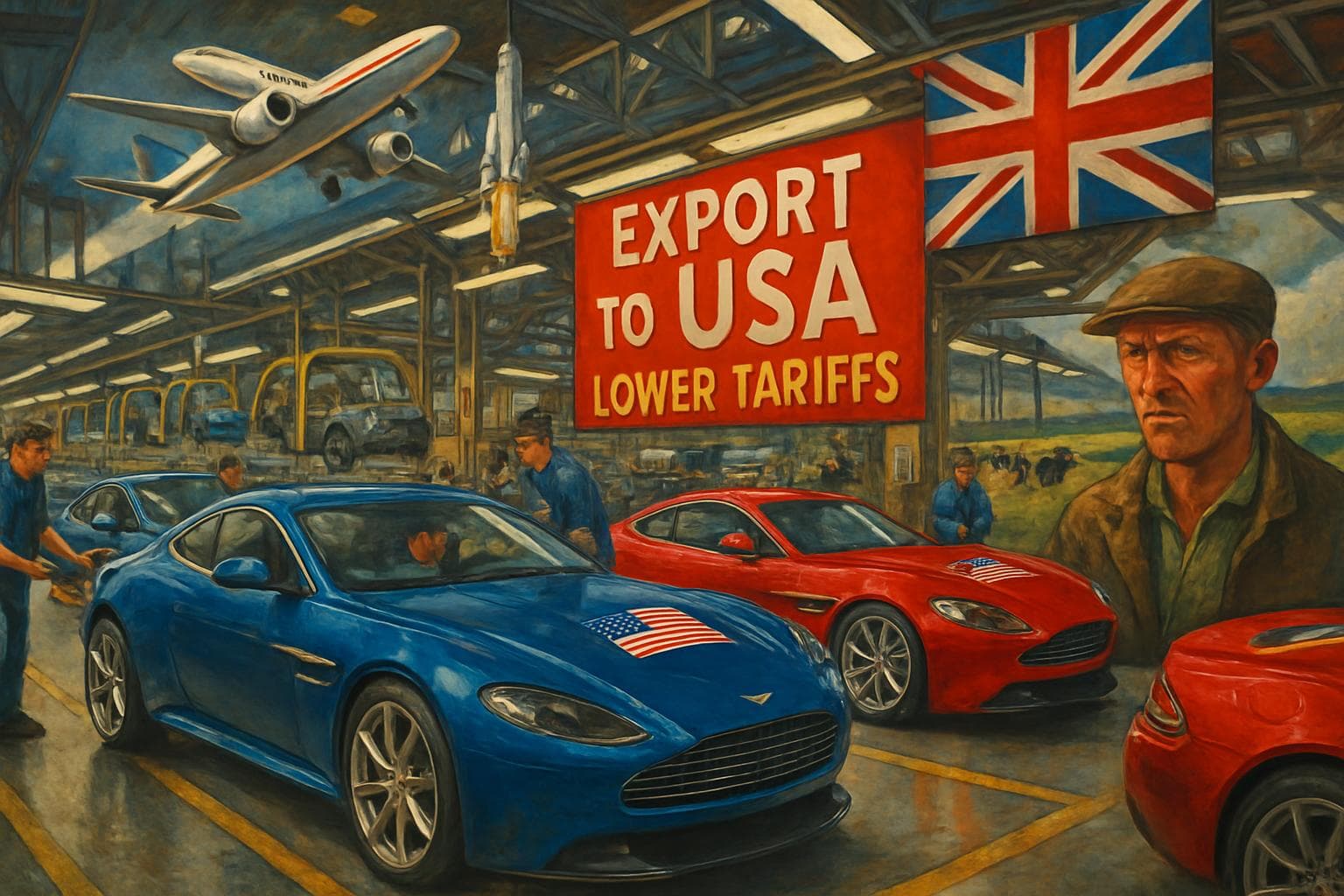
The newly implemented UK-US trade deal marks a significant shift in transatlantic commerce, offering substantial tariff reductions for British car manufacturers. Effective from Monday, the agreement slashes tariffs on UK car exports to the US from 27.5% to 10%, providing a competitive edge in the world's largest consumer market. This move is expected to unleash pent-up demand, with UK manufacturers like Aston Martin poised to resume shipments after a temporary halt due to previous tariff hikes.
Automotive Industry Gains
The trade deal, initially outlined by former US President Donald Trump and UK Prime Minister Sir Keir Starmer, aims to mitigate the impact of import taxes imposed in April. The reduction in tariffs is a welcome relief for the UK automotive industry, which saw exports to the US plummet by over half in May. Adrian Hallmark, CEO of Aston Martin, expressed optimism, noting that the demand remains strong despite the temporary pause in shipments.
Aerospace and Ethanol Trade Adjustments
In addition to automotive benefits, the agreement eliminates tariffs on UK aerospace exports to the US, further bolstering the sector. However, the UK has agreed to remove tariffs on US ethanol imports, a decision that has sparked concerns within the British bioethanol industry about its ability to compete.
Steel and Aluminium Tariff Uncertainty
Despite these advancements, UK steel and aluminium exports continue to face a 25% tariff, with the potential to double if no resolution is reached by the looming July 9 deadline. The Business and Trade Secretary, Jonathan Reynolds, highlighted the importance of finalizing these details to prevent further economic strain.
Concerns from British Farmers
While the trade deal is celebrated by the automotive sector, British farmers have voiced concerns about being sidelined. The focus on safeguarding the car industry has left agricultural stakeholders feeling vulnerable, as the UK prepares to increase its quota for US beef imports and remove tariffs on ethanol.
WHAT THIS MIGHT MEAN
As the UK-US trade deal takes effect, the focus now shifts to resolving outstanding issues, particularly the tariffs on steel and aluminium. Failure to reach an agreement by the July 9 deadline could see tariffs double, impacting UK industries reliant on these exports. Politically, the deal underscores the UK's strategic pivot towards strengthening ties with the US post-Brexit, yet it also highlights the delicate balance of protecting domestic industries while fostering international trade.
Experts suggest that the success of this trade agreement could set a precedent for future negotiations, potentially influencing the UK's approach to trade deals with other major economies. However, the concerns raised by British farmers indicate the need for a more inclusive strategy that addresses the interests of all sectors involved.
Related Articles
Tech Giants Pledge to Cover AI Data Center Energy Costs Amid Rising Electricity Concerns

UK-Iran Tensions: Starmer Defends Cautious Approach Amid Trump Criticism
Canada and Australia Forge Strategic Partnership Amid Global Uncertainty

Middle East Conflict Drives UK Energy Prices to New Highs

UK Faces Dilemmas Amid Iran Conflict and China Spying Allegations
UK Reinforces Military Presence in Cyprus Amid Middle East Tensions
UK-US Trade Deal: A Boost for British Car Exports Amid Tariff Concerns
In This Article
 Daniel Rivera| Published
 HIGHLIGHTS
- The UK-US trade deal has reduced tariffs on British car exports to the US from 27.5% to 10%, benefiting UK car manufacturers.
- Tariffs on UK aerospace exports to the US have been eliminated, while UK tariffs on US ethanol imports have been scrapped.
- UK steel and aluminium remain subject to a 25% tariff, with potential to increase to 50% if no agreement is reached by July 9.
- The trade deal, signed at the G7 summit, is expected to save UK sectors hundreds of millions annually and safeguard thousands of jobs.
- British farmers express concerns over being used as collateral in the trade deal, as the focus remains on the automotive industry.
The newly implemented UK-US trade deal marks a significant shift in transatlantic commerce, offering substantial tariff reductions for British car manufacturers. Effective from Monday, the agreement slashes tariffs on UK car exports to the US from 27.5% to 10%, providing a competitive edge in the world's largest consumer market. This move is expected to unleash pent-up demand, with UK manufacturers like Aston Martin poised to resume shipments after a temporary halt due to previous tariff hikes.
Automotive Industry Gains
The trade deal, initially outlined by former US President Donald Trump and UK Prime Minister Sir Keir Starmer, aims to mitigate the impact of import taxes imposed in April. The reduction in tariffs is a welcome relief for the UK automotive industry, which saw exports to the US plummet by over half in May. Adrian Hallmark, CEO of Aston Martin, expressed optimism, noting that the demand remains strong despite the temporary pause in shipments.
Aerospace and Ethanol Trade Adjustments
In addition to automotive benefits, the agreement eliminates tariffs on UK aerospace exports to the US, further bolstering the sector. However, the UK has agreed to remove tariffs on US ethanol imports, a decision that has sparked concerns within the British bioethanol industry about its ability to compete.
Steel and Aluminium Tariff Uncertainty
Despite these advancements, UK steel and aluminium exports continue to face a 25% tariff, with the potential to double if no resolution is reached by the looming July 9 deadline. The Business and Trade Secretary, Jonathan Reynolds, highlighted the importance of finalizing these details to prevent further economic strain.
Concerns from British Farmers
While the trade deal is celebrated by the automotive sector, British farmers have voiced concerns about being sidelined. The focus on safeguarding the car industry has left agricultural stakeholders feeling vulnerable, as the UK prepares to increase its quota for US beef imports and remove tariffs on ethanol.
WHAT THIS MIGHT MEAN
As the UK-US trade deal takes effect, the focus now shifts to resolving outstanding issues, particularly the tariffs on steel and aluminium. Failure to reach an agreement by the July 9 deadline could see tariffs double, impacting UK industries reliant on these exports. Politically, the deal underscores the UK's strategic pivot towards strengthening ties with the US post-Brexit, yet it also highlights the delicate balance of protecting domestic industries while fostering international trade.
Experts suggest that the success of this trade agreement could set a precedent for future negotiations, potentially influencing the UK's approach to trade deals with other major economies. However, the concerns raised by British farmers indicate the need for a more inclusive strategy that addresses the interests of all sectors involved.
Related Articles
Tech Giants Pledge to Cover AI Data Center Energy Costs Amid Rising Electricity Concerns
UK-Iran Tensions: Starmer Defends Cautious Approach Amid Trump Criticism
Canada and Australia Forge Strategic Partnership Amid Global Uncertainty
Middle East Conflict Drives UK Energy Prices to New Highs
UK Faces Dilemmas Amid Iran Conflict and China Spying Allegations
UK Reinforces Military Presence in Cyprus Amid Middle East Tensions