
UK Issues Travel Warning as Israel-Iran Tensions Escalate Amid Global Calls for De-escalation
In This Article
HIGHLIGHTS
- The UK has advised against all travel to Israel and the Occupied Palestinian Territories due to escalating military tensions with Iran.
- Israel launched attacks on Iranian military infrastructure, prompting retaliatory strikes from Iran, escalating the conflict.
- The UK government is setting up a registration portal for British nationals in Israel to ensure their safety.
- G7 leaders, including UK Prime Minister Keir Starmer, are focusing on de-escalation efforts at their summit in Canada.
- Iran is reportedly seeking talks with the US and Israel to end hostilities, using Arab intermediaries to convey its intentions.
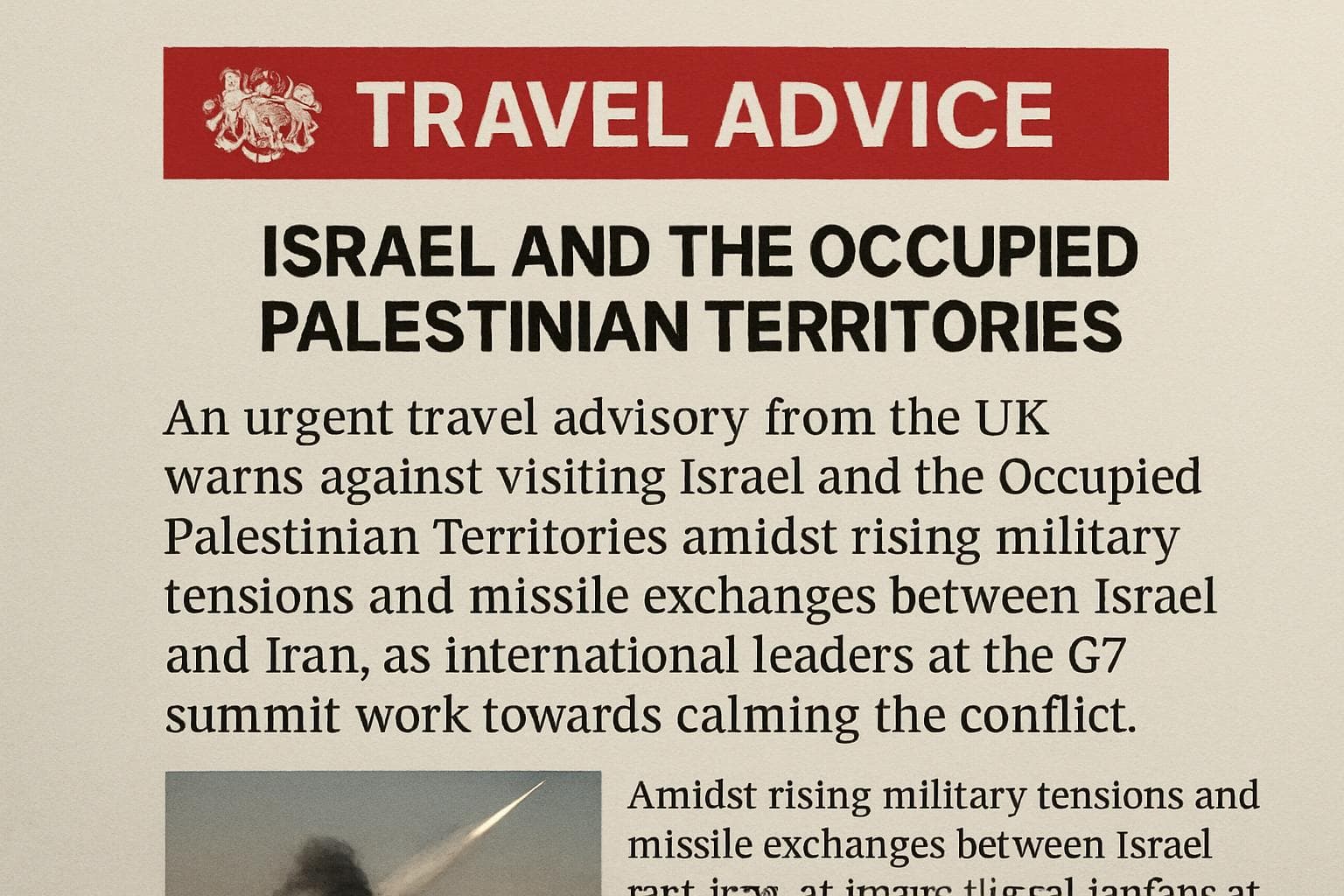
The UK government has issued a stark travel advisory against all travel to Israel and the Occupied Palestinian Territories, citing heightened military tensions between Israel and Iran. This advisory follows a series of missile exchanges between the two nations, with Israel targeting Iranian military sites and Iran responding with retaliatory strikes. The Foreign, Commonwealth and Development Office (FCDO) has warned of a "fast-moving situation" that could deteriorate rapidly, urging British nationals in the region to heed local authority advice.
UK's Precautionary Measures
In response to the escalating conflict, the UK is enhancing its support for British nationals in Israel by establishing a registration portal. Prime Minister Keir Starmer, speaking at the G7 summit in Canada, emphasized the importance of de-escalation, noting the potential regional and economic impacts of the conflict. The portal is expected to go live soon, allowing UK nationals to register their presence for safety monitoring.
International Efforts for De-escalation
The G7 summit has become a focal point for discussions on de-escalating the Israel-Iran conflict. Leaders are working on a joint statement advocating for reduced tensions, although US President Donald Trump has yet to endorse the draft. The draft emphasizes market stability and Israel's right to self-defense. Meanwhile, Iran has reached out to Gulf states, urging them to influence the US to broker a ceasefire with Israel, offering flexibility in nuclear negotiations as an incentive.
Iran's Call for Dialogue
Reports indicate that Iran is seeking to end hostilities and resume nuclear talks with both the US and Israel. Using Arab intermediaries, Tehran has signaled its willingness to engage in dialogue, highlighting a potential diplomatic path forward amid the ongoing military exchanges.
WHAT THIS MIGHT MEAN
The current escalation between Israel and Iran poses significant risks for regional stability and global economic markets, particularly in the energy sector. The UK's proactive measures to safeguard its nationals underscore the seriousness of the situation. Should diplomatic efforts at the G7 summit succeed, there could be a pathway to de-escalation, potentially averting further conflict. However, the lack of consensus among global leaders, particularly the US, could hinder these efforts. If Iran's overtures for dialogue are reciprocated, it may lead to renewed negotiations over its nuclear program, offering a glimmer of hope for peace in the region.
Related Articles

UK Faces Dilemmas Amid Iran Conflict and China Spying Allegations
UK-Iran Tensions: Starmer Defends Cautious Approach Amid Trump Criticism
UK Reinforces Military Presence in Cyprus Amid Middle East Tensions
Canada and Australia Forge Strategic Partnership Amid Global Uncertainty
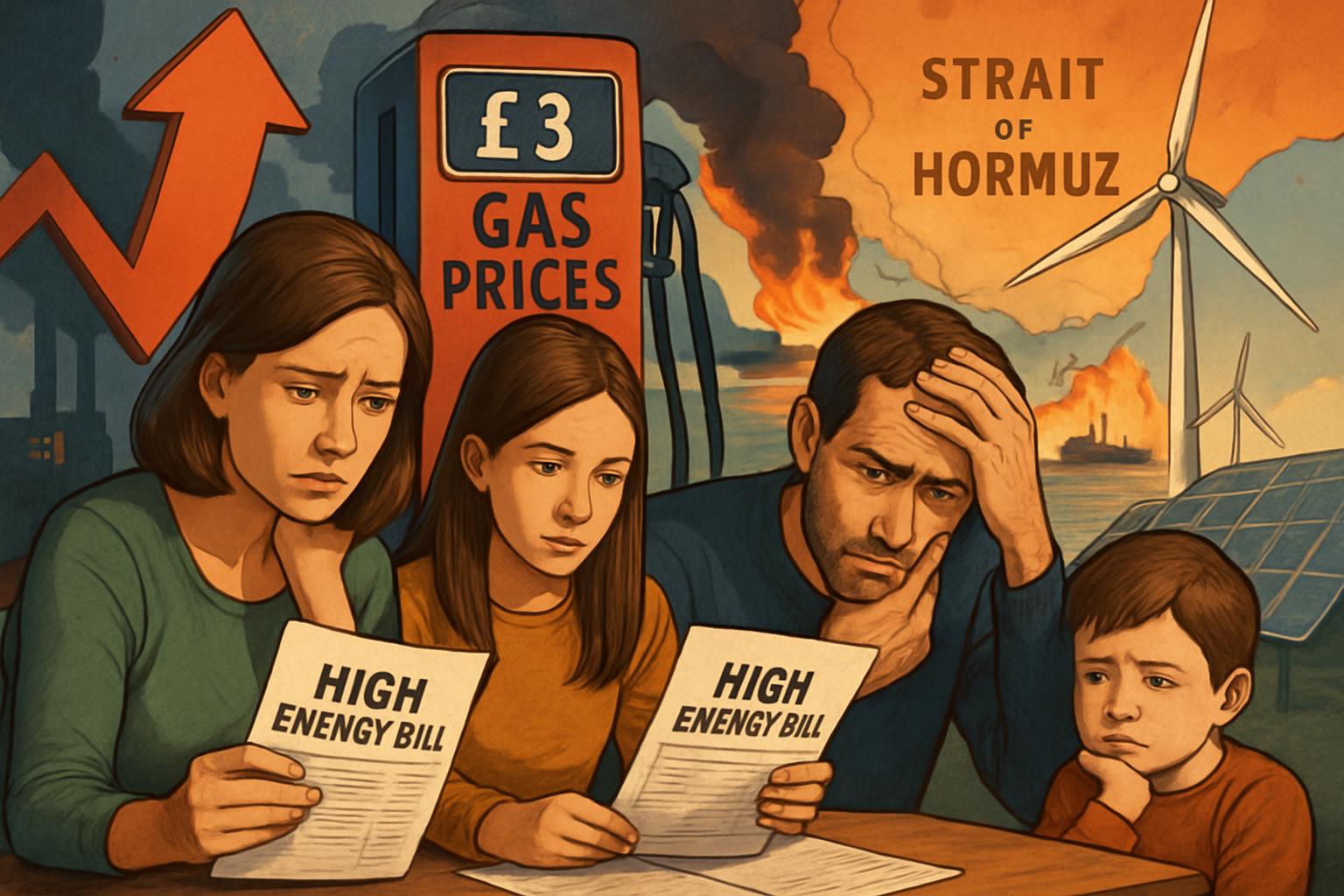
Middle East Conflict Drives UK Energy Prices to New Highs

UK Government to Reform Asylum Seeker Support and Employment Policies
UK Issues Travel Warning as Israel-Iran Tensions Escalate Amid Global Calls for De-escalation
In This Article
 Ethan Brooks| Published
 HIGHLIGHTS
- The UK has advised against all travel to Israel and the Occupied Palestinian Territories due to escalating military tensions with Iran.
- Israel launched attacks on Iranian military infrastructure, prompting retaliatory strikes from Iran, escalating the conflict.
- The UK government is setting up a registration portal for British nationals in Israel to ensure their safety.
- G7 leaders, including UK Prime Minister Keir Starmer, are focusing on de-escalation efforts at their summit in Canada.
- Iran is reportedly seeking talks with the US and Israel to end hostilities, using Arab intermediaries to convey its intentions.
The UK government has issued a stark travel advisory against all travel to Israel and the Occupied Palestinian Territories, citing heightened military tensions between Israel and Iran. This advisory follows a series of missile exchanges between the two nations, with Israel targeting Iranian military sites and Iran responding with retaliatory strikes. The Foreign, Commonwealth and Development Office (FCDO) has warned of a "fast-moving situation" that could deteriorate rapidly, urging British nationals in the region to heed local authority advice.
UK's Precautionary Measures
In response to the escalating conflict, the UK is enhancing its support for British nationals in Israel by establishing a registration portal. Prime Minister Keir Starmer, speaking at the G7 summit in Canada, emphasized the importance of de-escalation, noting the potential regional and economic impacts of the conflict. The portal is expected to go live soon, allowing UK nationals to register their presence for safety monitoring.
International Efforts for De-escalation
The G7 summit has become a focal point for discussions on de-escalating the Israel-Iran conflict. Leaders are working on a joint statement advocating for reduced tensions, although US President Donald Trump has yet to endorse the draft. The draft emphasizes market stability and Israel's right to self-defense. Meanwhile, Iran has reached out to Gulf states, urging them to influence the US to broker a ceasefire with Israel, offering flexibility in nuclear negotiations as an incentive.
Iran's Call for Dialogue
Reports indicate that Iran is seeking to end hostilities and resume nuclear talks with both the US and Israel. Using Arab intermediaries, Tehran has signaled its willingness to engage in dialogue, highlighting a potential diplomatic path forward amid the ongoing military exchanges.
WHAT THIS MIGHT MEAN
The current escalation between Israel and Iran poses significant risks for regional stability and global economic markets, particularly in the energy sector. The UK's proactive measures to safeguard its nationals underscore the seriousness of the situation. Should diplomatic efforts at the G7 summit succeed, there could be a pathway to de-escalation, potentially averting further conflict. However, the lack of consensus among global leaders, particularly the US, could hinder these efforts. If Iran's overtures for dialogue are reciprocated, it may lead to renewed negotiations over its nuclear program, offering a glimmer of hope for peace in the region.
Related Articles
UK Faces Dilemmas Amid Iran Conflict and China Spying Allegations
UK-Iran Tensions: Starmer Defends Cautious Approach Amid Trump Criticism
UK Reinforces Military Presence in Cyprus Amid Middle East Tensions
Canada and Australia Forge Strategic Partnership Amid Global Uncertainty
Middle East Conflict Drives UK Energy Prices to New Highs
UK Government to Reform Asylum Seeker Support and Employment Policies