
UK Government Considers IMF's Fiscal Recommendations Amid Economic Challenges
In This Article
HIGHLIGHTS
- The UK government is considering reducing the frequency of public finance assessments from twice to once a year, following IMF recommendations.
- The IMF suggests ending the pension triple lock and introducing NHS charges for wealthier individuals to manage fiscal risks.
- The IMF praised the UK's pro-growth reforms but warned of potential breaches in fiscal rules due to economic uncertainties.
- Chancellor Rachel Reeves faces pressure to create more fiscal headroom amid speculation of significant tax increases in the upcoming budget.
- The UK's ageing population is expected to increase health and pension costs, potentially raising spending by 8% of GDP by 2050.
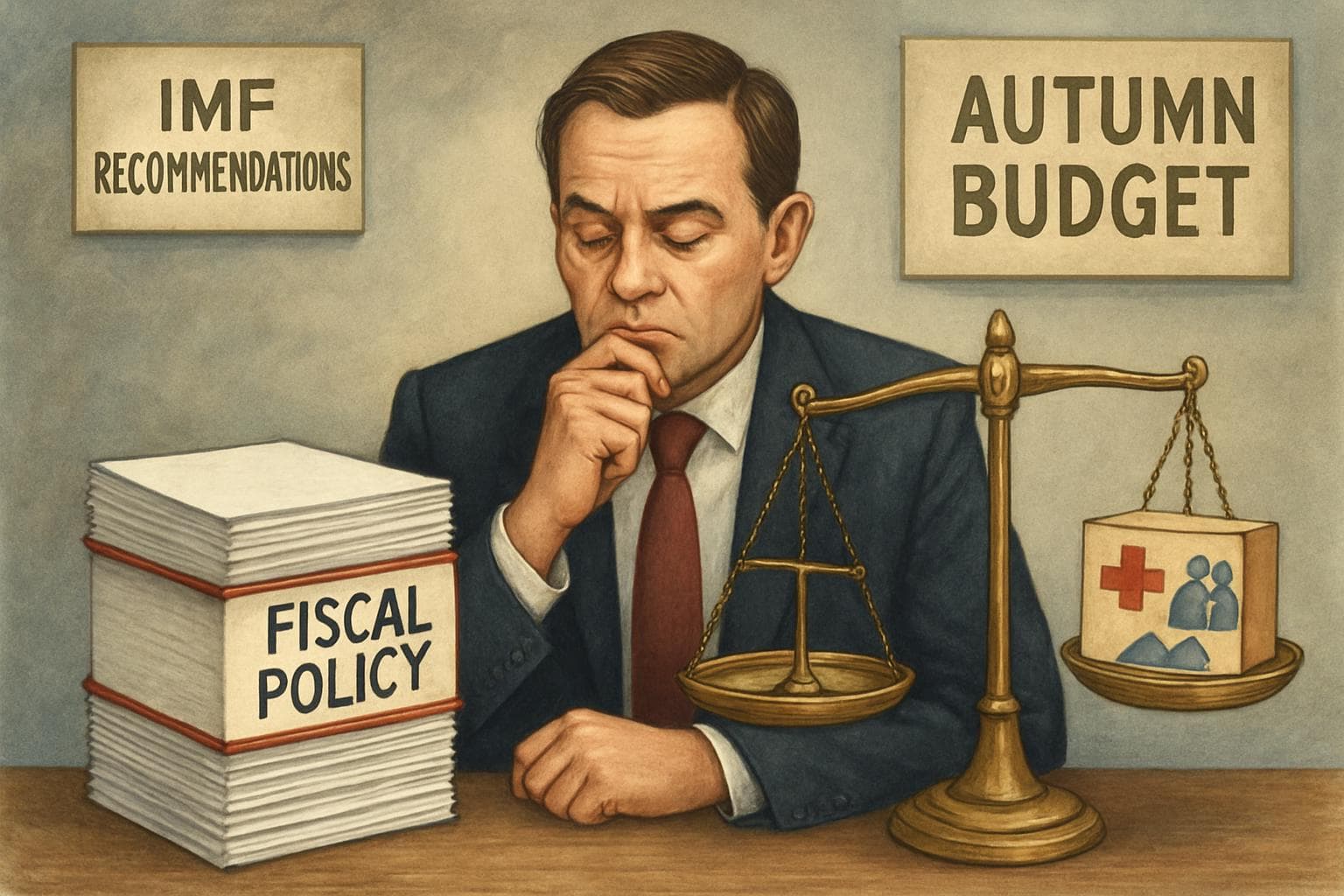
The UK government is contemplating a shift in its fiscal policy approach by reducing the frequency of public finance assessments to once a year, as suggested by the International Monetary Fund (IMF). This proposal aims to mitigate the need for frequent policy changes to meet borrowing rules, which are currently assessed biannually by the Office for Budget Responsibility (OBR).
IMF's Recommendations for Fiscal Stability
In its annual review of the UK economy, the IMF recommended that Chancellor Rachel Reeves consider ending the pension triple lock and introducing charges for NHS services for wealthier individuals. These measures are intended to provide more fiscal leeway and prevent breaches of fiscal rules amid global economic uncertainties. The IMF highlighted the importance of maintaining credibility with financial markets, which is crucial for government borrowing.
Economic Growth and Fiscal Challenges
The IMF commended the UK's recent pro-growth reforms, describing the medium-term borrowing plans as credible. However, it cautioned that the government's strategy could be derailed by economic shocks or disappointing growth. The IMF emphasized the need for greater fiscal headroom to manage these risks effectively.
Preparing for the Autumn Budget
As Chancellor Reeves prepares for the autumn budget, there is growing speculation about potential tax increases to bolster the UK's financial buffer. The IMF's report noted that the ageing population would likely increase health and pension costs, potentially raising public spending by 8% of GDP by 2050. This demographic shift underscores the need for strategic fiscal planning.
Government's Response
In response to the IMF's findings, Treasury officials reiterated their commitment to adhering to fiscal rules and expressed openness to the IMF's recommendations. The Institute for Fiscal Studies also suggested downplaying the Spring Statement to allow for more flexible borrowing targets, reducing the need for constant adjustments to tax and spending plans.
WHAT THIS MIGHT MEAN
The UK government's consideration of the IMF's recommendations could lead to significant policy shifts, particularly in areas like pensions and healthcare. If implemented, these changes might face political resistance, especially from groups advocating for the protection of vulnerable populations. Economically, the proposed measures could provide the government with more flexibility to navigate global uncertainties, but they also risk public backlash if perceived as unfair.
Looking ahead, Chancellor Reeves will need to balance fiscal prudence with social equity as she crafts the upcoming budget. The potential for increased taxes and spending cuts could impact economic growth and public sentiment. Experts suggest that careful management of fiscal policies will be crucial in maintaining market confidence and ensuring long-term economic stability.
Related Articles

Middle East Conflict Drives UK Energy Prices to New Highs

UK Government to Reform Asylum Seeker Support and Employment Policies
Persistent Safety Concerns in Nottingham Maternity Services Amidst Calls for Systemic Reform

Government Announces £4 Billion Overhaul of SEND Support in England

UK Government Announces Major Overhaul of SEND System with £3.4 Billion Investment
Nottingham Attacks Inquiry: Families Demand Accountability and Truth
UK Government Considers IMF's Fiscal Recommendations Amid Economic Challenges
In This Article
 Daniel Rivera| Published
 HIGHLIGHTS
- The UK government is considering reducing the frequency of public finance assessments from twice to once a year, following IMF recommendations.
- The IMF suggests ending the pension triple lock and introducing NHS charges for wealthier individuals to manage fiscal risks.
- The IMF praised the UK's pro-growth reforms but warned of potential breaches in fiscal rules due to economic uncertainties.
- Chancellor Rachel Reeves faces pressure to create more fiscal headroom amid speculation of significant tax increases in the upcoming budget.
- The UK's ageing population is expected to increase health and pension costs, potentially raising spending by 8% of GDP by 2050.
The UK government is contemplating a shift in its fiscal policy approach by reducing the frequency of public finance assessments to once a year, as suggested by the International Monetary Fund (IMF). This proposal aims to mitigate the need for frequent policy changes to meet borrowing rules, which are currently assessed biannually by the Office for Budget Responsibility (OBR).
IMF's Recommendations for Fiscal Stability
In its annual review of the UK economy, the IMF recommended that Chancellor Rachel Reeves consider ending the pension triple lock and introducing charges for NHS services for wealthier individuals. These measures are intended to provide more fiscal leeway and prevent breaches of fiscal rules amid global economic uncertainties. The IMF highlighted the importance of maintaining credibility with financial markets, which is crucial for government borrowing.
Economic Growth and Fiscal Challenges
The IMF commended the UK's recent pro-growth reforms, describing the medium-term borrowing plans as credible. However, it cautioned that the government's strategy could be derailed by economic shocks or disappointing growth. The IMF emphasized the need for greater fiscal headroom to manage these risks effectively.
Preparing for the Autumn Budget
As Chancellor Reeves prepares for the autumn budget, there is growing speculation about potential tax increases to bolster the UK's financial buffer. The IMF's report noted that the ageing population would likely increase health and pension costs, potentially raising public spending by 8% of GDP by 2050. This demographic shift underscores the need for strategic fiscal planning.
Government's Response
In response to the IMF's findings, Treasury officials reiterated their commitment to adhering to fiscal rules and expressed openness to the IMF's recommendations. The Institute for Fiscal Studies also suggested downplaying the Spring Statement to allow for more flexible borrowing targets, reducing the need for constant adjustments to tax and spending plans.
WHAT THIS MIGHT MEAN
The UK government's consideration of the IMF's recommendations could lead to significant policy shifts, particularly in areas like pensions and healthcare. If implemented, these changes might face political resistance, especially from groups advocating for the protection of vulnerable populations. Economically, the proposed measures could provide the government with more flexibility to navigate global uncertainties, but they also risk public backlash if perceived as unfair.
Looking ahead, Chancellor Reeves will need to balance fiscal prudence with social equity as she crafts the upcoming budget. The potential for increased taxes and spending cuts could impact economic growth and public sentiment. Experts suggest that careful management of fiscal policies will be crucial in maintaining market confidence and ensuring long-term economic stability.
Related Articles
Middle East Conflict Drives UK Energy Prices to New Highs
UK Government to Reform Asylum Seeker Support and Employment Policies
Persistent Safety Concerns in Nottingham Maternity Services Amidst Calls for Systemic Reform
Government Announces £4 Billion Overhaul of SEND Support in England
UK Government Announces Major Overhaul of SEND System with £3.4 Billion Investment
Nottingham Attacks Inquiry: Families Demand Accountability and Truth